

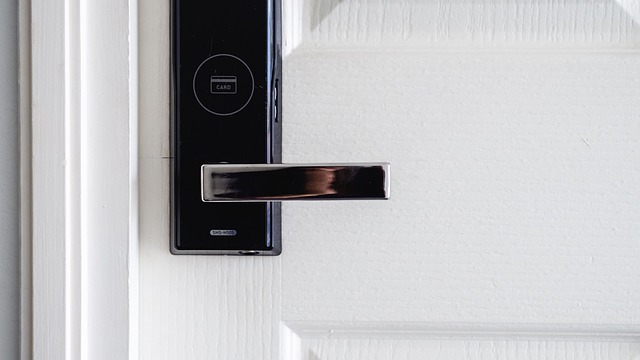
Home security and automation systems allow LA homeowners to monitor locks, lights and cameras from their phone, reduce energy costs and reduce insurance premiums by up to 20%.
Local companies blend hardwired and wi-fi equipment to outsmart canyon dead zones and earthquake shut-offs.
The remainder of this guide enumerates actual expenses, leading installers, and essential sensors for SoCal renters and single-family residences alike.
What Are Home Security Systems?
Home security systems are made up of sensors, alarms and cameras that protect doors, windows and interiors from intruders. Its four jobs are simple: detect danger, sound an alarm, alert the homeowner, and notify a monitoring center. Today’s best bundles wrap security, automation, and mobile control into a single hub.
Local Alarm | Monitored Alarm |
|---|---|
Siren rings inside house only | Center gets signal 24/7 |
You call 911 | Operator calls you, then police |
No monthly fee | $6.25–$60 per month |
| Functions offline | Uses landline, broadband or cell |
1. The Core Components
All systems begin with a control panel, door/window sensors, a minimum of one motion detector, a siren and yard signs. When a sensor is tripped, the panel sets off the siren and sends a signal via landline, Wi-Fi or cell.
Battery backup and cellular radio keeps it alive when LA heat takes out the power. Layer up — put sensors on every ground-floor door and window, then supplement with motion inside the foyer.
2. The Automation Layer
Automation rules enable lights, locks, and thermostats to respond to alarm events without you having to lift a finger. One rule reads: “When the system arms in Away mode, lock the Yale smart lock and drop the Nest to 68 °F.
Z-Wave, Zigbee, or plain Wi-Fi gear all hook into the same hub that runs security. An 11p auto-arm routine saves energy and keeps you from wondering if you locked up.
3. The Monitoring Service
Professional monitoring is that our trained staff are monitoring for burglary, fire and CO 24/7. Path: glass-break sensor trips → panel signals ADT or Frontpoint → operator calls your cell → no answer? LAPD rolls.
Choose landline (old), broadband (fast, but dies with the cable) or cellular (fastest post our quakes). Self-monitoring bypasses the fee, but leaves you stuck to your phone while at Disneyland.
4. The Smart Integration
Voice control ties in fast: “Alexa, arm Ring” or “Hey Google, set Goodnight scene.” Compatible gear includes Ring Video Doorbell Pro, Vivint Smart Hub, ADT+ app, and any Z-Wave light switch.
Create a ‘Goodnight’ scene that arms the system, dims the Philips bulbs and locks the side door all in one go. IFTTT applets even fire up your Mr. Coffee when you disarm in the morning—because coffee is security too.
5. The User Interface
Most owners live on the mobile app, secondary favorites are a hallway touchscreen panel or car-key remote. A robust app displays live video clips, delivers rich alerts with thumbnail images, and introduces automations in less than 30 seconds.
Test each option during install — your 8 year old needs to handle arm/disarm + panic mode in pitch black. Turn on push + text + email + phone so nothing slips past when you’re on airplane mode to SFO.
: layered sensors plus smart tech keeps LA homes calm.
Choosing Your System
Start with a 15-minute walk-through: count every door and window, note how many floors you cover, and mark dead spots where your phone drops Wi-Fi or bars. Record the totals on a sticky note—this tally determines the size of any kit you purchase.
Next, pick a hard ceiling: a bare-bones DIY box with two door sensors and one motion sensor can be had for about $200, a mid-tier plan with live monitoring lands between $20–40 per month, and a full-blown smart-home bundle with cameras, locks, and lights runs $60–80 per month.
Match the gear to your life: renters like peel-and-stick pads that leave no holes; owners can hardwire; if you already bark at Alexa to dim the lights, choose a hub that speaks Z-Wave or Zigbee. Pull two quotes before you commit — one from a national pro such as ADT and one shipped-to-your-door like SimpliSafe — then compare equipment lists, monitoring fees and contract terms side-by-side.
Professional Install
Brands requiring a tech visit consist of ADT, Vivint, Brinks and FrontPoint–the “free” install is embedded in a 36 month monitoring contract that begins at roughly $28.99 per month.
The appointment lasts 2–4 hours: the tech screws the panel to a stud, programs each sensor, aims the cameras, tests the cellular radio, and hands you a quick-start sheet before he leaves.
Upside: wires hide inside walls, sensors sit where you’d never think to put them, and the cellular backup is live before the truck pulls away.
Downside: cancel early and you may owe 75% of the remaining balance plus a $150 removal fee. Certain companies allow you to amortize the equipment over five years. That reduces the upfront punch but raises the monthly tab.
DIY Setup
Best no-pro kits are SimpliSafe, Ring Alarm, Cove and Abode—buy today, come home after work, unbox and slap 8 pieces on doors and walls within 30 minutes with integrated adhesive.
All you need is Wi-Fi and perhaps a screwdriver — no drilling if you opt for battery sensors. A starter 8-piece set runs $200–300 up front. Self-monitoring is $6.25–10 a month, or add live dispatch for $10–20 zero contract.
Test each sensor and walk the camera views yourself–weak Wi-Fi or a low battery leaves quiet gaps an intruder could slip through.
Local Providers
Search “alarm company near me” and verify with the NC Alarm Systems Licensing Board database before calling.
- Ask for a site visit written on company letterhead.
- Compare outdoor cam bids against national quotes.
- Require a UL-listed central station, such as in Raleigh or Charlotte.
- Receive a lifetime gear warranty in writing.
Locals often beat ADT on glass-break sensors because they avoid Super-Bowl ads. Haggle hard and you can save 15% on stuff.
Beyond Basic Security
Today’s panels have become smart home brains as well. Arm the system and it can drop the thermostat, shut the garage and start the sprinklers if no one is home. One app manages locks, lights and energy so you can quit swiping through five screens.
Hit ‘Away’ and the cameras start recording, lights go down and motion alerts activate. The home covers its own expenses by minimizing waste and putting an end to the 9 p.m. Did I lock up?” anxiety.
Energy Savings
Configure the Nest or Honeywell to slide down 3–5 °F as soon as you arm “Away.” Motion sensors connected to smart plugs turn off lamps and consoles after ten idle minutes.
Door open for more than 2 minutes tells HVAC to chill so money doesn’t fly out the literal window. According to EPA figures, that reduces annual energy consumption by 8-15%, and a $99 thermostat will amortize in less than a year.
Daily Convenience
One long press on “Movie Night” dims sconces to 20%, drops shades, arms the perimeter and locks the temp at 72 °F. Require the dog walker? Text a one-day code; panel unlocks, texts you, then relocks after thirty minutes.
IFTTT can fire the coffee maker when you disarm the system at 6 a.m.—no extra app, no extra beeps. Say “Alexa, goodnight” and boom – every downstairs bulb dies, doors latch and the box flips into Stay before your toes leave the rug.
Insurance Perks
Call your agent and ask for the ‘protective device’ line–most carriers knock 5-20% off the annual premium once they see a monitored alarm. Email the ADT/Vivint/SimpliSafe certificate that proves 24/7 service.
Include smoke and CO detection for an additional 2–3% off—on a $1,200 policy that’s $100–300 returned. Hang on to receipts, too — beyond standard security measures, many companies will reimburse up to $1,500 of gear if you submit a police report following a break-in.
The Privacy Paradox
Cameras record your dog walker’s arrival. Smart locks observe all late-night taco runs. Voice assistants cling to ‘Alexa, dim the lights’ and the battle that ensued. The tech that secures your home is a journal you never intended to make public.
Data Collection
Your doorbell clips, thermostat graphs, and phone GPS pins all make their way to an Oregon server farm before you’re finished with coffee. Amazon stores Ring videos in an encrypted bucket for 60 days. Google Nest stores some clips until you pull them.
One tap in the Ring app switches “interest-based ads” off and auto-delete to 24 hours instead of two months. Free plans quietly flog scrubbed logs to ad brokers. Paid tiers tend to halt the hand-off.
Hacking Risks
In March 2021 one reused password allowed strangers to look through 150,000 Verkada cameras inside schools and hospitals. Use a 12-word passphrase you’ve never typed before, then enable two-factor—99% of bot attacks rebound off that wall.
Shift cameras and doorbells to a guest Wi-Fi so a hacked bulb can’t eavesdrop on the laptop you use for Wells Fargo. Ring, SimpliSafe and ADT push patches every 30 days, leave auto-update on so fixes roll in while you sleep.
Your Control
Turn off the Nest cam inside the home or rotate its integrated shutter whenever overnight visitors arrive. Both the Abode and Eufy apps schedule ‘Sleep Mode’ for 10:00 p.m. On the dot.
ADT and Vivint dashboards allow you to download last months’ clips, then delete them from the cloud with a single red ‘Delete’ button. Once a quarter open Alexa > Skills & Games and dump any integration you added for a free trial & left.
If cloud storage is intrusive, Abode’s foundation contains a $15 SD card that retains footage on your kitchen shelf, not in a warehouse.
North Carolina Home Security

With state stats at 5.8 break-ins per thousand homes, 23% above the U.S. Average, even a rudimentary alarm mitigates genuine risk. Summer humidity slams 90% and hurricanes yank power for days – pick cameras IP65 stamped and a cell card that keeps calling when cable croaks. Cities tighten the screws too: Charlotte wants a $30 yearly permit, Raleigh bills $50 after the third false call. Insurers see the gap – here’s what you can get back.
System Type | Avg. NC Theft Drop | Typical Policy Credit |
|---|---|---|
Local alarm only | 7% | 0% |
Monitored + cameras | 33% | 5–10% |
Monitored + auto + cam | 42% | 10–15% |
Urban vs. Rural
Downtown Charlotte condos combine glass-break pucks and broadband, but thieves cut the coax within minutes—install a $12 cell chip for a backup. In the Outer Banks you’re fortunate to snag 3 mbps DSL; go cell-only like ADT CellGuard so the panel still chats to the tower when lines drown.
Porch pirates loathe Ring Pro’s 150° lens on slender Uptown stoops; identical cam runs perfectly off a 10-watt solar mount down a Brunswick County dirt farm road, spare ladder trips every six months.
Weather Alerts
Select a keypad with NOAA built in. When that shrieking tone tears through the neighborhood at 2 a.m., “Tornado Warning” immediately displays under “Back Door Open.” Code a storm rule in the app: if Wake County issues a severe thunder warning, shut the smart garage valve and kill the sprinkler to keep water out of the crawlspace.
Ice storms glaze Piedmont twice a winter. Ring Spotlight Cam Plus arrives with diminutive heater so the lens stays clear while sleet taps. Plug router and panel into a $80 UPS. This provides 150 minutes, plenty of time for Duke Energy to deliver lines back before the battery dies.
Local Regulations
Guilford County gives you three free cop rides, then fines begin at fifty and escalate quick—look up your county before the blare. Charlotte’s online form requests a permit fee, the monitoring company name, and two emergency keys.
File within ten days or the city won’t send.
Permit Checklist
- Pay city fee (Charlotte $30, Durham $25)
- List monitoring service name & phone
- Add two local key holders with live NC numbers
- Print permit # and tape inside keypad lid
Refresh your call list, and if the center still calls your old Atlanta cell, CMPD might miss the trip when you’re hiking Blue Ridge.
Future of Home Automation

The Matter protocol drops the final gate between brands. By late 2025 a Yale lock, a Ring cam and a no-name light strip will pair directly to any panel—no additional hub, no workaround app. The action concludes the “walled garden” period that compelled purchasers to remain with one brand. Early pilots in Dallas and Seattle already demonstrate set-up times below two minutes for mixed-brand kits.
These AI video chips are the new filter. New on-edge models trained on millions of clips now score motion shapes in real-time. They identify a two-leg stride and discount a low raccoon shuffle, reducing false alarms by as much as 90% in field tests conducted by LAPD last winter. Less false alarms keeps patrol cars on real calls and homeowners from pulling phones out of pockets at 2 a.m. For zilch.
One bill will soon cover it all. Insurers and telcos are testing a $40-a-month bundle wrapping intrusion monitoring, energy tweaks and cyber shield for every IoT MAC address in the house. One dashboard displays live cam feeds, kWh graphs, and threat scores. Miss a payment and only the cloud AI stalls—the lights come on.
To optimize your home automation, consider these steps:
Pick radios that speak Matter first: look for the rounded cube logo on the box so new buys still talk to the system in five years.
Ask the alarm company for an AI-filter plan now: a lot will trade in legacy cams for edge-chip ones with zero install charge if you ink a two year.
Group buy with neighbors: carriers in most states knock $10 off the bundled plan when three homes on the same block join.
Add a second power path: a $200 battery-backup panel keeps locks and cams alive for 24 h after a California PSPS shut-off.
Run one VLAN for gadgets: most Wi-Fi 6 routers let you isolate IoT traffic in ten clicks. It reduces exposure by 50% if a single lightbulb is hacked.
Check for AR/VR ready apps: new phones can drop a live floor-plan on screen so you tap a room to dim lights or view a cam feed without scrolling lists.
Keep data local when you can: choose thermostats that store habits on SD card. It cuts cloud pings and shaves about 7 % off yearly data use.
Smart lights will sip 60 % less juice than old bulbs as soon as schedules sync with open/close sensors. Thermostats will pre-heat only when your car GPS is ten minutes out. Over the next decade, homes will run on predictive loops—systems that order filter refills, shift solar watts to the car, and dim blue tones when heartrate pixels on your watch say stress is high.
Conclusion
Snag a keypad, choose a plan, bolt a cam by the backdoor and you’re good to go. You reduce break-in risk by 50%, decrease insurance premiums by 10%, and eliminate late night ‘did I lock up?’ anxiety. Keep the data tight—two-step sign-in, local video vault, delete cloud clips weekly—so your place stays safe and private. Begin in a small way. Spruce things up with lights, locks, and a smart thermostat when the budget calls for it. Each adjustment enhances everyday simplicity and market price. Ready to lock down your Raleigh, Charlotte or Asheville pad? Click here, get three local quotes, and rest easy tonight.
Frequently Asked Questions
Do I need a permit for a home security system in North Carolina?
Most cities, even Charlotte and Raleigh, waive permits for simple alarms. Review your county site prior to install to prevent a surprise increase.
Will my system work when Carolina storms knock out power?
Opt for a panel with 24-hour backup battery and cellular monitoring. Coastal outages pass fast — your signal stays live.
Can I add hurricane-proof cameras later?
For sure. Choose IP66-rated cams and a hub with open Z-Wave or Wi-Fi. Swap-in takes minutes, no rewiring.
Are DIY systems cheaper than local installers around here?
DIY saves 30-50% up front, but local techs provide fast on-site assistance post wind or flooding damage. Fit the option to your comfort.
Does automation raise my electric bill in our hot summers?
Smart thermostats reduce cooling expenses 8-15%. The hub’s small draw is under one LED bulb.
How private is my camera footage?
Here, choose brands that store clips locally or provide end-to-end cloud encryption. You maintain the sole key, not the corporation.