


Modern outdoor planters, grow outdoors with clean lines, durable build and weather-ready finishes.
Typical materials are fiber cement, powder-coated steel, fiberglass and high-density resin. Sizes vary from petite 8-inch cubes to massive 36-inch patio, balcony and stoop troughs.
Drainage, UV resistance and weight are important in sun-heavy cities like LA. To keep to SoCal styles, neutral grays, matte black and warm sand fit the bill.
The chapters below discuss sizing, location, and maintenance.
Defining Modern Outdoor Planters
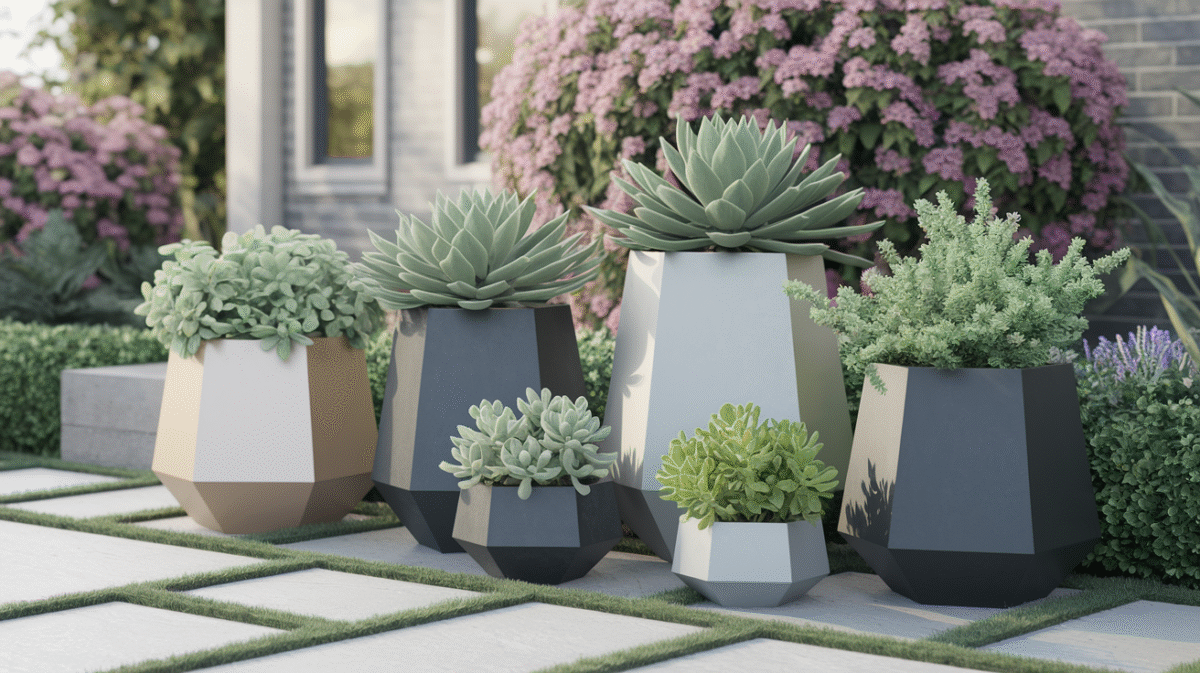
Hardy clay pots have given way to sleek forms and refined finishes, defining modern outdoor planters that withstand sun, wind, and rain. This outdoor planters collection emphasizes a slick aesthetic, marrying fashion and practicality for gardens, patios, and rooftops, while enhancing curb appeal and simplifying maintenance.
1. Clean Lines
Geometric shapes—cubes, cylinders, tapered rectangles—introduce all kinds of order and calm to outside spaces. Straight edges and crisp rims feel polished and modern, particularly against the stucco, concrete, or wood siding that graces many U.S. Homes.
Employ clean-lined planters to frame a path, anchor a deck corner, or flank a front door. Two matching tall rectangles, for instance, can make a powerful entrance.
Pair with architectural plants — agave, horsetail reed, boxwood spheres or feather reed grass — to mirror the planter’s form and maintain a cohesive silhouette. Cluster three or five pots with similar profiles but varying heights for a stratified, modern composition that reads deliberate, not cluttered.
2. Neutral Palette
White, charcoal, soft gray and taupe compliment the majority of plant palettes and go with many facades without competing. Neutrals provide a classic canvas that makes color pop—imagine coral geraniums, deep purple salvia, or chartreuse sweet potato vine.
Pair neutral vessels with bold blooms or foliage for balance. An elegant matte black trough with silver-blue succulents looks crisp, while a warm taupe bowl with jade-green philodendron feels calm.
Maintain a solid neutral set across porches, patios, and commercial entries to tie together the entire property. This anchors the setting and reduces visual clutter.
3. Innovative Materials
Fiberglass, corten steel, powder-coated aluminum, concrete and recycled plastics top the charts in the modern market. Unlike terra cotta or unglazed ceramic, they resist cracking, chip less, and perform better through freeze-thaw swings.
Lightweight fiberglass and recycled plastic come to the rescue on balconies, decks and rooftops where weight limits are suspect. Corten creates a stable rust-like patina that complements grasses and desert plants.
In diverse climates, such materials minimize maintenance and maximize longevity––supporting eco-friendly decisions and decreasing replacements. A number of the lines utilize recycled content, matching up well with green-minded aspirations.
4. Functional Form
Drainage holes and reinforced bottoms keep roots from sogginess and prolong plant life. False bottoms minimize soil volume in tall containers, reduce weight, and save potting mix.
Rectangle and tall planters serve as privacy or wind break dividers, sculpting outdoor rooms – no fence required. Others serve as benches or storage, useful on cramped patios.
Accessory pockets and irrigation inserts make care easy when your time is limited.
5. Minimalist Aesthetic
Sleek minimal planters maintain emphasis on plant form and texture. Avoid fancy rims and clunky patterns, and allow raw concrete, smooth fiberglass or weathered steel to peek through.
Symmetry—two matching planters flanking a grill station or stair—provides form. For punch, plant large, low-profile bowls with one species in mass — dwarf mondo grass or blue fescue, for example — to create cool, biophilic tableaux that flow inside-out while underscoring a tranquil modern vibe.
Material Matters Most
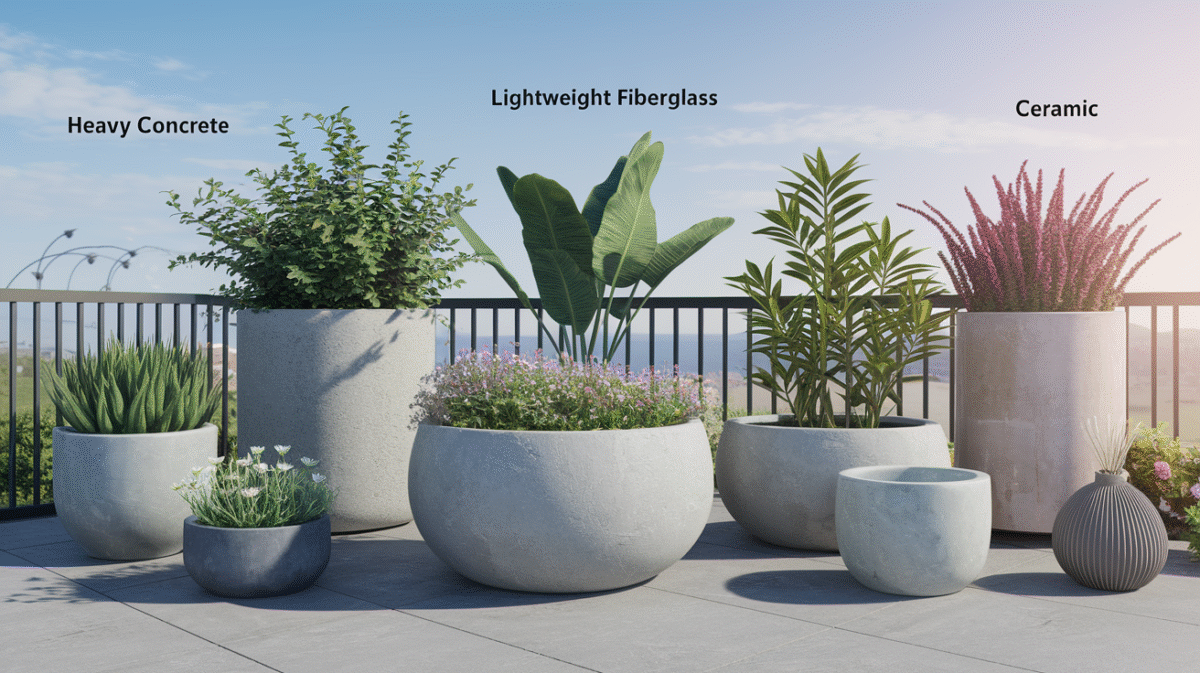
Planter material determines duration, maintenance and how containers fare against sun, wind & rain. In dry, sunny climes like SoCal, heat and UV roast weak finishes quickly. On the coast, salt air and moisture put seams and coatings to the test.
Match material to microclimate, plant size, and site: heavy concrete for windy rooftops, lightweight fiberglass for balconies, and UV-stable recycled plastics for high-use public spots. Good materials keep the roots safer, water usage steadier and style consistent for years.
Material | Pros | Cons | Best Use Cases |
|---|---|---|---|
Fiberglass | Light, strong, UV-stable; mimics stone/metal; low maintenance | Can cost more; cheap versions may fade | Balconies, patios, commercial entries |
Concrete | Ultra-stable; weatherproof; insulates roots | Very heavy; may stress decks; can stain if unsealed | Windy sites, large trees, statement pieces |
Metal (corten, etc.) | Modern look; durable; develops patina | Heats up; thin gauges warp; may need liners | Contemporary yards, sunny walls with root liner |
Recycled plastics | Eco-friendly; UV/moisture resistant; easy to clean | Lighter feel; quality varies | Community gardens, schools, rental properties |
Terracotta/Clay | Breathable; classic look | Porous; dries fast; can crack in freezes | Arid climates, herbs with careful watering |
Wood | Warm, natural; insulates roots | Needs sealing; rot risk; heavier when wet | Rustic decks, shaded patios with maintenance |
Fiberglass
Fiberglass planters remain lightweight — even at massive sizes — so a single individual can move them across patios, terraces, or pool surrounds. This comes in handy in LA apartments where floor plans shift or renters rotate frequently.
They don’t crack or fade or warp against fierce UV and Santa Ana winds. Quality gel coats deflect sun damage and retain color. With good drainage, they shrug off winter rains, as well.
They grace residential driveways and hotel courtyards alike, in matte, gloss and textured finishes. Other lines mimic stone, concrete or metal finishes – without the weight or heat gain. You have clean seams, tight corners and custom sizes that are on trend.
Concrete
Concrete provides unparalleled stability and won’t topple in wind, a major benefit for taller olives, citrus, or dwarf trees. It takes care of heat waves and cool nights and buffers root temps.
Anchor it at building entries or as an architectural edge along walkways. Design the site prior to delivery, weight can be more than safe on balconies or wood decks without reinforcement.
Metal
Corten steel, brushed aluminum, and stainless steel add a sleek, urban edge. Corten creates a stable rust layer, stainless remains crisp, aluminum lightens weight.
Metal heats up quickly in the summer. Thin walls in full sun can scorch roots. Introduce a plastic liner, rigid foam, or soil gap to reduce heat conduction, and opt for light soil mixes.
Recycled Plastics
Recycled plastic planters convert the trash into durable, UV-resistant, mold- and moisture-proof containers. They stand strong in school yards, community gardens and low maintenance coastal parks.
They arrive in all shapes and shades, from cube sets to elongated troughs, so you can effortlessly design defined sightlines and ADA-compliant pathways. The lightweight makes seasonal moves easier.
Choosing Your Perfect Planter
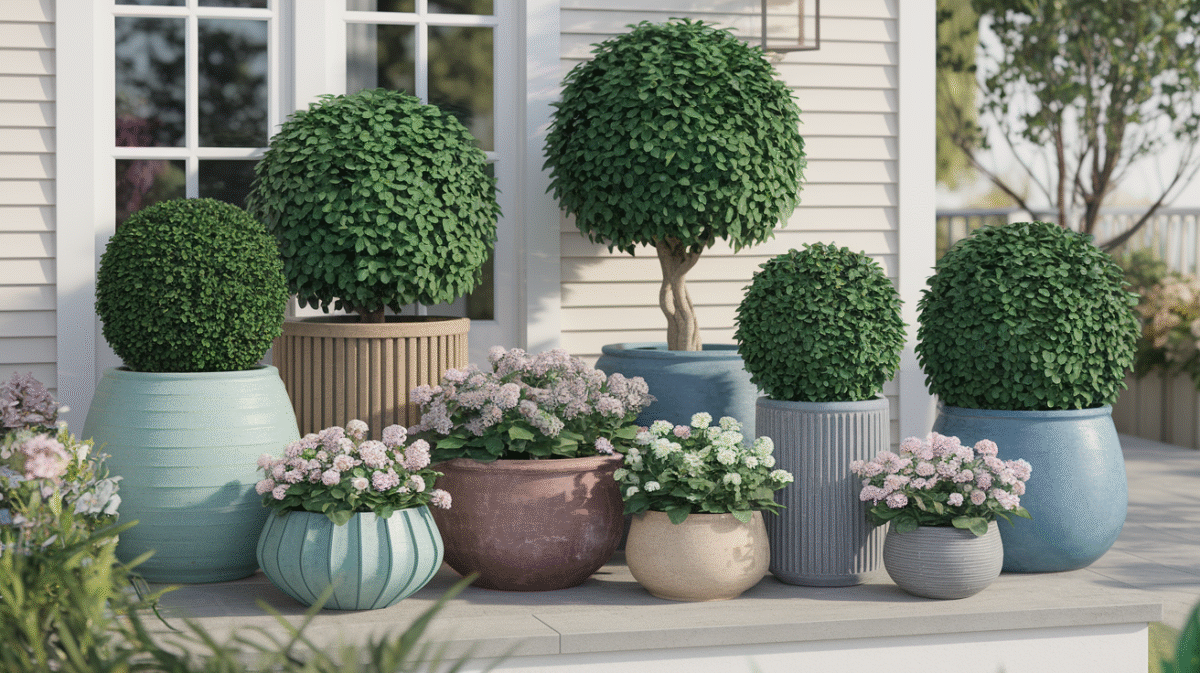
Begin by getting your space, plant requirements and design objectives on the same page. Match planter size and style to where it will live—front porch, sunny patio, shaded balcony or a high-traffic storefront. Think long term: the mature plant height, spread, and root depth matter more than the starter size.
Material and drainage are what drive plant health, so consider those alongside the aesthetic you desire, then choose from a variety of styles that balance form and function.
Scale and Proportion
Select cement planters that are right for the space and the plant. On expansive patios or grand entrances, a tall, wide planter will never get lost, and it can accommodate deep roots. On smaller balconies or window boxes, small pots prevent clutter and railings from becoming blocked.
As a general guideline, select a pot 2–4 inches larger in diameter than the plant’s root ball so it has space to expand without drowning in too much wet soil. Big formats fare nicely close to imposing entrances, driveways or exposed pool decks. Mini formats please – herbs by the grill, succulents on a bistro table or a narrow porch step.
Grouping does. Combine one tall statement planter with two medium mates and a low bowl to create layers, bring in depth, and establish a clean sightline.
Planter Size | Typical Diameter | Works Best For | Examples |
|---|---|---|---|
Small | 6–10 in. | Succulents, cacti, herbs | Aloe, thyme, mini jade |
Medium | 12–16 in. | Medium plants | Ferns, begonias, snake plant |
Large | 18+ in. | Big plants, small trees | Fiddle leaf fig, monstera, olive |
Color and Texture
Connect planter color to adjacent surfaces—stucco, brick, concrete or wood. A charcoal or sand hue sits beautifully against contemporary fronts, while warm terracotta coaxes drought-resistant gardens. Textures count. Matte reads sophisticated and low-glare, gloss pops in shadowy places, and ribbed or fluted surfaces add grip and shadow that make planters stand out without yelling.
Contrast is your friend. Deep graphite planters thrust light foliage ahead. White pots accentuate purple basil, red coleus or blue salvia. Experiment with bold tones in summer and quiet earth tones in winter to move the mood with the season.
You can rotate plant mixes–winter evergreens and pansies, spring bulbs, summer annuals–to keep themes fresh.
Placement and Purpose
Set planters with intent: frame the front door, anchor patio corners, or screen a neighbor’s window. Go for the symmetry of a pair at a business entrance, or a staggered trio to guide the eye down a path. Inspect drainage holes, preferably drilled approximately 1/2 inch from the bottom, and verify that the materials are capable of enduring heat, sun, and sudden cold without cracking.
- Porches: one tall flanker per side of the door for scale.
- Decks: low bowls at seating height, privacy screens tall.
- Garden corners: a grouped cluster to fill dead zones.
- Pathways: evenly spaced mediums to guide foot traffic.
- Pool edges: lightweight, UV-stable planters that won’t spall.
- Balconies: narrow troughs to save floor space, secured rails.
Material matters for durability. Powder-coated metal, high-density resin, and sealed concrete tackle weather shifts — terracotta requires sealing and feet to allow airflow. Always remember good drainage and saucers where necessary to protect surfaces.
Smart Planters, Smarter Gardens
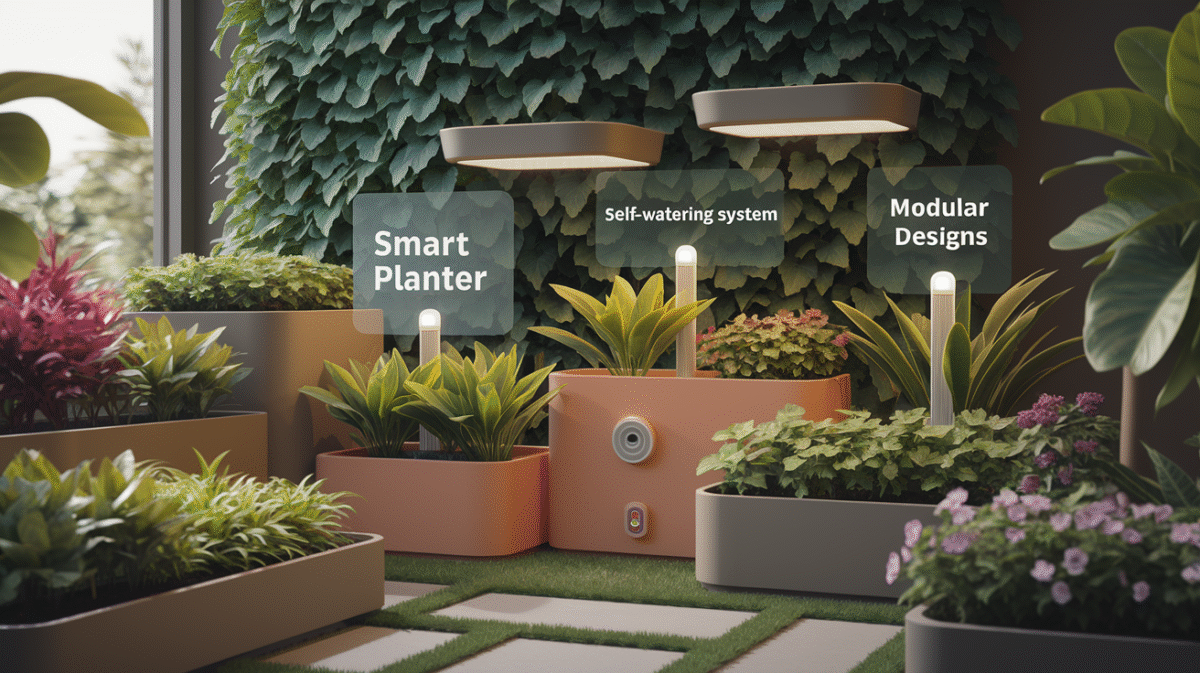
At its core are self-watering reservoirs, discreet sensors, and modular frames, making these outdoor planters an ideal choice for year-round growth in shifting U.S. climates—from arid Southern California patios to sticky Gulf balconies.
Self-Watering Systems
A self-watering planter utilizes a reservoir, wicking channels, and an overflow port to maintain soil at a consistent, uniform moisture. Roots take what they need, which reduces hand-watering and helps avoid drought stress and mushy soil.
As a general guideline, don’t let any plant sit in water for longer than 20 minutes – drain trays and inspect overflow holes after a heavy rain. These systems make for great vacation homes, offices and scorching hot dry areas like LA, Phoenix or Vegas, where watering during the middle of the day is wasteful.
A bigger reservoir buys you time through heat waves and hectic weeks. They’re suitable for lot of plants—basil and mint, petunias and geraniums, snake plant and philodendron—but each requires a drainage-friendly soil blend.
Try new self-watering pots for a couple weeks to see if wicking works with your potting blend. Not all designs are equal and some plastic film liners tear early and fail.
- For herbs: rectangular reservoirs with capillary mats, 18–24 inches long.
- For flowers: tall columnar planters that add height to mixed displays.
- For foliage: deep, 14–20 inch round pots with overflow ports.
- For balconies: lightweight resin with side-fill spouts and water gauges.
Integrated Lighting
LED strips or spot modules in the planters illuminate paths, steps and drive edges and help to anchor plant displays. The glow enhances after-dark wayfinding and minimizes trip hazards on patios, pool decks and entry landings without the clutter of separate fixtures.
Use warm white (2700–3000K) to flatter blooms and foliage, or neutral white (3500–4000K) to read textures on succulents and grasses. Target fixtures up to highlight colorful annuals, or downlight edges around stairs for more secure footing.
Opt for energy-efficient LEDs, low-voltage transformers and dusk-to-dawn sensors to maintain low power use and minimal upkeep.
Modular Designs
Modular planters allow you to construct and reconstruct designs—linear stretches beside a fence, L-shapes on a terrace boundary, or tiered steps. Swapping pieces is helpful as plants mature, sun moves, or requirements vary.
In crowded city lots, roofs and storefronts, modules take care of regular re-sets for functions or seasonal color. They can stack into vertical gardens, connect into privacy screens, or act as space dividers for outdoor seating.
Modules become weighty when saturated with components — think plan weight in advance, use casters or furniture dollies, and have drainage channels well-cleared. Heavy-duty, reusable units last multiple seasons and amortize the up-front cost of big pieces, which typically cost more than tiny “adorable” pots.
- GRID-style aluminum sets: powder-coated panels, clip-in trellises, swap-ready corners.
- Resin block systems: light, UV-stable, hidden wheels, overflow channels.
- Wood-aluminum hybrids: warm face panels, internal liners, repairable parts.
Year-Round Planter Care
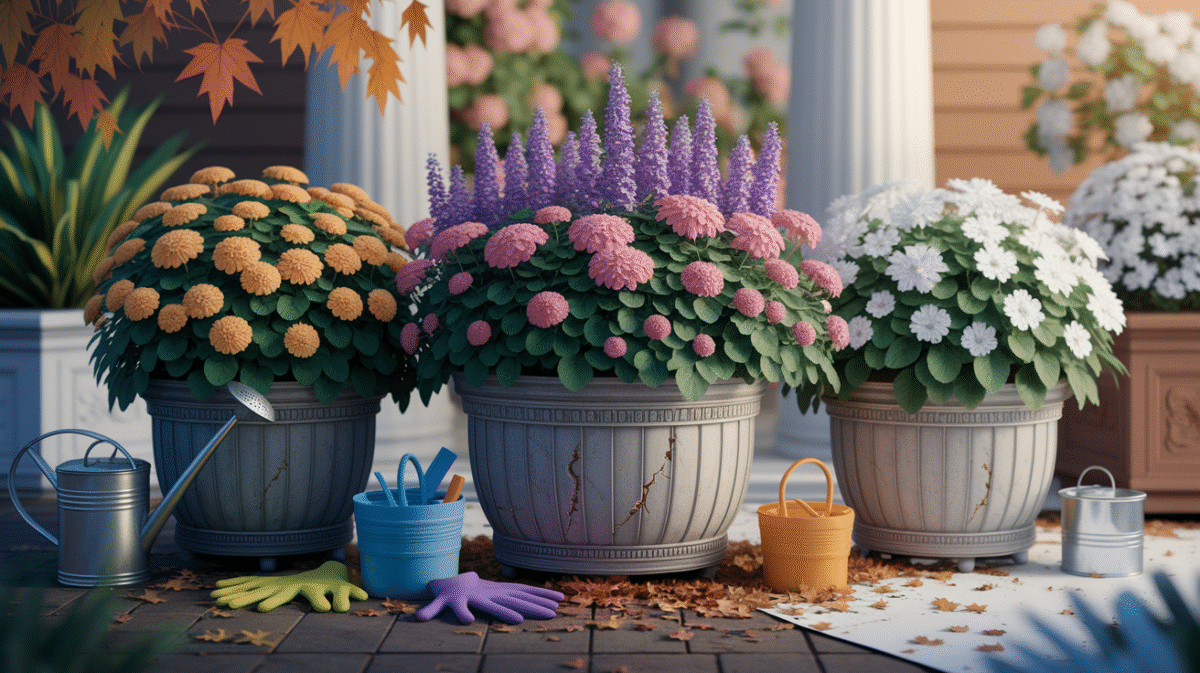
Routine care keeps contemporary outdoor planters fresh, durable, and handsome in the heat, wind, and cold. Smart watering and soil refreshes are excellent choices to extend planter life and protect outdoor plants year-round.
Seasonal Prep
Change your outdoor planters with the calendar to maintain color and structure in your garden. Get cool-season selections such as pansies, kale, and dwarf conifers from fall to spring. In late spring, exchange them for heat-tough options like succulents, lantana, and dwarf citrus. Renew the top 2–4″ of soil with each switch, and perform a complete soil swap once annually to minimize salt and disease accumulation.
Bigger outdoor planter boxes assist most plants in winter because the extra soil protects the roots from harsh elements. Prepare for cold snaps by relocating your planters to a porch, garage, or south wall ahead of a freeze. If moving them isn’t an option, consider insulating your planters with bubble wrap or foam and layering burlap outside for UV cover.
Plants in larger planters survive better but still require assistance. Mulch is essential in both heat and cold. A 1–2′ layer of shredded bark or gravel retains moisture, regulates soil temperatures, and reduces watering requirements, ensuring your outdoor plants thrive.
Yearly Checklist
For your yearly checklist, consider incorporating outdoor planters to enhance your outdoor spaces. Selecting the right outdoor planter can significantly impact the aesthetics of your environment, particularly in urban settings like Manhattan. Explore the wide range of options available in the Manhattan collections, which include both modern planters and traditional terra cotta styles, to find the ideal choice for your greenery.
- Spring: Replace soil, check drainage, feed with slow-release fertilizer, repot root-bound plants.
- Summer: Water early, add shade cloth in heat waves, watch for stress.
- Fall: Cut back, switch to cool-season plants, start frost prep.
- Winter: Water once or twice a month, avoid excess water, insulate or move pots.
Cleaning Routines
When maintaining your outdoor planters, it’s essential to dump old soil in yard waste, not in garden beds if plants were sick. After brushing off loose debris, scrub the planters inside and out with warm water and a stiff brush. For disinfecting, a solution of 1:9 bleach and water works well—just rinse thoroughly and dry in the sun.
To match the cleaner to the material, use mild dish soap for concrete and stone, avoiding acids that etch. For fiberglass outdoor planters, opt for non-abrasive soap with a soft sponge. Powder-coated metal should be cleaned with water and mild soap, ensuring it’s dried to prevent rusting at seams.
Establishing a cleaning cadence at every season’s beginning or between plantings is crucial. Short cleaning sessions help keep stains manageable. Always examine the drainage holes; unclog them with a chopstick and cover with mesh to retain soil while allowing water to flow out, ensuring the durability of your outdoor planter collection.
Damage Repair
Check for hairline cracks, chips, flaking finish or rust spots following storms and heat waves. Little problems become big problems very quickly with freeze–thaw cycles.
Apply material-specific solutions. Fiberglass: epoxy patch, sand, touch-up gelcoat. Concrete: concrete patch or hydraulic cement, then a breathable sealer. Metal: sand rust to bare metal, apply rust converter, prime, repaint.
Strengthen flimsy rims with epoxy or add interior braces on big planters. Swap out broken feet or casters to maintain even drainage and avoid pooling that induces root rot.
Record dates, repairs, and notes for each planter. Monitor what persists and what breaks early.
Elevating Your Outdoor Space
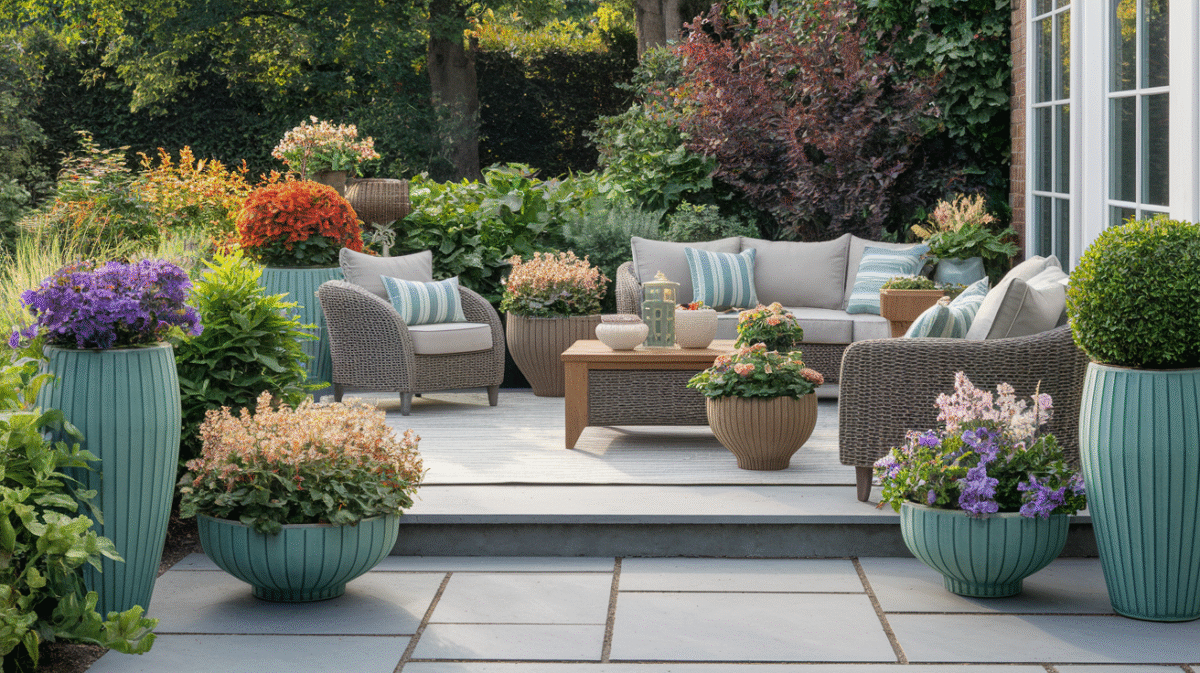
Careful planter choice defines a space’s vibe, movement and finish. Clean lines and simple forms add calm and textured finishes and layered heights bring depth. Planters add color, scale and structure where hardscape flounders.
Coordinate materials to the site—sun, wind, water, and foot traffic—and utilize positioning to direct flow, frame perspectives, and construct seclusion.
Front of House
Anchor the entry and increase curb appeal with a pair of statement planters at the door. Coordinating pairs in fiber cement, powder‑coated aluminum, or high‑density resin resist sun and everyday wear, and look neat from the road.
Biophilic textures—stone-look composite or ribbed finishes—soften façades and connect to adjacent beds. Go symmetrical for a formal look: twin 20–24 inch square planters with evergreen topiaries or upright grasses, underplanted with trailing ivy.
Trade in seasonal color—tulips in spring, petunias in summer, mums in fall, dwarf conifers in winter—to maintain interest 365 days a year. For really hot zones, pick light colors to reduce heat gain.
In cold snaps, get pot feet and wrap with burlap to help prevent cracking. When winters go below freezing, large planters require drainage, breathable soil and occasionally insulation around liners.
Spot clean finishes, refresh mulch and inspect for hairline fractures each season.
Patio and Deck
Combine sizes and shapes to delineate use areas without creating new walls. A group of three—one high cylinder, one mid-cubes, one low bowl—sets a lounge nook; echo colors to keep it serene.
Minimalist, matte planters provide a tranquil, contemporary foundation for herbs, sages or dwarf olives. Tall or trough planters function as windbreaks along railings and privacy between seating and your neighbors’ view.
Plant bamboo substitutes such as clumping fargesia, podocarpus or columnar juniper and keep it tidy! Select lightweight resin or fiberglass on top decks for simple swaps and seasonal edits.
Tie finishes to furniture and cushions—charcoal planters with black frames, warm taupe with teak—to create a cohesive story across the deck. Coordinate with sustainable trends: use self-watering inserts to cut water use, choose recycled composites, and add pollinator sets—salvia, lantana, and yarrow—for function and color.
Commercial Settings
Showcasing our large, durable planters, they set edges, guide foot traffic and soften façades at hotels, restaurants and office plazas. They act as natural borders where posts appear brusque and can define outdoor dining while maintaining ADA routes open.
Request vandal‑resistant, low‑maintenance materials such as GFRC, marine‑grade aluminum, or UV‑stable resin with reinforced rims. Irregular layouts eliminate clutter—blend in drip lines and overflows for uniform watering.
Match form & finish to brand & architecture. A tech campus could combine matte graphite rectangles with grasses for a neat, minimalist feel. If you’re a boutique hotel, you can choose stone‑look ovals with native perennials for a tranquil biophilic vibe.
In cold markets, throw in liners and winter wraps; in heat, upsized volumes offset root stress. Clean, inspect and replant on a schedule to safeguard plants and planters.
Conclusion
Modern outdoor planters keep yards and patios fresh, easy and low stress. Minimalist shapes snug LA balconies and spacious SoCal decks. Light pots make it easy to lift and move. Tough blends such as fiber cement and resin withstand sun and dry heat. Smart pots track soil, water. Keeping plants healthy with less guesswork.
For a genuine boost, pair planter size with root requirements, introduce drainage and utilize a quick-drain mix. Go for a tall matte black pot with snake plant by the door. Line a sunny wall with long boxes of rosemary and basil. Drop citrus too in a large round by the grill.
Prepared to craft your space? Select a location, select a planter, and begin today.
Frequently Asked Questions
What makes an outdoor planter “modern”?
Modern planters, characterized by clean lines and simple shapes, are an ideal choice for outdoor spaces. Utilizing durable materials like fiberstone and high-density resin, these outdoor planters enhance contemporary aesthetics and complement the design needs of urban environments.
Which planter materials hold up best in Los Angeles?
Fiber cement, fiberglass materials, and powder-coated aluminum hold up beautifully in the sun and in mild winters, making them ideal choices for outdoor planters. They resist UV fading, don’t crack easily, and are lighter than concrete, enhancing the aesthetics of outdoor spaces.
How do I choose the right planter size for my plant?
When selecting outdoor planters, coordinate the planter width to the plant’s mature root ball. Most shrubs need 16–20″ wide, while small trees require 20–24″. Ensure 10–12 inches for herbs, 12–18 inches for veggies, and 18+ for trees, emphasizing the importance of drainage for outdoor use.
Are self-watering planters worth it in a dry climate?
Yes. An underground reservoir minimizes watering and balances moisture during LA heat waves, making it an ideal choice for outdoor planters. Choose ones with overflow valves and wicks to enhance outdoor design.
What smart planter features actually help?
Soil moisture sensors, slow-drip irrigation, and app timers save water and time for outdoor planters. Weave in UV-resistant plastics and weatherproof hubs that last outdoors, making them an ideal choice for modern planter designs.
How do I prevent planters from overheating in full sun?
Select light colors and consider using outdoor planters made from double-walled or insulated materials. Cluster modern planters to create shaded areas and enhance outdoor spaces with greenery.
What’s the best year-round care routine?
Seasonally clean outdoor planters, add fresh topsoil, and ensure drainage holes. Fertilize in spring, mulch in summer, prune in fall, and protect roots during rare cold snaps for optimal outdoor plant health.
5 thoughts on “Modern Outdoor Planters | Durable Materials, Sizes & Styles”