

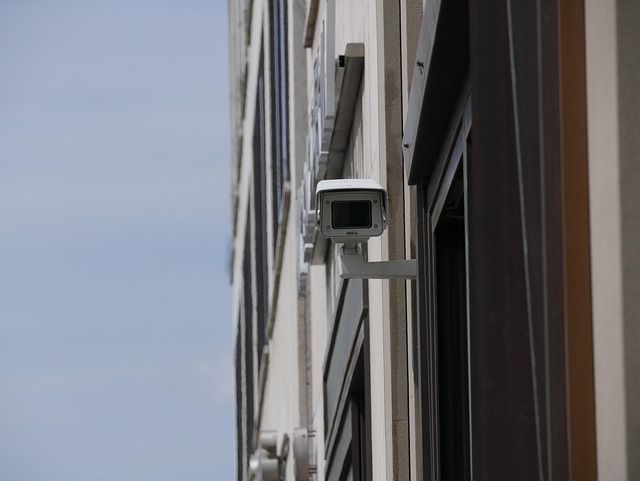
Wireless cctv cameras with night vision deliver crisp 1080p video to your phone in darkness up to 30 ft. They operate over 2.4 GHz Wi-Fi and connect into any 110 V socket.
These cameras record clips on a 128 GB micro-SD or the cloud, require no drill holes, and operate from -4 °F to 122 °F. Following are top models, install tips and how LA renters keep code-clear.
Why Night Vision Matters
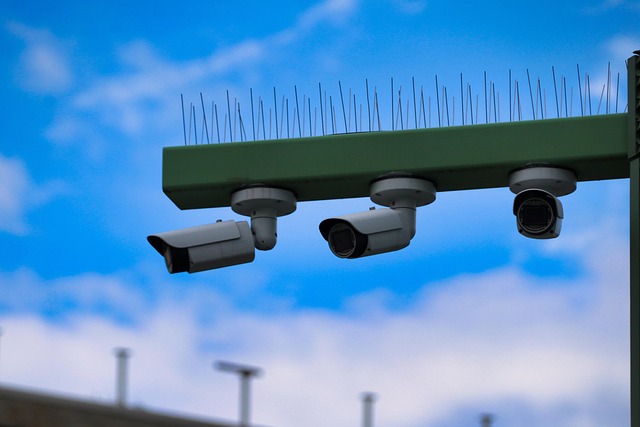
The majority of break-ins in this country occur during the hours of 10pm to 3am – when porch lights are off and neighbors have dozed off. Unlit yards are 2.5x more likely to be hit, per 2022 LAPD stats. Wireless CCTV cameras with night vision flip that danger by detecting motion on the driveway, back door or side gate prior to glass breaking.
Crisp 1080p clips filmed at 2 a.m. Give cops faces, shoes and plate digits that daylight cams miss and plenty of insurers knock 5-10% off their premiums when you provide that footage.
Infrared Technology
Broadband infrared LEDs activate at 0 lux, illuminating the scene in black-and-white as far as 100 ft, without alerting the intruder. Newer cams conceal the old red glow, so the lens appears lifeless while it films.
Count the LEDs on the spec sheet: six tiny bulbs reach 30 ft, twenty-four strong ones hit the full 100 ft and still sip less power than a porch bulb. No additional light required, which keeps the summer electric bill tame.
Color Night Vision
Color night vision requires just a sliver of light—porch bulb, street lamp—to maintain shirts, cars and hair color legible. That hue information transforms “dark hoodie” into “red Cardinals baseball cap,” a descriptor officers can query in a report.
Top picks right now:
- Reolink Argus 3 Pro – 2K, dual spotlight, wire-free
- Arlo Pro 4 – 2K HDR, auto color on motion
- Ring Spotlight Cam Plus – 1080p, LED bar, Alexa tie-in
Tap any of these within 25 ft of ambient light for full palette. Deep backyard corners still switch format to IR black-and-white.
Sensor Impact
A larger sensor captures more photons. Step up from the typical 1/3″ to 1/2.8″ and night video loses the sandy grain that smears faces.
Add to that a minimum of 2MP for crisp 1080p or 4MP for crisp 2K plates. Starlight sensors take it a step beyond, operating in 0.001 lux moonlight and retaining detail when headlights splay across the driveway.
Look at the spec sheet for sensor size first, LED count second.
Choosing Your Wireless CCTV Camera
Start with a quick checklist: 1080p or better, 25 ft night vision, six-month battery, IP65 shell, storage you can live with, and phone alerts that actually help.
Try the Wi-Fi speed exactly where you’ll mount — if the phone dips below two bars, opt for a cam that uses a hub or add a $30 extender. Set a max price upfront—say $120 per cam—then filter for color night vision or solar panel add-ons so you don’t fall for bells you won’t use.
1. Video Clarity
1080p is the floor – anything lower transforms faces into Lego blocks as soon as the IR kicks on. If you want to identify a license plate at the end of your 25 ft driveway, step up to 2K or even 3K devices like the Reolink Argus 3 Ultra.
The Arlo Pro 5S keeps plates sharp when you pinch-zoom a night clip with its full sensor read-out and 12× digital zoom that doesn’t smear pixels. Forget those bargain 720p outdoor bundles, they save $20 at the outset but deliver spectral footage that the courts won’t touch.
2. Power Source
Solar panels the size of a paperback can keep a cam running on two hours of California sun, convenient when the attic’s outlet-less! Rechargeable units like the Zeeporte or Arlo Pro 5S last three to eight months per charge—summer shorts that to three if night vision warms up every five minutes.
Wired floodlight cams never rest, but you’ll require an outdoor box or POE injector and potentially an electrician. Tip: aim the panel due south at 30° so winter sun still tops up the battery and night vision stays bright.
3. Data Storage
Local storage on microSD up to 128 GB means zero fees and clips keep rolling when Comcast goes out at 2 a.m. Just pull the card and pass it to LAPD.
Cloud plans begin around $3 a month per cam–Ring Protect, Arlo Secure, Blink Plus–yet five cams equals a new router every year. Certain brands provide free 24-hour rolling cloud clips, which is sufficient for many LA townhomes to capture porch pirates without having to open their wallet.
4. Smart Detection
AI person detection searches for that shoulders-and-head shape, slicing out alert from cats and queen palm fronds. Lorex and Eufy cams ‘tag’ cars and packages as well, so your phone only buzzes for actual threats, not every Honda on Balboa Blvd.
Draw a box around your picket fence walk in the app – street traffic remain oblivious and you catch a good rest. With pan-tilt cams, it can actually auto-track a prowler from gate to door, giving one camera the work of two fixed units.
5. Weatherproofing
IP65 means dust-tight and able to shake off a hose-down. IP66 tacks on boat-deck water jets—both standard fare for Valley scorchers or Pacific fog.
Check for rubber gaskets over the USB port. Salt air devours bare metal and fogs the IR LEDs in months. Cold-rated cells perish rapidly beneath –4 °F, so mountain cabins should opt for –20 °C rated packs.
Even in Burbank, hang it up under the eave. Shade keeps lens temps down and adds another month to battery life every summer.
Optimizing Night Vision Performance
Clean the lens and the ring of IR LEDs once a month–a thin layer of LA basin dust can cut reach by half. Flash new firmware when the app nags—each patch tweaks the low-light calculus. Reboot the cam every Sunday night, cached frames stack up and blur edges.
Shut off the status LED in settings so that little dot doesn’t reflect back off the window glass.
Strategic Placement
Mount eight to ten feet high: high enough that a porch chair can’t give a boost, low enough to grab clear face shots under a ball cap. Tilt your body down ten degrees, rain runs off and fog beads on the ground instead of fogging up the lens.
Begin with three locations — front door, back slider, driveway gate — then supplement with side paths until the yard becomes a closed circuit. Place each lens 15 feet from bright sconces, a 60-watt bulb washes out the sensor and night vision diminishes to 20 feet.
Environmental Factors
Snow or dense coastal fog diffuses IR light and reduces range by 30%—guess 30 feet instead of 50. White stucco or slick SUV can shoot the beams back to the lens – twist the mount ten degrees left or right until glare’s gone!
Bushes that whip in Santa Ana winds clog the SD card with junk clips and suck the battery – trim them at least two feet back. Spiders adore warm cameras, a single web across the dome triggers alarms all night long. Give the housing a quick once-over with a can of bug spray every three months.
Network Stability
Night clips stall when WiFi falls below -65 dBm, so throw an extender in the hallway or a mesh node in the garage. Bonus: assign outdoor cams their own 2.4 GHz SSID – that band cuts through stucco and palm trunks better than 5 GHz.
Run a speed test at midnight: count two Mbps upload per 1080p stream, four Mbps for 2K, or clips smear.
Steps to lock the link:
Park the router in a central room, not back closet.
Update firmware on both cam and router.
Set QoS to prioritize camera MAC addresses.
Test RSSI at install spot. Move node closer if under –65 dBm.
Beyond the Spec Sheet
Spare me the glamour shots on the box. Scroll Reddit r/homesecurity and watch a porch clip shot at 2am before you hand over cash. Promo shots keep sharp guys twenty-five feet away. Actual photos frequently mess up at twenty.
Unbox the cam the first week, try it at night, save the receipt. Some brands cap bit-rate after dark, so even “2K” footage looks like oil paint. Firmware can break just as much as it fixes. Pick that push patches every few weeks.
The Subscription Reality
Five cloud cams at $3 each is $180 a year. Without the plan, the majority drop smart alerts and drop thirty-second dumb clips days apart. Eufy SoloCam S340 and GENBOLT keep AI free by writing to SD or base, no cloud necessary.
Cancel, and downloads expire at cycle end–catch them before your bill date.
Privacy Considerations
Draw a privacy box over the neighbor’s window in the app–keeps you legal and keeps peace on the block. HomeKit Secure Video or a local NVR keeps clips off the vendor’s hard drive. Change the default password and enable two-factor.
Half the creeps on Shodan still type in ‘admin 1234.’ Indoor cam. Put it on a shutter schedule so it gawks at the wall when you’re in!
Real-World Durability
Arlo Pro 5S users in Minnesota report the battery dropping twenty% faster once temps hit single digits, so expect to schedule an additional charge per month in the winter. Plastic mounts go chalky and crack in the SoCal UV, buy the extra ten bucks for metal.
Two year beats one—generally means the manufacturer believes in the gasket. Twist the back cover off twice a year. A hairline split in the O-ring lets mist fog the lens and kill night vision forever.
Comparing Top Technologies
A quick glance at some top-day-specs underscores how far night-vision has leapt beyond its grainy, green-glow past. Starlight sensors now draw pale color from city street light, as dual-lens rigs flip to monochrome IR when the yard falls dark. Our table below trades blows five U.S. Sellers head-to-head so you can compare pixels, range and run time without schlepping through ten tabs.
Camera | Resolution | Night Vision | Battery Life | Storage | Price |
|---|---|---|---|---|---|
Arlo Pro 4 | 2K HDR | IR + color toggle | 6 mo | Cloud, microSD | $199 |
Ring Stick Up | 1080p | IR only | 3 mo | Cloud only | $99 |
Reolink Argus 3 Ultra | 4K | Starlight color | 4 mo | microSD, optional cloud | $149 |
Lorex 4K Dual | 4K HDR | IR + color modes | Wired POE | 1 TB NVR | $179 |
EufyCam 2C Pro | 2K | IR + color modes | 6 mo | HomeBase 16 GB | $139 |
Hybrid models—Lorex and Eufy—allow you to select IR or full-color in the app by scene. Starlight chips best standard IR, but only when the feed is 2 K or higher–drop to 1080p and the advantage washes out.
Local vs. Cloud
Popping a 128 GB microSD in the cam costs zilch per month and keeps clips on-site, but a thief armed with a step-ladder can nab both camera and card. Cloud vaults the footage off-site even if the mount is smashed, but most brands charge $3–$10 a month per camera and it chews through at least 2 Mbps upstream all night.
The safer bet is a cam that records to SD initially, then syncs to optional cloud hourly–you get backup copies without mandatory charges. Encrypt the card so a stolen device spews nonsense when connected into any laptop.
Battery vs. Wired
Battery cams shoot up in ten minutes with no drill bit near drywall, but a cold January night can shave run time by 30 percent and you’ll ascend again with a USB-C cord. Wired units capture 24/7, but require an outdoor outlet or a POE cable run through attic insulation.
In sunbelt states a $39 solar panel keeps the battery line topped off year-round – one panel pays for itself in three avoided climbs. For most homes the sweet spot is hybrid: wire the front-door cam for nonstop capture, then drop battery units on far gates where trenching is a pain.
DIY vs. Pro
DIY kits require a drill, ladder and the phone app. Majority of clips install on vinyl siding in less than 30 mins. A pro tacks on $100–$200 per camera, hides the cable, points the lens away from the neighbor’s window, and syncs everything to a secured NVR.
The mount plate is sometimes custom, so future moves require calling the tech back. Renters, stick with sticky-mount indoor cams — peel and pack when the lease is up.
Our Best Budget Recommendations
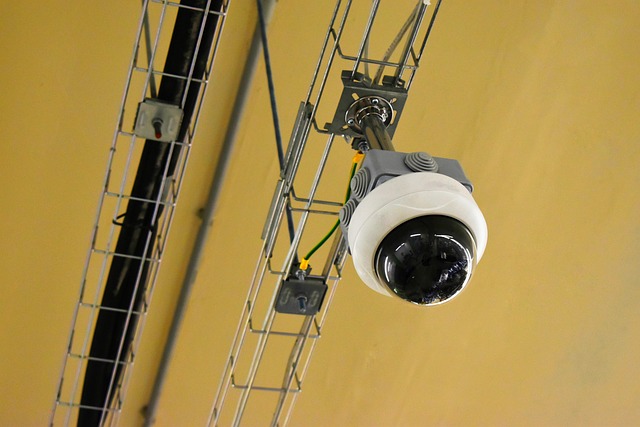
The Crown Blink Outdoor 4 remains under $110 but offers 1080p resolution, two years of AA battery life and genuine IR night vision up to 30 feet. You capture to the free Sync Module 2 and an inexpensive USB stick—no subscription required. Clips remain local, so a flaky Wi-Fi month in an L.A. Apartment doesn’t erase proof.
The mount twists 90°, convenient for a stucco overhang or the skinny railing of a Venice duplex.
GENBOLT’s 1080p cam runs just under $70 on Amazon US and continues to ship with AI human detection. It will ping only when someone crosses the 130° view, not every palm frond. A slot conceals a 128 GB microSD card (roughly $12) so you can bypass cloud charges.
The IP66 shell scoffs at Santa Ana dust and January drizzle, and the six IR LEDs craft a crisp B/W image to 25 ft even when alley lights fail. Two-way talk is integrated. Instruct the delivery guy to leave the box behind the planter.
Need some color after dark? The Tapo C310 combines a 1080p sensor with twin white LEDs, so faces appear in full color up to 30 ft without having to wire a spotlight. It screws into any outdoor junction box, draws 8 W, and dispatches free notifications via the same Tapo app that operates their smart plugs.
A microSD stores three days of loops; want more, a one-time $24 purchase nets the indoor hub that keeps it all local.
Old stock EufyCam 2C Pro bundles mark down to $115 in Best Buy clearance. You receive 2K video, a half-year internal cell and an add-on solar panel that extends run time during July heat waves. HomeBase 2 continues to keep clips encrypted within the home, no cloud required.
The starlight sensor falls to 0.1 lux before it toggles to IR, so a driveway illuminated solely by porch bulbs still captures license plates in color.
Any of these four kits costs less than one year of name-brand cloud plans, yet each one meets the basic rule: clear night face, simple install, no surprise bill.
Conclusion
An open yard, a silent block and a night vision camera tamp down most concerns. Just select the model tailored to your porch, adjust the angle, and replace the SD card annually. That’s the entire work. Records on your phone. Cops get a clear recording in case they want it. You snooze, the cam stays up. Pick one up tonight, plug it in before bed and check the live view with your morning coffee.
Frequently Asked Questions
How far can a wireless CCTV camera see at night in L.A.?
Most night vision security cameras can clearly view 25-30 ft on a standard L.A. driveway, while top-of-the-line models can reach up to 100 ft when the infrared night vision LEDs align with the lens’ angle.
Does L.A. smog hurt night-vision range?
Smog scatters infrared light, so anticipate 10-15% shorter night vision range on hazy days. Wipe the dome weekly to maintain video quality.
Can I use any Wi-Fi for these cameras?
They need 2.4 GHz for range, while advanced night vision security cameras or outdoor security cameras may benefit from a stronger connection. XFi pods, or mesh routers, maintain a strong connection throughout a Spanish-style stucco home.
Do I need permits for outdoor night-vision cameras in California?
No city permit is required for single-family homes; however, ensure that your security cameras, particularly night vision security cameras, are aimed solely at your property.
What storage works best for night recordings?
A 128 GB microSD can store about two weeks of 1080p video footage from night vision security cameras. If you prefer off-site backup, cloud plans start at $3/month per camera.
Will bright porch lights blur night vision?
Excess light activates color mode and adds glare, which can impact the video quality of night vision security cameras. Keep porch LED’s under 40W or opt for warm 2700K bulbs to even out the image.
One thought on “Wireless CCTV Cameras with Night Vision”