

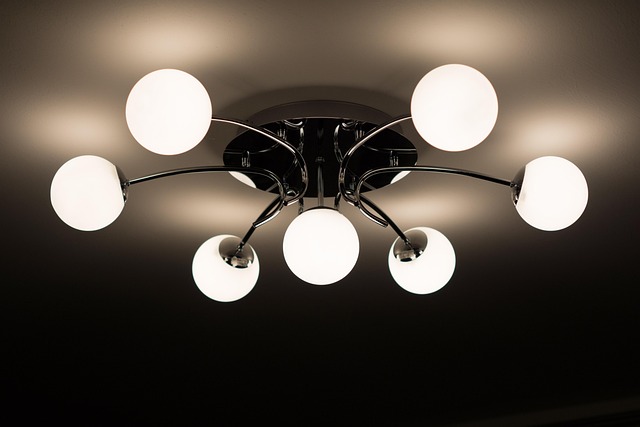
Linear light ceiling fixtures are long, slender LED strips that either mount flush or hang from a ceiling to provide even illumination throughout kitchens, offices and garages in the US.
Available in 2-ft to 8-ft lengths, they draw 20-50 watts and connect end-to-end so one wall switch controls a whole row.
Read on for sizing, wiring and color temp tips that play nice with standard 120-volt home circuits.
What Are Linear Light Fixtures?
Linear fixtures are slender, extended LED enclosures that distribute light uniformly on ceilings. They come in stock sizes:
- 2 ft, 4 ft, 8 ft lengths
- 1 in, 2 in, 3 in widths
‘Linear’ refers to the uninterrupted line of LEDs inside, not the external profile. One 8-foot run can replace a set of cumbersome 2×4 ft fluorescent troffers and keep the ceiling looking open.
Defining The Form
The body is a linear aluminum extrusion which conceals the LED strip and driver. Order 90°, 120° or a gentle micro-curve to hug a sloped ceiling. Black or white end caps snap on so no wires peak out.
At 1,100 lumens/ft, the profile remains visually light.
Surface Mount
Install the fixture directly on drywall, plaster or wood with screw-slot brackets. Flush the lens to the ceiling for a crisp line. On long runs, leave a ½-inch air gap so heat can drift away.
Select surface mount when the ceiling void is too shallow for a can. Recessed requires a 2 inch housing. Surface provides that same light without the headache.
Recessed Mount
Cut a straight raceway in drywall or a grid ceiling and drop the lens flush with the surface. Flangeless trims allow plaster to blend into the fixture for a streamlined appearance.
About 2–3 inches of plenum is needed for the driver and quick-disconnect whip. Recessed runs kill glare in low-height condos along the L.A. Miracle Mile.
Suspended Mount
Hang the bar on 1⁄16-inch aircraft cables or slim downrods from concrete or bar-grid. Height pivots from 12 to 48 inches to avoid duct work and incorporate a second light layer.
Cable systems quickly adapt on uneven warehouse ceilings in the Arts District. As the fixture becomes a luminous sculpture over a communal table.
Stretch Ceiling Integration
Install LED strips in a perimeter aluminum track beneath a 0.18mm translucent PVC membrane. The face illuminates like a paper lantern – without hot spots.
Make sure light transmission is 65% or higher. Park the driver outside the membrane so techs can get to it afterward without having to cut the film.
Why Choose Linear Lighting?
Linear lighting fixtures provide ceilings with a fresh graphic punch that those stale old round cans or panels cannot touch. A 1.5-inch aluminum channel pulls a laser-straight line from the dining table to the patio door, elongating an 8-foot ceiling. Designers snake the same channel directly over drywall beams, transforming mundane seams into luminous lines that resemble integrated artwork, showcasing the beauty of designer lighting.
Architectural Impact
When you suspend a 60-foot run over a loft hallway, the eye tracks the beam to the distant wall, elongating the space like a zoom lens. Matte-white housings disappear against white ceiling paint, so only the glow shows; pair that with a Barrisol membrane and the plane seems to float, no fasteners ruining the illusion.
Want color veracity? Use 90 CRI LEDs – sage walls remain sage, not washed-out mint.
Task Functionality
Short: A chef in Brentwood swapped two pendants for a 48-inch linear over her island. She now reads 720 lux on the board, enough to distinguish thyme from oregano at midnight.
Longer: Micro-prismatic lenses hide the diode dots. No glare bounces back in her laptop cam when she Zoom-cooks. Parallel layout keeps your hands shadow-free while chopping.
Short again: A 0–10 V dimmer drops output for late-night cereal runs.
Energy Efficiency
Fixtures reaching 130 lm/W leaving 32 W T8s in the dust. Heat sinks only ¾-inch thick draw heat away, so lumens remain above 90% at 30,000 h.
Install a daylight sensor and rows dim when the Santa Ana sun sweats through clerestory glass. Utility checks from LADWP show real savings:
Type | Watts/ft | Annual kWh (8 h/day) | Cost @18¢/kWh |
|---|---|---|---|
2-lamp T8 | 32 W | 93.4 kWh | $16.81 |
High-efficacy LED linear | 16 W | 46.7 kWh | $8.41 |
| Savings | — | 50% | $8.40 per ft annually |
One short close: Over a 200-ft office grid that’s $1,680 back every January.
Selecting The Right Fixture
Pick the perfect fixture for your space. A 4 ft T-bar grid requires a 46-in. fixture, not 48 in., ensuring that the housing lands inside the flange and the lens rests flush with the tile face. For those using linear lighting fixtures, if your ceiling is sheetrock, snap a chalk line at 24 in. on center and order bars in 2 ft increments. A 9 ft wide hall gets two 4-footers and one 2-footer, with no field cuts needed.
Measure the run in inches.
Divide by the module (24 or 48).
Round down and fill the void with a factory-cut filler rather than a ladder saw.
Scale And Proportion
A 36 in. Wide condo hall requires only a 1-in. Slim bar every 24 in. Anything wider is like an airport taxi line. In a double-height downtown lobby, don’t be shy — step up to a 6-in. Housing so the fixture doesn’t vanish against the wall height.
Over the kitchen island, maintain the bottom of the linear pendant 32 in. Above the counter—low enough for task light, high enough for line of sight when you mince veggies. Runs over 20 ft begin to resemble a runway – throw in a 2-in. Matte-black spacer every 8 ft and the eye sees two nice calm pools, rather than one endless strip.
Light Output
A 4 ft bar that pumps 4000 lm is plenty for a 9 ft ceiling, go hotter and you’ll glare off phone screens. Choose 120° for balanced wall wash, 30° if you wish to graze brick.
For long runs, 24 V tape maintains brightness more consistently than 12 V after the 20 ft mark—one driver will feed twenty feet without the final foot dimming.
Color Temperature
Cafes achieve cozy ambiance with linear lighting fixtures at 3000 K, while tech offices thrive with linear lighting at 3500 K. Anything above 4000 K can turn a cavernous bedroom ceiling into a test room. Always request CRI 90 samples and place them on your oak floor before committing, as bargain LEDs can make walnut look like cardboard.
Smart Controls
Couple each bar with a 0-10 V driver and it will dim to 1 % flicker free on Lutron switches. Retrofit condos love Casambi nodes—no new wires, just stick the coin-size chip inside the housing and scenes live on your phone: “Cook” at full blast, “Dine” at 40 %, “Clean-up” back to 80 %.
For hallways, set the sensor to fall back to 20 % after midnight – you save watts and still locate your keys.
Linear Lighting In The Kitchen
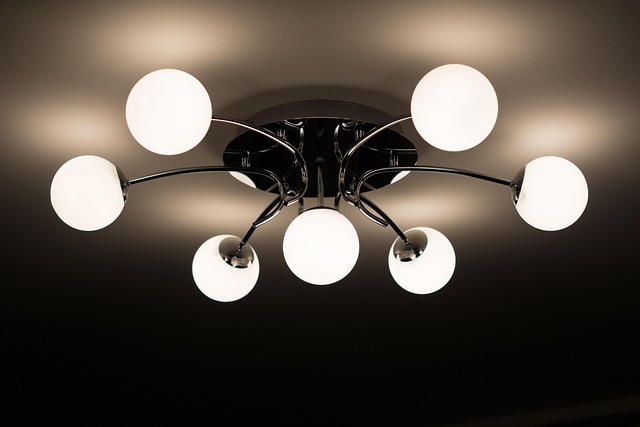
Run parallel linear lighting fixtures 6 inches in from the counter edge for even task lighting. Avoid placing the fixtures directly over the glossy stone to prevent glare reflection. Connect under-cabinet and ceiling lights on a single driver for seamless switching. Opt for IP44-rated profiles near sinks to withstand steam and splashes.
Island Illumination
Two 36-inch linear pendants suspended 30 inches above an 8 ft island provides balanced coverage. They should be at least 24 inches apart to allow the light cones to overlap at counter level. Provide 2500 lumens per pendant to achieve 50 foot-candles on cutting boards. Choose matte opal diffusers that hide LED dots from the seated diner’s gaze.
A 48-inch island looks best with a 24- to 32-inch bar. Matte black housings meld with slate or soapstone. Dimmers allow you to transition from full blast for dicing to a low glow for late night coffee.
Under-Cabinet Tasks
Stick 8 mm-wide LED strips under upper cabinets, set back 1′′ to avoid sight-line glare. Choose 400 lumens per foot to eliminate shadows your cutting arm casts. Select 24 V constant-voltage drivers that permit 20 ft runs on one feed. Designate aluminum channels with 45° angled lips to wash the backsplash.
Low-profile channels conceal behind the majority of door casing. A 3000 K strip compliments white subway tile nicely. If you switch garlic mid-recipe, the uniform illumination keeps hues accurate.
General Ambiance
Cove-mounted linear fixtures installed behind crown molding provide an indirect glow. Set color temperature 300k warmer than task lights to create a relaxing layer. Dim ambient layer to 30% during meals, leaving island at full for prep. With plaster-in channels, only a ¼-inch slit exposes the light.
Warm 2700 K strips shimmer on pale ceilings and bounce back gentle light. A hidden driver in the adjacent pantry keeps wall plates clean. After dinner, dip both layers to 10 % for a night-light path to the fridge.
Commercial Space Applications
Linear ceiling fixtures convert long corridors and large floorplates into pristine, well-lit spaces free of a tangle of drop cords or uneven downlights. In U.S. Offices the 8 ft module aligns with the 4 ft desk grid so one run services two rows of workstations. Select 3500 K, 90 CRI LEDs and the space satisfies the WELL v2 eye-health provision.
Introduce a 55 % uplight cavity and the ceiling ceases to appear as a black vortex on Zoom calls. Owners love numbers, so give them a 10-year lumen-maintenance sheet—usually L90 at 50,000 h—and your pay-back model stays in the black.
Office Environments
Recessed linear runs sit parallel to the south glass, occupying the 30 ft depth where daylight diminishes. Head off in the HVAC strip so supply air doesn’t push dust onto the lens, and a micro-prismatic cover then drops the UGR under 19, which keeps monitors readable.
Snap-in occupancy sensors every 12 ft instruct the driver to dim when sun hits 300 lux, shaving another 20 % off the utility bill.
Retail Spaces
An 800 lm/ft track nuzzled inside a 2 in spot channel snuggles denim piles without browning cotton. Tilt the beam 30° to the shelf face—that provides punch yet avoids the hotspot that phone cameras blow out.
Warm 3000 K sells sweaters, cool 4000 K makes facets flash in jewelry cases. Matte-black housings conceal above open-grid ceilings, so shoppers view products, not technology.
Hospitality Venues
One-inch square “light blades” levitate above the bar, illuminating a 1 ft candle on the menu and a halo on liquor bottles. RGBW nodes wired back to a DMX box, bartenders tap an iPad and strips sync to BPM for Friday night hype.
Out back, IP65-rated bars fend off Santa Ana dust and winter mist. After midnight, flip to 2200 K amber – guests unwind as city sleep codes remain in tact.
Installation And Maintenance
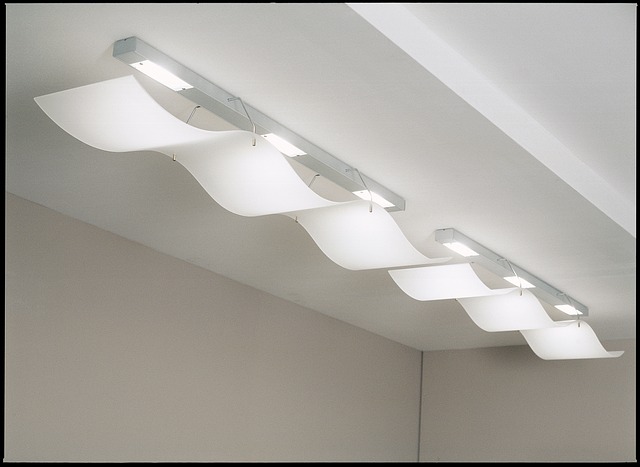
Drywall, grid ceiling lights, or stretch ceiling — each requires its own hardware kit. Choose the incorrect one and the linear lighting fixtures won’t sit flush or the lens bows, or the entire run falls onto your desk. Verify up front, purchase once.
Structural Needs
½-inch drywall is the thin red line; go beneath and screws grind dust. Place a coin edge to the sheet, if you see half the face, you’re set. Stretch vinyl requires backing bars every two feet – the track can’t hold onto thin film.
Snap chalk lines, screw ¾” strapping, then clip the bar! Old plaster adores toggle bolts–two per foot supports 2 lb/ft fixtures plus driver. In L.A. Seismic zone 4, add steel safety cables on suspended runs; inspectors tote a 25-lb tug scale and they use it.
Electrical Planning
Install new 20 A circuits every 300 W of LED. Drivers hide in accessible boxes, not suspended over taut fabric you’d have to rip away. Go with 18 AWG stranded for 24 V legs under thirty feet, longer runs sag at the end and LEDs look dim.
Leave a 6 inch loop every 3rd fixture — future you will thank present you when the driver craps out at year 7.
Task | Wire Size | Load Max | Note |
|---|---|---|---|
Home-run line | 12 AWG | 20 A | Keep neutrals together |
Low-VDC feed | 18 AWG | 3 A @ 24 V | ≤30 ft to limit drop |
Dimming pair | 16 AWG shielded | 50 mA | Blocks HVAC buzz |
Long-Term Care
Dust the aluminum extrusion twice a year with a barely-damp microfiber to maintain your linear lighting fixtures. City smog crawls through vents and cakes on the heat sink, affecting the overall performance of your lighting needs. Drivers owe you 50000 hours—exchange them even as LEDs still shine, ensuring your linear lighting remains efficient.
Flicker begins before your eyes catch it, so keep a couple of extra polycarbonate lenses on hand for replacements. The rooftop UV turns them butter-yellow in five summers, which can impact your lighting quality. Climb once a year with a handheld lux meter to check the output.
When output dips 10%, clean or re-tighten before lumen loss snowballs. Quick checklist: turn off breaker, test with pen, wear gloves, keep first-aid kit on the ladder shelf, check for loose wire nuts, wipe lens dry, log date on driver box.
Conclusion
Linear ceiling light fixtures suit nearly any US room. Pick LED, pick length, pick Kelvin, then you save watts and cash every month. Snap in the channel, pop in the cover, wipe it down twice a year, you’re done. A Dallas taco joint slashed its power bill 28% following a troffer-to-4-ft linear row swap. One Denver condo owner strung an eight-foot line over his kitchen island and added two inches of headroom along with some serious avocado chopping illumination. You can replicate both hacks this weekend. So grab your tape, mark the inches, hit your local store or click a link below. Install illuminate and upload.
Frequently Asked Questions
Are linear ceiling fixtures dimmable?
Nearly all LED linear lighting fixtures sold in the U.S. can be dimmed, making them ideal for various lighting needs. Look for ‘0-10 V’, ‘ELV’, or ‘TRIAC’ compatibility on the product label before purchasing.
How long do these lights last in Los Angeles homes?
Good LED linear lighting fixtures can last 40,000–50,000 hours—around 15 years at six hours a day—even with L.A.’s balmy climate and sporadic power surges.
Can I install one myself?
If the fixture is a plug-in model or comes with a standard J-box bracket, an intrepid DIYer can handle it. However, hard-wired installs, such as linear lighting fixtures, require a licensed CA electrician by code.
What length should I order for a 6-ft island?
Make it 2/3 the kitchen island length. For a 6 ft area, select a 48-in linear lighting fixture centrally above to provide uniform light without cramping the sides.
Do they get hot in a kitchen ceiling soffit?
LED lines in your SoCal kitchen stay cool—surface temps under 110 °F—ensuring they meet your lighting needs without taxing the AC.
Are rebates available in California?
Yes, LADWP and SoCal Edison provide instant rebates on DLC-listed LED linear lighting fixtures—save up to $40 per fixture at checkout.
One thought on ““Enhance Your Space with Linear Light Ceiling Fixtures: A Guide to Modern Lighting Solutions for Home and Office””