

Home repair assistance for disabled individuals describes initiatives that finance or perform safety and access-related fixes at home.
In LA, there’s HUD’s Section 504 Home Repair loans and grants, the City of LA Handyworker Program for small repairs, In-Home Supportive Services for basic needs, and nonprofits such as Rebuilding Together LA.
Common projects include ramps and grab bars, wider doors, lower counters and non-slip floors.
Coming up next, how to qualify, apply, and budget.
Where to Find Home Repair Assistance

Locating home repair grants and assistance programs is most effective when you discover which programs match your needs, income, and location. Most options fall into five groups: federal, state, local, nonprofit, and veteran-specific, often including home improvement grants for eligible homeowners.
1. Federal Programs
Repair needs can arise due to various factors, and the USDA Section 504 Home Repair Program offers essential home repair grants and low-interest loans to low-income homeowners. These grants are specifically aimed at those age 62 or older, helping them address vital health, safety, and accessibility concerns such as ramps, wiring hazards, or necessary bathroom modifications. Additionally, the DOE’s Weatherization Assistance Program plays a crucial role in reducing energy expenses through insulation and HVAC tune-ups, which can free up funds for other home repairs and enhance safety for individuals with limited mobility.
For veterans facing service-connected disabilities, it is advisable to explore the VA’s Specially Adapted Housing (SAH) and Special Housing Adaptation (SHA) grants. These programs provide financial assistance for home modifications, including accessible baths and wider doorways, which are essential for improving mobility and accessibility in their homes. It’s vital to check the eligibility criteria for these programs to ensure you meet the requirements before applying.
Understanding the scope of these assistance programs is crucial. The Section 504 program is based on income and age, while the Weatherization program focuses on income and energy audits. HUD programs often operate through local partners, and SAH/SHA grants depend on disability ratings and service connections. By leveraging these resources, eligible homeowners can make necessary renovations to improve their living conditions.
In summary, exploring various home repair programs and grants can significantly benefit homeowners in need. By taking advantage of these programs, individuals can secure the funding required for essential repairs and modifications, ultimately enhancing their quality of life and ensuring safer living environments.
2. State Agencies
State housing departments typically have accessibility and emergency repair grant or loan programs. Most establish income caps tied to area median income and may necessitate evidence you cannot repay a traditional loan.
Request an up-to-date list of active programs and their deadlines. In New York, for instance, the Access to Home Program finances ramps, lifts and bathroom modifications for disabled tenants.
Check in with your state’s housing or community development agency websites. If you don’t find a portal, call and ask for program sheets and application checklists.
3. Local Governments
City and county housing offices administer rehab loans and emergency repair grants, as well as CDBG-funded projects for disabled homeowners. Ask about accessibility work: ramps, widened doorways, lever handles, grab bars, and zero-step entries.
Seattle’s Home Repair Loan Program provides zero-interest loans and grants for critical repairs and code issues. Anticipate income, ownership and disability paperwork, as well as contractor estimates.
Pay attention to timelines – a lot of programs batch approvals or lottery.
4. Nonprofit Organizations
Organizations such as Rebuilding Together and Habitat for Humanity provide complimentary or discounted repairs and accessibility modifications for disabled and elderly homeowners. Some count on volunteer crews for essential home repairs, fall-prevention work, and small projects such as railings, lighting, or minor plumbing.
Review service maps and income guidelines. Inquire about wait times, scope limits, and if they supply materials and permits.
5. Veteran-Specific Aid
VA SAH and SHA grants pay for big accessibility modifications. HISA can assist with medically required home modifications. Confirm eligibility with VA ratings and clinical records.
Local VA offices and veteran service organizations (DAV, VFW, American Legion) can walk forms and collect records such as DD214 and rating letters.
- Federal: USDA Section 504; DOE Weatherization; HUD Title I; CDBG.
- State: Housing department grants; Access to Home (NY).
- Local: Seattle Home Repair Loan Program; city/county rehab funds.
- Nonprofit: Rebuilding Together; Habitat; volunteer match programs.
- Veterans: SAH, SHA, HISA; support from VA and VSOs.
Understanding Your Eligibility
Eligibility for home repair grants is based on a disability certification, income limits specific to your area, and proof of homeownership. Factors such as age, time spent living there, and limited program funding can influence results, especially for home repair programs at the federal, state, and city level.
Disability Proof
Gather specific, formal evidence of disability that corresponds with what each program requests. For example, a doctor’s letter with diagnosis, functional limits, and duration can work if it follows the program’s template. Government-issued certifications, such as a state disability card, can expedite review.
Maintain up-to-date SSDI or SSI award letters, with the entire benefit year indicated. These typically function as disability and income verification. Others will request a VA disability rating letter for veterans, or state Department of Rehabilitation records.
See if the program requires permanent vs temporary, as temporary impairments may not be eligible.
Scan and label all files: “SSDI_Award_2025.pdf,” “Physician_Letter_June_2025.pdf.” Print and save digital versions, as portals occasionally balk at large uploads and request you to re-submit.
Income Limits
Most programs apply income ceilings. There are lots of grants that focus on 50% AMI households. Others permit as much as 80% AMI. One or two senior-centric funds need age 62+ and lower income.
Grab the most recent 2 pay stubs for each earner, last year’s federal tax return, and benefit statements (SSDI, SSI, VA, SNAP). If self-employed, include a year-to-date P&L. If your income is season-based, inquire if they average across 12 months.
Some grants prefer disabled homeowners even within capped brackets, and some require proof you can’t repay a loan to qualify for a grant. Grants, for example, are maxed at $10,000 over the lifetime of a program, up to $15,000 in presidentially declared disaster zones, while repair loans can extend up to 20 years at a fixed 1% rate.
Program type | Typical income cap | Notes |
|---|---|---|
Disability-focused grant | ≤50% AMI | May prioritize disabled applicants |
General rehab grant | ≤80% AMI | Often needs proof of need |
Senior (62+) repair grant | ≤50–80% AMI | Age and income both apply |
1% repair loan | ≤50–80% AMI | Up to 20-year term; repayable |
Homeownership Status
Begin by verifying ownership. Provide a recorded deed, property tax bill or recent mortgage statement with your name and property address.
Most programs will require the home be your primary residence, not a rental or second home. Others require a minimum occupancy history, typically 2-5 years, with 5 years showing up in a number of local rehab guidelines.
If the title reflects a trust or life estate, include those pages and evidence you reside there. Confirm your name on all files!
If your ID does not match the deed because of a marriage or legal name change, submit the court order. Certain programs verify whether there is property insurance, code violations or liens, so have those on hand as well.
Navigating the Application Process
Applications for home repair grants go more quickly when you map out the steps, gather the appropriate files, and monitor deadlines. Most home repair programs check disability and income maximums, ensuring that you are the owner and occupant of the home. Additionally, some grant programs look for age 62+, while many require proof that you cannot obtain affordable credit elsewhere.
Gather Documents
Start with core records: proof of disability (Social Security award letter, VA rating, or doctor’s statement), government ID, Social Security number, deed or mortgage statement to show ownership, and a recent property tax bill that reflects owner occupancy.
Include proof of income for all household members—recent pay stubs, SSA-1099, SSI/SSDI verification, or last year’s tax return—as they have set income limits.
Gather support documents that verify the residence and the necessity. Pull recent utility bills with your name and address, home owner’s insurance declarations, and repair estimates from licensed contractors that detail the scope, cost, and code issues.
If a city inspector has cited safety hazards, include that notice as well. Tidy it all into one folder, by document type, then scan to one PDF per category for quick uploads. Dates keep in sight.
Before you apply anywhere, compare each program’s list — some take a doctor’s note, others want SSA letters only, many want two contractor bids.
Find Programs
Search official sources first: HUD’s resource locator, your city or county housing department, Area Agency on Aging, Centers for Independent Living, and state housing finance agencies.
Add USDA Single Family Housing Repair (Section 504) when the address is rural, along with local non-profits such as Rebuilding Together. Construct your own list according to your necessities and constraints.
Notice who serves homeowners, who is mobile home friendly, what repairs qualify- roofs, ramps, electrical or accessibility modifications. Money is tight, prioritize grants vs. Loans.
Some grants are age based (62+), others disability or very low income. Loans can assist when grants are tapped out. Call or email program staff to verify up-to-date funding cycles, caps, waitlists, and if a ramp or bathroom adaptation is eligible.
Request their checklist and submission process.
Submit Application
Complete each entry and reconcile names and addressees with your paperwork. Be consistent — use the same income totals on forms and worksheets to avoid flags.
Attach all the necessary items in the specified sequence—property information—location, value, condition images, and contractor proposals. Submit before the deadline by the method they prefer: online portal, mail with tracking, or in-person drop-off.
Request a receipt or confirmation number and retain it.
Await Decision
Check email, voicemail and mail weekly for followups. Respond quickly if they ask for explanations, a second bid, or an additional form.
A lot of programs will post general timelines – some determine in weeks, some a month or two, some rolling programs move as funds become available. Record decisions, follow-up actions, and any draw dates.
If rejected, record why and pivot to alternatives.
What Repairs Qualify?
Grants target jobs that defend well-being, enhance safety, or increase accessibility for disabled homeowners or low income homeowners. Cosmetic or luxury upgrades—such as high-end finishes, new decks for relaxing, or home theaters—are not included.
- Accessibility: ramps, grab bars, roll-in showers, widened doors, lever handles, stair lifts, lowered counters, smart switches.
- Safety: electrical fixes, plumbing leaks, roof repair, floor hazards, smoke/CO alarms, secure doors and windows, non-slip flooring.
- Weatherization: insulation, air sealing, ENERGY STAR windows, HVAC repair or replacement, efficient lighting and appliances.
- Special cases: disability-specific adaptations, basic medical equipment installation, veteran-focused modifications.
- Not covered: aesthetic remodels, room additions for non-medical reasons, luxury fixtures.
Accessibility Modifications
Aid usually funds modifications that allow individuals to transfer, shower, prepare food, and access in/out without assistance. Examples of common projects are wheelchair ramps with correct slope, grab bars in showers and around toilets, a larger doorway for your stroller or wheelchair, and accessible bathrooms featuring roll-in showers and handheld sprayers.
Repairs that enhance independence — such as lever handles, offset hinges and lowered peepholes — are generally approved when linked to need. Kitchens and living areas may get task-focused upgrades: lowered countertops and sinks, pull-out shelves, side-opening ovens, knee space under worktops, and raised outlets and switches.
These seek to trim reach, minimize strain, and permit safe use from a wheelchair or seated position. Stair lifts, platform lifts, threshold removal, and adaptive hardware qualify if they address a functional limitation. Most programs require verification of disability and a home evaluation.
Work will need to be in accordance with ADA standards and local codes; programming could necessitate permits, contractor bids, and final inspections. Certain loans and grants address special needs, such as alterations for veterans with service-connected disabilities.
Critical Safety Repairs
Health and safety first. Electrical dangers such as exposed and frayed wiring, overloaded panels, or missing GFCIs receive top priority. Persistent plumbing leaks, failed water heaters, or sewer backups qualify as they threaten health and structure.
Roof leaks, soft subfloors, tripping thresholds, and foundation movement are typical green lights. Broken doors, windows, and locks that undermine security qualify as well as handrails, guardrails, and non-slip flooring which reduce fall hazards.
Programs frequently pay for smoke and CO alarms, improved lighting at entrances, and code-required fixes. Income and age may be taken into account in determining eligibility, with special preference given to elderly homeowners up to certain limits.
Weatherization Upgrades
Energy repairs assist with comfort, expense, and wellness. Air sealing around doors and ducts, attic and crawl space insulation, and efficient windows all decrease drafts and bills. HVAC repairs or replacements qualify when the system is unsafe, inoperable, or grossly inefficient — replacing failing furnaces or heat pumps is common.
A few subsidize ENERGY STAR appliances and LED lighting in connection with aggregate savings. Weatherization assistance targets low-income and disabled households and might bundle safety repairs, like venting or moisture control, during the upgrade.
Leveraging Technology and Community
Technology and community partners close gaps in cost, access, and speed for critical repairs and upgrades, including home repair grants, that support living independently at home.
Smart Home Solutions
Voice assistants help run lights, fans, and plugs by simple commands, cutting fall risk and strain. Smart thermostats maintain consistent temperatures and reduce bills, but a number of them will learn your routines and send filter reminders. Motion-sensor automated lighting illuminates halls and toilets at night, facilitating safe navigation.
These tools eliminate day-to-day friction in a non-complicated way. Remote monitoring provides an additional safety barrier. Smart smoke and CO detectors push phone alerts and can connect to local monitors. Water leak sensors positioned near sinks and heaters detect problems early, preventing the most costly damage.
Others connect to medical alert services with fall detection, allowing assistance to be summoned quickly. Smart door locks and video doorbells allow you to provide access to aides, contractors, or volunteers from a phone — convenient for those with limited mobility. Entry cameras bust scams and log visits.
You can assign specialty codes to caregivers and schedule auto-locking doors at night. Costs can be a hurdle, though seek discounts from utility companies, device manufacturers, and nonprofits. Several state and city programs provide grants or low-interest loans for accessibility technology, with eligibility differing and funds often capped — so get in early and document.
Local Volunteer Groups
Volunteer-based home repair through community organizations, such as Rebuilding Together affiliates, Habitat for Humanity repair programs, and faith-based groups, focuses on safety and accessibility. United Way and AAA usually have referral lists.
Neighborhood repair days might focus on ramps, grab bars, door widening, and non-slip enhancements. These things go FAST when combined with donated materials from local hardware stores or contractors who provide overstock. Trained volunteers can take care of small electrical repairs, drywall patches, weatherstripping, and caulking that keep houses dry and efficient.
Request verification of expertise for permit-required jobs, and identify the inspection contact. Nothing trims expenses like free labor when credit is tight, as it is for many homeowners. Certain cities operate free repair programs for disadvantaged seniors and disabled citizens, keeping individuals independent for a longer period.
Mutual Aid Networks
Participate in local or online disabled homeowners’ mutual aid groups. These networks chart needs, ride shares, and minor repair assistance. They operate via social platforms, community apps, and neighborhood councils. Members trade access to tools such as drills, stud finders, and ramps, as well as tutorials.
This extends budgets and minimizes waste. For larger projects—bathroom grab bars, handrails, or threshold transitions, etc.—groups can organize weekend work crews, rotate responsibilities, and coordinate donated materials with local tradesmen.
These programs foster social bonds. That continuous confidence keeps upkeep moving and fixes repair queues throughout neighborhoods.
Beyond Grants: Financial Strategies
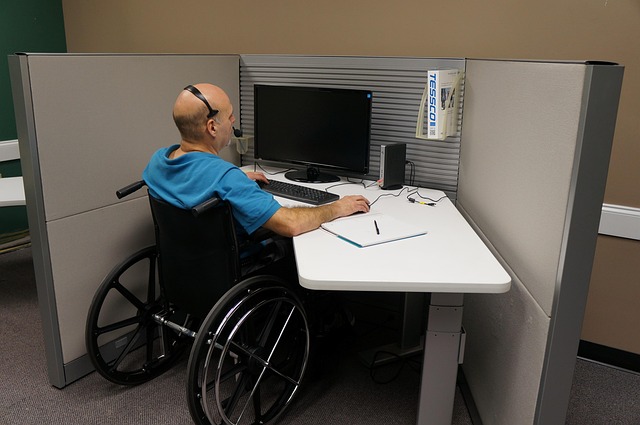
Too many U.S. homes lack fundamental safety and accessibility, and local initiatives are overwhelmed. When home repair grants leave holes, combining tools can keep projects humming and save small hazards from becoming expensive disasters. It is essential to blend options that match income, disability, and project size for eligible homeowners.
Low-Interest Loans
Family housing repair loans and rehab loans can fill in the gaps when home repair grants are capped or waitlisted. Consider USDA Section 504 loans for very-low-income rural homeowners, CDBG-funded city rehab loans, or state housing finance agency products. Some of these home repair programs offer fixed rates below market, longer terms, or defer payments until sale, which is particularly helpful when cash flow is tight.
When exploring your options, check the APR, fees, and income and location rules across lenders. A county rehab loan may provide you with 1% over 20 years, while a credit union might offer a higher rate but quicker funding. If you have equity, inquire about post-repair value borrowing options, which can function for substantial accessibility improvements such as ramps, roll-in showers, door widening, and electrical repairs.
Utilize loan funds for necessary repairs that grants do not cover, such as roof truss repair, subfloor replacement, stair lifts, or panel upgrades for medical devices. Prioritize health and safety, then sustainability. Always read the terms closely — including monthly payments, total interest over time, liens, and implications if you sell. Request plain-language disclosures and payment estimates.
Tax Credits
Federal, state, and local tax advantages can reduce net costs for accessibility work, even if no monies exchange hands at project inception. While we’re talking about safety, some states provide credits or partial refunds for barrier removal or energy-related upgrades that make a home safer and less costly to operate.
Save invoices, permits, and contractor statements indicating the medical or functional purpose of adaptations. Photos do help. Track costs by project area to segregate allowable items.
Check out IRS guidelines on medical expense deductions when upgrades are primarily for medical purposes and don’t increase property value. Things such as ramps, wider halls, and grab bars can count as well. A tax pro can identify overlooked deductions.
Stack tax savings with municipal or Section 504 assistance. Savings open space for continuous maintenance, which shields both health and home value.
Property Tax Relief
There are property tax exemptions, freezes, or reductions for disabled or low-income homeowners, which can reduce your annual overhead and free up cash for repairs. State and county programs differ, and some cities add additional relief.
Eligibility may hinge on disability status, income, age, assessed value caps, or residency length. Documentation often includes award letters, income proofs, and a disability certification.
File with your county assessor or local tax office before deadlines. Many require yearly renewal. Missed dates can cost a full year of relief.
Include estimated tax savings in the repair budget. Stable, lower taxes can carry a small loan payment and eliminate the deferred maintenance risk.
Low-interest loans
Pros: Faster access, larger project scope, fixed terms, under some programs, low rates or deferred payments.
Cons: Debt and liens; closing costs; risk if income shifts; approval hurdles.
Tax credits/deductions
Pros: Lowers net cost; works with other aid; rewards documented medical need.
Cons: Savings arrive at tax time, regulations are limited, moot if tax liability is low.
Property tax relief
Pros: Ongoing savings; improves long-term affordability; easy to pair with loans.
Cons: Local limits; recertification; not cash in hand for urgent work.
Merging strategies can extend limited funds in an underfunded fix environment. City programs, 504 support, and smart financing can stabilize houses, health, and neighborhoods.
Conclusion
There’s a home repair assistance for disabled individuals out there in Los Angeles, quite literally, and it can make a real difference. Grants or low-rate loans can cover ramps, wider doors, grab bars, roof repairs or safe wiring. There are transparent regulations about who can apply. Local groups and city programs update quickly. Short lists keep tabs on papers and steps. Basic apps can capture forms and save notes. Neighbors can contribute with rides or minor repairs.
To sprint, align your plan with your budget. Get bids from licensed pros. Request ADA-ready design. Save receipts and photographs. Celebrate victories with your block or online groups. That keeps the assistance coming.
Need a hand taking the next steps? Contact your city housing office or local CIL today!
Frequently Asked Questions
Where can I find home repair assistance for disabled individuals?
Start by contacting your local Area Agency on Aging, city housing, and county rehab programs. Explore USDA home repair grants and HUD-funded Community Development Block Grant (CDBG) programs. Nonprofits like Rebuilding Together and Habitat for Humanity offer zero or low-cost home repairs through various home improvement grants.
How do I know if I’m eligible for assistance?
Though you must generally qualify according to income, disability status, homeownership, and location, many home repair programs focus on low to moderate income people, including disabled homeowners, seniors, and veterans. Review program income caps, documentation requirements, and residency restrictions with your local housing office to verify.
What types of repairs usually qualify?
Health and safety fixes qualify first for home repair grants: ramps, grab bars, door widening, bathroom accessibility, roof leaks, faulty electrical, plumbing, and HVAC repairs. Energy-efficiency upgrades may qualify through weatherization assistance programs, while cosmetic upgrades rarely meet the eligibility criteria unless related to accessibility or safety.
How do I apply for a repair grant or loan?
Gather your income, ID, disability documentation, deed/lease, and repair estimate information. Apply through your city or county housing office, USDA Rural Development, or a nonprofit’s site for home repair grants. Submit complete paperwork to avoid delays and request assistance if forms are complicated.
Are there options for renters with disabilities?
Yes. A few home repair programs assist renters with accessibility changes, contingent on the landlords’ approval. Check with your city housing office, fair housing agency, or nonprofit for renter-oriented home improvement grants. Landlords may need to allow reasonable modifications under the FHA.
What if I don’t qualify for a grant?
Consider low-interest rehab loans and home repair grants, as well as utility company rebates and Weatherization Assistance programs. Request sliding-scale assistance from nonprofits and explore home improvement grants, while crowdfunding and local community groups can help fill gaps.
Can technology and community groups help lower costs?
Yes. Smart-home devices make it accessible and safe at an affordable price, especially for disabled homeowners. Neighborhood-based volunteers can put in grab bars and ramps as part of home repair programs. Give 211 a call for referrals to local housing improvement programs.
3 thoughts on “Home Repair Assistance Programs for Disabled Individuals in the United States”