

Home maintenance is the combination of routine life and seasons of work that allow a Los Angeles house to be safe, dry, and cool year-round.
Change HVAC filters every month during smoggy summers, inspect stucco for quake hairline cracks and flush salt spray from your coastal windows to prevent pitting.
Flush tankless heaters to reduce hard-water scale and trim palm fronds from roof tiles.
Up next, we round up fast, self-contained chores you can knock out in a single Saturday without dialing a pro.
Why Bother with Home Maintenance?

A house is a living invoice, and addressing common home maintenance issues is essential. Paint cracks, caulk shrinks, and the Los Angeles sun bakes wood until it splits. Regular home maintenance tasks keep your equity, your lungs, and your wallet in better shape than a weekend in Malibu.
Increase Value
It’s agents in Echo Park say buyers pop the electrical panel first. If breakers are tidy and labeled, the bid adds 3–5 grand immediately. Ditto with a roof that still has the original ridge caps, no one wants to re-roof before that very first Christmas.
Touch-up paint on the stucco where the sprinklers hit covers the water line that inspectors always draw attention to. In West Adams, a $90 dryer-vent cleaning can add $400 to an appraisal, as it checks the fire-safety box. Even wiped baseboards show up better – MLS photos magnify scuffs like a crime series.
Prevent Disasters
A pin-hole leak behind the Hallandale tile can dump ten gallons a DAY into the slab. By the time your floor feels warm, you’ve got black mold in the HVAC chase and a $14,000 remediation bill.
Check the pan under your water heater every June — if it’s rusty, trade in the valve before it bursts at 2 a.m. Drenches your children’s room. Here in the Valley, attic temps reach 140 °F and roast Romex until the sheathing cracks – a once-over each fall beats waking up to the scent of burning plastic.
That same thirty minutes, NO, that same thirty minutes rewards you when Santa Ana winds rip a dry fascia board loose and impale the neighbors window.
Save Money
A new furnace filter can significantly improve energy efficiency, allowing the blower to sip 300 watts less—roughly six bucks a month, which doesn’t even buy you two tacos after a year. Performing regular home maintenance tasks, such as caulking a ⅛-inch gap along the sill plate, stops the same air leak as leaving a 4-inch hole in the drywall, making your AC run ten minutes less every hour.
When you drain the water heater once a year, the lime layer stays thin, prolonging the element’s life by another four years—saving $180 in swap fees. Tightening a loose toilet bolt today can prevent costly repairs, like pulling the floor, which could amount to a $600 labor job in L.A.
Even wiping fridge coils contributes to efficient home upkeep, as it cuts the compressor run time. Southern California Edison sends $75 checks for smart thermostats, but clean coils can save that amount once more before Labor Day.
The Four-Season Home Maintenance Plan
A seasonal home maintenance checklist prevents minor home maintenance tasks from snowballing into five-figure repair costs and anchors market value regardless of the climate.
1. Spring Awakening
March sun at last strikes the roof—so scan shingles for popped nails and black tar streaks. Combine a $30 gutter scoop with a hose to flush maple seeds before they sprout tiny trees. Test all of your exterior caulk lines—window tops, door frames, hose bibs—by sliding a business card.
If it slips, peel and reseal with latex caulk rated for 50 °F and above. Dump a five-gallon bucket into every outdoor drain. If it backs up, snake the line before April storms. Inside, yank the fridge from the wall and vacuum the black coils so summer energy bills remain sane.
Switch out the furnace filter, test the smoke-detector button and note ‘septic inspection’ on the calendar if your county recommends pumping every three years.
2. Summer Endurance
Heat waves torture every seam in the home. Start at the attic: if insulation sits below the floor joists, blow in another six inches of cellulose so the A/C isn’t fighting 140 °F decking. Wash condenser coils with $6 foaming spray; bent fins block airflow and spike electric meter.
Inspect sprinkler heads for geysers that rot siding and drive up water bills; replace cracked heads with 4-inch pop-ups rated for 30 psi. When you mow, direct clippings away from the condenser and hose the screen off monthly.
Inside, pour a cup of vinegar in each drain to zap summer gnats; flush the water heater to wash away calcium chunks that cause showers to run lukewarm.
3. Autumn Preparation
As part of your home maintenance checklist, it’s crucial to clean out gutters once the frost hits. Use a ladder to muck out leaves into a bucket clipped to the rung, and hose down until the downspouts gurgle clear. To prevent ice dams from lifting shingles, place $3 plastic strainers afterward. Additionally, caulk trim boards and secure loose vinyl siding before winds exceed 25 mph.
For proactive home maintenance, drain garden hoses, turn off the indoor valve, and open the outdoor tap to ensure any remaining water freezes without bursting the copper. Don’t forget to switch furnace filters, test the fireplace damper, and stock fresh 9-volts in smoke and CO alarms.
If you burned more than two cords last year, it’s time to schedule a chimney sweep as part of your regular home maintenance tasks. This will help avoid costly repairs down the line and ensure your home remains safe and efficient.
4. Winter Fortification
Cold snaps expose every draft. Light a candle and slide it along window edges — if the flame flutters, peel-and-stick foam or new V-strip is in order. Insulate the water heater with a $25 blanket so pipes hang above 32 °F when overnight lows hit 20 °F in LA’s valley pockets.
Reverse ceiling fans to clockwise on low – the gentle updraft pushes hot air off the ceiling and reduces heating run time by 10%. After unusual rainstorms, check attic rafters for dark stains that indicate damaged flashing – repair today or pay $3,000 rotting sheathing charges later.
Beyond the Seasonal Checklist
Seasonal lists assist, but they often overlook the slow stuff. A fridge coil doesn’t care if it’s spring; it just gets dusty, works harder, and ultimately fails sooner. The same goes for the fire extinguisher in the pantry—the gauge sits silent for a decade, then flunks when you yank the pin. To prevent common home maintenance issues, consider a home maintenance checklist that focuses on age rather than season.
Think by age, not by season. Set aside one to three percent of the sale price every year. For a $600k Los Angeles house, that equals $6k–$18k. Opt for the upper tier if the home is 30 years old or if you’re planning home maintenance projects like installing a deck. Park the cash in its own savings account so that a new 40-gallon water heater doesn’t land on a credit card when you need it most.
Track the big-ticket clocks. Asphalt roofs provide you two to three decades in SoCal sun before the granules rinse into the gutter. Wood deck times out about year 20 – check for splinters at the ledger board every 4th of July. Refrigerators, ranges and HVAC units average thirteen to fifteen years — begin a replacement fund at year ten so you can purchase during a sale, not at midnight when the compressor finally seizes.
Performing regular home maintenance tasks can extend the lifespan of your appliances. Lube the garage-door rollers every three months—just five minutes with a $4 tube keeps the torsion spring happy for decades. Every once in a while, pull your dishwasher filter and rinse it off under the faucet to prevent a costly service call for a stinky pool at the bottom.
Pop the dryer vent off the wall and vacuum lint every month or so. This reduces drying time and, most crucially, keeps that lint from lighting up. Exchange safety equipment swiftly; non-rechargeable fire extinguishers should be replaced at year ten, regardless of whether the needle still rests in the green.
Smoke alarms receive new 9-volts each birthday, and the entire unit should be replaced every decade. Water-heater anode rods shrink from ¾ inch to ¼ inch within five years—replace one for $30 and you can double the life of the tank. Consider adding these tips to your seasonal home maintenance checklist to stay ahead of potential issues.
Record it on your phone. Register each item with a b-day & pic; set silent alerts so parts show up before junk snaps. The roof, the deck, the fridge and the little valve under your sink all age at their own pace. Like roommates who never speak until they move out.
Your Essential Maintenance Toolkit
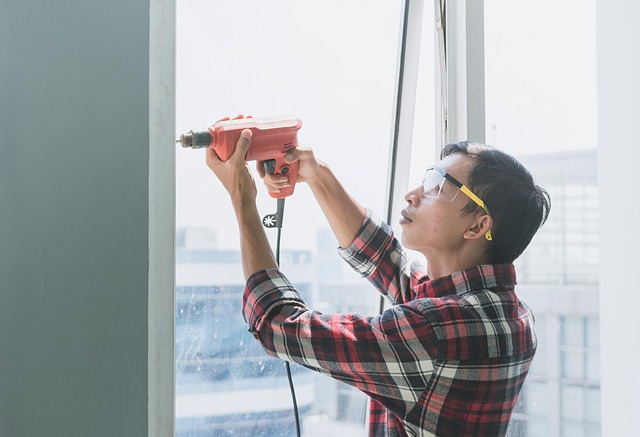
A reliable collection of tools aids in performing home maintenance tasks, preventing minor repairs from becoming expensive service calls.
The Starter Kit
Equip your home with essential tools like a 16-oz. Curved-claw hammer, a Phillips and flat screwdriver set, and an 8-inch slip-joint pliers. Including a 25-ft. tape measure with a ¾-inch blade that locks tight and a 9-inch torpedo level ensures you’re prepared for various home maintenance tasks. A sharp retractable utility knife, ideally one that stores five extra blades in the handle, is also a must-have for efficient home repairs.
This six-pack of tools is perfect for performing home maintenance tasks such as picture hanging, shelf installs, and quick checks on crooked outlets. Don’t forget to include a plunger, which is an important home maintenance task for removing most sink and toilet clogs before resorting to chemicals. Store these tools beside each bath for easy access, rather than in the garage, to facilitate regular home maintenance.
Opt for a 16-inch plastic toolbox or a 12-pocket canvas bag to keep everything organized. Adding a tiny jar for loose screws and wall anchors will save you time during repairs, ensuring you’re always ready for common home maintenance issues as they arise.
The Pro-Level Tools
When you’re prepared to invest a little more, purchase a 12-volt cordless drill with two lithium batteries and a charger. Choose a driver that maxes out at 1,500 rpm and includes twist bits ranging from 1⁄16” to ⅜” along with #6–#10 driver bits.
That combo bores through pine studs, drywall and even thin metal — without stripping heads. Include an 8-inch adjustable wrench. Its jaw opens to 1⅛ inch–wide enough for kitchen supply nuts, hose bibs and the occasional Ikea bolt.
Combine with Teflon tape: one wrap slays small leaks beneath sinks. A compact headlamp liberates both hands when the breaker pops in the dark! Go for a 200-Lucas LED model and stash extra AAA’s in the pouch.
Finally, grab a 4-in-1 painter’s tool: scraper, putty knife, crack opener, and nail puller in one piece. It accelerates caulking prep and pops open stuck windows — without scarring trim.
When to Call a Professional

Certain home maintenance tasks may seem simple on YouTube until the breaker blows or water splashes across the kitchen. Understanding common home maintenance issues is crucial before you pop a wall or crawl under the house.
Safety Risks
Live wires, gas lines and roof edges claim the life of LA homeowners every year. If the work involves the panel, the meter, or a pipe that stinks of sulfur, retreat and contact a licensed pro. Same for anything more than one-story high—our clay tile roofs crack underfoot and the sun makes asphalt shingles slick.
A $150 service call is much better than a $15,000 med-flight bill.
Specialized Skills
Re-wiring a 1950s bungalow to accommodate EV chargers is not a weekend DIY project. Our city inspectors want permits, AFCI breakers and fire-rated drywall patches.
A licensed electrician has insurance that covers you if a clandestine cloth wire torches your new refrigerator. California State License Board certified roofers know how to tie in to existing Spanish tiles without cracking them, plus they warranty the underlayment for ten years.
Plumbers with sewer cameras can spot invasive fig roots that DIY snakes just punch through. You pay for the trade school years, but you purchase the assurance that they’ll come back for free if the leak reappears.
Complex Problems
Water dripping all over the downstairs ceiling at 2 a.m. Is beyond thread tape and hope. Close the main, take a picture, call a 24 hour plumber–each minute you hesitate drives drywall replacement from $400 to $1,200.
Foundation cracks wider than a quarter require an engineer’s letter before a handyman can even look at it; lenders here won’t even refinance without one. If your HVAC vents sweat and smell sweet, you might have black mold in the duct board—when you stir it up without containment, you’ve got spore-spewing air throughout the house.
Even self-assured dabblers acknowledge that 17% of them do more damage, pushing the average bill to $599. Warranties sweeten the deal: most licensed crews in LA County give two-year parts-and-labor on new installs, something YouTube can’t match.
Smart Home Maintenance Integration

Smart thermostats, leak sensors, and Wi-Fi deadbolts are just good as the code inside them stays fresh. Although most brands deliver an update every six to eight weeks — skip three in a row, and the device can fall off the network or miss a patch that blocks hackers. A good way to keep it fresh is opening the maker’s app on the first Saturday of the month, tap “update all,” and leave it running over coffee.
If the app has an “auto-update” toggle, switch it on and you’re finished.
Juggling brands is like attempting to plug a USB-C cord into an ancient iPhone. A Honeywell stat chats up Zigbee, a Ring camera flirts with Z-Wave, and the new LG fridge craves Matter. Before you purchase, seek the tiny Zigbee or Z-Wave badge on the package — that emblem indicates the product will connect with nearly all hubs available at Home Depot or Lowe’s.
Or if you already have a house full of odds and ends, just plop a $35 SmartThings hub in the linen closet. It interprets both tongues to one screen on your phone.
Little leaks lurk until the drywall bubbles. A Flo by Moen sensor attaches to the main water line and monitors pressure like a nurse monitors blood pressure. If that number drops 3 psi for twenty minutes, the app notifies you and closes the valve.
One user in Burbank got a pinhole behind the guest toilet early and paid $120 for a plumber instead of $3,200 for mold.
Intelligent lights that automatically shut down when you leave can slash the electricity bill. It directs an Ecobee stat to 78 °F when your phone GPS leaves the neighborhood and back to 72 °F when you return. Over a hot Los Angeles summer that tweak alone knocks approximately $11 off each month’s DWP bill.
Remote check-ins save you a drive. Open the MyQ app from your desk in DTLA to confirm you shut the garage gate, or tap Rachio as you’re caught on the 405 to skip watering the lawn when it rains in Pasadena.
Hard passwords count as well. Swap the default “admin123” on every camera and bulb with a twelve-letter phrase, then enable two-step log-in. Reboot your routers every thirty days – it kicks off freeloaders who sneak in through old firmware.
Early fixes extend machine life. A smart dryer vent sensor that blinks when lint blocks airflow, for example, can keep the heating coil from burning out two years too soon.
Conclusion
You make the schedule, you pull out the tools, you tap the app. A loose gutter is repaired before it rots the fascia. The smart valve texts you early, so you kill the drip for eight dollars, not eight thousand. Next spring you swap the furnace filter in ten minutes and sense the air flow fresh. Every small victory accumulates, and your home rewards you with decreased expenses, less surprises, and a silent satisfaction whenever you step inside. So keep the calendar open, keep the pro’s number handy and keep going. KO one this weekend, jot the next, post a pic. Tag us—let’s support each other.
Frequently Asked Questions
How often should I inspect my roof in Los Angeles?
Twice a year — before the dry summer heat and then after the winter rains — is the perfect time to follow your seasonal home maintenance checklist. Check for cracked tiles, sun-blasted shingles, and loose flashing. A quick droned or binocular inspection from the yard keeps you off a steamy ladder.
What’s the cheapest way to cut summer cooling costs?
To ensure efficient home upkeep, replace HVAC filters every 30 days during L.A.’s extended cooling season. A $12 pleated filter can reduce energy consumption by as much as 15% while preventing dust from Griffith Park winds from entering your ducts.
Do I really need to trim trees that aren’t touching my house?
Yes. Santa Ana winds can snap a 20-ft eucalyptus limb in seconds. To avoid costly repairs, include this in your home maintenance checklist by trimming branches 10 ft from roofs and energy lines.
When is a drip-irrigation leak an emergency?
If your LADWP bill spikes $50 or you notice a soggy patch in January, it’s time to consult a professional. Addressing these home maintenance issues promptly can prevent costly repairs.
Can I DIY earthquake shut-off valve tests?
No. California plumbing code mandates that a licensed pro test the gas shut-off valve every five years as part of a comprehensive home maintenance checklist. One bad turn and you’re red-stickered by the city.
Are smart leak detectors worth it in a dry climate?
Definitely! They intercept slab leaks beneath L.A.’s concrete foundations before hardwood floors curl, making them an important home maintenance task. Most insurers offer a 5-10% discount for installed sensors.