

Whole house air duct & dryer vent cleaning eliminates accumulated dust, lint, and debris from HVAC ducts and dryer vents to enhance airflow, reduce energy consumption, and mitigate fire hazards.
Dry air, wildfire ash and freeway soot love to settle in our vents, clog our filters and wear out our systems here in Los Angeles. Regular cleaning means healthier indoor air, quicker dryer times and extended equipment lifespans.
The sections below address signs you need service, costs, timing, and local tips that fit L.A. Homes.
Why Clean Your Ducts?
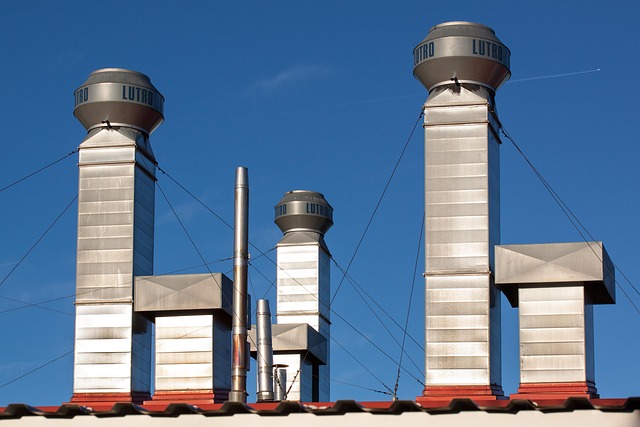
Who doesn’t want to keep their indoor air, energy use and safety in check! In LA, dry season dust, wildfire smoke, and coastal humidity can accumulate in ductwork and vents. A targeted cleaning schedule reduces buildup, helps HVAC and dryer efficiency, and decreases hazard.
Enhance air quality by cleaning out fine dust, pet dander, smoke residue and pollen that can exacerbate allergies and asthma. Indoor air is 2–5 times, and sometimes up to 100 times, more polluted than outdoor air. Clean ducts limit recirculation of pollutants and may help to alleviate symptoms for susceptible individuals.
Improve HVAC efficiency. Clean ducts and dryer vents minimize airflow resistance that drives energy use and utility costs.
Avoid expensive repairs and increase system longevity. Less debris on motors, blowers and heat exchangers results in less wear and tear on those parts, plus fewer dryer heater trips.
Remove odors and reduce the risk of fire. Clearing out lint, dust, and moisture pockets prevents musty or smoky odors and reduces the risk of dryer fires.
1. Healthier Home
Dirty ducts can drive allergens and irritants back into rooms, which is harsh for folks with asthma or seasonal allergies on LA’s high pollen and wildfire smoke days. If you have any visible mold, moisture or pest infestation signs, those are blatant flags to clean!
The EPA observes sparse proof that regular duct cleaning averts health issues, but it does concur that removing identified pollutants—mold, vermin, and excessive dust—can assist indoor air quality. Less dust flying around translates fewer particles on floors and shelves, so your regular wipe-down’s go further.
Clean ducts and vents provide a healthy environment for children, the elderly and people with breathing problems.
2. Energy Savings
Lower bills come from smoother airflow that allows your furnace and AC to run shorter cycles. Leaks and blockages make systems strain.
Sealing leaks and clearing obstructions in long LA ranch homes or multi-story townhomes can pay off quick. Routine duct cleaning and dryer vent service get equipment hitting design airflow, which keeps temperatures even room to room.
Most homes experience a decrease in overall energy usage when lint and dust no longer strangle airflow.
3. System Longevity
Heat and strain decrease the lifespan of blowers, coils and motors. Dust and lint are like a blanket, holding the heat in.
Skip the clogs, and you avoid before-its-time part failure and repair service calls. A common LA example: rooftop units pulling in soot and grit. Keep coils, blower wheels and bearings clean to maintain factory performance.
Regular attention safeguards the lifetime worth of your HVAC and your dryer.
4. Odor Removal
Musty, stale, pet, cooking or smoke odors adhere to dust films in duct walls and registers. Cleaning eliminates the source, not merely the odour.
In older stucco homes with tight cavities, trapped humidity can nourish mild mold growth. Focused cleaning and drying shut it down, reestablishing a neutral baseline. Have regular service and change filters, on time, to prevent odors from returning.
5. Fire Prevention
Lint in dryer vents is combustible. A clean vent reduces exhaust temperatures and hazard. Dust in HVAC ducts is like gasoline if something goes wrong, so keeping your ducts clean helps decrease the risk.
Proper airflow allows dryers to expel heat and HVAC units to operate in safe ranges, particularly on warm LA afternoons. The National Fire Protection Association recommends regular dryer vent cleaning and that’s consistent with our local safety best practices.
The Unseen Dangers
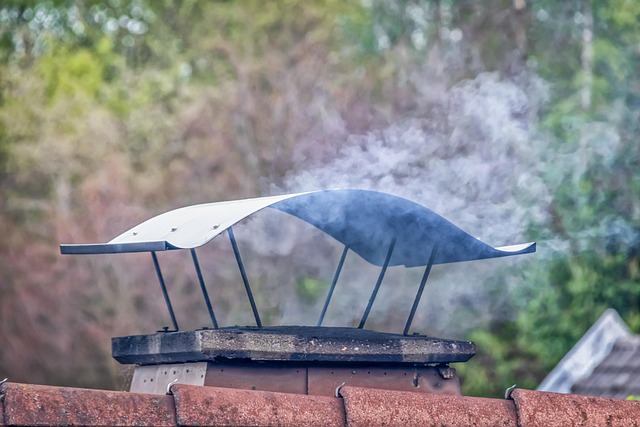
Dirty ducts and vents conceal unseen dangers you breathe in. Here in L.A., where dust, wildfire smoke and smog float indoors, buildup accumulates quickly and can impact health, safety and energy consumption.
Hidden Contaminants
Pet dander, pollen, smoke particles, and fine dust can embed deep in duct runs. Even with nice filters, return air sucks up junk from rugs, chairs and life. Dirty air ducts are just one of numerous particle sources in homes, but ducts can re-eddies whatever settles there with each pass.
Moisture makes a dusty duct a breeding ground. If not properly cleaned, they can be a source of moisture leading to mold and biological contaminants. Certain duct materials, like fibrous glass insulated air duct systems, can be a breeding ground for mold and other biological nasties, especially when the insulation becomes wet after a roof leak or condensate spill.
Pests seek quick refuge. Insects nest in undisturbed trunk lines, while rodents leave droppings near flex duct joints or boot connections. These sting, and they leave allergens and bacteria in their wake. A couple of indicators are musty or ammonia type smells, small black specks around vents or gnawed on insulation on flex runs.
New or remodeled homes aren’t spared. Construction dust, joint compound, sawdust and silica frequently suck down into open returns during remodels. That residue lingers and breaks loose later, which can irritate lungs and clog evaporator coils.
Dryer Vent Hazards
Lint in dryer vents is a silent killer. Fibers from towels and activewear flock to elbows, marathon runs, and the flue cap. In multi-story LA homes and condos with long vent runs, restriction is prevalent and subtle.
When vents get clogged, drying times extend. Extended drying cycles are more expensive too, because when your dryer vents are clogged, your dryer has to work longer, using more electricity or gas. You get hotter laundry rooms, burning-lint odor and wet loads after a complete cycle.
Arguably the most terrifying danger of neglecting dryer vent cleaning is the increased risk of house fires. Clogged dryer vents can trap hot air and spark a fire in just minutes. Dryer vent maintenance is often overlooked, but dryer lint buildups greatly increase a home’s risk of fires. Clear, smooth vent paths and a clean lint screen lower heat stress and keep exhaust flowing.
Carbon monoxide is a concern when the dryer is gas-fed. If that vent line is crushed behind the unit, bird guard blocked or damaged in the wall – exhaust can backdraft. A low-level CO leak is difficult to detect without a monitor, so proper vent slope, rigid metal duct and sealed joints are crucial, as is an annual check-up.
Recognizing The Signs
Early indications are dust, lint and straining systems. Use this quick checklist: faster dust on surfaces, sour or musty smells at vents, filters clogging in one to two weeks, new or worsening allergies, longer dryer cycles, higher utility bills, hot rooms and cold rooms, and no record of duct cleaning in years.
Visual Cues
Test vent covers and registers for dust mats, cobwebs and any green-black or white patches resembling mold. Mold on or near grilles, particularly in humid locations such as bathrooms or in the presence of coastal air in the Greater Los Angeles area, is an indication of moisture issues in the ducts or air handler and requires immediate action.
Check behind the dryer and at the outside vent hood for felt-like lint piles. A flap that sticks, stays open or packed with lint is a warning sign for a clogged vent. On stucco, lint streaks or gray fuzz at the hood are the tell!
Dark marks or ghosting around supply and return ducts can indicate air leaks sucking dirty air from attics or crawl spaces. LA homes after a remodel, drywall dust coats returns and spreads fine powder.
Any loose, crushed or disconnected flex duct in attics, or tape peeling at joints, can bring in debris, bugs or even rodent droppings. Presence of pest inside or near ducts – cleaning and sealing is required.
Airflow Issues
Low airflow from some rooms while others blast strong can mean blockages or dirty coils. If vents nearest the handler blow hard but far rooms lag, suspect restricted runs or kinks.
If some rooms become too hot or too cold through the day, it’s an indication of duct leaks or buildup. Sudden hot-cold swings, or temperature drops when the system cycles, can be a sign of constricted returns and poor balance.
Spiking energy bills without a rate increase usually lead back to dirty ducts driving extended run times. Clothes that take 2 or more drying cycles is the classic indicator of a clogged dryer vent. The dryer top might get hotter than usual, and a burning-lint odor is a safety indicator.
Pops, whistles or fluttering in ductwork indicate pressure issues and blockages. Rattles at start-up can indicate loose connections or trunk debris.
Health Symptoms
Increased sneezing or coughing or asthma attack flaring up indoors can connect with dust, dander, or duct-mold. If symptoms go away when you’re at school, outside or otherwise OOH, check the HVAC trail.
Headaches, eye or throat irritation, and fatigue can all follow in the footsteps of bad indoor air and stale air. They can resurface with frequent colds or sinus issues that flare once filters get clogged or following home construction.
If filters fill up weekly, you are probably experiencing a circulation of heavy dust. Homes left uncleaned for multiple years, or even a home with a recent remodel or infestation or water event, should arrange for professional inspection and cleaning to remove debris and disinfect as necessary.
The Cleaning Process
Scope includes pre-inspection, duct and vent cleaning, then a final walk-through. Technicians treat supply and return ducts, registers, grilles and vital HVAC components. Work in Los Angeles frequently takes into account desert dust, wildfire soot, and coastal moisture, so techniques emphasize containment and suppression and not dispersion.
Air Duct Method
A pre-inspection sketches the system, observes access points, inspects filters, coils and blower doors. Pros might have mirrors or periscopes or miniature cctv cameras to view elbows and long trunk lines. They guarantee they’ll clean everything and that they’re competent to do it, because anything left undone leaves dust behind.
Negative air first. A high‑capacity HEPA vacuum attaches to the trunk to suck junk out of the airstream, not into rooms. With pressure established, the tech’, employing rotary brushes fit to each round or rectangular run, plus air whips or compressed air nozzles, loosens dust inside ducts to push debris toward the vacuum.
Registers and grilles are taken down, washed, then sealed or reinstalled as cleaning progresses from room to room. The system parts require attention, as well. Evaporator coils, blower wheels and drip pans are clean to remove matted dust and algae — these parts impact airflow and can increase power consumption in SoCal peak heat.
Drain pans are emptied and washed, filters swapped out or reseated. This is maintenance adjacent, but remember full air duct cleaning is not an annual requirement. Upkeep still includes filter replacements, coil and drain pan cleanings and normal inspections.
Sanitizers or biocides are only applied when microbial growth justifies. If used, they’re EPA‑approved for HVAC and sprayed per label — transparently disclosed. They’re not always required, so providers describe why and where in advance of any procedure.
Prices in LA typically range from $450 to $1,000 per system, based on home size, access, extras such as coil cleaning, and soot or construction dust levels. Frequency occurs every three to five years, but homes closer to fire zones or with pets may require 2-3 years.
Dryer Vent Method
The dryer is unplugged/gas shut off, then the transition duct is popped off to expose the entire vent path from appliance to exterior hood. Flexible rods with brush heads sweep the vent in sections, and a powerful HEPA vacuum sucks up lint.
Elbows and long runs are stirred up with forward and reverse‑spin brushes, and tight condos may require compressed air tools where rods won’t turn cleanly. The front flap is inspected for free swing and tight seal. Bird guard screens are removed.
Airflow, measured at the exit, can flag crushed flex duct or a hidden sag behind the wall. Reassembly involves a smooth‑wall metal transition duct, secure clamps and a leak test. We dry on air‑only to check flow, heat rise, and cycle time.
A quick final walk‑through checks before‑after impressions, pictures and repair notes.
Professional Standards
These standards maintain duct and dryer vent cleaning uniform, safe and verifiable. It’s expert eyes, battle-tested process, the right software, and transparent words that align expectations, budget, and outcomes.
Area | What it covers | Common credentials | Procedures you should expect |
|---|---|---|---|
People | Technician training and field hours | NADCA Air Systems Cleaning Specialist (ASCS), state HVAC or specialty licenses where required | Full-system cleaning, not “blow-and-go” spot work |
Process | Scope, prep, containment, verification | Follows EPA/NADCA guidance; fibrous glass guidelines when applicable | Source-removal with negative pressure, sealed registers, post-clean check |
Protection | Insurance, bonding, compliance | General liability, workers’ comp | Written estimate, photo/video proof, defect disclosures |
Certification
Demand that technicians are NADCA certified for ducts and proven dryer vent training. LA projects might infringe on HVAC licensing regulations, so review state and municipal guidelines.
Verify continued training on source-removal techniques, negative-pressure containment, and the industry-standard for cleaning fibrous glass lined ductwork. This is important for homes with lined sheet metal or duct board.
Anticipate adherence to federal, California and local codes, such as EPA mold management guidelines and OSHA safety. A few states require specialty licenses – request the license number.
Ask for general liability, workers’ comp and bonding. Retain copies with your quote.
Equipment
Use matters as much as method.
Equipment type | Use case | Benefits |
|---|---|---|
HEPA-rated negative air machines | Create suction on trunks | Captures debris safely, reduces spread |
Rotating brush/whip systems | Agitate debris in metal ducts | Dislodges stuck dust without harsh chemicals |
Soft-brush/air whip for flex | Clean flex duct and liners | Low abrasion to protect fragile walls |
High-pressure air sweeps | Push debris to collection point | Speeds work in long runs |
Video inspection cameras | Pre/post verification | Finds damage, shows results |
Dryer vent rotary tools | Lint removal in long vents | Lowers fire risk, restores flow |
Insist on video inspection pre and post. It records clogged runs, torn flex or disconnected joints.
Match tools to materials: soft agitation for flex duct and liners; stiffer brushes for bare sheet metal. Wrong tools can rip flex or shed fiberglass.
All gear should be cleaned and sanitized between jobs in order to avoid cross-contamination – especially in homes with pets, wildfire ash or construction dust.
Transparency
Request a written, line-item estimate. Average whole-system duct cleaning in LA is about $450 to $1,000 per system, depending on size, access and extensions such as coil or blower-cleaning.
Ask for some before-and-after pics or video. Tie them to supply and return and main trunks and coils and dryer vent termination, so you can verify scope.
Have the process spelled out: setup, sealing registers, negative-pressure capture, agitation approach, timeline, and any recommended extras. Notice the 5 year scrub interval as a grounding point, then factor in wildfire seasons, remodels, pets or allergies.
Ask for disclosure of damage, mold, water stains, crushed ducts or missing caps. A solid plan encompasses annual HVAC inspections, filter replacements and moisture control to prevent accumulation.
Obtain several written proposals and compare experience, scope and techniques so you understand what ‘done right’ looks like.
Your Maintenance Plan
Keeping ducts and dryer vents clean, safe and efficient in Los Angeles homes with year-round HVAC and heavy lint loads from four loads a day.
- Schedule a 3–5 year whole-house duct inspection and cleaning window, sooner with pets, allergies, wildfire smoke or remodeling.
- Schedule annual dryer vent cleanings. Reduce periods if dry increases or lint traps post a cycle feel stuffed.
- Fold in pro HVAC service: yearly inspection, coil and drain pan cleaning, and verified airflow and static pressure checks.
- Do light DIY monthly: swap or wash filters, vacuum registers and the laundry area, and clear debris around outdoor units.
- Follow run times, room-to-room air flow, odors, and dust film. Tweak the timing according to change.
- Document everything — dates, providers, photos, notes — to inform future work and warranty claims.
When To Clean
Have your air ducts cleaned every three to five years. Some LA homes reduce the cycle after intense wildfire seasons or big remodels that leave drywall dust in returns. If it’s been a five year deep clean, use that as your cue.
Dryer vents require yearly cleaning in the majority of households. Shift earlier if loads are lagging, the dryer or laundry room gets warm, or the outside flap only just floats open. Multi-story condos tend to have longer duct runs — those clog faster and require semi-annual servicing.
More commercial or high-use environments—short-term rentals, home salons, daycares—pump more air and lint. Scale up to usage.
Adapt your maintenance schedule based on visual inspections of registers, the blower cabinet and the dryer hood outside, in addition to what the manufacturer of your equipment suggests for your specific model and duct size. Factor in system size, accessibility, local climate, and contamination level.
DIY Upkeep
Swap HVAC filters as the manufacturer directs—typically every 1–3 months for pleated, every month for fiberglass, and according to MERV rating if you run the AC frequently. In wildfire smoke, check every week.
In addition to protecting your coils, a clean filter goes a long way in keeping dust out of your ducts. Vacuum with a brush attachment around vent covers, returns and the dryer. Wipe baseboards and closet floor where the air handler sits. This small step delays accumulation upstream.
Check any exposed ductwork seams, flex connections and the outside dryer hood. Check for loose tape, crushed flex, rust or a flap sealed shut. Nose moisture, musty smell, or staining–those suggest drain pan troubles or coil condensate.
Clear space around your furnace, heat pump and condenser as well as your laundry units. Good airflow minimizes heat strain and lint nests behind the dryer.
Stick with annual pro inspections, drain pan and coil cleaning, ongoing filter changes, and moisture management. This maintenance plan prevents mold, safeguards ducts and keeps you comfortable. Prior to requesting duct cleaning, eliminate other indoor polluters such as smoking, candles or inadequate kitchen venting.
Conclusion
Clean ducts & vents do real work for LA homes. Less dust in the air. Easier breathing for kiddos and fuzz balls. AHEAT & COOL FLOW BETTER on those scorching Valley Days! Reduced fire hazard due to clean lint screen. Less sneezing in the spring. Quick, clear wins you can sense.
To maintain gains, establish an easy plan. Change filters promptly. Inspect the dryer vent flap out back. Watch for hot spots on dryer or long dry times. Schedule a whole house air duct & dryer vent cleaning on a regular cycle, not just in a hurry.
Want a hand in LA? Call for a quote, request scope & photos and schedule a date that works for your week. Breathe easy. Give us a call today.
Frequently Asked Questions
How often should I clean my home’s air ducts in Los Angeles?
Most homes require air duct cleaning every 3 – 5 years. If you have pets, remodeling, smoke, wildfire ash, or allergies–every 2–3 years. After big LA fire seasons, check earlier.
Why is dryer vent cleaning so important?
Clogged dryer vents are a leading cause of house fires. Lint clogs prevent airflow, cause dryers to overheat and consume more energy. Safer, faster drying times and lower utility bills come with annual cleanings.
What are the signs my ducts or dryer vent need cleaning?
Look for dust blowing from vents, musty odors, uneven airflow, intensifying allergies or a surge in your energy bills. For dryers, watch for longer dry times, hot laundry room or a burning smell. Lint around the outside hood is a warning sign.
What does a professional cleaning include?
Pros check, seal registers and negative air machines with HEPA filters. They agitate debris with rotary brushes, clean supply and return trunks and replace filters. For dryer vents, they rod from side to side, clean the hood and test airflow.
Will duct cleaning help with LA dust and wildfire smoke?
Yes. It leaves behind ingrained soot and the very fine particulate that wafts long after smoke has passed. Combine cleaning with MERV 11–13 filters and regular HVAC maintenance for improved indoor air quality during wildfire season.
How long does the process take and do I need to be home?
On average, a whole-house duct cleaning takes 3–6 hours, depending on your home size and complexity of your system. Dryer vent cleaning requires 30–90 minutes. Best if you’re home to provide access and go over results.
How do I maintain clean ducts and a safe dryer vent?
Change HVAC filters every 1–3 months. Keep return grilles open. Vacuum registers4. For dryers, clean the lint screen each load and examine the outside vent flap monthly. Plan for professional dryer vent cleaning annually, and ducts once every 3–5 years.
4 thoughts on “Whole House Air Duct & Dryer Vent Cleaning Guide”