

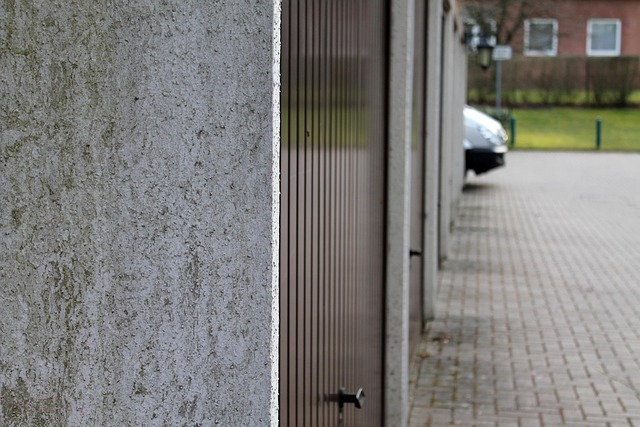
Garage door care keeps your door safe and smooth all year. In L.A. Sun and quake shakes, a 10-minute lube of rollers and quick spring check prevent $300 repairs.
Local hardware stores carry 3-IN-ONE for $7. Do it every season and that door goes 20 years, not 10.
Check out the complete five-step tune-up you can complete before lunch.
Why Garage Door Maintenance Matters
Regular garage door maintenance is crucial because a garage door, operating approximately 1,500 times a year, supports over 200 pounds of steel, glass, or wood above your car and family. If the safety sensors fail, the risk of malfunction increases. A $20 sensor replacement is far more economical than a visit to urgent care, highlighting the importance of preventative maintenance.
Safety First
Press a 2×4 flat on the floor. When the door taps it, the opener motor ought to spin the other way immediately. Monthly test takes 30 seconds. Dust on the photo-eye lens scatters the beam. Wipe it with a dry rag so the door stops for bikes, dogs, or a toddler chasing a ball.
Pull the red cord once a year. If it won’t disengage, you’re blacked out until assistance arrives.
Cost Savings
Only operate the door twice a day and a 10k rated torsion spring can stretch to eight LA winters instead of five.
| Task | DIY Price | Skip It, Pay Later |
|---|---|---|
| Tune-up (lube, balance, bolts) | $0–$70 | $200 service call + new spring |
| Weather-strip 16-ft seal | $35 | $450 panel rot repair |
| Safety sensor pair | $22 | $1,800 door replacement after crash |
Trade in fragile weather-strip prior to El Niño rain saturating the bottom panel. A $35 strip of vinyl holds plywood cores dry and prevents a $450 panel replacement.
Curb Appeal
A quick pass with a 1,600-psi washer lifts dried freeway soot in two minutes. Let it air-dry before noon sun bakes streaks. Dab matching latex on dime sized chips before salt air transforms them into palm-sized rust blossoms screaming ‘neglect’ to every appraiser.
Spray glass cleaner on full-view door panes. Buyers trudging the alley get a glossy reflection, not dusty shelves.
Longevity
Bombard rollers and hinge pins with white lithium every six months. Friction drops and the amps on the motor drop too. Parts last twice as long.
Test the bracket bolts following the Santa Ana winds. Vibration loosens steel on steel. Threads strip if you wait. Sweep leaves and beach sand from the track each quarter. Wheels glide rather than grind so the door can hit the 20-year mark without a hiccup.
Your Essential Garage Door Maintenance Checklist
Our twice-a-year walk-through keeps the biggest moving wall in most L.A. Homes from turning into a $1,200 surprise. Work top to bottom, take notes on your phone, and wrap up within an hour.
Before you scale, gather a ¼-inch socket set, a can of white lithium grease, and a damp rag. Toss them in a 5-gallon bucket so you’re not scavenging the rafters. Take a quick picture of the springs, cables, and pulleys. Next time you’ll see new rust or fraying at a glance.
1. The Visual Inspection
Look over the door panels for hairline cracks emanating from the hinge screws. These are prevalent after Santa Ana winds whip up debris. Frayed aircraft cable near the bottom bracket means strands are throwing in the towel. Replace it before one snaps.
Rust blooms on steel rails should be wire-brushed, wiped with brake cleaner, and treated with light oil so the rollers don’t sound like a subway car. Jot down each ding on a scrap of paper, tape it to the back of the door, and order parts before fire-season heat warps steel even more.
2. The Sound Check
Operate the door a few times. A squeak that rises in pitch typically resides in dry rollers. A low grind indicates the opener chain flapping the rail. Trace each screech by ear, then plop a pea-sized blob of grease on the culprit’s hinge or roller stem.
Clean the excess because dust can’t bake into black paste.
3. The Balance Test
Detach the garage door from the opener by pulling the red release cord, then raise the door manually to waist level. If it drifts up or down, your torsion spring is off by a quarter turn. This is okay for a precision garage door service professional, but it is fatal for DIY.
4. The Reversal Test
Lay a scrap 2×4 flat under the door and press the remote. The door should back off within a second. If not, turn the open-force screw on the opener head a hair ccw. Wave a rake across the photo-eye.
If the door keeps going, clean the lenses and realign until the green LED glows steady.
5. The Lubrication Ritual
Old grease gets gritty like beach sand. For effective garage door maintenance, scrape it out with a putty knife. Then, perform routine maintenance by swiping rollers, hinges, and the chain with a thin ribbon of white lithium.
6. The Hardware Tightening
Run your socket over each lag screw on the opener bracket. They come loose through daily vibration. Tighten track bolts until firm. Over-cranking bows the rail and binds rollers.
Torsion springs should be left to precision technicians. One mistake could result in 200 lbs of torque unwinding.
Material-Specific Care Guides
Each garage door material responds to LA sun, coastal salt, and valley dust differently, making regular garage door maintenance tasks essential. Choose the wrong cleaner or miss a step, and you risk costly repairs.
Steel Doors
Steel adores to rust where paint chips. Just spot-sand the orange bloom with 120-grit, wipe dust, brush on zinc primer, then two thin coats Rust-Oleum door enamel. Work in late afternoon so metal isn’t hot.
Paint skins too fast in Valley sun and peels by winter. Dents along the bottom rail trap sprinkler water. Hammer or tap them flat with a rubber mallet from the inside, then fill low spots with auto body filler.
If you leave the pocket, the next rain begins new rust rings that get right through 24-gauge panels in about eighteen months. Springs abhor corrosion. Spray a light coat of white lithium on coils and wipe off the drip.
Thick oil catches dirt and wears the cable. Dry coating prevents rust without becoming sandpaper.
Wood Doors
Inspect panel joints in June and October. Hairline cracks allow monsoon moisture to sneak in, swell the stiles and pop joints. Manually push exterior wood filler in with a putty knife, sand flush when firm, then touch up with matching stain so UV doesn’t start fresh splitting.
Sun bleaches stain fast, so two years is the safe span. Select an oil based semi-transparent with UV blockers—Messmer’s or Ready Seal—roll on two wet coats letting the wood imbibe.
Avoid the day before a Santa Ana hot wind flash-dries the surface and seals in dullness. The bottom edge rests inches from driveway runoff. Maintain a thick paint coat on it, and if you spot raw wood, roll on primer that same day.
It takes just one soaking from a rare storm to puff the rail so the door rubs track.
Full-View Doors
Aluminum frames scratch if you scrub ’em like a grill. Use a blue non-scratch sponge and mild dish soap. Rinse with a soft spray. Dry with a microfiber so hard water spots don’t etch the matte finish.
Glass seals shrink under desert heat. Run your thumb along the vinyl glazing. Any space larger than a dime lets beach fog creep in and mist the glass.
Press closed-cell backer rod in first, then bead clear silicone. Hidden screws lurking in top and bottom rails—they back out from vibration. For example, each spring pops the plug caps.
Snug hex heads with a 3⁄16 driver but don’t overtighten. Frame bows and glass bind track.
Climate-Proofing Your Garage Door
Salt, snow, and sticky air can cause significant wear on garage doors. Regular garage door maintenance tasks, including inexpensive adjustments, can prevent decay and ensure smooth operation year-round.
Coastal Regions
Spray hit springs with silicone immediately after a storm. This thin coat blocks salt film that pits steel in weeks. Replace dull hinges and screws with stainless-steel sets. They run around thirty online but remain rust-free for two decades.
Once a season, wax the door as you would a car. Paste wax on steel or UV wax on fiberglass prevents ocean spray from etching the paint.
Spray the entire face with a garden hose each month. Salt dust lurks in seams and will blossom orange by morning.
Snowy Climates
Ice heaves the slab, so loosen the track bolts a half-turn every autumn until the seal touches the ground once more. Lithium grease stays fluid past minus ten, so slap it on the screw drive and rollers so the door doesn’t stall on cold mornings.
Shovel snow two feet back from the inside wall. Melt water that hits the rail will refreeze and glue the rollers in place.
Throw in a foam insulation kit for eighty dollars and it reduces heat loss and keeps the room above warmer, trimming about fifteen percent off the winter gas bill.
Humid Areas
Run a small dehumidifier at 50% in dark garages. Wood doors absorb moisture and turn fuzzy in mold within a fortnight. Once a month wipe the opener motor box. Drops of moisture rain down onto the circuit board and damage the logic chip.
Choose powder-coated brackets and hinges. The baked finish keeps the red rust that blooms when wet air touches raw steel.
Weatherstripping picks by zone
| Type | Best for | Cost (USD) | Life span |
|---|---|---|---|
| Vinyl bulb | Hot coast, sand | $8 per ft | 5–7 yrs |
| Rubber flap | Snow, ice scrape | $6 per ft | 4–6 yrs |
| Silicone tube | Humid, mold risk | $12 per ft | 10 yrs |
| Brush seal | Windy, debris | $9 per ft | 8 yrs |
Smart Garage Maintenance
A smart garage door opener is as good as the regular garage door maintenance habits around it. Push three settings once and you eliminate most annoyances.
App Alerts
Set the door-open alert to 15 minutes. On a scorching LA afternoon, kids forget it open after grabbing bikes, the phone buzzes before the AC kicks on again. Every Monday, review the week’s cycle chart. An increase from 14 to 30 usage generally indicates a stuck button on a housemate’s remote or a neighbor piggy-backing your signal.
Email that chart to the tech before he drives out. He’ll bring the right board, not guess. Enable push notices for power loss as well. When SoCal Edison shuts grids for fire risk, you’ll know the battery has kicked in and can park outside the alley instead of trapping the car.
Battery Checks
Change the keypad and remote batteries every 4th of July. It’s an easy date to remember and you avoid the autumn rush. A 3V coin cell is $2 at Home Depot and is a 30-second job.
Pop that backup unit from the ceiling bracket each quarter. If it reads under 24V under load, swap before Thanksgiving guests arrive. Most sealed lead packs last 2 to 3 years in mild climates and less in Valley heat.
Tape a spare 9V to the glovebox lid. When the keypad blinks red, you can jump it long enough to sneak inside and snatch the actual keys.
Sensor Upkeep
Smart garage maintenance – clean both lenses with a dry microfiber each time you sweep leaves. One cobweb can bounce the beam back and pretend there’s something in the way. The door opens all night.
Look at the LEDs: steady green means sender is happy, solid orange on receiver. Flicker equals one bracket moved. Loosen wingnut, push until glow is solid, re-tighten by hand. Over-torque shatters plastic ears.
Shoot for ceiling height within 6 inches of the floor. Spanning a 9-foot opening that holds you in your 5-degree spec without the math. Post-quakes or Santa Anas, speedy eyeball inspection dispatches a service call.
When to Call a Professional
A red-painted torsion spring is an automatic warning flag. If you see one, put the wrench down and get away. The coil contains approximately 500 foot-pounds of torque, sufficient to fracture bone or punch through drywall if it releases.
The same rule applies if the door drops faster than your hand leaves the button. That free-fall almost always means a cable is fraying and will snap on the next cycle, converting a $150 service call into a $600 panel replacement. Local guys like Precision Garage Door operate same-day spring crews all around L.A. County. Most jobs are done in under an hour, so waiting until Saturday isn’t saving money; it’s a crapshoot.
Broken Springs
Count the gaps: a two-inch split between coils is a full break, not a “hairline.” Running the opener anyway compels the drive gear to hoist 200–300 lb of dead weight. The plastic sprocket shears in minutes and tacks an additional $250 to the invoice.
Techs unwind the good side first, slide in matched springs, then wind both to 32 quarter-turns on a seven-foot door. One slip can knock teeth out, so the work rests squarely on the ‘don’t try’ side of DIY.
Frayed Cables
To test, stand at the bottom corner and look up. If you see wire hairs sticking out like a bad beard, the cable is begging to retire. Exchange them on both sides even if only one appears fatigued.
Uneven lift causes the door to twist and bind. Plan to snap before it pops. Last month, in Sherman Oaks, a snapped cable whipped into a parked Tesla and left a $1,200 dent that cost more than the whole tune-up.
Off-Track Door
Rollers jumping the rail yell metal on metal. Smash the wall button again and you can oval out the hinge holes or crease the track for life. Inspect bolt heads along the upright.
If three or more turn easily by hand, frame shift is to blame. Pros loosen the track brackets, tap everything plumb with a six-foot level, and snug hardware to 120 in-lb. Few houses actually have that long a level or a torque wrench.
Loud Noises
Grinding that sounds like rocks in a blender typically traces back to stripped bronze gears inside the opener head. One loud bang on closing usually indicates a hinge ear cracked or the spring torque off by a half turn.
Fire off a 10-second voice memo and text it to the tech. They’ll come equipped and bypass the guess charge.
Conclusion
A silent door at 6 a.m. Lets you know the lube caught the right rail. A tight seal keeps the Santa Ana dust off your surf rack. The app ping allows you to verify the latch while sitting at your desk at LAX. Those little victories stack into decades of skip-free mornings and no unexpected invoices.
Snag the checklist, choose a task for this weekend and knock it out. Your future coffee-clutching self will thank you when the door glides up without a hiccup.
Frequently Asked Questions
How often should I service my garage door in Los Angeles?
Twice a year—before the hot Santa Ana winds and after the rainy El Niño months—performing regular garage door maintenance tasks, including a specialized 15-point check, prevents springs, rollers, and seals from blowing out in 90 °F heat or flash-flood mud.
What’s the quickest DIY safety test I can do?
Raise the garage door halfway and release it. If it drops more than a few inches, the garage door springs are shot. Call a precision garage door service professional; those cables are under 200 lbs of tension.
Can salty Pacific air really rust my door?
Yes, regular garage door maintenance tasks, such as a fresh water rinse every month and applying a little silicone spray on hinges, can prevent the salty mist from causing rust and damaging garage door parts.
Is insulating my garage door worth it in SoCal?
Absolutely. A bonded 1⅛-in. Polystyrene panel enhances garage door performance by reducing afternoon heat gain by 30 percent, allowing homeowners to use less A/C and maintain the garage below 80 °F even during those hot August valley temperatures.
What’s the average cost for a pro tune-up in L.A.?
$89–$149 for a complete garage door maintenance service that includes lube, balance, safety-sensor tests, and a 26-point report. Most precision garage door service professionals complete this in less than 45 minutes and include a free weather-strip replacement.
Will smart openers work during an earthquake outage?
Battery-backup models sold post-2019 ensure regular garage door maintenance by operating 24 hours off-grid. After a 6.0 quake, you can still access your garage door, which is crucial for emergency car access.