

Window security film is a sheet of transparent plastic that adheres to the interior of glass and holds it in place, preventing shattering in break-ins, earthquakes or a stray baseball in L.A. County. A 2023 LAPD crime map associates 34 percent of home access with broken rear windows, and 8 mil or thicker-rated film gives you 2 more minutes against crowbars. Below, we direct you to local installers, rebate forms, and tint laws so you can choose the appropriate roll.
What is Window Security Film?
Window security film is a transparent polyester sheet that adheres to the interior side of glass, providing essential glass protection. It transforms ordinary window glass into a shatter-resistant barrier without needing to replace the entire unit. Approximately 23 percent of home invasions occur through a ground-level window, making this safety window film a reliable solution that offers valuable minutes during an intrusion. While the film isn’t bulletproof, it effectively slows entry and keeps shards from flying into the room.
1. Core Composition
Most rolls of window security film are composed of hundreds of ultra-thin polyester layers pressed with industrial-strength adhesive. Thickness ranges from 2 mil for light scratch protection to 15 mil for maximum strength. An 8-mil film is just 0.008 inches thick yet filters out 99 percent of UVA and UVB rays. Clear films let 87 to 96 percent of daylight in, ensuring spaces remain luminous. Premium lines add a scratch coat on top and UV absorbers in the center, providing storefront windows with both fade control and impact protection against daily scuffs.
2. Adhesion Science
The glue bond is measured in pounds per inch, with good security window films clinging with over 20 lb/in even after the glass cracks. Installers spritz soapy water on the pane and the window film back, slide the sheet until seams line up, then squeegee the water away. For additional strength, a bead of structural silicone can be run around the perimeter. This wet-glaze technique is what federal standards refer to as ‘bomb-blast attachment.’ Any dust or hand oil left on the glass breaks the seal, so a lint-free wipe with isopropyl alcohol is non-negotiable.
3. Impact Resistance
Thicker security window film extends longer before it rips, dissipating more impact from a crowbar or brick. Lab tests demonstrate that 8 to 12 mil sheets can add thirty to sixty seconds of push-back time. Field reports extend that to three minutes if the frame is sturdy. That delay is frequently all it takes for an alarm to go off or a neighbor to see it. The sheet doesn’t prevent bullet penetration; it merely distributes the impact so the glass spider-webs rather than falls out in a single piece. Pair the mil rating with your safety window film threat level concern, not just the price.
4. Shatter Containment
When the pane does give, broken pieces remain bonded to the polyester skin rather than spraying the living room. This reduces injury hazards in windstorms, spontaneous glass breakage, or a child’s wild pitch. Coastal codes from Texas to Florida approve safety window film as a reliable solution and less expensive substitute for laminated glass if edges are trimmed so the frame still seals. Schools adore it since it retrofits old windows without tearing out aluminum frames, enhancing overall glass protection.
Beyond Break-Ins
Security window film keeps glass in one piece after a hit, providing impact protection that extends beyond break-ins. One 100-foot roll, 36 inches wide, protects about ten standard house windows and converts every glass surface into an inexpensive all-risk barrier. Consider it the opening act of a larger security system strategy, including cameras, locks, and lights, not the main event.
- Blocks 99% of UV, slows fade on floors and couches.
- Cuts heat gain, trims summer cooling cost
- Holds shards, lowers injury risk
- Meets code for schools, stores, and storm zones
- Peel-off graffiti film replaces for less than 50 cents per square foot.
Weather Events
Past break-ins highlight the importance of window security film; a 7-mil windstorm film glued with Dow 995 silicon keeps a sliding door intact when a hurricane flings a planter. This very same combination passes the 140-mph missile test employed in Miami-Dade County, allowing insurers to typically discount 5 to 15 percent off the wind portion of a homeowner premium. Consider more than just break-ins and check the local wind-zone map before installation, as Zone III Gulf Coast requires 8-mil with mechanical anchors, while inland Zone I can utilize 4-mil and wet glaze.
Vandalism
Taggers blaze acid etch on Melrose shop front the obvious 2-mil sacrificial film FROSTED, but the glass remained slick. A clerk peeled the defiled page at closing and stamped on a new one before the dinner rush arrived. The cost is $42 for a 4 by 8 ft pane, versus $380 quoted for new glass, making this security window film a reliable solution for glass protection. Colors stay true since the film doesn’t tint the view.
Accidental Impacts
A junior league foul ball slams into a patio door, but thanks to the safety window film, the glass cracks in a spider’s web while remaining intact, allowing kids to walk past barefoot without cuts. Schools in LAUSD apply 4-mil window film on corridor doors to comply with Title 24, while gyms opt for 8-mil after a rogue dodgeball incident. Architects refer to this as the “oops” spec, highlighting the importance of security window films in preventing accidents.
Blast Mitigation
Truck bomb pressures bend glass centimeters shy of fracturing. The eleven-mil window security film with a wet-glaze bead holds the pane in the frame, providing essential impact protection. GSA tests demonstrate ninety percent less flying shards, which is crucial for safety during catastrophic events. Although it is not bullet-proof polycarbonate, it effectively turns lethal projectiles into clumps that fall near the wall. Facility teams combine the film with blast curtains and mass alert radios to bridge the gap.
Choosing Your Film
Balance three things: how thick the sheet is, how dark you want it, and how it sticks to the frame. When considering window security film, take each pane’s measurements to the nearest eighth-inch, writing down the width first, then the height. Throw in ten percent for trim slips and pattern drift. Clear 8-mil film covers most LA homes, but a ground floor bath might require a fog coat for privacy. Verify the spec sheet before you believe the cost, especially if you are looking for effective impact protection.
Thickness
-
2 mil is a thin shield that keeps paint off glass in bus-shelter jobs.
-
4 mil stops casual rock toss in tract homes and still flexes like cling-wrap.
-
8 mil slows a crowbar two full minutes. Cops say that’s enough.
-
12 mil: lab-rated for blast scatter. Condo boards around Westside hot spots request it.
Thicker sheets of window security film lay like a credit card stack and require an added spritz of baby-shampoo water to skim beneath the squeegee. Most owners settle upon BDF S8MC—eight mil, clear, around $4 a square foot online—since it bisects the cost curve between tear-install and food bill agony while providing essential glass protection.
Tint
Clear window film holds the beach bright you invested in and glides past the majority of HOA stares. Gray or bronze tint dings glare from stucco walls and gets the Skin Cancer Foundation stamp of approval by cutting 99 percent of UV. A mirrored coat provides daytime privacy on street-level office fronts, but fire crews caution that it can conceal smoke from the sidewalk. Some cities consider that a code violation. Tape a one-foot sample on a window you look out at dusk. If the scene goes green, exchange boxes prior to purchasing the security window film roll.
Attachment
The plain way is peel-and-stick: window security film clings to glass, while edges float free. This method stands up in a still valley block but flies in a Santa Ana wind. A wet-glaze bead of Dow 995 silicone around the frame transforms the pane into a flexible unit rated for 170 mph windstorm maps, enhancing safety and security. For maximum hold, metal batten bars screw into sash sides, a technique known as mechanical impact protection. Crews often refer to this as MIP, ensuring durability against extreme situations and potential property damage.
The Installation Process
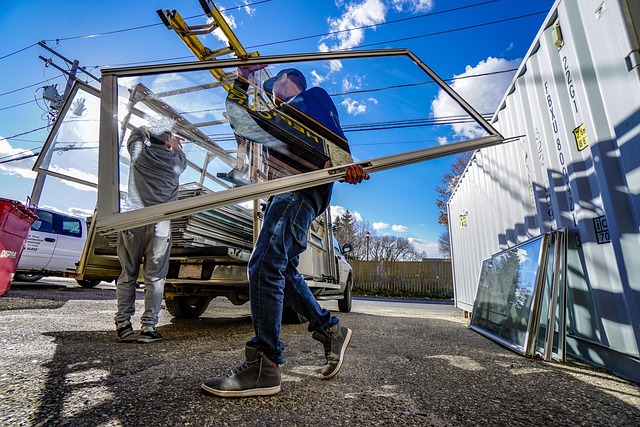
You’ll want a spray bottle, a plastic squeegee card, and a sharp utility knife for applying safety window film. Fresh glass and steady hands beat elaborate equipment any day. Choose a nice, cool, overcast morning; sun heat seals the glue before you can slip the sheet. The film then cures for thirty days following the final stroke. No wiping, no poking, no cleaners as it bonds.
Preparation
When preparing to install the safety window film, measure the daylight opening of the glass, not the frame, and add 1 inch to each side. Roll the window film on a folding table, liner side up. Use a 4 mil utility knife to trim the excess in two sweeps. Scrub the glass pane twice: first with dish-soap water, then a new razor blade lifts paint specks, and a final wipe with a lint-free shop towel ensures no fibers remain. Peel the liner in a single slow pull, misting the tacky face with a slip solution made of 1 teaspoon baby shampoo in 32 ounces distilled water. Tape a black trash bag to the floor to catch the slurry and keep drywall clean.
Application
Spray both the glass and the glue with soapy water until it appears like wet marble. Begin at the top center, work the film on, and secure it with two-inch vertical squeegee strokes. Work out in quarters. If a corner grabs too soon, lift and re-spray. Leave a 1/16-inch gap at the frame so summer heat can let the glass swell without ridging the edge.
Haze and microbeads of water are typical for the first week. The glue is still cross-linking. Warn kids against flicking corners – one little peel can breach the seal for three inches. Keep windows closed for two days – a breeze catches edges quicker than you envision. Once a month, wash with an ammonia-free spray and a soft microfiber. Razors or blue Scotch-Brite pads invalidate your warranty.
The Unseen Benefits

Clear security window film isn’t just for keeping glass together; it also provides impact protection by blocking 99 percent of UV-B and 97 percent of infrared, bonuses that come gratis with every installation.
UV Rejection
The majority of movies peak at 99 percent in the 280 to 380 nanometer range, the wedge that fades carpet dyes and parch wood floors. In an ordinary L.A. Condo, south-facing living room carpet faded in two years. However, post-installation of safety window film, that same swatch looked new at year five. The Skin Cancer Foundation even stamps some security window film products as safe for daily sun exposure, so kids near bay windows maintain the view without the burn. Plants remain content as visible light gets through whereas UV does not.
|
Benefit |
Clear Security Film |
Added Cost |
|---|---|---|
|
UV block |
99 % |
$0 |
|
Heat cut |
5–10 % |
$0 |
|
Fade slow |
up to 40 % less |
$0 |
Energy Savings
Film lowers the solar heat gain coefficient from 0.78 to around 0.60 on regular double-pane. That minor adjustment reduces afternoon HVAC demand sufficiently to register on the invoice. A Burbank test house conserved 210 kWh one July, which is about $42 at LADWP tier-two rates.
-
Choose a low-e coated film. It reflects heat out in summer and back in during winter.
-
Confront the roll east and west initially. Those walls cook the longest.
-
Put up heavy drapes in the evening. Film and cloth beats either solo.
-
Seal sash gaps so cooled air remains in. Film can’t patch leaks.
Install takes two hours per room, there is no drywall dust or permit fee, and it costs a fraction of the $600 per pane quoted for low-e replacement glass.
Glare Reduction
An 8-mil clear sheet reduces glare by 10 to 13 percent, providing an effective window film solution for glare reduction. Tinted safety window films reached 60 percent effectiveness. In a downtown arts high school, computer lab screens went black when the film started, showcasing its impact protection capabilities. Teacher headache logs dropped in half, which, as opposed to blinds, leaves palms and sky still visible through the window. Try a little of both 2-mil and 8-mil on one sash; most purchasers choose the thicker option once they see zero ripple.
A Layer, Not a Barrier
Window security film is a transparent film you apply to the interior of the window, serving as an effective glass protection solution. It provides crunch, not calories, and is constructed of hundreds of hair-thin layers of polyester pressed together, which resists tears and scratches better than sheer plastic. Once it settles, the glass still appears normal, allowing you to maintain the view and the light. This layer acts as a barrier against potential threats, combining tint or mirror coat with the strength layer to provide daytime privacy and security in a single pass.
It’s important to note that while the film doesn’t make glass unbreakable, it transforms shards into a spider web that glues them together, enhancing safety. For instance, a child who falls into the patio door receives scratches on the arms rather than to the face. A thief with a hammer encounters a sheet that flexes and holds for an extra thirty seconds, which is often enough time for your security system to alert you. LA County cops report that the majority of break-ins through glass occur in under fifteen seconds. By applying window security film, you can extend that time to forty seconds, deterring many intruders who might just give up.
Choose 8 mil for a ground floor flat and 12 mil for a street-front shop. Two layers can go on if the frame is deep and the glass is toughened, but pros test with a scrap first as old annealed glass can crack under the shrink stress. Film won’t adhere to cracked panes and low-E coatings will haze with the incorrect glue. Go transparent.
Installation is key; pros recommend trimming a hair short of the gasket to avoid dust accumulation beneath the sheet, which can dry into white bumps that are hard to wash away. Expect to pay around seven to ten dollars per square foot in Southern California, or half that if you tackle the project yourself with a helper and a heat gun. Regardless, window security film is just one layer of protection alongside doors, CCTV, and flashing floodlights.
While a thin sheet of polyester isn’t going to prevent a determined intruder from getting in entirely, it does purchase valuable reaction time and transforms roaming particles into a protective, adaptable film. This makes it an affordable window glazing solution for any window or door, significantly enhancing your property’s security.
Conclusion
You now know the basics: pick the right film, hire a local installer who shows up with a heat gun and a CA contractor license, and you get tougher glass without swapping the whole window. The invoice comes in at roughly $8 to $12 a square foot, and the vast majority of gigs finish before noon.
Click to get a quote from 3 local pros. Get your tape measure, write down the sizes of the panes, and make some calls.
Frequently Asked Questions
Does window security film stop a burglar in Los Angeles?
It just slows them down. The window security film holds glass intact for 60 to 90 additional seconds, providing crucial time for your security system to alert LAPD or for you to dial 911.
Will the film change how my windows look?
Barely.Clear 8-mil sheets provide glass protection that cannot be seen from the curb. Tinted options also reduce glare while ensuring compliance with California’s 70% VLT requirement for dual-pane glass.
Can I install it myself on my 1920s Pasadena casements?
You can, but bubbles and crooked lines show. Pros use heat guns and slip solution to seal edges, ensuring safety window film applications keep the historic trim spot free.
Does it qualify for my insurance discount?
Most LA carriers will want a written certificate from the installer, particularly for security window film products. Demand the ANSI Z97.1 test report, as it’s the magic piece of paper that drops your premiums by 5 to 10 percent or so.
How long before I need to replace it?
The factory warranty lasts 10 to 14 years in the SoCal sun, ensuring durability against hazards. If edges lift or the UV block dips under 99 percent, replace the security window film, not the entire window.
Is it worth it on a second-story pane?
Yes. Earthquakes hurl planters and Santa Ana winds whip up palm fronds. A $12 per square foot safety window film protects and keeps glass shards from showering down on Ventura Blvd.