


Are you planning to upgrade your living space but feeling unsure about how to finance it? Understanding the difference between a home improvement loan and a home equity loan can save you time, money, and stress.
Both options offer ways to fund your renovation, but they work very differently and come with their own risks and benefits. You’ll discover what sets these loans apart, how each one affects your finances, and which might be the best fit for your unique situation.
Keep reading to make a confident decision that turns your home dreams into reality without unexpected surprises.
Home Improvement Loans
Home improvement loans help fund repairs, renovations, or upgrades to your house. These loans offer a way to improve your living space without using your home’s equity. They often come with different terms and interest rates depending on the type and lender. Understanding these loans can help you choose the best option for your project and budget.
Types Of Home Improvement Loans
There are several types of home improvement loans. Personal loans are common and do not require collateral. They usually have fixed interest rates and set repayment periods. Another type is a secured loan, which uses your home or other assets as security. Some lenders offer specialized renovation loans designed for specific home projects.
Interest Rates And Terms
Interest rates on home improvement loans vary. Personal loans tend to have higher rates than secured loans. Terms can range from one to seven years, depending on the lender and loan type. Shorter terms mean higher monthly payments but less interest paid overall. Always compare rates and terms before applying.
Application Process And Speed
Applying for a home improvement loan is usually quick. Many lenders offer online applications with fast approvals. Personal loans typically do not require home appraisal or complex paperwork. Secured loans may take longer due to collateral verification. Funds can be available within days after approval.
Best Uses For Home Improvement Loans
Home improvement loans suit small to medium projects. Examples include kitchen upgrades, bathroom remodeling, or fixing a roof. They work well when you need cash fast without tapping home equity. These loans are ideal if you want predictable monthly payments and a clear payoff schedule.
Credit: www.experian.com
Home Equity Loans
Home equity loans are a popular way to use your home’s value for financing. They allow homeowners to borrow money based on the equity they have built up. This type of loan can be useful for funding home improvements, debt consolidation, or other major expenses. Understanding the different types of home equity loans helps you choose the best option for your needs.
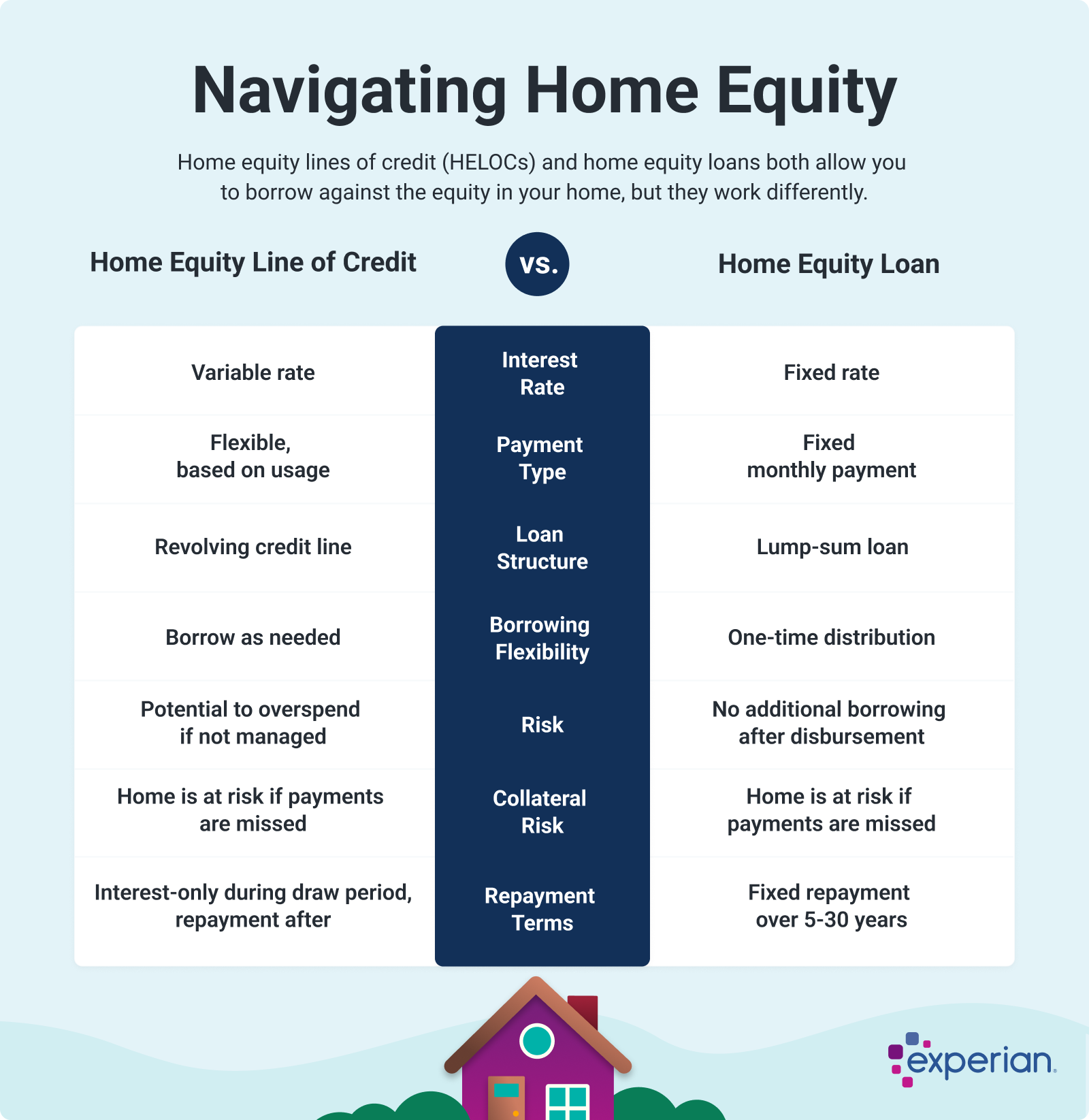
Fixed-rate Home Equity Loans
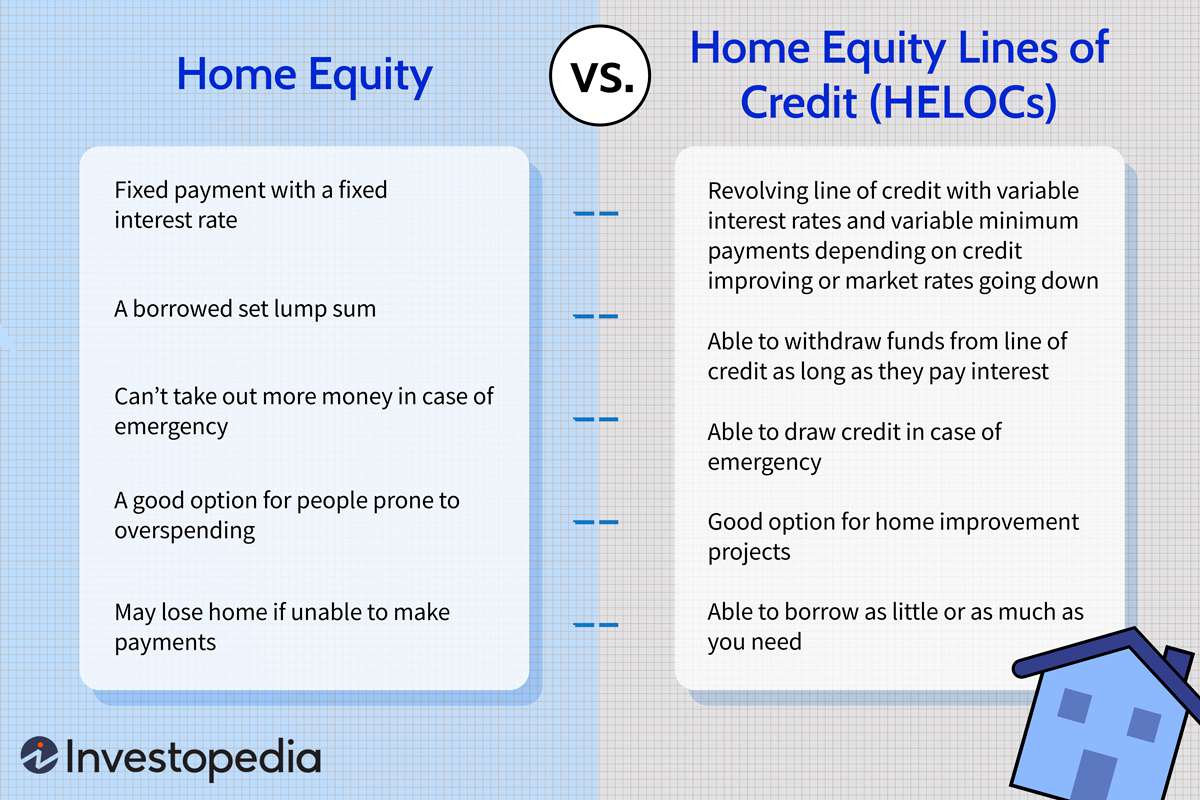
Fixed-rate home equity loans provide a lump sum of money upfront. The interest rate stays the same during the loan term. Monthly payments are predictable and do not change. These loans usually have terms from 5 to 30 years. They work well for large projects with a clear budget.
Home Equity Lines Of Credit (helocs)
HELOCs work like a credit card with your home as collateral. You get a credit limit and can borrow money as needed. Interest rates on HELOCs are often variable. Payments may be interest-only during the draw period. HELOCs are flexible for ongoing or smaller projects.
Cash-out Refinancing
Cash-out refinancing replaces your current mortgage with a new one. The new loan is larger than the existing mortgage. The extra cash can be used for home improvements or other expenses. This option spreads payments over a long term. It can lower interest rates compared to other loans.
Payment Structures And Terms
Payment terms vary based on the loan type. Fixed-rate loans have stable monthly payments. HELOCs may have lower payments at first but can increase later. Cash-out refinancing combines mortgage and loan payments into one. Loan terms affect the total interest paid and monthly costs.
Comparing Interest Rates And Risks
Understanding the interest rates and risks tied to home improvement loans and home equity loans helps you make smart financial choices. These loans differ in costs and potential dangers to your property. Knowing these differences guides you in selecting the best option for your needs.
Rate Differences Between Loan Types
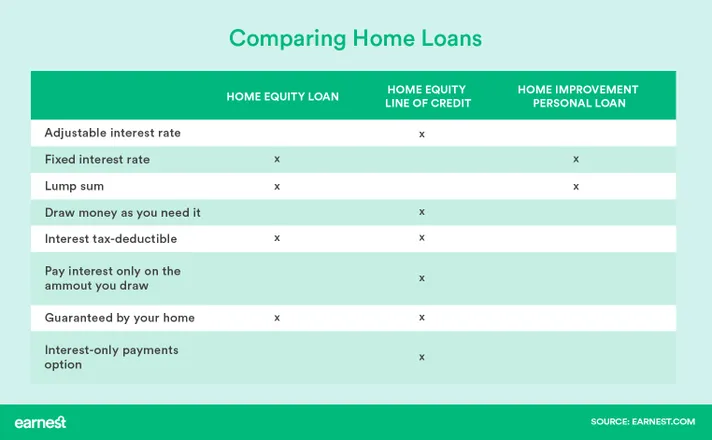
Home equity loans usually have lower interest rates than home improvement loans. This is because home equity loans use your house as security. Home improvement loans often carry higher rates since they are unsecured. The loan term also affects the rate; home equity loans tend to have longer terms, lowering monthly costs.
Collateral And Foreclosure Risks
Home equity loans require your home as collateral. Missing payments can lead to foreclosure, risking your property. Home improvement loans generally do not require collateral. This means your home stays safe even if you miss payments. The trade-off is that home improvement loans may have stricter credit checks and higher rates.
Impact On Monthly Payments
Monthly payments on home equity loans are usually lower. This is due to longer repayment periods and lower interest rates. Home improvement loans have shorter terms, making monthly payments higher. Choosing the right loan depends on your budget and how fast you want to repay the debt.
Credit: www.investopedia.com
Choosing Based On Project Size
Choosing the right financing depends largely on the size and scope of your project. Big renovations often require a different type of loan than smaller tasks. The funds you need and the loan terms should fit the work planned. Understanding these differences helps you pick the best option for your home improvement goals.
Large Renovations And Equity Loans
Large home renovations usually need a significant amount of money. Home equity loans provide a lump sum with fixed interest rates. These loans work well for projects like room additions or major remodels. They offer predictable monthly payments over a set term. Using equity loans helps spread costs over time without high interest rates.
Smaller Projects And Personal Loans
Smaller projects need less money and faster funding. Personal loans are ideal for minor repairs or updates. They do not require home collateral, reducing risk for some borrowers. Personal loans have higher interest rates but shorter approval times. They fit projects like painting, new appliances, or small bathroom upgrades.
Ongoing Work And Heloc Flexibility
Ongoing or phased projects benefit from flexible funding options. A Home Equity Line of Credit (HELOC) allows borrowing as needed. It works like a credit card with a set credit limit. You pay interest only on the amount used, saving money. HELOCs suit projects spread over months, such as landscaping or gradual remodeling.
Speed And Accessibility
Speed and accessibility are key factors when choosing between home improvement loans and home equity loans. These aspects influence how quickly you receive funds and how easy it is to qualify. Understanding these differences can help you pick the right option for your needs.
Home improvement loans often provide faster access to money. They typically require less paperwork and have simpler approval steps. Home equity loans may take longer but offer larger amounts at lower interest rates.
Funding Timeframes For Different Loans
Home improvement loans usually fund within a few days to two weeks. This speed suits urgent repairs or small projects. Home equity loans take longer, often two to four weeks. The process involves home appraisal and more documentation.
Credit Requirements
Credit scores needed for home improvement loans are generally lower. Lenders focus on your income and ability to repay. Home equity loans require higher credit scores. These loans use your home as collateral, so lenders are stricter.
Loan Approval Processes
Approval for home improvement loans is faster and simpler. It often involves a quick credit check and income verification. Home equity loans need detailed approval steps. They require property appraisal and legal paperwork to secure the loan.
Key Considerations For Borrowers
Borrowers must carefully weigh their options before choosing between home improvement and home equity loans. This choice affects finances and home security. Understanding key factors helps make a smart decision. The following points highlight what borrowers should consider most.
Evaluating Home Equity
Home equity is the difference between your home’s value and mortgage balance. It determines how much you can borrow with a home equity loan. Check your home’s current market value and outstanding debts. More equity often means better loan terms. Less equity may limit borrowing power or raise interest rates.
Assessing Financial Comfort And Risk
Consider your income stability and monthly expenses. Home equity loans use your house as collateral. Missing payments can lead to foreclosure. Home improvement loans are usually unsecured and have higher interest rates. They do not put your home at direct risk. Choose the option that fits your comfort with risk and repayment ability.
Long-term Repayment Planning
Home equity loans often have longer repayment terms and fixed interest rates. This can lower monthly payments but increases total interest paid. Home improvement loans tend to have shorter terms and higher rates. They repay faster but cost more monthly. Plan your budget to ensure consistent payments. Factor in possible changes in income or expenses.
Popular Loan Options For Renovations
Renovating a home often requires extra funds beyond regular savings. Various loan options help homeowners manage these costs effectively. Choosing the right loan depends on the project’s size, timeline, and your financial situation. Understanding popular loans for renovations can guide you in making smart decisions.
Homestyle Renovation Loans
HomeStyle renovation loans combine the cost of a home purchase and renovation. These loans allow borrowing based on the future value of the home after repairs. They work well for both buying and fixing a property. Interest rates are usually fixed, making payments predictable. This option suits larger projects with planned upgrades.
Personal Loans For Quick Cash
Personal loans offer fast access to money without using your home as collateral. They have shorter terms and higher interest rates than home equity loans. Approval depends on credit score and income, not home value. These loans fit small projects or urgent repairs needing immediate funds. No risk of losing your home if you miss payments.
Specialized Renovation Financing
Some lenders provide loans specifically designed for home improvements. These include energy-efficient upgrades or historic restorations. Terms and rates vary depending on the project type and lender. Specialized financing may offer flexible repayment options. Ideal for unique projects that standard loans may not cover.
Credit: www.earnest.com
Frequently Asked Questions
Which Is Better, A Home Equity Loan Or A Home Improvement Loan?
Home equity loans offer lower interest and longer terms but risk your home. Home improvement loans have higher rates, shorter terms, and no collateral risk. Choose based on your equity, project size, and risk tolerance.
What Is The Monthly Payment On A $50,000 Home Equity Loan?
Monthly payments on a $50,000 home equity loan depend on interest rate and loan term. For example, a 5% rate over 15 years costs about $395 monthly. Use a lender’s calculator for precise amounts based on your specific rate and term.
What Kind Of Loan Is Best For Home Improvements?
The best loan depends on your equity and project size. Home equity loans suit large projects with lower rates. Personal loans work for smaller jobs and quicker funding but have higher rates. HELOCs offer flexible access for ongoing improvements without lump-sum borrowing.
What Is The Major Disadvantage Of A Home Equity Loan?
The major disadvantage of a home equity loan is risking your home as collateral. Missing payments can lead to foreclosure.
Conclusion
Understanding the difference between home improvement and home equity loans helps you make smarter choices. Home improvement loans are usually faster and don’t use your home as collateral. Home equity loans offer lower interest rates but put your home at risk if unpaid.
Choose based on your project size, timeline, and comfort with risk. This knowledge can save money and stress in the long run. Always compare terms carefully before borrowing. Clear decisions lead to better results for your home and finances.