

Are you planning to renovate your home but feeling unsure about the best way to finance it? You might have come across two common options: a home improvement loan and a personal loan.
While they may seem similar at first, understanding the key differences between them can save you money and stress down the road. You’ll discover how each loan works, which one fits your needs, and what to watch out for when choosing the right option for your home project.
Keep reading to make an informed choice that benefits both your home and your wallet.
Home Improvement Loan Basics
A home improvement loan is designed specifically for upgrading or repairing your home. It helps cover costs for projects like kitchen remodeling, roofing, or adding a new room. These loans often come with terms that suit home-related expenses.
Understanding the basics of home improvement loans can help you decide if it fits your needs. They differ from personal loans in how you use them and the security involved.
Purpose And Usage
Home improvement loans must be used only for home repairs or upgrades. Lenders expect the money to improve your property’s value or comfort. This focus makes these loans different from personal loans, which you can spend on many things.
Using the loan for its intended purpose often leads to better rates and terms. It also means lenders see less risk in lending money for home improvement.
Secured Vs Unsecured Options
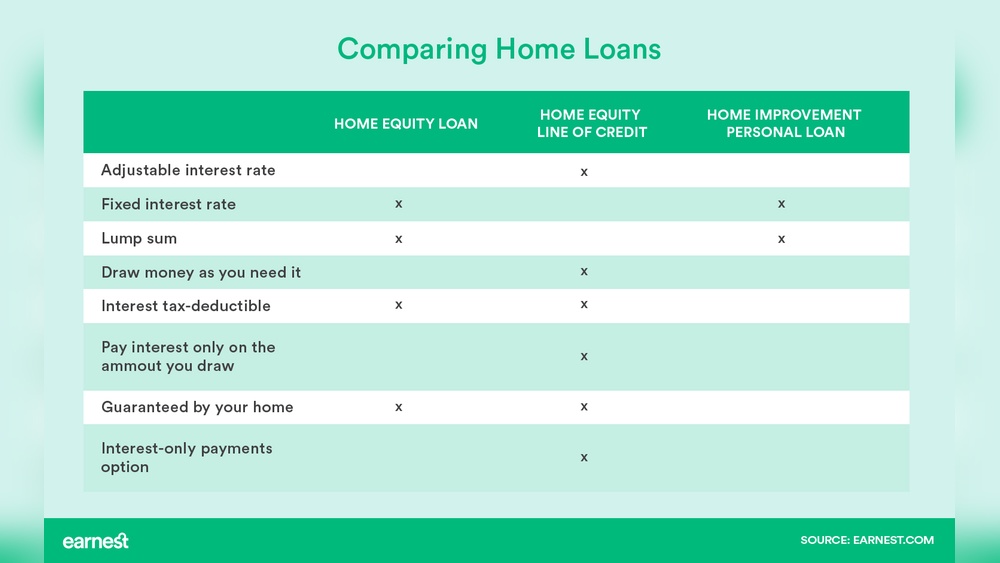
Home improvement loans can be secured or unsecured. Secured loans use your home as collateral, lowering the interest rate. If you miss payments, the lender can claim your property.
Unsecured home improvement loans do not require collateral. They usually have higher interest rates because they carry more risk for lenders. Personal loans are mostly unsecured, making them flexible but often more costly.
Credit: www.earnest.com
Personal Loan Essentials
Personal loans are a popular choice for many financial needs. They offer flexibility and quick access to money. Understanding the essentials helps in making smart decisions. This section explains the basic features of personal loans.
General Uses
Personal loans cover a wide range of expenses. People use them for debt consolidation, medical bills, or travel. These loans also help with home repairs or unexpected costs. There is no restriction on how to spend the money. This makes personal loans versatile and convenient.
Loan Security And Terms
Personal loans are usually unsecured. This means no collateral is needed to get the loan. Lenders rely on credit history and income to approve the loan. Interest rates tend to be higher than secured loans. Loan terms vary from one to seven years. Monthly payments remain fixed during the loan period.
Interest Rates Comparison
Interest rates play a key role in choosing between a home improvement loan and a personal loan. These rates affect the total amount you repay. Understanding how rates differ helps in making a smart borrowing decision.
Rates For Home Improvement Loans
Home improvement loans usually offer lower interest rates. Lenders see these loans as less risky because the home acts as collateral. This security allows lenders to provide better rates. Rates can vary based on credit score and loan amount. Typically, rates range from 5% to 8%. Fixed rates are common, so monthly payments stay the same. Lower rates mean less cost over time for borrowers.
Rates For Personal Loans
Personal loans often have higher interest rates. These loans are unsecured, meaning no collateral backs them. Without collateral, lenders face more risk. To balance this, they charge higher rates. Rates for personal loans usually fall between 8% and 15%. Rates depend on credit history, income, and lender policies. Many personal loans have fixed rates but some offer variable rates. Higher rates increase the total repayment amount for borrowers.
Collateral And Risk Factors
Understanding collateral and risk factors is important when choosing between a home improvement loan and a personal loan. These elements affect loan costs, approval chances, and potential consequences if payments are missed. Knowing how collateral works and the risks involved helps you make better financial decisions.
Using Home As Collateral
A home improvement loan often requires your house as collateral. This means the lender can claim your home if you fail to repay. Using your home lowers the interest rate because the loan is secured. Lenders see less risk and offer better terms. However, you risk losing your property if payments stop. This makes it crucial to be sure you can afford the loan before borrowing.
Risks With Unsecured Loans
Personal loans usually do not need collateral. They are unsecured loans, so lenders rely on your credit score and income. These loans carry higher interest rates to balance the higher risk for lenders. Missing payments can damage your credit and lead to collections. You will not lose your home, but the financial and credit impact can be serious. Always consider your ability to repay before taking an unsecured loan.
Loan Approval And Accessibility
Loan approval and accessibility vary between home improvement loans and personal loans. Each loan type has specific requirements and conditions for approval. Understanding these differences helps borrowers choose the best option for their needs.
Credit Score Considerations
Personal loans often require a good credit score for approval. Lenders use credit scores to assess risk and determine interest rates. Higher scores increase the chance of approval and better loan terms.
Home improvement loans may accept lower credit scores. Since these loans are often secured by your home, lenders take less risk. This security can make approval easier for some borrowers.
Home Equity Requirements
Home improvement loans usually need home equity as collateral. This means you must own part of your home free and clear. The amount you can borrow depends on your home’s value and existing mortgage balance.
Personal loans do not require home equity. They are unsecured, so no collateral is needed. This makes personal loans accessible to people who do not own a home or have low equity.
Repayment Terms And Flexibility
Repayment terms and flexibility play a key role in choosing between a home improvement loan and a personal loan. These aspects affect how easily you can manage monthly payments and the total time to repay the loan. Understanding the differences helps you pick the loan that fits your budget and needs better.
Loan Duration Differences
Home improvement loans usually have longer repayment periods. They can last from five to fifteen years, giving you smaller monthly payments. Personal loans tend to have shorter terms, often between one to five years. Shorter terms mean higher payments but less interest over time. Longer loan durations offer more breathing room but may cost more in total interest.
Payment Schedules
Home improvement loans often have fixed monthly payments. This makes budgeting easier with steady, predictable costs. Personal loans can have fixed or variable payments, depending on the lender. Some personal loans allow early repayment without fees, adding flexibility. Home improvement loans may charge penalties for early payoff, so check terms carefully.
Funding Speed And Process
The speed and process of funding differ between home improvement loans and personal loans. These differences affect how quickly you can access money and start your project. Understanding these factors helps you choose the right loan type for your needs.
Typical Approval Times
Home improvement loans often take longer to approve. Lenders require property appraisal and equity verification. This adds extra steps to the process. Approval can take from a few days to several weeks.
Personal loans usually have faster approval times. Many lenders offer instant or same-day decisions. The process is simpler because these loans are unsecured. Approval can happen within minutes to a few days.
Disbursement Methods
Home improvement loans often release funds as a lump sum. The money may go directly to you or the contractor. Some loans release money in stages based on project progress.
Personal loans typically disburse funds in one lump sum. The full amount goes directly to your bank account. This makes personal loans convenient for quick access to cash.

Credit: www.coastccu.org
Choosing The Right Loan
Choosing the right loan can save money and stress. Both home improvement loans and personal loans serve different needs. Understanding when to choose each helps in making smart financial decisions. This section explains when to pick each loan type for your situation.
When To Pick Home Improvement Loans
Home improvement loans usually offer lower interest rates. They use your home as collateral, reducing lender risk. Choose this loan if you plan big projects like remodeling or adding rooms. It suits homeowners who want long-term financing with steady payments. This loan often has higher borrowing limits than personal loans. It is ideal for projects that increase home value. Also, home improvement loans may have tax benefits. Consider your ability to repay before using your home as security.
When To Opt For Personal Loans
Personal loans do not require collateral, so no risk to your home. They are faster to get and have simpler approval processes. Pick a personal loan for smaller repairs or quick fixes. This loan works well if you do not own a home. Use it for projects without increasing home value, like painting or new appliances. Personal loans have fixed terms and monthly payments. They may have higher interest rates than home improvement loans. Ideal for borrowers who want less paperwork and faster funds.

Credit: www.marinerfinance.com
Frequently Asked Questions
Are Home Improvement Loans Cheaper Than Personal Loans?
Home improvement loans often have lower interest rates than personal loans because they use your home as collateral. Personal loans usually cost more.
Is A Home Improvement Loan Considered A Personal Loan?
A home improvement loan can be a type of personal loan, often unsecured and used specifically for renovations. Some home improvement loans are secured, like home equity loans, which use your house as collateral and usually offer lower interest rates.
Is It Better To Get A Personal Loan Or Home Equity Loan?
Home equity loans offer lower interest rates but require home ownership and equity. Personal loans are quicker and unsecured but usually have higher rates. Choose based on your credit, home equity, and urgency.
Is It Better To Get A Home Loan Or Personal Loan?
Home loans offer lower interest rates but require collateral. Personal loans have higher rates and no collateral. Choose based on credit, purpose, and risk tolerance.
Conclusion
Choosing between a home improvement loan and a personal loan depends on your needs. Home improvement loans usually have lower interest rates. They use your house as collateral, which can reduce risk for lenders. Personal loans do not require collateral but may have higher rates.
Personal loans offer more flexibility for various expenses. Consider loan terms, interest rates, and your repayment ability. Always compare options before deciding. This helps you make a smart financial choice for your home project.