

Houseplants are indoor potted green plants cultivated for clean air, decoration and tranquility.
Favorites such as pothos, snake plant and peace lily grow well in US households with temperatures between 60 and 75 degrees Fahrenheit and bright, indirect light.
Weekly watering and monthly half-strength 10-10-10 feed keep leaves lush.
Below are low-cost starter picks, pet-safe varieties, and easy brown-tip cures so your space stays seasonal all year.
Decoding Your Home’s Light
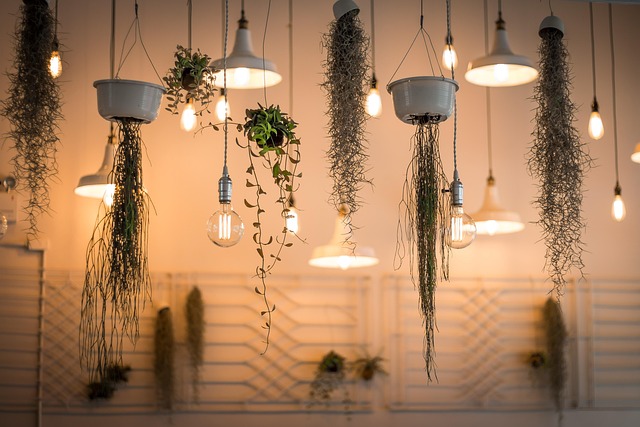
Light conditions in a US home can vary ten-fold from one corner to the next, affecting the health of indoor plants. To assess this, walk through the rooms at 8 a.m., noon, and 4 p.m., tracing a rough floor plan while recording foot-candle measurements with a $25 phone app. Delineate areas as low (50 to 150 fc), medium (150 to 400 fc), and bright (400 to 1,000 fc) to determine the best spots for your house plants.
Consider factors like sash width, patio overhangs, and off-white paint, as these elements can influence how light interacts with your indoor environment. Rank all locations from 1 to 3, then label each pot with a dot sticker to simplify plant placement in your indoor garden.
North-Facing Rooms
North glass provides cool, steady light throughout the day, ideal for snake plant, ZZ or the slender-leaved peace lily. Keep them right on the sill; every foot inward halves light. A matte white wall or thrift-store mirror can reflect a few additional foot-candles onto fronds without heat.
Rotate the pot a quarter turn each week to keep the crown even. Stems lean quickly if the light source is weak. Skip succulents here; they will stall and etiolate. Try button fern or maranta instead. They enjoy the cool, humid atmosphere and do not mind the low light.
South-Facing Rooms
South sills bombard you with 800 to 1,200 foot-candles at midday; cacti, jade, and bird of paradise lap it up. Hang a sheer cotton curtain when leaf edges brown. It chops light by 30 percent but keeps color vibrant.
Relocate pothos or dracaena 2 to 4 feet. In winter, slide pots out to catch the low sun. In July, shift inward to dodge scorch. Follow the transition with a kitchen timer check-in each equinox.
East-Facing Rooms
Morning light stays around 400 to 600 foot-candles then fades, which is great for phals, anthurium, and calathea. Place trays of pebbles and tap water beneath the clusters. Evaporation pushes humidity up toward 50 percent.
Afternoon heat never strikes, so leaf surfaces remain unscorched. Root cuttings here first; the soft ray accelerates cell development without toasting delicate new roots. Once they root, turn them into graduates to a brighter sill if required.
West-Facing Rooms
Afternoon sun punches in hard, frequently exceeding 700 fc beyond 2 p.m. Turn blinds to 45° so dracaena, rubber plant, or young monster get bright but filtered rays 3 ft from the glass. Test humidity at 3 p.m.
If the digital gauge is below 40%, mist leaves once. Turn pots every few days to keep stems straight. West light is intense and directional, so lean develops quickly. Stick cacti here only if you can cover them on July and August peaks.
Choosing Your Low-Light Houseplants
A shadowy hallway or a north-facing studio can still support vibrant indoor plants. To enhance your indoor environment, match the ideal plant to the spot: snake and cast-iron handle thrive under 50 foot-candles, while peace lily and parlor palm prefer eight to twelve hours of filtered light.
1. The Survivor
Snake plant is the number one plant that can survive neglect, forgetting to water it, and it will live. Its vertical leaves slide between dresser and wall, no more expansive than a book. Use cactus mix in a clay pot so roots can breathe and rot stays away.
Feed with half-strength liquid monthly while days are long. New shoots erupt like green spears, giving silent stature to dead corners.
2. The Vining Heart
Heartleaf philodendron drapes quickly. Pinch a stem, pop it in water, and swap with a friend next week! Let the top inch dry before the next drink. Soggy peat smells like old gym socks.
Train vines along mini-hooks above the window. They throw dappled shadows and transform a blank wall into a living tapestry.
3. The Modern Sculpture
ZZ plant gleams like a coat of boot leather dressing. One in bare terracotta stands like a mini sculpture on a white desk. Wipe dust off with a damp sock so leaflets snatch every lumen.
It shrugs off dry heat from the radiator and craves water perhaps twice a month.
4. The Cast-Iron Classic
Cast-iron plant lurks in blackest hall and somehow still appears fresh. Slide simple nursery pot into brass planter for styling, with the same hardy center. During dry periods, water only when soil is bone-dry because those thick roots mean the plant stores drinks for later.
Tuck a small Boston fern next to it for lacy contrast.
5. The Elegant Bloom
Peace lily waves white flags even in shadow. Moist soil is like a wrung-out sponge. If leaves droop, give a drink and they perk by supper.
A steamy bathroom prolongs blooms. Wipe large leaves to prevent mites.
6. The Trailing Velvet
Micans leaves are soft coin. Hang in macramé above couch. Bronze vines drop, slow fireworks. Pinch tips so plant stays full, non-stringy.
Feed six-week shot of liquid fertilizer for shine.
7. The Tabletop Palm
The parlor palm, a popular houseplant, remains knee-high and pet-safe, making it an ideal indoor plant option. To ensure healthy plant growth, place it five feet from the east window for even illumination and mist regularly.
8. The Lucky Charm
Jade plants store water in their fat stems, making them an ideal house plant option, as they only need to be watered every few weeks. We shallow pot this succulent in our breakfast nook, where it absorbs the briefest morning rays, keeping its leaves plump and healthy.
9. The Chinese Evergreen
Aglaonema’s silver streaks brighten the cubicle under fluorescent tubes. Let the top two inches dry, then soak. There should be no standing water to avoid rot.
A quick leaf wipe doubles as a screen break.
10. The Prayer Plant
Maranta, a popular houseplant, folds its leaves up at dusk, resembling hands. Keep the soil lightly moist and pair it with calathea plants on a pebble tray to create an ideal indoor garden for shared humidity.
Plants for Medium Light
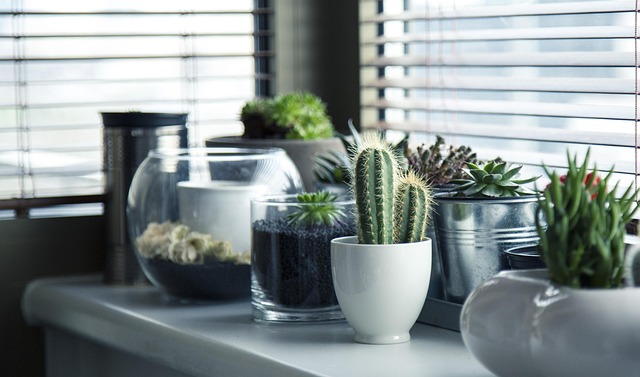
Medium light, at 100 to 200 foot-candles, falls 3 to 6 feet from south or east windows, frequently diffused by translucent curtains. This area never allows sun to strike the leaf, so it is intense enough for photosynthesis but mild enough to avoid leaf scorch. It is the light that most city apartments have more of than any other, which is why the plant list below is so long.
- Fiddle Leaf Fig
- Rubber Plant (burgundy, ruby, or variegated)
- Monstera Deliciosa
- Dracaena ‘Lisa’, ‘Janet Craig’, and ‘Limelight’
- Chinese Evergreen ‘Silver Bay’, ‘Siam Aurora’, ‘Red Valentine’
- Calathea Orbifolia, Medallion, and Lancifolia
- Golden Pothos, Neon Pothos, Marble Queen
- Heart-leaf Philodendron, Brasil Philodendron
- Spider Plant ‘Vittatum’ and ‘Bonnie’
- ZZ Plant ‘Raven’ and classic emerald
- Peace Lily ‘Sensation’ and ‘Domino’
Quick glance guide for shoppers
|
Plant |
Leaf span |
Water cadence |
Speed |
|---|---|---|---|
|
Fiddle Leaf |
10–18 in |
7–10 days |
slow |
|
Rubber |
4–8 in |
10 days |
med |
|
Monstera |
12–24 in |
5–7 days |
fast |
|
Dracaena |
2–3 in wide, 12 in long |
14 days |
slow |
|
Chinese Evergr. |
4–10 in |
10 days |
med |
|
Calathea |
6–12 in |
5 days |
med |
|
Pothos |
2–4 in |
7 days |
fast |
|
Philodendron |
2–5 in |
7 days |
fast |
|
Spider |
8–16 in |
5 days |
fast |
|
ZZ |
3–4 in |
14–21 days |
slow |
|
Peace Lily |
4–8 in |
5 days |
med |
Rotate each pot a quarter turn at each watering. That keeps stems standing upright and leaves lush on every side.
Fiddle Leaf Fig
Place the tree just inside an east window or four feet from a south window with a sheer curtain. Cold drafts from hall doors or AC vents cause new leaves to drop, so slide the pot a foot or so away if you detect any air movement. Dust blocks chloroplasts on those giant paddles, so swish both sides with a moist microfiber every Sunday while the coffee mugs are being washed.
Water until a trickle seeps from the drain holes, then let the top two inches dry completely. Soggy peat induces red edema dots on young foliage. Young trunks wobble once they are over 3 feet, so tie them to a bamboo stake to prevent roots from shifting while they thicken.
Rubber Plant
Choose burgundy for deep tone or variegated ‘Ruby’ for pink flashes. Both provide color without blooms. I mix one part bagged compost, one part indoor potting soil, and one part perlite so water runs through fast.
When the plant hits the ceiling, pinch the top node just above a leaf scar. Two new branches sprout and maintain the form bushy, not beanpole. Treat it to a balanced liquid feed each month at label half-strength. The leaves stay glossy and thick without salt crust on the soil.
Monstera Deliciosa
Provide it a moist moss pole to scale. Aerial roots hook on like they do to sopping bark in Mexico. Turn the pot every week so that each new leaf is facing the light and the splits align like ripped paper snowflakes.
Water when the top third of the mix dries, moist but never swampy. Wash dust off leaves in the shower. Smooth slices trap more light and expose that Swiss-cheese look.
Plants for Bright Light
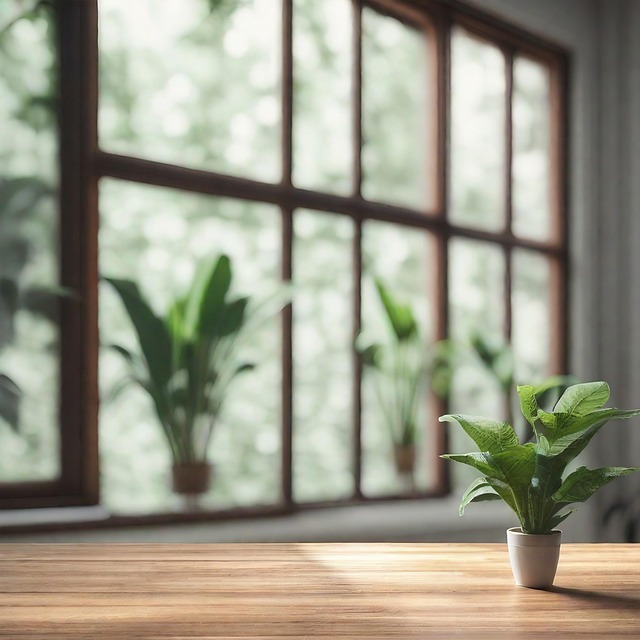
South or west locations within two feet of the glass provide the most rays. A sill that faces due south can reach 10,000 foot-candles at noon. Step back three feet and it’s half that amount. Reserve that tier for plants designed to absorb sun.
- Bird of paradise, croton, succulents, aloe, echeveria, haworthia, rubber plant, and alocasia.
- Jade, snake plant, ponytail palm, string of pearls, kalanchoe.
Leaf burn presents itself as bleached patches or dry brown edges. Introduce new plants to direct light by giving them one week of bright indirect light, then slide them closer each day. Terracotta breathes and keeps roots from cooking. Plastic traps heat.
Bird of Paradise
Big banana-style leaves and orange crests create a mini jungle in your indoor space. To maintain healthy plants, ensure they receive six hours of bright indirect light, which helps keep the splits small. In dim rooms, consider adding a 12-watt LED grow bulb for optimal indoor plant growth. Dust can easily be wiped off with a damp cloth, as pests loathe clean surfaces.
Succulents
Cluster echeveria, aloe and haworthia in shallow clay pans with cactus mix. Example plants for bright light provide 4 to 6 hours of direct sun, which locks in tight rosettes and red leaf edges. Drench the pot, then forget it until the dirt is bone-dry. Trim drinks in half during winter.
A little desk fan on low for two hours a day keeps fungus away.
Croton
Gold, rust, and green paint every leaf like a live art print on a sunny sill. Plant in bright light and keep the mix just barely moist. If it dries once, leaves hit the floor. Keep the temperature above 60 °F and away from winter drafts or pigments fade.
Pinch the top pair of leaves and side shoots fill in quickly.
Creating Your Indoor Ecosystem
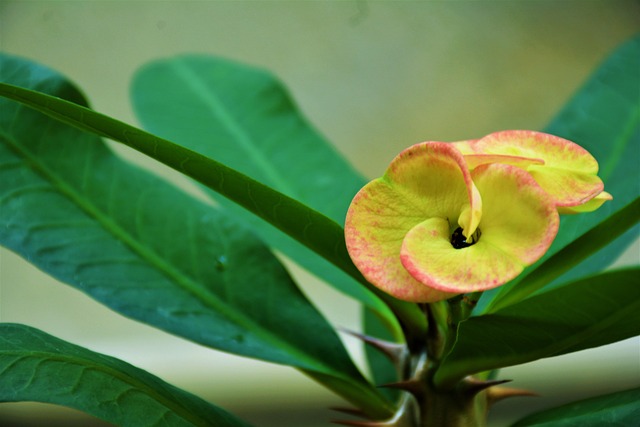
Think of a room as a stage. Place the tall fiddle-leaf fig in the back corner, rest medium-height pothos on a side table, and cascade string-of-hearts from a low shelf. I like that layered look that gives depth and keeps every leaf in sight.
Drafty Chicago windows can swing from 45 °F in January to 85 °F in July, so leave an inch between pot rims and glass. A micro-ecosystem develops when light, water, and humidity requirements align. Group together plants that share the same script and the entire cast flourishes.
Grouping Plants
Place humidity enthusiasts on a broad plastic tray filled with pea gravel and a half inch of water. Ferns, calathea, and prayer plants breathe out vapor, coaxing room humidity from arid 15% toward the 50% they prefer.
Mix leaf sizes for texture: broad monstera throws shade for thin spider plant blades, creating depth without extra floor space. Space pots so that air can slide through. Leave two finger-widths between pots, as still air invites spider mites.
Once a month, turn the whole cluster a quarter turn so the side that faced the wall gets its turn in the sun.
Airflow and You
A silent six-inch oscillating fan on the lowest setting, six feet back, mimics the gentle breezes of a wood’s edge. A direct blast can rip orchid petals or curl calathea leaves, so target the sweep above foliage tops.
Light winds dry leaf surfaces quickly to prevent fungal spots while surrounding tropicals with humid air. Ten minutes of open-window airing on mild days, the simple pressure change flexes stems and exchanges stale indoor air for fresh.
The Soil Foundation
Succulents rest in swift cactus mix, ferns submerge into peat-heavy earth, and aroids anchor into coarse bark chips. Each blend aligns pore space with root morphology.
Mix in additional perlite if water hangs around more than a day. Roots require oxygen more than they require a drink. Once yearly, scrape off the top two inches of old soil and spoon in fresh sterile mix.
You refill nutrients without the shock of a full repot. Begin new plants in bagged ‘sterile’ soil to bypass sneaky fungi cloaking backyard dirt.
Debunking Common Plant Myths

Old myths about indoor plants are hard to kill, particularly the ones stamped on plastic plant labels. Here are the three most expensive myths still whirling around LA plant swaps, along with speedy lab-backed solutions that keep healthy plants alive.
Misting Misconceptions
A quick spritz is a spa, but the humidity boost endures for maybe three minutes before LA’s dry air devours it. Water droplets that remain on leaves after 10 a.m. May ‘cook’ under sun and encourage leaf-spot fungi, marked by brown dots with yellow halos, which often appear first on monstera and fiddle-leaf figs.
Trade the spray bottle in for a tray of pebbles and water tucked beneath the pot. Evaporation provides a consistent 5-10 percent boost all around the leaves without dampening them. Grouping plants helps too. Four medium pots on a 2-foot shelf can increase local humidity by 12 percent.
If you still love to mist, do it at 7 a.m. With a fine nozzle, then crack a window or run a small fan so leaves dry before night. Good airflow, the part most living-room jungles omit, is the least expensive powdery mildew insurance.
Watering on a Schedule
Calendars murder plants way more than drought. A hard and fast ‘every Tuesday’ rule overlooks the 20 °F difference between a Santa Ana week and a June-gloom spell. Poke a finger one inch down. If the mix feels like a wrung-out sponge, wait.
If it’s dry and cool, water until a trickle dribbles from the drain hole. Transparent nursery pots assist novices in sensing color shift. Dark mix indicates wet, tan light indicates dry. Moisture meters cost $12 at most hardware stores on Venice Blvd. They eliminate the guesswork for succulents that like to stay bone-dry two inches down.
Over-watering remains the number one way city dwellers dispatch plants to the dumpster. Saturated soil cuts off oxygen and roots suffocate in just 48 hours.
Bigger Pot, Better Growth
Roots love to be cramped, like just right stretching jeans. Jumping from a 4-inch nursery can to a 12-inch decorator urn leaves a lake of soil that remains wet for weeks. Root rot sets in before top growth even notices.
Move up just 1 to 2 inches in diameter when white cords loop around the bottom. Terra-cotta breathes far faster than ceramic, so a slight upsize in clay still drains fast enough for a pothos. Not ready to repot? Scratch off the top inch of old mix and replace it with fresh compost. The nutrient boost buys you a year of no shock.
|
Myth |
Fact |
|---|---|
|
Misting daily raises humidity |
Effect lasts ~3 min; trays or grouping work better |
|
Water on a strict calendar |
Soil, light, temp change weekly; finger test first |
|
Big pots speed growth |
Excess soil holds water; root rot risk rises |
|
Plants live fine in zero light |
Even snake plants need some light; total dark kills |
|
Eggshells feed plants |
Calcium releases too slow; balanced fertilizer works |
|
Winter means full dormancy |
Most houseplants just slow down; keep light steady |
Conclusion
Snag a plant today. Place it where you logic the paper. Water when the top inch is dry. See a new leaf sprout in three weeks. Exchange cuttings with a neighbor. Post the root shot. Create a little jungle, one pot at a time. Your air smells fresher, your room looks alive and your stress dips lower. Choose the next plant tomorrow.
Frequently Asked Questions
What counts as “low light” in a Los Angeles apartment?
A north window or a location more than 6 ft from any window can create an ideal environment for indoor plants. If you read without turning on a lamp during the day, it’s still low light for your house plants.
How often should I water low-light plants in SoCal’s dry air?
Stick your finger 1 inch into the soil of your indoor plants and water only when that depth feels dry, typically every 10 to 14 days in indoor environments with average LA humidity.
Are snake plants really impossible to kill?
Almost all indoor plants thrive when given fast-draining cactus mix; just forget about them, and they flourish. Over-watering is the sole quick way to take these live plants out.
Can I grow a fiddle-leaf fig in a West-facing Hollywood window?
Yes, place your indoor plants about 5 to 6 feet from the glass to ensure they thrive. Turn the pot monthly and dust the leaves to prevent scorching from intense afternoon sun.
Do indoor plants clean LA smog out of my air?
One indoor plant isn’t going to overcome traffic fumes. Cluster six to eight medium house plants in a 200 square foot indoor space and operate a HEPA filter for genuine air quality assistance.
Why do my palm fronds turn brown at the tips?
Low humidity and fluoride in LADWP water can affect indoor plants. To ensure healthy plant growth, use distilled or collected rainwater and mist leaves twice a week.