

Heating, ventilation and air-conditioning (HVAC) keeps U.S. Homes around 70 °F throughout the year. A standard split system couples a 92 % AFUE gas furnace with a 14 SEER outdoor unit, distributes air through R-6 flex ducts and exhausts through a PVC flue.
Smart stats trimmed annual bills by 8%. Down below we break parts, costs, and fixes so you can schedule upgrades or call pros with specific questions.
What is an HVAC System?
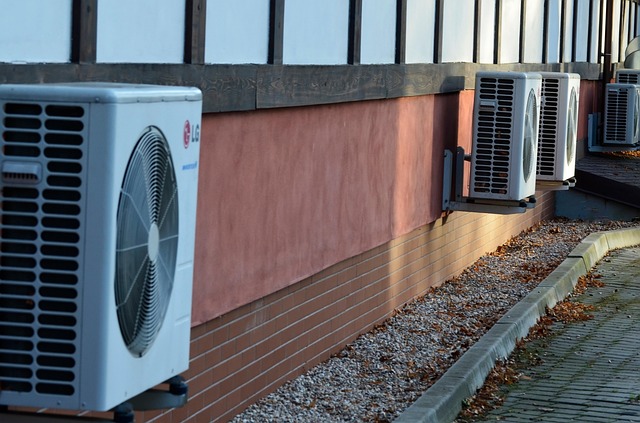
HVAC is an acronym for heating, ventilation and air-conditioning. It’s the one system that heats, cools, purifies, and ventilates indoor air so a home remains healthy and comfortable throughout the seasons. One set of ducts links three jobs: a burner or coil adds heat, fans swap stale air for fresh, and a refrigerant loop pulls heat out when rooms feel too hot.
New models pack in smart stats, two-stage burners and variable-speed blowers so that one system can warm your home to 68 °F on a 25 °F Denver evening and cool it to 75 °F on a 95 °F Atlanta afternoon without wasting money.
1. The Heating
Every U.S. Home burns natural gas in a furnace. The flame heats a metal box, and a blower pushes 120 °F air through supply ducts and floor grilles. Rooms soak that heat up, and cooler air is sucked out through the big hallway grate and recirculated.
Even in Boston row houses you’ll see boilers sending 180 °F water to baseboard fins—same concept, just water rather than air. When just one room feels chilly, a mini-split heat pump or 1,500 W space heater can top off that zone so the main burner idles longer. A Manual-J load calc keeps the furnace right-sized; too big and it short-cycles, too small and it runs all night yet never hits set-point.
2. The Ventilation
Ventilation trades indoor air for outdoor air. Natural draft occurs when you open a window or a bathroom fan generates a small negative pressure that sucks air in via wall vents. Modern tight homes use a balanced ERV.
One fan brings in fresh air, another pushes out stale air, and a core swaps heat and moisture so the furnace does not reheat 10 °F air all day. A good setup keeps CO2 under 1,000 ppm and expels cooking fumes, pollen, and the additional shower steam that feeds mold in a Florida attic.
3. The Air Conditioning
An A/C unit is a heat mover, not a cold maker. Inside the duct, an evaporator coil circulates cold refrigerant. Indoor air flows across it, relinquishes its heat, and exits from the coil at 55 °F.
The heated refrigerant pumps outside to the condenser where a fan offloads the heat into the yard. A 16-SEER scroll compressor can take attic temps from 110 °F to 80 °F and shave 30 % off last summer’s bill. Clean filters every month and a yearly coil wash keep the loop tight.
Dirty fins turn a 3-ton job into a struggling 2-ton money pit.
Your Home’s HVAC Components
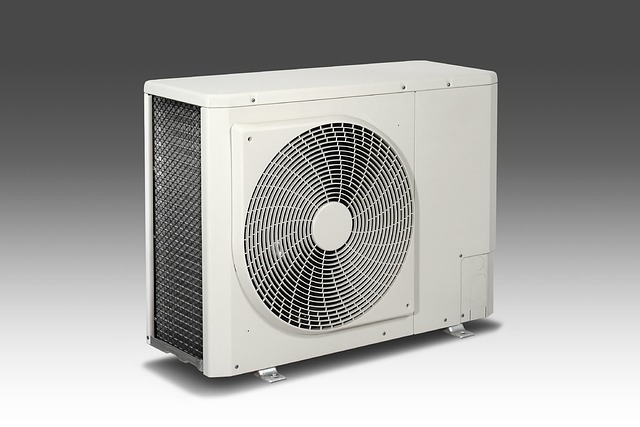
Air exits the room through the return vent, passes a 1″ or 4″ filter, then strikes the blower. The blower blows it across the heat exchanger or cold evaporator coil, down the main trunk duct and out your supply vents. Running in between those two are copper refrigerant lines, low voltage thermostat wire and a condensate drain.
Mark each unit at both ends with a strip of painter’s tape—furnace north side, coil top, condenser pad—so any tech can follow the loop in less than a minute. Schedule the bi-annual tuneup while you’re at it. Most LA companies offer $60 coil-cleaning specials in March and October.
The Heat Source
Gas furnaces still rule L.A. Foothill neighborhoods since winter gas rates are around $1.20 per therm. An 80 % AFUE unit sends 20¢ up the flue, but a 96 % AFUE furnace reduces that loss to only four cents. Electric strip heaters dangle in tiny condos where gas risers don’t squeeze through.
They achieve 100 % AFUE but can triple the invoice if the heat load exceeds 25 kBtu/h. Boilers live on in mid-century floor homes around Pasadena, finite element model of a fin-tube baseboard fed with 140 °F water. Heat pumps exchange heat rather than generate it, so a contemporary 9 HSPF unit provides 3 watts of heat for every watt of power until outdoor air drops below 35 °F.
Then a hybrid board flips to gas for price control. Have a tech leak-test gas unions, scope the heat exchanger, and check burner flame every fall—ten minutes that beats a Monday-night carbon-monoxide scare.
The Cooling Unit
Your home’s A/C components: The outdoor condenser and the indoor evaporator coil are two halves of a circle. The compressor squeezes R-410A into 300 psi vapor. That hot gas runs through copper lines to the condenser coil where a fan blows 95 °F San Fernando Valley air across fins and drops the refrigerant to liquid.
Liquid whizzes through, goes by the expansion valve, and flashes cold in the evaporator while a blower sucks 75 °F return air across it. Maintain palms, weeds, and stacked chairs 2 feet from the outdoor unit so static pressure remains low. A 16-SEER condenser can shave cooling cost by 30% compared to a 13-SEER builder box.
On a $1,200 kWh summer bill, that’s about $120 back in your wallet.
The Air Movers
Air movers are blowers, fans, and air handlers. Single-speed blowers go full-blast, then slam off. Variable-speed ECM motors ramp up like a dimmer switch, providing a quieter start, a longer finish, and better humidity control in July.
Change filters every other month. Miss one and dust bakes the blower wheel, reducing air flow by ten percent and making the back room too stuffy. While he’s maintaining, watch the tech pull the blower door, peek at belts for fraying, and spin the motor by hand.
Any grind means bearings cry for change before Labor Day weekend flunks.
The Control Center
The thermostat is the brain. Twelve volts leave its red wire and summon heat, cool, or fan on command. Clever models figure out when you head off to the 405 commute and nudge set-point up 3 degrees so you never waste money cooling an empty house.
Zone dampers connected to a central panel can direct cool air exclusively to second-floor bedrooms post-sunset while kitchen ducts seal. This is critical in two-story L.A. Builds where stack effect roasts upstairs. Once a year, have a pro check battery voltage and firmware updates so your schedule doesn’t freeze up right before house-guest weekend.
Map parts once, maintain twice, relax year-round.
Common HVAC System Types
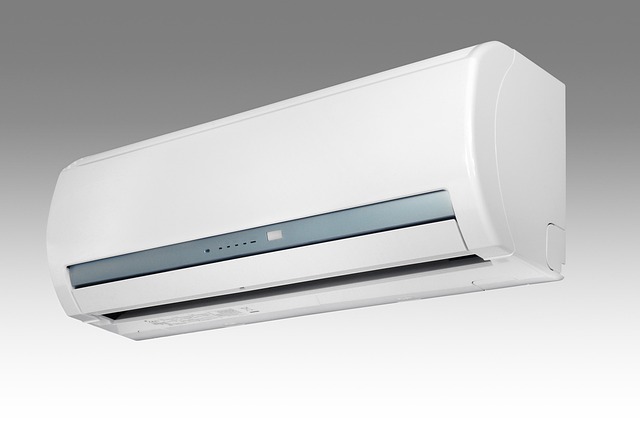
Most U.S. Homes pick from four setups: split, packaged, ductless, or heat-pump. Each one shifts heat differently, and your ideal match depends on home size, ductwork, and winter lows.
|
System |
Key Pros |
Key Cons |
Best For |
|---|---|---|---|
|
Split |
High SEER, quiet inside |
Needs indoor closet & outdoor pad |
Brick ranch with attic ducts |
|
Packaged |
One box, fast install |
Lower HSPF, roof leaks risk |
Small slab or flat roof |
|
Ductless mini-split |
No ducts, zone heads |
Head on wall shows |
Retrofit Cape Cod |
|
Heat pump |
One fuel bill, cools too |
Backup strips add cost |
40 °F winters, no gas line |
Old furnaces and a noisy condenser frequently rate 8–10 SEER. New equipment gets 16–25 SEER and uses half the energy. Layout reverses—traditional systems conceal a coil in front of a basement burner, while contemporary air handlers couple with svelte heat pumps and install sideways in cramped attics.
Up-front price climbs too: a 1990s swap might run $4 k, but a full high-efficiency change-out can hit $12 k before rebates.
Split Systems
Split rigs park the condenser out by the air handler inside. Copper lines of cold juice flow in between. You get two boxes: a cabinet with the coil and blower, a cube with the compressor and fan, plus any thermostat you like.
They achieved 16–20 SEER without breaking a sweat, and the racket-making bits remain outside the living space. A tech should spray the outdoor coil with a hose every spring and inspect the indoor blower every fall so the number stays put.
Packaged Units
A packaged unit packs all components into a single steel casing that lives either on the roof or a patio slab. Since they charge the freon loop at the factory, installation takes hours, not days.
Footprint minimal—excellent when a crawlspace is half dirt. Downside: most top out at 14 SEER and sit in sun, rain, and curious raccoons. Change the filter quarterly and invest in an annual once-over so rooftop seals don’t crack.
Ductless Mini-Splits
Ductless gear pumps small wall heads with thin lines instead of massive metal ducts. Each head cools only a single zone, so you can have the guest room at 75 °F while the den freezes at 68 °F.
Retrofit is clean, just a three-inch hole in drywall. Clean the filters behind the plastic grill monthly. Get a pro to check pressures every other year.
Heat Pumps
Heat pumps move heat instead of combusting gas. Air-source rigs snag heat from 40 °F air and still extract some at −15 °F courtesy of new scroll compressors.
Ground-source loops cost a couple times as much up front but hit 30+ SEER by borrowing steady soil temps. Schedule tune-ups in spring and fall to watch charge and defrost boards.
Match the box to your ducts, wallet, and weather.
Understanding HVAC Efficiency Ratings
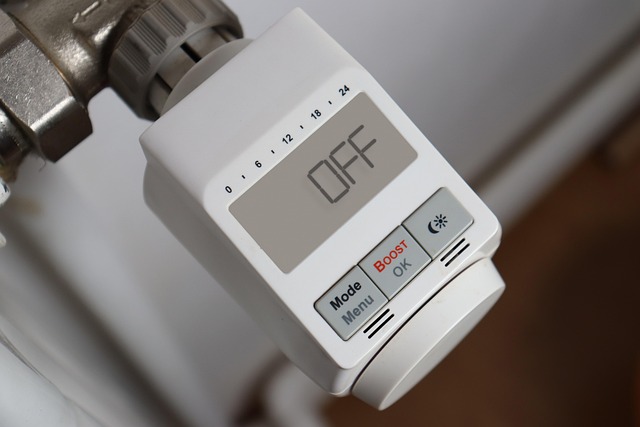
AFUE, SEER, HSPF and EER make fuzzy “efficiency” talk into hard numbers that you can read on the sticker. Higher numbers save you money and the environment, so that sticker is worth a glance before you initial the work order.
For Heating
A 2023 condensing gas furnace rated 97 AFUE converts ninety-seven cents of every dollar you stuff down its throat into heat. A ’89 model that still clanks in the crawl space consumes just eighty.
Heat pumps don’t combust fuel, so they use HSPF—Heating Seasonal Performance Factor. Even when L.A. Drops to 45 ° at night, a cold-climate pump rated 11 HSPF delivers three-plus units of heat for every unit of juice it draws.
|
Type |
AFUE or HSPF |
Fuel |
Notes |
|---|---|---|---|
|
Standard gas furnace |
80 % AFUE |
Natural gas |
Still legal, but cheapest to buy |
|
Condensing gas furnace |
90–98 % AFUE |
Natural gas |
Needs PVC vent, qualifies for SoCalGas rebate |
|
Ducted heat pump |
8.5–12 HSPF |
Electricity |
Works down to 30 °F |
|
Mini-split heat pump |
9–13 HSPF |
Electricity |
No ducts, perfect for granny flats |
South Coast AQ rules get most homes very close to 90% AFUE or 8.5 HSPF if you replace the box after 2023. Select a step up and DWP’s rebate shaves $500 off the bill.
For Cooling
SEER—Seasonal Energy Efficiency Ratio—averages a full summer of starts and stops. The feds now require 14 SEER above Bakersfield and 15 SEER here in Zone 4. A top-tier two-stage Trane clocks in at 22.
Window units still have EER, a single-point lab rating at 95 °F. Anywhere over 12 EER keeps a Studio City bungalow hushed without sending the bill through the roof.
Ductless mini-splits are on the same SEER scale, so a 19-SEER Mitsubishi costs about $110 less per summer than a 14-SEER code-minimum pair. If your split system shipped pre-Obama’s first term, its real-life SEER is nearer 9, due to coil grime and busted contactors.
Taking it out of commission at this point returns it in around five cooling seasons at today’s LADWP tier-three rate. Keep an eye out for that bright yellow Energy Star hang-tag on every box.
It displays the precise SEER2 or EER2 under the new test rig, as well as a QR code that loads a side-by-side cost chart for your zip code.
The Future of Home Climate

Tomorrow’s home climate gear chats with your phone, purifies the air and minimizes your carbon footprint. Rebates as high as $3,200 per home, locked in through the IRA, nudge buyers toward heat pumps and ERVs that consume power and reduce site CO₂.
Designing for an upgrade today means selecting tanks, ducts, and thermostats that still function when July turns to 115 °F and kWh prices soar.
Smart Integration
Wifi stats like Ecobee or Nest let a LA commuter drop the set-point from 78 °F to 72 °F while still on the 405, so the house is cool before she hits Culver City. Sensors in each room feed Alexa or Google.
Say ‘Movie night’ and the damper shuts the guest wing, sending all chilled air to the den. Algorithms track traffic apps and previous arrival times, pre-cooling only on days you really do come home early.
No chilly, vacant house wastes watts. Stick with brands that publish open APIs. Off-brand boxes tend to brick when Apple or Samsung pushes a firmware tweak.
Air Quality Tech
Fresh gear mounts inside the duct: UV-C lamps that fry viruses in 0.3 s, MERV-13 filters grabbing wildfire ash, ERVs pulling 70 °F exhaust heat to pre-treat incoming 95 °F smog, whole-house dehus holding 45 % rh so mold stays dead.
Combined they reduce particulates from 35 µg/m³ to less than 5 µg/m³, the equivalent of a car ride from downtown Riverside to Big Bear. A pro load-calc keeps static pressure under 0.5 in. Wc so the fan doesn’t whine.
Skip the hack job or you’ll choke the airflow you just paid to clean.
Climate Adaptation
VRF heads dial refrigerant flow to precise BTU load. One outdoor unit supplies eight zones, slashing power consumption by 30%. Solar-ready heat pumps couple to 8 kW rooftop strings.
Ice-storage tanks shift cooling to off-peak, 11 ¢/kWh, not 49 ¢. Zoning dampers dump living-room air when CAISO issues a Flex Alert. You still chill the bedroom with a click.
Select units rated for 125 °F ambient. Future summers will challenge that spec.
Why Regular Maintenance is Crucial
A tuned system runs longer, misses major repairs, and keeps bills down. Dust on a coil or a loose belt makes the unit strain. Strain shortens life and spikes watts. Get the small stuff early and the furnace or A/C can hit its 20-year mark instead of punching out at 12. Most makers want to see annual service records too. Miss a receipt and a dead compressor warranty claim can be denied, leaving you with a $3,200 tab.
To maintain your system effectively, follow these steps:
-
Change the 1-inch filter every 30 to 45 days or the 4-inch media every six months so air flows unencumbered.
-
Hose off the outdoor coil post-pollen season. Bent fins get combed straight so heat dumps easy.
-
Flush the condensate drain with a cup of white vinegar every spring. Slime clogs are the leading cause of attic leaks.
-
Ensure supply vents remain 80% open and return grilles remain dust-free. Blocked flow cracks heat exchangers.
-
Tighten set-screws on the blower belt and search for frays. A snap in July means no cool air for days.
-
Drop the set point on your thermostat 3 °F below room temperature and listen for a click. No click hints dead batteries or faulty wiring.
-
Have the tech check refrigerant pressure. Two ounces too low can spike power consumption 10% and ice the coil.
-
Note the amp draw on the fan motor. A spike indicates your bearings are dry and a $200 repair is better than a $900 motor replacement.
Book a pro twice a year: April for cooling, October for heating. The visit costs $120–$180 in L.A. Lasts ninety minutes. Techs oil motors, check gas pressure and test safety switches.
A single system neglected for five seasons can lose 25% efficiency, turning a $200 summer bill into $250 and pushing dust, pollen and even carbon monoxide through the ducts. Tune-ups help landlords avoid 3 a.m. Calls when tenants freeze on a 40 °F Santa Ana night or roast during a 95 °F valley heat wave.
Pay the little bit of money now, give your gear an extra 5-7 years of life, and push a $12,000 complete swap out into the distance.
Conclusion
Your HVAC equipment keeps L.A. Dry in August and warm on those freak 45 degree nights. Exchange the filter monthly, schedule a tune-up every spring, and you slash energy costs by as much as 15 percent. A new duct seal can shave yet another tenner off the monthly bill. If the unit’s ten years and groans, grab a heat-pump upgrade. DWP rebates land at $1,000 currently. Prepare to sense the difference. Call a local tech this week, schedule the check-up, and bank cooler rooms and reduced expenses before the next heat wave hits.
Frequently Asked Questions
How often should I service my HVAC in L.A.?
Two times a year — spring and fall. Desert dust and Santa Ana winds clog coils quickly. Fast 45-minute tune-ups keep energy bills low and mid-summer meltdowns away.
What size HVAC do I need for a 1,500 sq ft SoCal home?
A 2.5-ton, 30,000 BTU unit matches most 1,500 sq ft L.A. Homes with mild winters. Manual-J load calc verifies insulation, window tint, and attic temps for precise sizing.
Does running the AC at 78 °F really save money?
Yes. Every degree higher than 72 °F reduces cooling expenses by 3%. — 78 °F at home, 82 °F out and save up to $240 per LADWP season.
Is a heat pump worth it in Los Angeles?
Definitely. Our 50–80 °F winters enable heat pumps to operate at 300% efficiency, reducing gas consumption. SCE rebates are $1,000 or more, and the mild climate prolongs equipment life.
How long does an HVAC system last here?
12–15 years with twice yearly filter changes and coil rinses. Life is shorter with coastal salt or valley dust. Throw in surge protectors for L.A.’s occasional heat-wave brownouts.
Can smart thermostats lower my LADWP bill?
Yes. Energy Star models cut cooling by 8% by auto-shifting load off peak 4–9 p.m. Rates. Combine with a time-of-use plan and save approximately $180 annually.
Do I need permits to replace my HVAC in L.A.?
Yes. City of L.A. Mechanical permit for new furnace or condenser. Licensed contractors can file online and inspection occurs within 24–48 hrs. It costs about $200.