

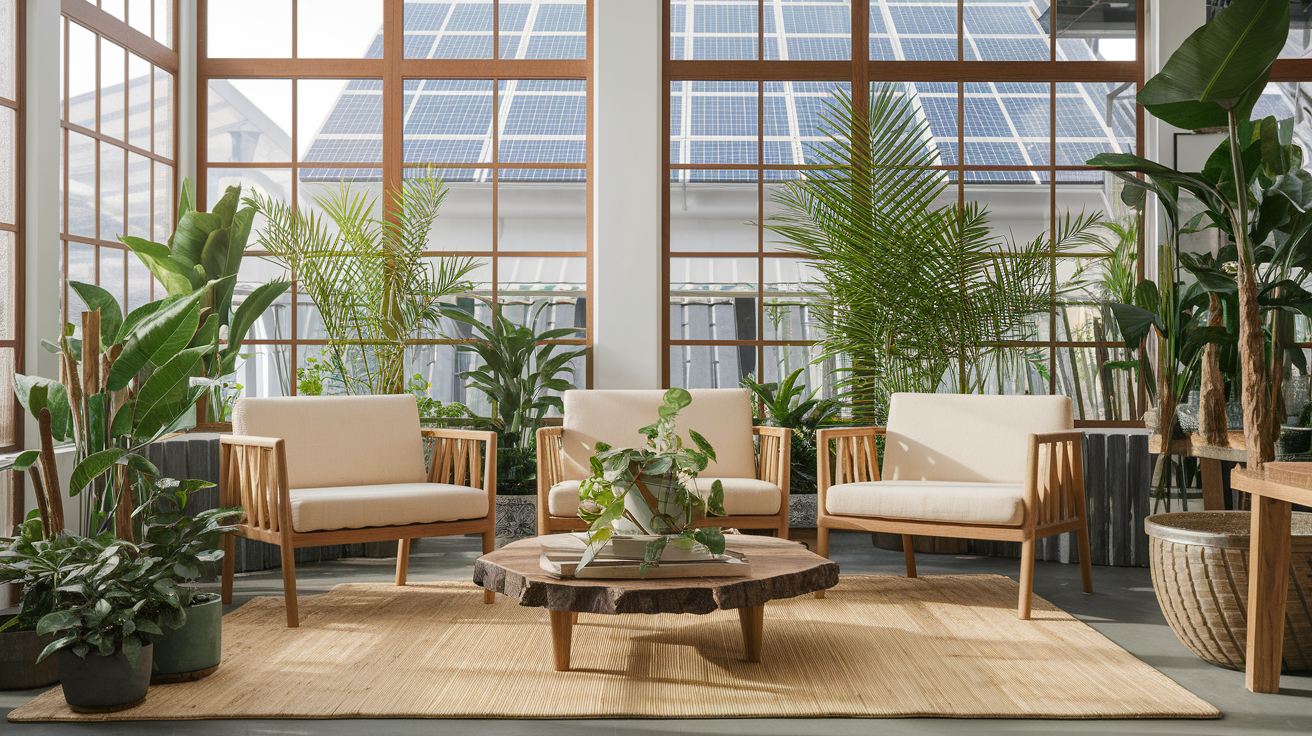
Sustainable interior materials are created using low-impact sources, safe finishes and longevity. In Los Angeles homes and studios, favorite picks are FSC-certified wood, reclaimed oak, low-VOC paints, recycled glass tile, and wool or jute rugs.
To reduce water consumption, they select tiles from regional producers in Southern California. For even crisper air, they utilize no-added-formaldehyde plywood and Greenguard Gold sealants.
To design a room with reduced waste, the subsequent pages detail choices by room and budget.
The True Cost of Materials
True cost goes beyond price tags. It extends across resource extraction, energy and water consumption, transportation, indoor air quality, maintenance, and product end of life. In Los Angeles and other US cities, where drought risk and long commutes contribute extra pressure, the origin and heft of materials count as much as their appearance.
Environmental Footprint
The true cost of materials is often hidden as manufacturing emissions, long-haul shipping, and landfill end-of-life for traditional virgin PVC, acrylic, and quarried stone. By comparison, reclaimed wood, FSC-certified hardwoods, low-cement terrazzo, recycled metal, and engineered wood minimize extraction, decrease waste, and may be recyclable or re-used.
Properly sourced, wood is a particularly sustainable choice — it stores carbon and requires less energy to process. Engineered wood products provide a more sustainable path forward, providing the warmth and biophilic advantages of wood while reducing demand on forests.
A zero-waste approach keeps old casework, doors, and fixtures in the loop via refinish, remanufacture, or parts harvest. This reduces dumpster fees, transportation emissions, and can actually increase lead times in LA’s overly-tight market.
Materials that make the indoor air better—low-VOC paints, formaldehyde-free panels, natural wool—stand up to healthier spaces and fewer complaints and downtime.
| Material | Energy Use (kWh/ft², est. cradle-to-gate) | Water Use (gal/ft²) | VOC/Chemicals (typical) |
|---|---|---|---|
| Reclaimed wood flooring | 1.2 | ||
| 0.5 | Low, depends on finish | ||
| FSC solid wood | 1.8 | 0.8 | Low to moderate (finish) |
| Engineered wood (no-added-formaldehyde) | 2.1 | 0.9 | Very low |
| Recycled steel panel | 3.5 | 0.3 | Very low |
| Low-cement terrazzo | 2.9 | 1.2 | Very low |
| PVC vinyl flooring | 5.8 | 0.6 | High VOC/plasticizers |
Durability
Take smart trips to the resource store. Reclaimed oak, strand-woven bamboo, recycled aluminum, and porcelain tile fend off dents and water. Wood acquires a patina that’s desirable to many people, whereas synthetic surfaces can appear old-fashioned a couple of years after installation.
Maintenance pushes impact out into the long term. In kitchens and entries, choose finishes you can spot-repair: oil-finished wood, modular carpet tiles, and powder-coated metals. These services life-extend without complete replacement.
- Floors: reclaimed hardwood, bamboo, porcelain tile, linoleum (natural)
- Walls: clay plaster, limewash, recycled-content gypsum board
- Counters: recycled paper composite, terrazzo with recycled aggregate, stainless steel
- Millwork: engineered wood with no-added-formaldehyde, FSC plywood
Develop your own room type/foot traffic lists to standardize specs.
Lifetime Cost
Calculate total ownership: upfront cost, install, cleaning, refinish cycles, repair risk, energy savings from thermal mass or reflectance, and disposal. Sustainable designs might appear more expensive because of premium materials and attention to detail, but they frequently deliver lasting worth.
The luxury eco-friendly interiors endure, canceling out the upfront expense. Seek out tax breaks associated with low-VOC materials, recycled content, and energy-efficient improvements — a few of the California and utility programs can even trim down project payback.
Robust choices minimize service calls and replacement turns, boosting resale value in LA’s aggressive market. For client decks, compare lifetime costs in a simple chart: conventional vinyl vs. Linoleum, MDF vs. NAUF engineered wood, acrylic solid surface vs. Recycled paper composite.
Include sourcing notes—material sourcing is a key component of sustainable design and it influences risk and lead time!
Your Sustainable Interior Materials Palette
A practical palette clusters materials by application—floors, walls, casework, textiles, fixtures—so design decisions remain focused and budgets remain sane. Our smart choices reduce a project’s carbon footprint, support LEED, WELL, Living Building Challenge and other green credits, and help meet VOC, recycled content, and regional sourcing goals within 500 miles.
If you live in a sun-drenched climate like Los Angeles, combine these with day-lighting and furniture arrangements that minimize the dependence on electric lights.
1. Reclaimed American Woods
Reclaimed oak, pine and douglas fir from barns, mills or warehouses add patina, all while not engaging in new logging and diverting waste from landfills. Lower embodied carbon and less finishes frequently equates to less emissions, particularly when sealed with low or no VOC products.
Employ as tongue-and-groove flooring, wall slats, beams, and custom furniture to ground modern, rustic or industrial aesthetics. Request chain-of-custody, de-nailing and kiln-treatment verification, and species ID from suppliers.
FSC Recycled and documentation back LEED MR credits. In SoCal, hunt down lumber yards that carry regional discoveries to slash shipping fumes.
2. Fast-Growing Bamboo
Bamboo grows quickly, requires minimal water and produces durable flooring, cabinets and trim. Strand-woven bamboo measures comparable to many hardwoods on hardness and stands up in high-traffic households.
Durability varies by resin and density, so contrast warranties and indoor air quality labels (FloorScore, CARB Phase 2). Transport can bring up carbon, so select items that are warehoused on the West Coast or produced with validated responsible plantation sourcing.
3. Versatile Cork
Cork floors and wall tiles bring warmth, acoustic control, and thermal comfort to your space. The bark is stripped without felling the tree, so it’s truly renewable.
Awesome in kitchens, home offices and playrooms where cushy underfootness does count! Look for low-VOC binders and finishes. Use cork acoustic panels in media rooms, and blend with glass to bounce daylight further into rooms.
Routine care is simple: damp mop, avoid harsh cleaners.
4. Recycled Metals
Use recycled steel for shelving, aluminum for trims and copper for accents and lighting — they’re durable, low-maintenance, and fit your circular-economy goals.
- Favor local recyclers and fabricators to cut transport emissions.
- Ask for Environmental Product Declarations and recycled content sheets.
Metal Supplier Comparison (example)
- Steel: 80–95% recycled; SCS Recycled Content
- Aluminum: 60–85% recycled; UL Environment
- Copper: 70–90% recycled; ISO 14001
5. Innovative Bioplastics
Plant-based plastics and mycelium panels substitute for petroleum alternatives in seating shells, lamp shades, and wall cladding. Many have less embodied carbon and some do biodegrade under the right circumstances.
Apply where water-proofing or slight bendiness assist—bathroom vanities, drawer dividers, protective edge trims. Verify third-party safety (Greenguard Gold, Declare labels).
Vet heat resistance and repair paths prior to specifying in high-wear areas.
6. Natural Fiber Textiles
Opt for organic cotton slipcovers, hemp upholstery, wool rugs and linen drapery to reduce microplastic shed and simplify end-of-life. Low-impact dyes and minimal finishes fuel indoor air quality and LEED EQ credits.
Wool is durable and stain resistant, hemp is strong and wears in well, linen breathes and softens, organic cotton is easy-care but may wear faster on loungy sofas.
Find U.S. Mills or nearby vendors to cut shipping emissions and lead times, and complement with recycled glass accents—glass is endlessly recyclable and supercharges daylight performance.
Decoding Eco-Labels
Eco-labels confirm statements about material health, sourcing, energy consumption and indoor air quality. They indicate third-party verification, but not all labels verify the same things.
Decoding them is about examining lifecycle, ingredients and how a product is made, then aligning that to project goals in LA or anywhere. EPDs communicate environmental impacts such as carbon and smog potential. HPDs disclose ingredients and hazards to human health.
Both assist in delivering on client demands and de-risking submissions for green jobs.
Certifications
Start with systems commonly used in interiors: GREENGUARD and GREENGUARD Gold for low chemical emissions, FSC for wood from responsibly managed forests, Cradle to Cradle (C2C) for material health, circularity, and water and energy use, MAS Certified Green and SCS Indoor Advantage for VOC emissions, FloorScore for resilient and hard-surface flooring, Green Label Plus for carpet, and UL ECOLOGO for multi-attribute sustainability.
LEED credits depend on a lot of these; they’re not a product certification, but they do direct what to spec. Each certification has different areas of focus. Emissions-focused labels tackle VOC limits and chamber testing, which enables healthier indoor environmental quality.
FSC and SFI are about sustainable sourcing and chain-of-custody. SCS and C2C might weigh recycled content and circular design. C2C and ECOLOGO include renewable energy and water stewardship. Always request updated certificates and scope, as some only cover a line or finishes.
Think certified materials when you require predictable performance and submittal documentation. This cut down on back-and-forth with contractors, and it helped align with sustainability plans.
| Interior Category | Common Certifications |
|---|---|
| Paints/Coatings | GREENGUARD Gold, UL ECOLOGO |
| Flooring (LVT, wood, tile) | FloorScore, GREENGUARD Gold, FSC (wood) |
| Carpet | Green Label Plus, CRI, SCS Indoor Advantage |
| Composite Wood | CARB Phase 2/TSCA Title VI, GREENGUARD Gold, FSC |
| Furniture | GREENGUARD Gold, BIFMA Level, C2C, SCS Indoor Advantage |
| Gypsum/Insulation | GREENGUARD Gold, Declare, HPD/EPD available |
| Adhesives/Sealants | SCAQMD VOC limits, GREENGUARD Gold |
Standards
Voluntary standards are about goals, codes are about minimums. WELL and LBC go beyond code on health, materials, and equity. LEED offers a point system, while CALGreen and LA code set required minimums in the area.
Identify materials that satisfy industry standards for safety and environmental criteria. Think ANSI/BIFMA e3 for furniture, CA Section 01350 for emissions, SCAQMD Rule 1168 for wet-applied products and ISO 14025 for EPDs.
Use HPDs for ingredients transparency & Red List compliance when seeking LBC or rigorous client health standards. Think updates. Standards and VOC limits evolve, and new product iterations can push compliance over the edge.
Maintain an up-to-date library and track certificate expiration dates.
Local Sourcing
Local sourcing reduces freight emissions and lead times in Southern California’s sprawling market. It can reduce costs in shipping heavy items such as tile, stone, or casework.
Many categories have strong regional options: FSC lumber from West Coast mills, concrete tile and SoCal-made terrazzo, LA salvage yard reclaimed wood, metalwork and furniture from local stores, and wool or PET acoustic panels made in the Western U.S.
Sample vendors to consider:
- Taylor Guitars’ Urban Wood–city-harvested hardwoods through partners!
- Angel City Lumber (LA) for reclaimed slabs and beams
- Fireclay Tile (CA) for recycled-content tile with EPDs and HPDs
- Concrete Collaborative (CA) for terrazzo and concrete, locally made
- Daltile regional plants for ceramic and porcelain availability
- local BIFMA Level furniture makers in LA/Orange County shop clusters
Collaborate with artisans on custom millwork, metal screens and low-waste finishes. Ask for documentation: FSC chain-of-custody, EPDs, HPDs, and current GREENGUARD Gold.
Confirm scope and lot numbers to validate that the delivered product corresponds to the certified version.
Debunking Common Myths
Myths cloud what eco-friendly interior finishes are capable of. In LA and in general throughout the US, supply chains and building codes and product availability have changed. Style, price and availability are no longer incompatible with sustainability.
Challenge misconceptions that sustainable interiors lack style, durability, or affordability.
Sustainable interiors do NOT look boring or “earthy-only.” Recycled glass terrazzo in crisp whites or charcoals. FSC-certified white oak can feel warm and modern. Linoleum in drenched solids complements pared down kitchens. Low-VOC paints brush to brush with any color chip you desire. It’s not to change the look you desire, it’s to change the inputs that create it.
Durability stands up. Cork floors can withstand foot traffic and recover from indentations. Sintered stone made from natural minerals resists heat and stains without sealers! Wool rugs microplastic less than synthetics and clean well. Engineered hardwood with a thick wear layer can be refinished, not dumped.
State-of-the-art green construction solutions frequently increase service life and reduce repairs, thereby reducing your expenditures over decades.
It’s affordable by scope, not by label. Right-size a space, you purchase fewer finishes. Use common sizes to trim off-cuts and dumping fees. Opt for one long-life surface instead of two short-life swaps. These steps align with inexpensive green building: reduce waste, pick durable goods, and plan for upkeep.
Dispel the myth that eco-friendly materials are always more expensive than conventional options.
TCO tells a clearer story. Low-VOC paints run near regular price tiers and can reduce odor-related holding times. High CRI LED fixtures are more expensive upfront but they save on power bills in a city with sky-high electricity rates.
Linoleum can undercut premium vinyl on lifecycle costs and sidesteps replacement. In fact, some reclaimed wood can be less expensive than new hardwood if it’s available nearby and milled into standard planks.
In addition, several utility rebates in California help to further reduce the cost of efficient lighting and controls.
Address concerns about limited availability by showcasing the growing range of sustainable materials on the market.
Stock isn’t niche anymore. Leading US suppliers are now stocking FSC lumber, EPD-backed tile, recycled-content carpet and no-added-formaldehyde plywood. In SoCal, slab yards carry recycled-content quartz; paint stores carry zero-VOC lines; most flooring stores stock cork, bamboo and linoleum.
Lead times are similar to normal products, and a lot of items have third-party labels (FSC, Greenguard, Declare) you are able to check.
Emphasize that sustainable design practices can enhance both aesthetics and functionality in any space.
Design is not just looks, it is performance. Daylight cuts lighting loads and renders color read true. Cross-ventilation with ceiling fans and operable windows use free wind to cool. High-albedo finishes and good insulation smooth out heat gains.
Renovations can satisfy these objectives as well. Retrofits include low-VOC finishes, improved air filtration and intelligent controls to pre-existing residences and workplaces. Buildings account for nearly 40% of ecological damage from material and construction waste.
Smarter decisions reduce that burden. The grind can be tough, but it’s an opportunity to reimagine habits and define transparent, small-scale objectives compatible with time and budget. Green design doesn’t have to take longer when it’s planned early and well sequenced.
Integrating Smart Systems
Smart controls combined with resilient, low-impact materials elevate efficiency, comfort and longevity. Systems that learn your patterns fine-tune lighting, temperature, and water use, making sustainable interiors work harder with less waste.
Energy Harvesting
Solar arrays on roofs or carports power interior loads such as radiant heat floors, induction ranges and ERV fans. Automated shading with remote blinds reduces heat gain and glare, reducing load on HVAC and safeguarding natural plasters and wood finishes from UV.
Layer LED fixtures with sensors that dim by daylight and occupancy, so rooms use only what they need. An EMS monitors circuits, solar output and plug loads in real time. Dashboards flag spikes from dehumidifiers or servers and recommend setpoint adjustments.
This assists with code compliance and rebate reporting in DR-pushing cities like LA. Opt for ENERGY STAR fridges, dishwashers, heat‑pump dryers, and mini‑splits — they integrate with EMS and load‑shedding schedules.
Combine with smart strips to eliminate vampire power from chargers and TVs. Charge smart devices with renewables first. Save surplus in batteries to power essential loads at night/ outages.
AI routines can pre‑cool floors or pre‑heat water when solar peaks, then coast later.
Checklist:
- Map natural light and heat zones; set shading and dimming policies
- Submeter key circuits; link to EMS with alerts.
- Specify ENERGY STAR equipment; verify network support.
- Plan battery and demand response; test backup scenes.
Water Conservation
Low‑flow faucets and EPA WaterSense showerheads reduce consumption without damaging satisfaction. Heat‑pump water heaters and smart recirc pumps reduce wait times and waste.
Greywater systems direct sink and shower runoff to toilet flushing or irrigation. Sensors temporarily halt flow if quality declines. Pick moisture‑tough finishes: lime plaster, porcelain tile, recycled glass slab, and FSC‑certified woods with plant‑based sealers.
These resist in wet rooms and require gentler cleaning. Rain tanks connected to filtration are able to supply mop sinks, cooling tower make-up or irrigation, relieving stormwater stress in arid areas and at peak demand.
- Use WaterSense fixtures; target under 1.5 gpm faucets.
- Seal woods with low‑VOC oil. Install drip trays at cabinets.
- Specify leak sensors at sinks, washers, and water heaters.
- Choose washable, mold‑resistant wall finishes for baths and laundry.
Air Quality
Low‑VOC paints, formaldehyde‑free MDF, wheatboard and natural plasters all reduce off‑gassing. Smart ERVs counterbalance fresh air with heat recovery, modulating for CO2, PM2.5, VOCs and humidity.
HEPA or MERV‑13 filtration combines with sealed, quiet ductwork. Select wool rugs, solid wood with water‑based topcoats, and Greenguard‑certified textiles. Skip heavy flame retardants where code allows.
Thermo‑ and photochromic finishes can cue solar gain and shading needs. Deploy IAQ monitors in key zones; tie alerts to EMS. Give material acclimation, maintain indoor humidity close to 40–50% to safeguard wood and curb mold.
Designers employ AI to tone scenes, maintain equilibrium and optimize daily utilization.
A Designer’s Perspective
Designers make sustainability central to the brief, not a garnish. Instead, the objective is an environment that functions beautifully, appears elegant and minimizes footprint throughout its lifespan. Selections begin with mindful sourcing and conclude with the way a space feels to inhale and inhabit each day.
Balancing aesthetics, function, and sustainability in material selection
Material picks must merit their position. Reclaimed wood adds both warmth and that tight grain that ‘reads’ quality, as well as chopping demand for virgin lumber. Bamboo provides a crisp, contemporary appearance with rapid regeneration. Reclaimed woods preserve history and minimize waste.
Designers love low- or no-VOC finishes, Greenguard or FloorScore-certified products and formaldehyde-free panels to minimize off-gassing and safeguard indoor air. Natural light is a design tool and a health tool — good daylight mapping and glare control help set circadian rhythms, steady mood, and reduce daytime lighting loads.
Ventilation is designed with the same precision as tile and paint—balanced airflow, MERV 13 or better filters and sealed duct runs optimize IAQ and reduce stress on HVAC systems.
Case studies that raised design and environmental performance
In this stunning Los Angeles loft, a kitchen refresh utilized reclaimed white oak fronts, a recycled steel base for the island, and a terrazzo slab with post-consumer glass. The airspace acquired richness and grain at the same time reducing virgin-material consumption.
Daylight studies took him to a light shelf near a 9-foot window, extending light further in and cutting lighting energy about 25%. In a Santa Monica office suite, cork flooring, wool acoustic panels and limewash paint enhanced acoustics and acted as humidity buffers.
Combined with a demand-control ventilation retrofit, CO2 remained steady during peak hours and employee comfort scores increased. A multifamily lobby in Pasadena used a zero-waste plan: old stone was recut as stair treads, existing casework re-skinned, and lighting retrofitted with LED modules, lowering embodied carbon and avoiding landfill trips.
A holistic approach: lifecycle and well-being at the center
Lifecycle thinking begins on takeoff sheets. Teams stack up embodied carbon, durability, maintenance cycles, end of life paths. The push is to non-toxic inputs, cleanable surfaces and replaceable parts.
Recent research indicates that interiors can trump even the carbon from base building work, which shifts responsibility squarely on finish selections, furniture, and MEP renovations. Designers schedule deconstruction, barcode materials for resale, and construct size-standards to facilitate next swaps.
A lot now operate a zero-waste job log to monitor salvage and recycling. Natural light, fresh air, and energy-smart systems tie the circle: they support health, cut loads, and extend product life.
Education and collaboration to move the field forward
Advancement relies on open data and transparent techniques. Product EPDs, HPDs, and VOC certificates all allow teams to contrast choices. Peer reviews and supplier factory tours and pilot rooms bring real-world wear and maintenance problems to the surface.
Local partners in SoCal– salvage yards, mill shops, refinishers– keep materials in a short loop, reduce transport. Designers consider sustainability table stakes and stay sharp with code changes, IAQ research, and LCA tools.
Conclusion
To close, wise choices accumulate. Low-VOC paint keeps air fresh. FSC wood gives back to the forests. Recycled tile helps reduce waste. Wool rugs breathe and endure. Cork floors are supple underfoot and muffles sound. Heat and dust hit hard in L.A., so seek out breathable walls, shade, and low-water finishes. Go for hardy pieces that stand up to sun and everyday use. Look at labels, but rely on actual information, such as precise VOC grams per liter and certified chain-of-custody.
To help change stick, begin with a single room. Exchange the worst-offender finish. Follow bills and indoor air. Observe less touch-ups, less trash. Spread the word among your crew, your landlord, or your HOA. Need assistance with your shortlist! Tell us your space size and budget, and receive a neat plan.
Frequently Asked Questions
What are the most sustainable interior materials for Los Angeles homes?
Choose rapidly renewable, low-impact options: FSC-certified wood, bamboo, cork, linoleum (not vinyl), recycled steel, recycled glass, and clay or lime plasters. Or for textiles, choose organic cotton, hemp and wool. Low-VOC finishes—particularly important in LA’s smoggy climate—should be a priority.
How do I evaluate the true cost beyond the price tag?
Think about lifespan, maintenance, energy savings, health impacts and resale value. Hardwearing, low-VOC materials reduce medical and replacement costs. Include LADWP and SoCalGas rebates when materials increase efficiency. Long term value frequently trumps the least initial cost.
Which eco-labels actually matter?
Look for third-party certifications: FSC (wood), GreenGuard Gold (low emissions), Cradle to Cradle, FloorScore (flooring), ENERGY STAR (appliances), EPDs and HPDs (transparency), and Declare labels. Validate certificates on the issuer’s website. Steer clear of nebulous assertions such as “ecofriendly” without substantiation.
Are recycled materials durable enough for high-traffic areas?
Yes, if properly specified. Recycled glass countertops, recycled content porcelain tile and composite decking are hard wearing and low maintenance. Verify warranties, abrasion ratings and manufacturer testing. Have them installed professionally for best performance in bustling LA homes.
Can smart systems make my materials more sustainable?
Of course. Smart thermostats, lighting controls, leak sensors, and energy monitors all reduce waste and prolong material life. Combine with efficient insulation and window coverings. In LA, TOU scheduling and DR programs can minimize bills and grid strain.
What common myths should I ignore?
Myths: “Natural equals safe,” “Bamboo is always green,” and “Recycled means lower quality.” Reality: Test for VOCs, verify certifications, and review specs. Shipping, glues and sealers are important. Good recycled products can be better than virgin ones.
How do designers approach a sustainable materials palette in LA?
Designers start with goals: indoor air quality, durability, and local sourcing. They call for low-VOC finishes, certified wood, and locally-produced tile or stone to reduce transport emissions. They juggle aesthetics, budget and code and liaise with contractors for installation.
One thought on “Sustainable Interior Materials: A Practical Guide for Eco-Friendly Home Design”