

Modern luxury kitchen island lighting is the use of premium quality fixtures to improve the aesthetic and functionality of your kitchen workspace.
In Los Angeles, trendy designs typically fuse minimalist aesthetic with warm materials, just like the brass pendants found in many Hollywood Hills homes. The right lighting creates the ambiance for cooking and entertaining.
From streamlined linear suspensions to statement-making chandeliers, this guide will introduce you to a variety of fixture types so you can discover a style that best suits your home’s aesthetic and daily functions.
Selecting Your Island Lighting
Choosing your kitchen island lighting involves more than just picking a light fixture you admire. It requires careful consideration of your kitchen’s overall decor, the island’s main purpose, and its size. A thoughtfully designed plan that balances beauty and utility ensures that your pendant lights enhance the space beautifully without overwhelming it.
1. Define Function
The main function of your kitchen island dictates its lighting requirements. If your island serves primarily as a work space for prep, crisp, focused task lighting is needed. For islands that serve as your dining spot, softer, ambient light provides a more casual mood for eating.
For many islands, they become a focal point for family and friends to gather around, which is where flexible lighting really comes in handy. Adding dimmers lets you tailor the brightness, seamlessly shifting from task light for cooking to a cozy glow for nighttime chats. Thinking about what you actually do at your island will lead you to the best lighting.
2. Determine Scale
Your fixtures should be the right size for your island. Begin by measuring the length and width of your island. For a big island, a long linear pendant or grouping of hefty pendants brings serious design impact.
The classic design rule of three states that an odd number of fixtures tends to be more balanced and pleasing to the eye. If you want even light distribution, space pendants approximately 24 to 30 inches apart. The perfect height is to hang them 30 to 36 inches above the countertop, which gives you plenty of light without blocking the view across the kitchen.
3. Align Style
Your island lighting should just ooze kitchen design, like it’s meant to be there. Check out your current materials—cabinetry, countertops, and appliances—to help steer your decision.
A contemporary kitchen with slab doors could call for a streamlined, minimalist light. A transitional space might call for a more understated chandelier or refined pendants. Coordinate the fixture’s finish to other metals in the room, like cabinet hardware and faucets, for a unified appearance.
In the end, the fixture should furthermore reflect your personal taste.
4. Choose Material
Something else to think about is the materials of your light — they play a big role in the kitchen’s overall feel. Metals like brass or bronze can add warmth, whereas chrome or stainless steel provide a cooler, more modern aesthetic. Glass fixtures, clear or frosted, are elegant and airy.
Think about materials that are simple to wipe down as kitchen lighting can get exposed to grease and steam. Mixing materials like natural wood with metal accents makes for a one-of-a-kind focal point that adds a warm, rustic-modern vibe to the space.
5. Consider Light
Consider the quality of the light. We needed to make a decision on how bright you wanted your lights (lumens) and how warm or cool (yellow vs. Blue) you wanted the light to be (color temperature).
For work-focused islands, a brighter and more neutral light tends to work best. LED bulbs are energy efficient and come in a wide range of brightness and color temperatures.
Pay attention to how the fixture directs light to prevent harsh shadows or glare.
Balancing Form and Function
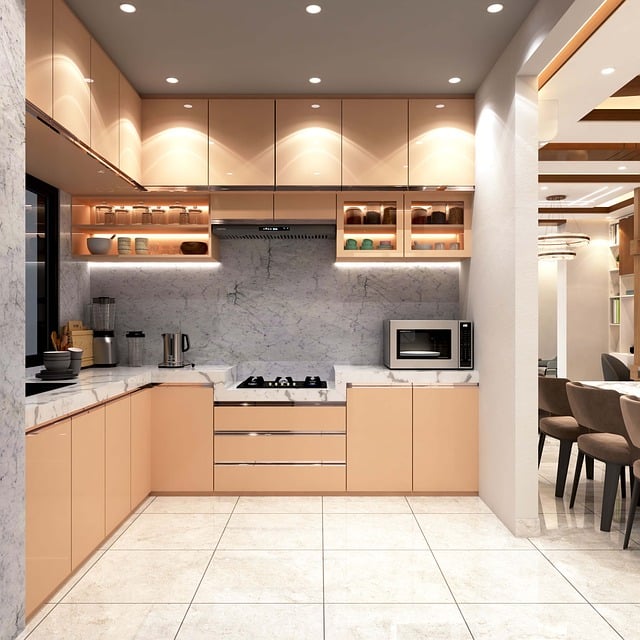
In kitchen design, lighting must serve two equal roles: it has to look good and work well. The right fixture can improve the entire room’s vibe as providing you with the light you require for those chef-prep sessions and everyday chores. This balance is essential for a kitchen island, which tends to be the hub of activity.
By placing it strategically, it can make the room feel more open and functional, great for entertaining or day-to-day living.
Task Lighting
Proper task lighting is the most functional layer, providing you focused illumination exactly where you need it when chopping vegetables, reading recipes, or assisting with homework. Pendant lights are a common selection, as they cast light down onto the countertop.
For a clean, modern feel, recessed lighting can work great. A good guideline is to hang pendants approximately 30 to 36 inches above the counter to light the workspace without obstructing your view.
Make certain the lighting is sufficient to avoid eye strain and eliminate frustrating shadows. About 35 lumens per square foot is an ideal level for kitchen work surfaces. Adjustable fixtures give you the ability to alter a light’s direction and intensity and put you in control over your workspace.
Ambient Lighting
Ambient lighting casts the kitchen’s mood. It’s a soft, general glow that makes the space feel warm and inviting. This layer fills in the light where your task lighting doesn’t reach for a nice cozy foundation.
That’s something you can do with chic chandeliers, a line of pendants or even strategically positioned recessed lights. Installing a dimming system is a wise decision, as it allows you to control the light intensity according to the time of day or activity.
Bright and energized during food prep, low and mellow come nighttime. This layer should play alongside your work and accent lights to form a complete, balanced lighting scheme.
Accent Lighting
Accent lighting puts a little pizzazz in your kitchen. Its purpose is to highlight certain characteristics you wish to display. Consider it a spotlight for your kitchen’s greatest features: a rustic wood beam, an art piece, or a gorgeous backsplash.
Track lighting, tiny spotlights, or wall sconces are perfect for this. They serve as focal points and give the room dimension. You can even use colored bulbs for a subtle pop of color.
This last layer helps bring the entire design together, ensuring your kitchen is not just functional but a true reflection of your style.
Contemporary Lighting Styles
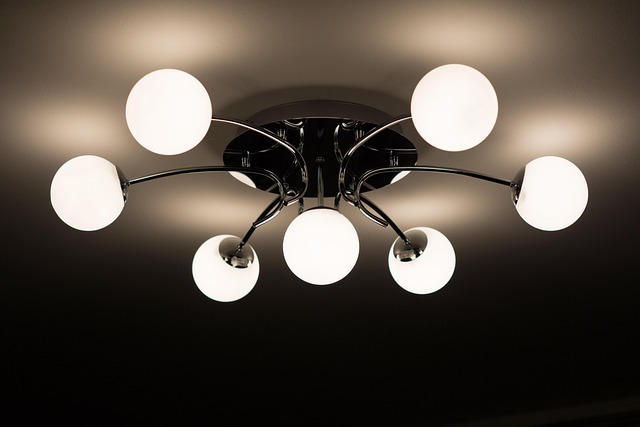
Modern kitchen lighting highlights sleekness, practicality, and material mixing for a chic vibe. Incorporating pendant lights and smart lighting, these innovative designs go beyond mere illumination, enhancing both form and function to personalize your kitchen island with a touch of elegance.
Sculptural Statements
Fixtures can be functional art, providing a bold visual counterpoint over your kitchen island. A statement chandelier or oversized light is a centerpiece.
These designs tend to be more innovative in shape and form. Geometric patterns, like interlocking hexagons or triangles, are a stylish pick-me-up that adds a lively, contemporary flair.
Two-tone finishes, such as matte black with gold or brass, can provide another layer of visual interest to these sculptural beauties. The fixture doesn’t overwhelm the kitchen and works with the overall design for a balanced, cohesive look.
Linear Suspensions
One linear suspension fixture delivers clean, consistent light over the full length of a kitchen island, which is perfect for task lighting. This style of light has clean, minimalist profiles that fit the modern look, providing strong lighting without the visual disruption.
Most models include an adjustable rod or cord, so you can tailor the height to your space. A typical approach is to hang the fixture 30 to 36 inches above the countertop. This guarantees the light is functional for food prep and dining as it stays out of view.
The sleek aesthetics of this linear fixture highlight the island’s length and create a clean, minimalist ambiance.
Minimalist Pendants
Minimalist pendants provide a more subtle take, fading into the kitchen’s overall design. These fixtures are distinguished by clean lines and minimal decoration, emphasizing form and practicality.
A row of clear glass pendants, for example, can add plenty of light without closing the space in. We love the ‘rule of three’ here, as it’s proven that an odd number of pendants look more attractive and balanced.
This style works great in kitchens where other elements such as a dramatic backsplash or countertop are meant to be the stars of the show. The understated nature of minimalist pendants guarantees they’ll illuminate without distracting.
Organic Modernism
This style mixes natural elements to tone down modern designs and add warmth and comfort. Fixtures combine touches of wood, stone, or hand-blown glass, often in earthy hues and textures.
Pairing a warm wood detail with a minimalist metal lamp is a go-to combo for achieving this chic balanced vibe. Handmade or artisanal fixtures can add a unique, personal touch.
As sustainability becomes more important, eco-friendly island lights made from recycled materials are a growing option within this style.
The Science of Ambiance

Lighting is such an important component of what makes a room ‘feel’ right. It cooperates with color, temperature, and even sound to craft the ambiance of your kitchen. It’s more than a vibe; it’s a whole field called “atmospheric psychology,” which examines how physical spaces impact our emotions.
The proper light can make a room feel comforting or stimulating, impacting concentration and even our conduct.
Color Temperature
The warmth or coolness of light in Kelvin (K) provides the overall feel for your kitchen island. The trick is adding just the right temperature to create the right ambiance.
For a cozy, comforting atmosphere, think laid-back family dinners or snuggling on the couch. Choose a color temperature of 2700K to 3000K. This spectrum radiates a warm, yellowish light similar to an incandescent bulb.
For kitchen islands that pull double duty as a cooking or homework workspace, cooler light between 3500K and 4000K offers a brighter, more energizing atmosphere. This neutral white illumination improves concentration and simplifies intricate work.
To have your cake and eat it too, check out bulbs with customizable color temperatures. This enables you to transition from a crisp, energizing daylight hue when working during the day to a soft, soothing amber glow in the evening.
Be certain your selection complements your kitchen’s colors, as the light will impact how your cabinets, countertops, and backsplash appear.
Dimming Systems
Dimmers are a must for your island lights since you want to be able to transform the space for any activity or mood. Equipping a good dimming system allows you complete control over the lighting, ranging from bright and practical for cooking to low and romantic for hosting.
For day-to-day ease, smart lights provide control via remote, your phone’s app, or even voice commands. These systems enable you to pre-set scenes, so you could tap once to switch to your pre-determined “cooking” or “dining” lighting setting.
When choosing a system, make sure that the dimmer switch, light fixtures, and bulbs are all compatible to prevent flickering or buzzing.
Color Rendering
The CRI or color rendering index measures how accurately a light source will show the true colors of things. A high CRI is especially important in a kitchen, where food needs to look good!
An 80+ CRI bulb will make your produce and prepared meals look fresh and tasty. For truest color, seek out full-spectrum bulbs, which are engineered to approximate natural sunlight.
In addition to making your food look amazing, this high-fidelity light makes the entire kitchen feel more alive and beautiful. Opt for high-CRI lighting and you guarantee that the hues in your design from the wood grain on your cabinets to the veining in your marble island are perceived precisely as intended, crafting a more vivid and genuine environment.
Mastering Placement and Scale
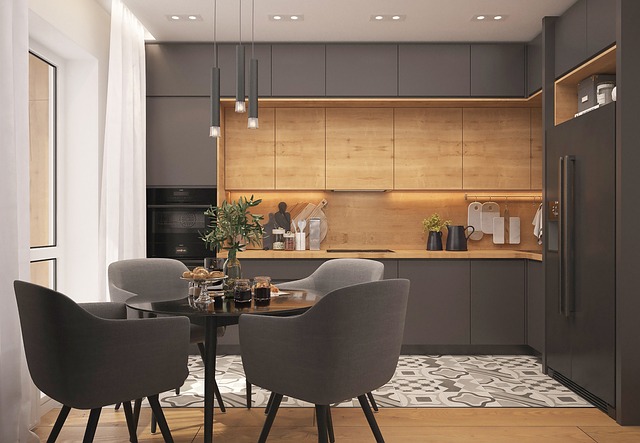
Nailing a sleek look for your kitchen island lighting trends involves more than just the style of the pendant light fixtures. The careful placement, scale, and balance of the lights are crucial not only for function but also for achieving a balanced illumination. By mastering these elements, you’ll ensure your lighting is a seamless and successful component of your kitchen’s interior design.
Proper Height
Where you hang your pendant lights is just as important for utility as it is for aesthetic harmony. For an 8-foot ceiling, the bottom of the fixture should hang 30 to 36 inches above the island countertop. This height offers great task lighting without blocking sightlines across the kitchen.
If your ceilings are taller than 8 feet, you’ll want to tweak this height to keep things proportional. As a rule of thumb, add around 3 inches of hanging height for every additional foot of ceiling height.
It’s useful to think about the tallest member of your family. Try to master placement and scale, making sure the lights hang high enough so that when you stand at the island, they don’t block your view nor cause you to experience uncomfortable glare.
Correct Spacing
Conquering placement and scale is crucial for achieving perfect lighting in your kitchen. Spacing your pendant lights appropriately allows for even light distribution while maintaining a balanced aesthetic. The objective is to illuminate the entire island surface without creating dark or overly bright spots.
As a rule of thumb, space pendants roughly 30 inches apart from each other, center to center. Another effective method is to separate them by twice the width of each pendant light fixture.
The number of lights needed depends on your island’s size; smaller islands typically benefit from two pendants, while larger islands can accommodate three for a more visually appealing layout.
If you’re using two pendants, one of the most important placement tips is to keep each pendant at a minimum of 30 inches from the island’s center. This positioning helps in dispersing the light uniformly across the workspace.
A simple formula can help: divide the island’s length by the number of pendants plus one. For example, to hang two pendants over a 96-inch island, you would divide 96 by 3, hanging a light every 32 inches from the ends and from each other.
Visual Weight
The visual heft of your light fixtures—how big and commanding they feel—needs to match your kitchen’s scale. A heavy, decorative fixture can overpower a small or minimalist kitchen, whereas a delicate one may disappear in a large, imposing space.
Size to scale: a general rule of thumb for keeping things in proportion is to choose a pendant with a diameter that is approximately half the width of your island. For example, if your island is 4 feet wide, a pendant roughly 24 inches wide would be an appropriate scale.
The trick is to select fixtures that are cohesive with the design as a whole. If you’re looking for them to feel light and airy, opt for slender fixtures. If you want something weightier, opt for more substantial ones.
Avoiding Common Design Pitfalls
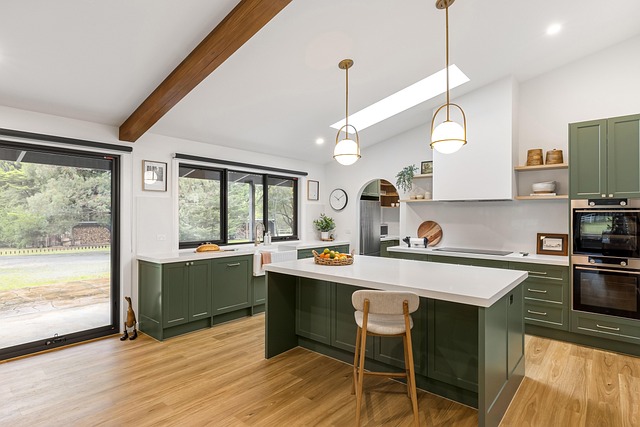
Choosing kitchen island lighting is more than just looking good. It requires deliberate design and smart avoidance of all-too-common design errors. The most common problem is sizing. A fixture that is too small appears insubstantial and a fixture that is too large dominates.
A good rule of thumb is to select a pendant or chandelier with a diameter approximately one foot less than your island width. For multiple pendants, they shouldn’t be wider than one-third the width of the island to feel balanced. Just as important is placement. Pendants should hang 28 to 34 inches over the counter.
If your ceiling is taller than 8 feet, increase this height by 3 inches for each additional foot of ceiling to keep the light useful and unobtrusive. Glare is yet another pitfall that can make a kitchen feel uncomfortable. This frequently occurs with bulbs that are too bright or exposed.
To prevent this, choose fixtures with diffusers or shades that diffuse the light. Layering your lighting with dimmers gives you control over the ambiance. You can brighten the lights for food prep and lower them for a more casual dining experience.
When choosing bulbs, consider wattage and light distribution to avoid an overly lit, harsh environment and instead create an inviting space. A good scheme normally has two or three light sources to avoid inundating the space. For example, pair your island pendants with recessed lighting and under-cabinet lights to create equilibrium.
Aside from design, practicality is paramount. Before buying, make sure that your selected fixtures work with your kitchen’s existing wiring. A complicated setup may need an electrician, which increases the expense.
Consider maintenance. Certain elaborate designs can be a pain to clean, collecting grease and dust in a culinary setting. Think about those replacement bulbs and how much they cost, particularly regarding custom or designer lighting.
For islands less than 5 feet in length, two pendants are typically sufficient, spaced 24 to 30 inches apart center to center. The right design decisions will guarantee your lighting is a permanent, helpful fixture of your kitchen.
Conclusion
The right kitchen island lighting really completes the space. You require a combination of both good looks and functional light. Consider the scale of your island and the height of your ceiling. This assists you in choosing the perfectly sized fixture. From streamlined pendants to statement chandeliers, the choices mirror your style. Nailing the location and brightness makes your kitchen a warm, inviting, and functional place.
Let’s find your perfect fixture! Take a look at our selection of modern island lighting to begin.
Frequently Asked Questions
How high should I hang my kitchen island pendants?
I suggest hanging your pendant lights so the bottom is 30 to 36 inches above your countertop. At this height, you achieve perfect lighting for task work while maintaining an open, airy space without obstructing the view across your kitchen.
What’s the best light bulb color for a kitchen island?
I recommend warm white bulbs at about 3000K for your kitchen lighting trends. This provides you with crisp, bright light for cooking and meal prep while remaining warm and inviting when hosting guests.
Should I put my island lights on a dimmer switch?
Absolutely! An easy dimmer is essential for creating the perfect lighting ambiance. It enables you to switch between bright task lighting for cooking and a soft ambient glow, perfect for dinner parties or a quiet evening at home.
How many pendants should I install over my island?
For a regular-sized island, using two or three kitchen pendants generally works best. If your island is longer, consider adding more pendant fixtures. Maintaining a distance of 24 to 30 inches between each lighting fixture ensures balanced illumination and enhances the overall kitchen lighting trends.
What lighting styles are popular in modern Los Angeles homes?
Some of LA’s favorite modern luxury kitchen island lighting pieces include sleek linear chandeliers and sculptural pendant lights that double as art. The demand for lighting fixtures made from natural materials like brass, wood, and stone reflects our city’s unique blend of modern kitchens and natural style.