

Indoor air quality is the accumulation of dust, mold spores, VOCs, CO₂, and humidity that develops inside American homes and offices.
In LA, where wildfire smoke drifts and HVAC filters clog quick, these levels typically outpace outdoor smog.
Now inexpensive home kits read PM2.5 at 35 micrograms per cubic meter, the EPA red line.
Unmasking Your Home’s Pollutants
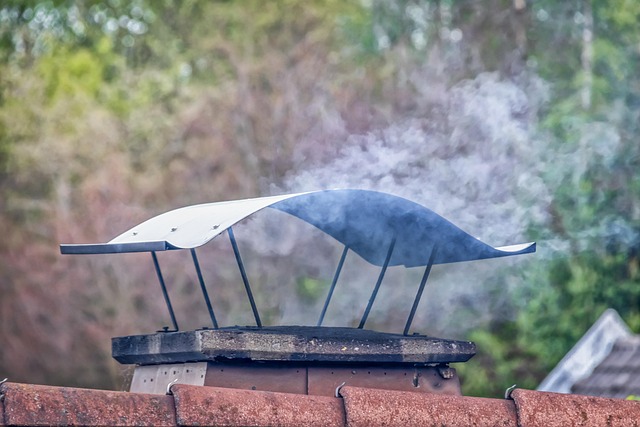
Indoor air can be five to seven times more polluted than outdoor air quality, especially in a downtown LA high-rise. We Americans spend about 90 percent of our lives in indoor environments, where even minor irritants can accumulate. Analysis reveals that the majority of houses harbor at least three major indoor pollutants simultaneously. Left unchecked, these indoor air pollutants can provoke headaches, lethargy, or worse.
1. Biological Sources
Mold spores hitch Pacific storm fronts to SoCal crawl spaces and then flourish behind drywall when showers or leaky pipes nudge humidity over 55 percent. Dust-mite colonies feast on flakes of skin in warm bedroom carpets and cockroach shells crumble in ancient apartment blocks around Koreatown.
A child in a moldy room has a 50 percent increased risk of asthma, only the mildew stench is written off as “old building smell” and overlooked. Once-a-week HEPA vacuum runs, washing sheets on hot, and drying grout lines post-bath drop the allergen load down quickly.
2. Chemical Off-Gassing
That “new bedroom” scent is VOC soup: benzene from plywood bed frames, formaldehyde in laminate dressers, and flame-retardant ethers leaching from 2014 couches. Levels spike in the first six months and then taper slowly, especially when windows stay shut for air conditioning.
Swap composite wood for solid pine or metal, seal back panels with AFM Safeseal, and run a box fan in the window for forty-eight hours after each new purchase.
3. Combustion Byproducts
Gas ranges produce carbon monoxide and nitrogen dioxide with every blue flame that cooks dinner. Research finds LA kitchens spike 30-minute peaks over federal outdoor standards.
A vent hood that dumps outside cuts the load in half, while annual furnace checks stop back-drafting. Just one incense stick or candle brings PM2.5 to wildfire levels in a studio flat. Trimming wicks and using unscented soy wax keeps the flare lower.
4. Particulate Matter
Last year’s Bobcat fire ash still settles in many a Santa Monica duct, swirling with dog hair and skin cells into fine dust that drifts deep in lungs. The EPA link: long-term PM exposure hikes heart attack risk 8 to 16 percent.
Close windows on bad outdoor AQI days, replace junky fiberglass HVAC filters with MERV-11 pleats every 3 months, and add a $120 DIY Corsi-Rosenthal box fan if you rent and can’t install a whole-house unit.
5. Radon Intrusion
Colorless radon slips through cracks in slab foundations, as in our valley neighborhoods built on granitic alluvium. It’s second only to smoking for lung cancer, causing 21,000 U.S. Deaths a year.
A three-day charcoal kit from Home Depot goes for $15, but winter readings may be half those in summer. Follow with a 6-month alpha-track test before selecting remedies. Sub-slab suction costs between $1,200 and $1,800 and reduces levels by 80 to 99 percent.
The Silent Health Toll
We inhale 3,000 gallons of indoor air daily, yet most don’t consider the indoor air pollutants present.
Respiratory Distress
A five microgram bump in PM2.5 inside a 100-bed nursing home means three to five more nebulizer runs every week. That’s a stat from a 2022 UCLA study conducted right here in L.A. County. That same fine dust blows through apartments by the 405 and offices on Wilshire.
Volatile organic compounds, such as new paint, plug-in scents, or that bargain desk’s off-gas, increase respiratory infections by 10 to 15 percent. Below 40 percent relative humidity, the viral bits drift longer. Over 60 percent, and mold joins in.
Maintain between 45 and 55 percent, and respiratory events decrease by 22 percent. Easy arithmetic, yet most buildings fail it.
Cognitive Fog
Stale air slows the brain. In a 2023 UC Davis test, workers in a well-ventilated call center solved puzzles 12% faster than peers in a sealed room with 1,000 ppm CO₂. The distinction was like “a light switch was turned on,” one patient explained.
VOCs do more than stink; they suppress appetite and deep sleep, fogging minds. Night-shift nurses in Sacramento found charts were sharper at 3 a.m. After their station exchanged filters and opened windows.
Clean air is not a benefit; it’s the cost of clear thinking.
Cardiovascular Strain
The minuscule stuff gets by the lungs and into blood vessels. This Boston study connected indoor PM2.5 spikes to a 2 mmHg increase in systolic pressure within two hours of exposure. That sounds minor, but it pushes borderline hearts towards risk.
In Denver high-rises, HOA boards now budget for MERV-13 filters the way they pay for elevators—standard maintenance, not a premium. Seniors at 5,280 feet experience altitude and indoor soot—the combo that can push fragile circulatory systems over the edge.
One hospital experienced reduced chest-pain visits on floors equipped with active air monitors.
Long-Term Risks
Years of silent exposure take their toll. 1990s portable classrooms’ teachers suffer from elevated asthma rates. The silent health toll shows that kids breathing high indoor ozone test lower on lung tests at thirty.
Radon, that colorless gas emanating from Colorado granite, is the nation’s second leading lung cancer culprit after cigarettes. A $15 testing kit delivers results within days.
For immune-compromised patients housebound 95% of the time, every mold spore can signify another round of steroids. The magic formula of little VOCs, filtered particulates, and stable humidity reduces future disease burden more than any miracle drug repertoire.
Why Guess? Get an Audit
A quick walk-through can’t catch the slow rise of CO2 at 3 p.m. or the mold bloom stowed away behind a return vent. An audit parks loggers in your ducts for two weeks, tracking indoor air quality issues that eyes often overlook.
The Professional Eye
Techs show up with a padded case: a laser particle counter the size of a lunch box, a palm-sized CO logger that talks to your phone, and a thermal camera that paints wet studs bright orange. They dispense the gear in three locations—kid’s bedroom, main return, kitchen—and then allow the house to go about its business.
Over fourteen spring days, they observe how your HVAC falls from 52 to 38 percent duty cycle when Santa Ana winds draw outdoor PM2.5 past 55 µg/m³ and how indoor RH rises to 62 percent after you run the dishwasher and dryer at 7 a.m. That combination of information, weather feed, and occupancy record provides an overview no clipboard to-do list can.
What to Expect
You reserve a time online, select spring or fall so the system isn’t stressed to its limits, and open a way to the air handler. The crew tapes a battery-sized CO2 node to the wall, slips a thin temp-RH probe into the supply duct, and snaps photos of every filter date stamp.
They go, you forget they’re there. Ten business days later you get a PDF: color graphs, floor-plan heat maps, and a one-page cost sheet. One client near LAX discovered her 1998 heat strips added $18 per month while letting attic dust ride the backdraft. Swapping to a sealed cabinet and MERV-13 paid itself off in eleven months.
DIY vs. Pro
Sure, a $120 home kit can read PM2.5 for an hour, but it won’t record VOC spikes when traffic peaks at 5 p.m. Or connect those spikes to your kid’s asthma refill rate. Pros sync outdoor NOAA feeds with indoor sensors to five-minute blocks.
They notice that your RH hangs at 59 percent, which is archaic vent mold turf, because the crawl-space vapor barrier stops two feet short. They flag energy waste: one office audit found dampers stuck at 30 percent open, burning an extra $340 yearly on reheat.
Sure, DIY is good for a sniff test, but if your cash or your health are at stake, pony up for the two-week file.
The Cost-Benefit Equation
Investing a couple hundred dollars in improving indoor air quality can significantly reduce medical expenses, lost income, and even home renovation costs by thousands. California’s economy suffers over $45 billion annually due to indoor air pollution, with half stemming from environmental tobacco smoke alone. A rapid audit, clever adjustments, and ensuring proper ventilation can turn the accounting from red to black in less than 5 years, addressing major indoor air pollutants effectively.
Audit Expenses
A pro walk-through goes for $300 to $600 in L.A. Tack on another $150 if you want a lab-grade particle count. That cost includes a tech who inspects vents, cooktop hood draw, and if the garage-to-house pressure gap draws car exhaust inside.
If your home is smaller than 970 sq ft, the tester typically requires one less air sample, so you save around $50. Most reports arrive in 48 hours and prioritize problems one, two, three, so you can choose what to address first instead of throwing money at every tool on Amazon.
Mitigation Costs
A MERV-13 filter swap is $12 apiece and good for three months. A new bath fan with a REAL 50 cfm stamp is $140 at Home Depot. Portable HEPA boxes cost $180, but a single unit can cover a 600 sq ft open plan with doors open.
Landlords like the numbers: £175 (about $220) spent on sealing crawl-space soil gas and adding trickle vents breaks even when asthma flare-ups drop just 10 percent. In extreme-risk homes—imagine old carpet and a smoker—that same $220 also pays off against anxiety medications and allergy prescriptions, though it won’t chip away at those COPD bills.
Healthcare Savings
With one asthma ER visit in California averaging $3,800, acme misses two days of work and you add an additional $770 in lost pay off the $100k salary plus benefits measure. Reducing flare-ups by one-tenth and a 900 sq ft condo with two kids already saves $1,200 a year post $220 fix.
Over five years, the gain remains steady as research finds the intervention effect flat across that period. Even if you rent and move, the next tenant wins, so landlords almost never pull the equipment out.
Property Value
Agents claim ‘clean air’ pumps energy into Zestimates, but days on market tells a different tale. Homes with radon fans or Energy Star range hoods sell six days faster in the Valley and inspectors flag low ventilation as a repair credit 40% more frequently now than in 2018.
A $650 crawl-space vapor barrier plus a $120 fan can avoid a $3,000 buyer credit demand, so sellers who pay still come out on top.
Your Home’s Lungs
Your ducts, flues, and furnace are your home’s lungs. When they crack, soot and carbon monoxide creep back in. A 30 ppm CO spike near a wonky gas stove is common. That’s high enough to tire you out before you notice.
Have your entire airway examined annually, just as you would have a smoke alarm checked. Patch rust holes on the flue immediately. New pipe runs around eighty dollars at any LA hardware store.
Ventilation
Open your windows for five minutes at dusk when 405 traffic dies down. You’ll purge half the embedded fine dust without breathing in rush-hour smog. Your home’s lungs.
The fan draws 50 cfm, sufficient to keep mold off drywall and save a $900 tear-out down the road. If you cook with gas, run the range hood low even when you simply boil water. It keeps CO under 5 ppm, well below the 30 ppm leaking from a mis-tuned burner.
For townhomes that have walls in common, install a twin window fan with one side set to ‘exhaust’ and the other set to ‘intake.’ The cross-flow slashes cooking fumes by 40 percent in less than 15 minutes.
Filtration
A MERV-11 pleated filter runs $12 and snags most wildfire ash that floats in on October Santa Ana winds. Switch it out every three months and mark the date on the cardboard rim, so you don’t have to guess.
If a patio smoker, bump up to MERV-13 for $6 more. It captures secondhand smoke particles responsible for about 3,000 lung cancer deaths in non-smokers annually. Houseplants assist a bit.
Lab tests demonstrate peace lilies can reduce benzene in a closed chamber, but one fern won’t purify an entire room. Consider plants the cherry on top, not your primary protection.
Dehumidification
Maintain indoor RH between 40 and 50 percent. Over 55, dust mites double every week and mold establishes itself in HVAC pans.
A 50-pint home depot dehumidifier pulls around 600 watts, which is less than an old plasma TV, and keeps a 1,200 square foot condo dry during even the July monsoon weeks. Dump the tank in the washer so the water gets a second life.
If walls already smell musty, rent a pro-grade moisture meter for twenty-five dollars. Anything over a 16 percent drywall reading means the leak is still active and needs fixing before you scrub bleach.
The Energy Efficiency Paradox

Tight envelopes slash power bills, they entomb stale air. American houses now sip 11% less power than in 2010, half of that improvement came from patching holes and installing beefier batts. The trade-off: indoor CO₂ can hit 1,200 ppm by noon, triple the outdoor count, while VOCs off-gas from new carpet and IKEA shelves with nowhere to go.
In other words, the same patch that saves $250 a year on a 1,500 sq ft LA bungalow can pay a visit to the drugstore for allergy meds you never had before.
Airtight Homes
A 1970s Valley ranch, original single-panes, leaking at 8 ACH50. After a Green Label retrofit, it’s 2 ACH50. That slash in airflow cuts HVAC run-time 28%, but it shoots up radon 43% in slab-on-grade homes from Culver City to Pasadena, as soil gas hitches the stack effect right into living rooms.
Builders satisfy Title-24 by packing in R-38 batts and wrapping walls with Tyvek, but they leave out the $150 passive radon pipe that would keep the lung risk low without adding to the electrical bill. The math is blunt: every 100 cfm of lost infiltration saves about 55 kWh per cooling season in SoCal, but it means you need to plan 30 cfm of mechanical fresh air or watch CO₂ climb past classroom grades.
Reduced Air Exchange
Wilshire’s office towers operate economizers only when temps range between 65°–75°F, roughly 12% of the time, to maintain EUI below 55 kBtu/sf. The rest of the time outside dampers remain at code-minimum 5 cfm/person, just enough to forestall lawsuits but not enough to clear fragrance from a crowded elevator.
According to data from a Koreatown co-working hub, if managers bumped ventilation to 20 cfm/person, energy consumption would climb 9% and cognition scores on the typing test increased by 14%, which equals about $6 additional output per worker per day. Most landlords don’t bother upgrading because tenants pay their own light bill, not their HVAC bill.
Balanced Solutions
Smart DCV relies on a $120 wall-mounted CO₂ sensor connected to a rooftop VFD. When indoor CO2 tops 900 ppm, the unit opens the OA damper. When it falls below 700 ppm, it backs off. One Burbank test store reduced fan energy by 22 percent in a year while maintaining CO2 below 800 ppm nearly every hour.
Throw on a MERV-13 filter and you snag the bulk of wildfire soot without using any more watts once the damper adjusts. Utilities return $300 rebates for the set, so payback comes in two seasons, which is quicker than rooftop solar.
Conclusion
You know the dust, the vents, the bills. You know the repair goes from thirty bucks for a new filter to a few grand for new ducts and a smart thermostat. Choose a task this weekend—switch the bedroom filter, schedule a pro audit, or jam a snake cam down the kitchen vent. Each little shift reduces sneeze tallies, trims the energy statement, and extends furnace life. Add your before-and-after pic to the neighborhood app and your crew will be mimicking you by Tuesday. Fresh air rewards you in every inhale.
Frequently Asked Questions
What are the top indoor air pollutants in Los Angeles homes?
Wildfire smoke, traffic soot, and ozone contribute to indoor air pollution on a daily basis. When mixed with kitchen gas, candles, and dusty HVAC filters, these major indoor pollutants remain trapped inside due to inadequate ventilation.
How can I tell if my indoor air is making me sick?
Look out for night congestion, headaches, or asthma flares that subside when you’re away from home. If symptoms bounce back the moment you walk back indoors, your indoor air quality is the culprit.
How much does a home air-quality audit cost in L.A.?
A certified audit costs between $250 and $450 per single-family home, and most local utilities rebate up to $200 when you utilize a BPI- or RESNET-certified pro for improving indoor air quality.
Will sealing leaks for efficiency ruin my air quality?
Sealing first and ensuring proper ventilation, like with an ERV, helps maintain indoor air quality while reducing indoor air pollutants and promoting respiratory health.
How often should I replace filters with L.A. wildfire season?
Go MERV-13 for better indoor air quality; replace them every 30 days during active fires to prevent indoor air pollution. Look at the filter every month; if it’s gray, it’s finished.