

An HVAC capacitor provides the jolt of energy that kickstarts the motors in your air conditioner or furnace. Think of it like a short-term battery that stores and releases electricity for the fan and compressor motors.
In LA, without a good capacitor, your AC will be toast when the heat peaks. A bad capacitor is one of the most frequent causes of HVAC system failure, particularly when it really needs to perform, like during summer.
The Role of an HVAC Capacitor
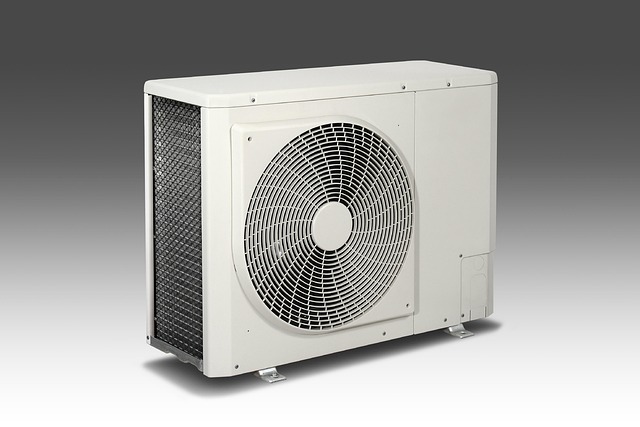
An HVAC capacitor, often referred to as an air conditioner capacitor, functions like a temporary battery, storing electrical energy to help energize the system’s motors. This tiny yet essential component provides the necessary energy boost for motors to start and run efficiently, making it a key piece of your HVAC systems‘ operation. The capacitor’s energy storage capacity is measured in microfarads.
Starting the Motor
A capacitor gives that initial jolt of energy to start your HVAC system’s motors. It’s a little push to get something heavy moving. The compressor and fan motors have a ton of inertia to beat when they come on.
The start capacitor provides a strong electrical jumpstart to get them spinning from a halt. Here, that first jolt is key. Without it, the motors would be hard pressed to start or would not start at all.
A bad start capacitor is a frequent cause of an AC unit humming, but the fan or compressor won’t kick on. It just can’t provide enough energy.
Running the System
Once the motors are spinning at full speed, a run capacitor offers a consistent flow of energy to keep them running. It aids in controlling the voltage to the motor, allowing it to have steady energy during the cooling or heating cycle.
This consistent push helps the fan and compressor maintain their pace without stalling, which is critical for optimal performance, particularly during extended run times in peak season. A malfunctioning run capacitor can make the motor sputter and clunk its way through a cycle, resulting in an unevenly cooled or heated home.
You may hear the system struggling to keep up, or the motor may overheat from the unstable energy. This affects more than your comfort as it exerts additional stress on the motor itself.
Boosting Efficiency
By providing the motors with the right amount of electrical juice, capacitors make your HVAC system energy efficient. This duty is crucial to enhancing the unit’s efficiency.
A functioning capacitor ensures your system only draws the electricity it needs to perform, avoiding wasteful energy draw. This translates into reduced energy bills since the unit isn’t laboring unnecessarily or consuming more energy than necessary.
A working capacitor is an integral component of a cost-effective home, allowing you to save money and keep cool.
Protecting Components
Capacitors help protect motors from damage caused by voltage spikes. They cushion the energy, soaking up spikes and drops that might damage delicate parts.
This guarding role prolongs the lifespan of the compressor and fan motors, two of the costliest components in an HVAC system.
Signs of a Failing Capacitor
If you know what to look for, you can identify a failing HVAC capacitor before it leads to a major expensive AC repair. A capacitor is a tiny yet essential component, and its failure can come in several forms. For instance, your thermostat and your breakers may appear to be in order, but a bad AC capacitor can shut down your AC completely. Here are the telltale symptoms.
Humming Noises
A loud humming noise or buzzing noise emanating from your outdoor condenser unit is one of the classic signs of a struggling capacitor. This noise is distinct from the typical hum of your HVAC.
This sound occurs since the capacitor is attempting to supply the energy needed to initiate the motor but is unable to do so. The motor gets the message to start but can’t acquire the jolt it requires, humming electrically.
For example, you may see the fan running inside the outdoor unit, but the compressor hasn’t kicked on. This particular symptom can indicate a bad capacitor.
Slow Startup
Looking for signs of a failing capacitor? If your air conditioner needs an extra few moments to get going once your thermostat demands cooling, a feeble capacitor may be to blame.
You might hear it cycle on and off a few times, with a delay before the compressor eventually kicks in. This hesitation happens since the start capacitor cannot provide the powerful initial electrical spark needed to quickly spin the motor.
This strain can eventually wreck the compressor motor, converting an easy repair into an expensive one.
System Shutdowns
A failing capacitor can shut off your HVAC system just a couple minutes after it starts. This happens because the capacitor not supplying a consistent charge to keep the motors running smoothly.
It might attempt to boot over and over, without enough energy from the capacitor the system keeps shutting down. This cycle wears out other components unnecessarily, particularly the compressor.
Sometimes, a failing capacitor will result in overheating, which causes a hot copper line running from the compressor.
Visible Damage
One of the easiest ways to identify a failing capacitor is by visual inspection. Capacitors are usually small, cylindrical components.
If the casing is bulging or swollen at the top, it is a blatant indicator of internal breakdown. You may notice fluid leaking from the casing or a crusty residue around the terminals.
Many homeowners are capable of replacing a capacitor, with the parts alone typically costing between $20 and $30. They fail so often that some folks even keep a spare on hand, particularly for older machines in temperature extremes.
Why Capacitors Degrade
There are a couple of reasons capacitors go bad. They’re necessary to run your HVAC system’s motors. They can last anywhere from months to years, with a well-maintained system potentially carrying them for more than a decade. Knowing why they fail, like extreme heat, electrical stress and plain old age, is the secret to predicting trouble.
A failing capacitor leads to less efficient cooling and can raise your energy bills by forcing motors to grind harder.
Extreme Heat
Too much heat is the main reason capacitors go bad. The outdoor condenser unit, where the run capacitor is usually found, bakes in direct sunlight and elevated temperatures. This is particularly the case in warm climates, where summer temperatures can frequently push the unit past its ideal operating temperature.
This constant heat deteriorates the dielectric materials within the capacitor. The oil and plastic film separating the conductive plates can deteriorate, losing their charge-holding capacity. As these materials degrade, the capacitor’s performance decreases and it can no longer deliver the energy the motors require.
For those, it means eventual failure. The best way to shield a capacitor from heat is to keep the outdoor unit well ventilated. Clear the vicinity of plants, debris, fences, and other items that could retain hot air around it. Shading the condenser unit is another way to reduce its temperature and prolong the life of components.
Electrical Surges
Electrical surges are sudden spikes in voltage that can seriously damage an HVAC capacitor. These spikes can originate from lightning or transients in the local energy supply. The capacitor is rated for a certain voltage, and anything substantially above it can overload its internal circuitry, resulting in catastrophic or eventual failure.
This overload can either rupture the capacitor’s casing or short circuit its internal plates. One large electricity surge can destroy a capacitor on the spot, whereas a series of smaller, often undetected surges can equally do damage, weakening the internal components such that they eventually give out.
Installing a surge protector for your HVAC system in particular is a good way to protect the capacitor and other delicate electronics from this form of damage.
Simple Aging
Just like any other electronic component, capacitors expire naturally. Even in the best conditions, the components inside begin to wear out from years of being on. Most capacitors should last 10 to 20 years, but after that, they will inevitably deteriorate.
This aging is normal. The chemical properties of the dielectric fade, and its capacity to hold a charge diminishes. An aged capacitor is more prone to going out, particularly during high demand periods such as summertime.
Since this degradation is inevitable, it’s prudent to anticipate capacitor replacement as part of your system’s long-term maintenance, especially if the unit is more than a decade old.
Mismatched Parts
Using the right capacitor for your HVAC is essential! Each one is meant to operate with a capacitor of a given voltage and µF rating. If you put in a mismatched part, like an underpowered cap, the motor is going to have to pull more current to get going or to run, which causes both the cap and the motor to overheat and burn out prematurely.
Likewise, using the incorrect capacitor, such as a start capacitor when a run capacitor is required, will destroy the entire system. To circumvent these troubles, never swap a capacitor for one that doesn’t fit the original manufacturer’s specs.
If you’re not sure, have a pro do the replacement. They can test your system and make sure the correct component is inserted.
A Guide to Capacitor Replacement
Although swapping out an HVAC capacitor can be a simple job for a seasoned electrician, it’s a risky one due to the high-voltage charge that an AC capacitor retains even when the energy is off. This guide on AC capacitor replacement is for informational purposes only. Safety is paramount, and if you’re not totally comfortable with any of these steps, it’s always best to call a licensed HVAC pro. Professional replacements usually run from $100 to $400.
Power Down
First, find the breaker for your outdoor AC unit and turn it off. Most units have a disconnect box, which is typically a small metal box mounted on the wall near the condenser.
Pop open the box and pull out the disconnect block or throw the switch to off. This guarantees that no electricity can come to the unit as you operate.
Make sure the electricity is off by testing to turn on your AC from your thermostat. If it doesn’t turn on, you’ve successfully snipped the juice. This is a must-do to avoid a dangerous electrical shock.
Discharge Safely
Even when the electricity is off, the capacitor retains a lethal charge. You’ve got to discharge it before messing with it.
Putting on safety glasses and insulated gloves, short the terminals with a screwdriver that has an insulated handle. Touch the metal shaft of the screwdriver to one terminal, then rotate the shaft to simultaneously touch another terminal as well.
You may observe a slight spark and pop. This is fine and means the charge has discharged. Do this between all terminal pairings (HERM, FAN, C) to be sure it’s fully discharged. This is the most important safety step to avoid electric shock.
Document Wires
Before you unplug a single thing, record the current wire configuration. Make sure to take visible pictures from different angles with your phone.
It doesn’t hurt to do a quick sketch, labeling which color wire hooks to each terminal. The terminals are usually labeled “C” (Common), “HERM” (Hermetic, for the compressor), and “FAN.
This easy trick avoids wiring errors upon re-installation, which might fry your new capacitor or the entire HVAC system. Accurately re-attaching the wires allows the unit to work.
Remove Old Unit
With the capacitor drained and wires noted, you can now pull out the old unit.
Carefully pull the wire connectors off the terminals. If they are tight, use needle-nose pliers to wiggle them free.
Don’t yank on the wires either — it can damage them. The capacitor is secured with a metal strap. Loosen the strap screw and slide out the old capacitor.
Install New Unit
Slide the new capacitor into the housing, orienting it in the same position as the old one.
Fasten it by tightening the metal strap until it is tight. The capacitor needs to be secure and not wobble.
while -> during By securing the new unit, you keep it from vibrating loose and potentially disconnecting wires during the system is operating.
Reconnect and Test
Using your photos or diagram, reattach the wires to the proper terminals on the new capacitor.
After everything is hooked back up, make sure every wire is pushed as far as possible on its post. A loose connection can lead to performance problems or become a fire hazard.
Once you make sure the connections are right and the access panel is screwed back on, you can turn the electricity back on. Replace the disconnect block and turn the circuit breaker on. Lastly, turn your AC on at the thermostat and test.
Selecting the Correct Capacitor
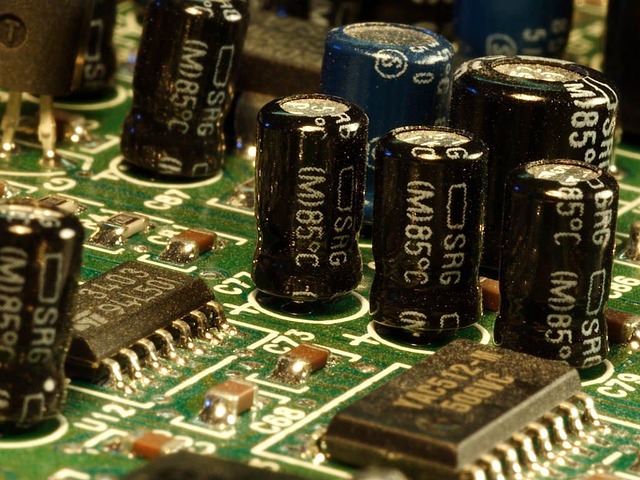
Choosing the right ac capacitor is crucial for your HVAC system’s health and efficiency. An incorrectly specified ac capacitor can lead to efficiency losses, motor damage, or system failure. It’s essential to match the old capacitor’s specs exactly for proper ac capacitor replacement.
Match the Ratings
The two key specs to match are capacitance, measured in microfarads, µF or MFD, and voltage (V). These values are stamped directly on the capacitor’s side. If the label is illegible, refer to your HVAC unit’s technical manual or the motor nameplate for the necessary ratings.
It’s critical to nail the value of the capacitance. Capacitors can have a tolerance of ±5% or sometimes ±6%. For instance, a 40µF ±6% capacitor is fine if it falls between 37.6µF and 42.4µF. If a capacitor is used outside this needed range, it can cause your motor to run at an improper speed, overheat, and run inefficiently, resulting in an early death.
For voltage, you can safely use a capacitor with an equal or higher voltage rating but never lower. You can substitute a 370V capacitor with a 440V one, but never vice versa. The lower-rated part would fry.
Understand the Types
HVAC systems utilize several different types of run capacitors, and you need to install the correct one for your unit.
- Single Run Capacitors: These have two terminals and are meant to run one motor, such as the fan or compressor motor, not both.
- Dual Run Capacitors: These are basically two capacitors built into one case. They come with three terminals—C (Common), HERM (hermetically sealed compressor), and F (fan) and energize both motors at the same time.
- Soft Start Capacitors: These are not direct replacements but add-on kits. They minimize the high initial inrush of current when the compressor starts, which can prolong the life of the compressor and other components.
Putting in the wrong kind can make the system refuse to boot or even damage it. For instance, you can’t simply swap out a 3-terminal dual capacitor with a two-terminal single capacitor without major rewiring. It really depends on what your system was originally designed to use.
Consider Quality
Choosing a quality part from a trustworthy brand can be the difference in durability and peace of mind, particularly since capacitor failure is one of the most common reasons an AC unit malfunctions during sunny, hot days.
Choose capacitors with high standards, like EIA-456-A. This is one of the most stringent standards, performing a 2,000-hour test that mimics 60,000 hours of life to guarantee the component is meant to last.
Higher-end capacitors use better materials and will not break down as quickly. A nice warranty is usually indicative of a manufacturer’s belief in its own product, giving you added protection for your investment.
Beyond the Basic Fix
Changing a capacitor appears simple, but a great fix is more than just removing the old part and putting a new one in. A dying capacitor could be an indication of a bigger problem with your HVAC system. Knowing these subtleties keeps you from blowing your budget and blowing out your air conditioning during a LA heat wave.
Preventative checks and when to call the pro are the secret to a permanent fix.
The Online Gamble
There is a huge risk of buying HVAC parts online such as capacitors. The market is awash with third-party sellers peddling OEM-grade or sub-orbital components. These parts may be fake or just cheap junk, causing early failure or even damage to your HVAC system’s compressor motor.
A cheap capacitor might shave some cost now, but it can cause a repair that is way more expensive than the $100 to $400 it takes to replace the unit professionally. To minimize this risk, buy from trustworthy HVAC supply sites or authorized dealers.
Check out customer reviews and ratings with an emphasis on feedback about durability and fit. A slew of negative comments is a non-subtle red flag. Making sure the part’s specs, especially the microfarad rating and voltage, precisely align with your system is mandatory.
Capacitor Drift
Capacitors don’t always blow out so dramatically. Over time, their ability to hold a charge can degrade, a phenomenon called “capacitor drift.” In other words, the real capacitance, in microfarads (MFD), is less than the rated value.
For instance, a 40 MFD capacitor may be running at 32 MFD. This slow degradation can put a strain on the motors it backs, causing them to overheat, underperform, and seize. Most run capacitors for residential systems fall within 5-80 MFD, and even a little drift outside the accepted tolerance, typically plus or minus 5-10 percent, can cause issues.
A digital multimeter with a capacitance setting is the best way to test for drift. Once the capacitor is properly discharged and disconnected, you can put the meter’s probes on its terminals and obtain a reading. If the measured MFD is significantly less than what’s indicated on the capacitor’s label, it’s replacement time.
An analog multimeter will tell you if the capacitor is dead by determining if it charges and discharges, but it cannot measure capacitance to identify drift.
Proactive Checks
The best way to prevent a surprise failure is routine preemptive care. Going beyond the basic fix, scheduling an annual service for your air conditioner or heat pump, ideally in the spring before cooling season hits, gives a technician a chance to catch issues early.
During these visits, a technician can test the capacitor’s functionality and inspect for physical indications of distress, including bulging, leakage, or corrosion. Taking the extra step of adding a capacitor check to your maintenance schedule is an easy way to avoid system burnout during heat waves.
This anticipation contributes to keeping the capacitor’s life span longer, typically around 15 years. It is substantially less with intensive use or energy surges.
Conclusion
That little capacitor delivers a lot. It provides your HVAC system with the jump it needs to ignite and keep running. Without it, you’re without cool air, which is kind of a big deal in a LA heatwave. Knowing the signs of a bad capacitor helps you spot a problem early. You can prevent a hard system failure when you need it the most.
If your AC system is behaving erratically, a dying capacitor is a frequent and repairable cause. For assistance in a diagnosis or replacement, reach out to a trusted local HVAC professional.
Frequently Asked Questions
What does an HVAC capacitor actually do?
Consider it a mini battery; the ac capacitor provides your AC’s motors, especially the compressor and fan motors, with the essential electrical energy they require to operate effectively.
How can I tell if my AC capacitor is bad?
Typical symptoms of a bad AC capacitor include your AC humming but not turning on, the fan motor not spinning, or warm air blowing from the HVAC system.
Why do AC capacitors fail so often here in Los Angeles?
The daily sun and hot temperatures send our AC units into overtime, which can lead to capacitor failure. This non-stop use puts a lot of strain on essential AC capacitors, causing them to go bad faster than in cooler climates.
Can I replace an HVAC capacitor myself?
No, some people do. I never recommend it unless you’re trained. AC capacitors can retain a lethal charge even after electricity is disconnected, making it safer to just call a licensed HVAC technician for AC capacitor replacement.
How much does it cost to replace an AC capacitor?
AC capacitor replacement can range from cheap to expensive, typically costing between $150 to $350 for parts and labor, making it one of the more affordable common AC repair jobs.