

Home 3D printing means you can print a file into a physical part on your desk in less than an hour. A $200 Ender-3 or Anycubic sitting in a spare room in L.A. Can print PLA phone stands, PETG bike clips, or TPU drone guards as you binge Netflix.
You just plug the printer into a standard wall outlet, pop in $25 filament, and you’re off. Below, we round up the rigs, free U.S. File sites, and simple slicer settings that minimize warping and noise.
The Vegas Maker’s Toolkit
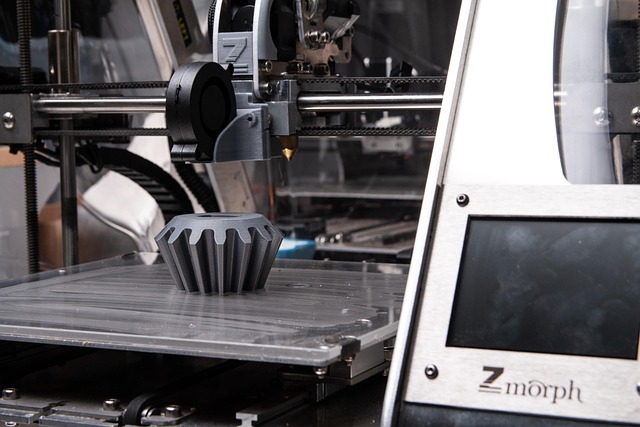
A heated-bed FDM rig, running off free 110 V outlets at the Lied Library Makerspace, costs $0 to book. You just swipe your Clark County card. Bring your own SD card or plug in a laptop. Either way, the staff pre-levels the bed so you avoid the paper-test shuffle.
PLA sticks at 60 °C here, even when the HVAC drops the room to 68 °F. If you want PETG for a sun-proof sprinkler knob, bump the bed to 80 °C and slow first-layer speed to 15 mm/s. That keeps the strip from peeling in July’s 10 % humidity.
1. The Printer
Side-by-side on the bench are 2 Ender-3 V2s and a Mars 3 resin vat. The Enders blow away a six-inch planter in three hours. The Mars pumps out a twenty-eight-millimeter blackjack dealer miniature in forty minutes, but you cough on the isopropyl fumes.
Build volume check: a 220 mm cube handles a phone-dash mount or a neon-sign letter. Try the CNET free bridge test file first. If the 5 mm span sags, flee. ABS requires a 110 °C bed, the room maxes out at 85 °C, so stay with PLA or PETG except you bring your own enclosure.
2. The Material
Start with one-kilo PLA spools from Micro Center Henderson: $19.99 for basic gray and $24.99 for silk gold that hides layer lines. Seal each open roll with five gram desiccant packs. Desert air hits 5 percent humidity and turns those nylon-like filaments brittle in 48 hours.
Stock a roll of that hard stuff, clear PETG for pool-chemical gauges. One hundred ten degrees Fahrenheit patio boxes don’t make it droop. Leave the concrete mixes untouched since they clog the 0.4 mm nozzle and void the makerspace warranty!
3. The Software
Set up Cura on the makerspace Dell towers. Profiles for Ender and Prusa are already loaded. Pop an STL from Printables, change layer height to 0.2 mm for draft and 0.12 mm for Etsy-grade shine, slice, and save g-code to the orange SDs.
Export your own sketches from Fusion 360 web. The library provides free startup licenses to cardholders. Store every profile with temperatures, speeds, and fan curves so next month’s print repeats without guesswork.
4. The Design
Take a license-plate frame file and toss in a 45° chamfer under the screw ears. Supportless saves fifteen grams of plastic and ten minutes of cleanup. Hole rule: model at 3 mm and print at 3.2 mm so standard #8 sheet-metal screws bite firm in ABS or PETG.
Tag each remix ‘v1, v2’ inside the CAD filename. Staff print logs correlate your copy to the stored g-code. Newbies begin with Creativebug tutorials surfacing on the makerspace site. Advanced users reserve Tuesday nights when staff open the Fusion’s deep-desk PCs.
Must-have tools list
- Digital calipers (0.01 mm)
- Flat nose pliers for quick hot-end swaps
- Brass wire brush to clean nozzles cold
- Putty knife with beveled edge
- Sealed tote plus fifty desiccant packs
- USB-C-to-SD adapter for new laptops
- Blue painter’s tape for legacy beds
Why Print in the Desert?
Desert living puts gear through a dry-spin wringer. A 3D printer on the garage bench can convert that test into a repair by 3D printing essential parts. With no stores for hours and temperatures hitting 110 by noon, waiting two weeks for a $12 plastic clip is impractical; instead, print it overnight.
Custom Pool Parts
So we sized the broken skimmer clip with a $6 digital caliper from Harbor Freight. Print the numbers on a laptop in Tinkercad. The shape is done in 30 minutes.
PETG fends off chlorine and holds its size against water pressure. Run the slicer at 100% infill and 0.2 mm layers and it pops off the bed strong enough for a kid to stand on. Sand the edges with 220-grit so the vinyl liner never snags. The total cost is 40 cents of filament and a splash of electricity.
Garden Sprinklers
Snap-fit threads in the CAD file allowed the new head to twist onto half-inch PVC from Lowe’s. ASA takes 115 °F sun without chalking.
Hollows walls reduce print time from three hours to 90 minutes. Try the spray on the driveway initially. Change the jet angle, then bury it. There is no run to the store and no metal parts to corrode in hard desert water.
Home Decor
Free STL sites mid-century planter files scale them 45° on the build plate and a 180 mm pot turns into 250 mm without chopping the job. Wood-filled PLA prints at 205 °C, lighter than a coffee mug, takes acrylic spray like balsa.
Seal the layers using two light coats. The matte finish hides the lines.
Car Accessories
Design a phone holder that clips into the dash vent fins. Include 2 mm slots for rubber pads so the grip remains grippy when the cab hits 130 °F.
PETG holds the claws from drooping. Begin the print at 9 p.m. It cools off by the 6 a.m. Drive to work.
Choosing Your First Printer
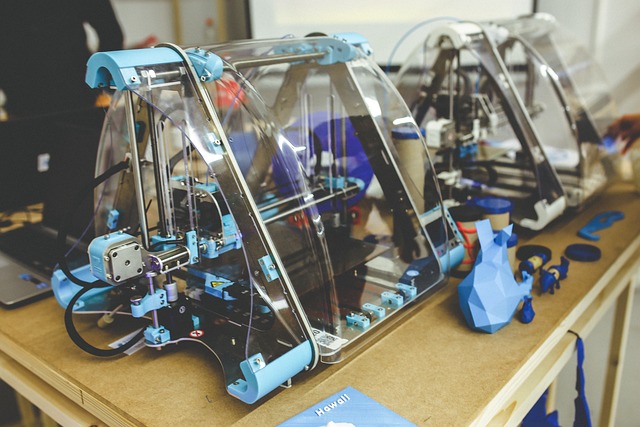
Put a $300 cap on your spend. That number keeps you in the safe zone for plug-and-play FDM rigs and leaves money for a kilo of PLA and a $30 tool kit.
-
Auto-bed probe – no foil squares at 2 a.m.
-
Glass or PEI sheet – parts pop off without razors.
-
32-bit board — prints remain silky smooth when you add a camera.
-
Part-cooling fan on both sides – bridges don’t sag.
-
Nozzle spare in the box – you’re going to clog it eventually.
-
Open-frame design means kids see the hot bits and learn not to reach.
YouTube torture tests are free quality assurance. Search “Ender-3 V3 torture” and watch for layer shift, warped beds, and squeaky bearings. Time stamp so you know when flaws surface. Select vendors with parts in US warehouses—Micro Center, Amazon Prime, or Printed Solid—so a new thermistor arrives in 2 days, not 2 weeks.
Budget
A $220 machine, $30 filament, $20 feeler gauges, $30 spare nozzles, and a PTFE tube.
60 W heater, 8 h job: 0.48 kWh times $0.14 equals $0.20 on L.A. Tariff.
Skip resin until you can dial in flow rate and retraction. ISO puddles and sticky gloves triple the secret cost.
Open-box or “Amazon renewed” slashes the sticker price by 20 percent and still offers a 30-day return.
Size
Measure desk depth, then add 4 inches behind for bed travel. A 16-inch shelf accommodates most 220 mm machines if you slide them diagonally.
That 220 mm cube pumps out nine in 10 home repairs—shower hooks, drawer pulls, Switch game docks—without consuming the entire desk.
Tall mini painters check Z height; a 250 mm column knocks out a 6-inch dragon bust. Fold-up frames like the AnkerMake M5C save inches when the rig sits idle beneath the monitor shelf.
Speed
Stock profiles push 50 mm/s and can reach up to 100 mm/s after you tighten belts and bump voltage.
Replace the 0.4 mm nozzle with a 0.6 mm and see a planter laying done in half the time. Just prepare for layer lines to show on curved walls.
Draft mode at 0.28 mm layers spits out a bike phone mount in ninety minutes. Crank infill beyond 30% and the clock doubles with minimal strength increase.
Material
PLA+ kicks in at 200 °C, smells a little like popcorn, and lifts less than regular PLA.
Step up to PETG when you require a mower throttle clip that rides at 100 °F sun. Bump temperatures to 230 °C and ease first layers to 25 mm/s.
TPU can wait until you can set extruder tension so light it barely grips the filament or you will tangle inside the tube. Store each roll in a $12 gasket bin with silica packs.
Night air in coastal California strikes at 70% RH and pops prints into foamy strings.
Printing Safely in Dry Heat
Ambient heat above 100 °F can negatively impact your 3D printer, turning a hobby printer into a goo machine. PLA melts into the build plate while PETG layers meld into globs, and the PSU fan struggles with desert dust. To ensure good print quality, park the rig in a shaded room, keep a 5-lb ABC extinguisher at arm’s length, and run jobs over Wi-Fi so you can monitor from the cooler side of the house.
Ventilation Needs
Open a window and tape a 4-inch duct fan in the gap. It sucks 50 cfm of hot, fume-laden air directly outside. Resin printers get a carbon filter taped to the fan inlet, which reduces the acrylic stench by 50 percent.
Midday garage temperatures hit 115 °F here in Phoenix, which warps prints and bakes stepper motors. Print ten-hour jobs at 10 p.m. Night temperatures fall to 85 °F and your layer lines remain crisp.
A $15 digital temperature gauge stuck to the gantry beeps at 104 °F, giving you a two-minute heads-up to pause before the part turns to taffy.
Fire Prevention
Budget printers love to cook their own wires. Wrap the frame in a $40 metal enclosure or a fire-retardant grow tent. It buys five extra minutes before flames spread.
Screw a $12 smart smoke detector into the ceiling joist and pair it to a smart plug on the printer. Energy dies the second the alarm chirps. Log 100 successful hours before you walk away.
New machines usually fail within the first kilogram of filament. Keep the bench clear of foam packaging, paper towels, and that rag you used to wipe resin. One hundred fifty-eight degrees Fahrenheit ground temperatures turn them into kindling.
Material Storage
|
Material |
Max Temp |
Bag Type |
Extra Tip |
|---|---|---|---|
|
PLA |
100 °F |
Vacuum + desiccant |
Add cedar block to repel ants |
|
PETG |
120 °F |
Foil zip |
Toss in freezer for 30 min before print |
|
TPU |
110 °F |
Vacuum only |
Keep out of sunlight—goes gummy fast |
|
Resin |
77 °F |
Original bottle |
Mini-fridge at 68 °F doubles shelf life |
Label every bag with a Sharpie: date opened, color, grams left. Print safe in dry heat – rotate oldest-first, so you’re not left with brittle 2022 filament.
Slide rechargeable desiccant packs into the vacuum bags. They blush pink when thirsty and blue again after ten minutes in the microwave. Resin bottles reside in a $99 dorm fridge at 68 °F. Heat jigs styrene out of solution and clogs the VAT screen.
Beyond the Basics
Before starting your 3D printing project, consider trading the brass nozzle for a $14 hardened-steel tip, especially when printing with glow-in-the-dark PLA or carbon-infused PETG. Brass tends to dissolve quickly, leading to clogs. Additionally, placing a $20 borosilicate glass sheet or a spring-steel PEI sticker on the print bed ensures that prints adhere well at 60 °C but can be easily removed when cool, eliminating the need for a scraper.
To enhance your printing experience, flash the free Klipper firmware and utilize a Raspberry Pi Zero 2, allowing you to achieve speeds of 150 mm/s without ringing. This technology significantly reduces the completion time of your projects, making it easier to create larger 3D objects like a 24-inch drone wing at LA Makerspace.
Printer Upgrades
Throw on a $45 direct-drive kit and, like magic, the extruder now hovers just above the hot-end. TPU no longer bunchs and prints pristine at 30 mm/s. Tack a $9 LED strip to the top rail. Layer defects appear live, no flashlight shuffle.
Ditch the stock screamers in favor of 40 mm Noctua fans. The drop from 52 dB to 24 dB means you can run overnight without waking your roommates. Print these mini belt tensioners in 10 minutes. Twist the thumbscrew once a week and X-Y dims hold within 0.1 mm.
Advanced Filaments
Nylon at 250 °C prints hard living hinges, like throttle-body clips that flex 50,000 times under the hood and never crack. Polycarbonate scoffs at UV, so the greenhouse brackets printed in clear PC endure five California summers with no chalking.
Wood-filled PLA sands like pine, wipe on Minwax walnut and you’ve got grain lines worthy of Etsy lamps. Run a $35 food dehydrator at 149 °F for four hours prior to every job. Wet PETG pops like popcorn and destroys gloss.
Community Projects
Snag a manifold file off r/3dprinting, crank out four-way garden zones in two evenings, then thread standard ¾-inch PVC with no Home Depot scavenge. Walk next door with half-empty spools, trade blue for red, and both of you avoid a $25 Amazon order.
Divvy a $400 pellet-to-paste kit with three pals, quickcrete, and 18-inch planters printed out in your driveway with no kiln and no molds. Post your make to Printables; 200 likes and we ship you a free 1 kg roll shipped USPS directly to your door.
The Hidden Costs
That $200 printer becomes a money pit in a hurry. Filament, energy, and parts add up long before you print your tenth benchy. Track the real spend with this list:
- Kill-A-Watt meter for watts
- Spreadsheet for every fail
- Jar for nozzles and belts
- Scale for spaghetti pile
- Calendar reminder for grease
One in ten prints will flopper until you master settings. That pile of knotted plastic is money in the garbage.
Electricity Use
A hobby printer draws 120 kWh a month if it operates four hours daily. At the U.S. Average of 15 cents per kWh, that’s $18 tacked on to the bill, which is more expensive than a streaming subscription.
Plug the rig into a $30 Kill-A-Watt meter to see the actual draw; the numbers on the box are aspirational. If your utility has time-of-use pricing, schedule long jobs for off-peak hours since a 20 percent discount is typical after 10 p.m.
Twenty-four volt printers with heated beds reach 60 degrees Celsius in half the time as twelve volt units, so the energy supply unit idles sooner. Stack six keychain tags in a single G-code rather than firing up the bed six times; one heat cycle beats six every time.
Failed Prints
Spaghetti monsters cost filament, time, and sanity. A 1 kg spool of PLA clocks in at $23. Shed 100 g on a bird’s-nest helmet and you just treated the trash can to a $2 meal.
Leave the mess behind, regardless—shred it, melt it, and use it as patio plant drainage rock. About 9 out of 10 fails can be traced back to first-layer squish. Shoot for a paper-thin flat ribbon, not a round worm.
Have a “fail bin” under the bench and weigh it on the first of every month. Seeing the number fall is cheaper than therapy. Snap close-ups in r/FixMyPrint; strangers will see your z-offset mistake within minutes.
Ongoing Maintenance
Nozzles clog, rods squeak, and belts fray. Spend $10 a month or the printer budgets for you. Dab the build plate with 91% isopropyl after each run. A nickel wipe trumps a $5 sheet replacement.
Check the extruder tension arm every 50 hours. Hairline cracks bloom overnight and kill prints mid-layer. Hit the smooth rods with two drops of light machine oil on the first Sunday.
Friction becomes skipped steps and steps become wasted filament. Exchange the PTFE tube annually. Heat-creep jams begin magnetically around month fourteen and consume half a roll before you detect.
Conclusion
Pick up a $200 Monoprice Mini from the Micro Center off Flamingo, plunk it down on a folding table in your garage and pump out a sun visor clip tonight. You’ll bypass shipping costs, repair things that break in the sun, and present your neighbor with a personalized poker chip caddy by Friday. Run a roll of PLA, check your energy bill, and you’ll find it comes in under four bucks a week. Keep the room at eighty max, wipe the rail dust after each job and your lil’ rig runs for years. Ready? Choose a file, click slice, begin to print.
Frequently Asked Questions
What’s the best starter printer under $300 for a Vegas apartment?
The Ender 3 V3 SE is a budget 3D printer that includes a home 3D printer option. It ships mostly assembled, fits comfortably on a 2×2 foot IKEA side table, and the 32-bit board manages 110 °F garage temperatures without thermal shutdown glitches.
Do I need an enclosure in Nevada’s 120 °F summer?
Yes. A frugal $60 Creality “tent” blocks dust and maintains a build area temperature below 95 °F, preventing PLA warping and protecting your stepper motors.
Where do I buy filament locally when Amazon is slow?
Pop in Micro Center in Henderson or DaVinci 3D on Spring Mountain Ave. Both stock PLA plus for 3D printing at $22 to $25 a spool and are open Monday to Saturday from 10 am to 6 pm.
Is it legal to run printers overnight in a Vegas rental?
Check your lease! Almost all landlords will let you if you attach a $20 smart smoke alarm and crack the garage door. According to Las Vegas-based Clark County fire code, open-flame heaters are prohibited, but 3D printers, including concrete printing technology, are not.
How much does electricity really add to my NV Energy bill?
An Ender-3, a budget 3D printer, draws 0.12 kW/h. Running it 8 hours a day for 30 days contributes approximately $4.30 at the current 12 cents per kW Vegas residential rate, which is less than one Starbucks latte.
Can I drink the water I use for soluble supports?
No. Our tap water here is 300 ppm hardness, and those minerals clog PVA. Use three-dollar-a-gallon distilled from Smith’s or any Circle K to keep nozzles clear for 3D printing.