

Green concrete materials, such as substitutes for cement and aggregates, reduce the environmental footprint of construction. They typically contain recycled content such as energy plant fly ash, slag cement, or crushed glass.
For example, here in California, utilizing these alternatives assists builders in fulfilling the CALGreen code mandates for sustainable development. They cut carbon and may even strengthen the finished product.
This post deconstructs the main categories of green materials and their real-world applications in the current construction industry.
What Defines Green Concrete Materials?
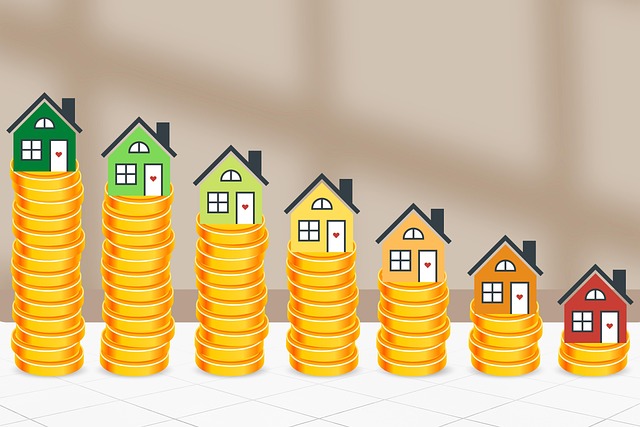
What makes concrete green. It’s produced with waste or recycled ingredients, helping reduce its carbon footprint and energy consumption. Ordinary portland cement, a key ingredient of traditional concrete, is made by heating materials to more than 2,300 degrees Fahrenheit and is one of the biggest sources of CO2 on the planet.
Green concrete provides a more eco-conscious road by reducing these emissions, sometimes by as much as ninety percent. Using green concrete materials helps meet key sustainability goals:
- Reduces reliance on raw materials like limestone and sand.
- Lowers CO2 emissions from cement manufacturing.
- Minimizes industrial waste by repurposing byproducts.
- Conserves water and energy during the production process.
1. Recycled Aggregates
Utilizing recycled materials as aggregates plays a central role in green concrete. Aggregates aren’t mined from quarries of new stone and sand; they’re taken from construction or demolition debris.
Old concrete can be crushed and repurposed in new mixes, which is a concrete version of recycling. This process gives a second life to cement and keeps it out of landfills.
Recycled glass is yet another solid option. When crushed, it can substitute for sand or other fine aggregates, increasing the concrete’s strength and keeping waste out of landfills.
This strategy helps preserve our natural resources and decreases energy used to mine and ship new materials, hence uniting the entire process of construction.
2. Cement Alternatives
Green concrete’s advantage lies largely in the replacement of portland cement. Fly ash, a waste product from coal-burning power plants, is a frequent replacement that improves concrete’s workability and long-term strength.
Slag, a residue of steel production, is another efficient supplement that generates less demand for new cement. Both reuse industrial waste that would normally be sent to a landfill.
With pozzolanic materials, you can make more durable and less permeable concrete. This too lowers the emissions tied to cement production.
3. Innovative Binders
Scientists are exploring alternative binders that have the potential to transform how we make concrete. One focus is biodegradable binders that provide an environmentally friendly choice for some applications.
Others are making binders from waste such as ash or even recycled plastics. This helps solve two problems: waste management and the need for sustainable building materials.
Carbon-negative concrete, which utilizes carbon-based materials that can sequester more CO2 from the atmosphere than what is emitted during their manufacture, is gaining traction.
4. Reduced Water Usage
Green concrete addresses high water consumption too. New mixes are being formulated to require less water and remain workable.
Water-reducing admixtures are chemical additives that enable a lower water-to-cement ratio without impacting performance. This makes the concrete more robust.
Curing techniques that inhibit rapid water evaporation, such as curing compounds or plastic sheeting, save water as well.
5. Carbon Capture Tech
Installing carbon capture technology at the cement plants themselves is an important part of going green. This technology captures CO2 right where it is created before it reaches the atmosphere.
This captured carbon can then be used in the concrete, locking it away. It forms carbon concrete, a carbon sink.
By investing in these technologies, we’re helping to push construction toward a more sustainable future.
The Environmental Edge
The environmental edge is that green concrete materials address the enormous ecological footprint of conventional concrete. From cutting carbon to cutting waste and protecting finite resources, the environmental edge is a path to a more sustainable construction industry.
Lower Emissions
Green concrete’s number one environmental triumph is its ability to significantly reduce greenhouse gas emissions. Conventional Portland cement manufacturing is extremely energy-intensive and accounts for around 8% of worldwide CO2 emissions.
Green concrete mixes solve this by replacing some of this cement with supplementary cementitious materials. Today, materials such as fly ash, which is a waste product from burning coal, or slag from steel production need significantly less energy to process, and their incorporation can reduce the carbon footprint of a concrete mix by as much as 20%.
Cement chemistry innovations are key. Think Limestone Calcined Clay Cement (LC3) which can bring down CO2 emissions by about 40% of ordinary Portland cement. By emphasizing these substitutes and processes, the industry is heading toward a significantly lower carbon footprint, with some state-of-the-art green concrete blends reducing emissions by as much as 90%.
Waste Reduction
Green concrete actually includes materials that would otherwise be faced with a landfill. Industrial refuse such as foundry sand and even waste plastic shredded and extruded into concrete mixes. This approach minimizes the demand on landfill space.
It promotes a circular economy in the construction industry. Old concrete from razed buildings can be crushed and recycled as aggregate in new projects, greatly reducing construction and demolition waste.
To promote waste minimization on-site:
- Plan material orders carefully to avoid surplus.
- Use modular construction techniques where possible.
- Segregate waste for easier recycling.
- Reuse formwork and other temporary materials.
Resource Conservation
Green concrete saves resources by replacing virgin materials with recycled or waste alternatives. The environmental impact of quarrying sand, gravel, and crushed stone is reduced when recycled aggregates are used.
That not merely saves trees and habitats but saves the energy and water used to mine minerals and cut down trees.
|
Method |
Material Used |
Impact on Resource Conservation |
|---|---|---|
|
Cement Replacement |
Fly Ash, Slag, Silica Fume |
Reduces need for limestone and clay mining. |
|
Aggregate Replacement |
Crushed Demolition Concrete |
Conserves natural sand and gravel deposits. |
|
Alternative Binders |
Geopolymers |
Uses industrial waste instead of quarried limestone. |
The market for sustainable materials will expand dramatically. These preservation techniques are essential to fulfilling that requirement sustainably.
Renewable materials like bio-based aggregates or fibers bolster this effort. Together these practices lay a foundation for a more resilient and less extractive building material.
Performance and Durability
Green concrete can’t be just green. It has to perform and last for any construction use. These materials need to be as good or better than conventional concrete so they offer a viable, reliable, and durable alternative. Important factors are compressive strength, workability during construction, and resistance to environmental stressors for decades.
Strength
To us, the structural capacity of green concrete is the main topic, and different mixes have encouraging figures that compete with Portland cement concrete. Compressive strength tests prove that many of these green formulations exceed what construction standards, such as ASTM, require.
For example, thirty percent bottom ash in a partial cement replacement ratio can generate concrete with a strength of forty to fifty MPa, which is adequate for the majority of structural applications. Other materials demonstrate dramatic increases, with the strength activity index of some alternative cements measuring seventy-five percent higher than OPC, well exceeding ASTM C618 criteria.
Research reveals that adding materials such as ferrock can significantly increase performance. The addition of five percent and ten percent ferrock with oxalic acid increased compressive strength by thirty-two point twenty-eight percent and thirty-eight point seven percent, respectively.
A few formulations such as one hundred percent bottom ash for sand had a bit lower strength, but they were still able to achieve the target compressive strength of traditional concrete, proving their validity for certain load-bearing structures.
Workability
Workability, or the ability to place, consolidate, and finish fresh concrete easily, is important for rapid construction. Green concrete mixes should provide a flow and consistency that permits them to be applied in a wide range of scenarios, from foundations to intricate architectural shapes.
It’s knowing the right mix. By adjusting the ratios of SCMs, water, and aggregates, we control the mix’s behavior. A good mix design guarantees that the concrete is neither too stiff to place nor too fluid to hold its shape, so it is workable from the perspective of on-site crews.
Longevity
Among the most amazing benefits of green concrete is its durability. Most other ingredients improve the concrete’s resistance to typical sources of degradation. This enhanced durability is a result of a more compact internal structure.
For instance, some green concrete mixes polish the material’s pore distribution, especially in the 100 to 10,000 nanometer bracket, which suppresses the entrance of corrosive elements. Regarding performance and durability, tests on chloride ion permeability show concrete containing 30 to 100 percent bottom ash receiving moderate to low permeability ratings for 90 days, which means its resistance to corrosion in steel-reinforced structures is impressive.
Ferrock mixes show a near-zero mass loss of as little as 0.1% when subjected to sulphate attack, a typical culprit of conventional concrete degradation. This increased resistance indicates an extended lifespan in severe conditions.
The Cost Equation
It’s about the cost equation. The real cost is an equation of initial investment, lifetime operational savings, and attainable market incentives. It’s a tricky equation driven by material availability, project specs, and geography.
Initial Investment
Although the upfront cost of green concrete can be higher than conventional concrete, it isn’t necessarily so. The price is highly dependent on that same mix along with the local availability of SCMs. SCMs such as fly ash and GGBFS are frequently industrial waste products and can be less expensive than PC. Nevertheless, the costs of transport and processing can diminish these savings.
It might mean acquiring new equipment or training staff. This might involve custom mixers or alternative curing techniques required to adjust for the mix’s unique characteristics. Those costs have to be accounted for upfront in the project budget.
The last initial cost is a wildcard. For example, a project close to a coal-fired energy plant may discover that fly ash is an extremely low-cost SCM. A project in an area without such convenient access to these materials could experience higher upfront costs.
Long-Term Savings
Its main financial advantage typically emerges over the life of the building. Materials with SCMs too tend to be more durable, resisting sulfate attacks, acid, and freeze-thaw cycles at a higher rate. This enhanced durability leads directly to significantly reduced maintenance and repair expenses over decades. A more robust, longer-lasting infrastructure just demands less maintenance, which saves building owners huge amounts.
Green concrete can help lower operational costs. Its usual greater density and superior thermal characteristics can contribute to a building’s insulation, which results in less energy needed to heat and cool. Over the course of a commercial building, these savings can really add up.
You save on waste disposal fees as well since you are sending recycled crushed concrete aggregate off in place of landfill material.
Market Incentives
In terms of the cost equation, financial incentives can help to counteract any higher up-front cost of green concrete. Federal, state, and local governments often provide tax credits, grants, or subsidies for projects incorporating sustainable materials and adhering to environmental standards. These programs aim to promote greener building.
Projects employing green concrete can score some points toward things like LEED certification. A higher level certification can make a property more valuable and more attractive to tenants who are environmentally conscious. This market pull for green buildings is a potent economic force.
Here is a simple checklist to evaluate potential incentives:
-
Check for Government Programs: Research federal tax credits for energy-efficient buildings and look into state-specific programs. For instance, a few states provide grants for building with recycled materials.
-
Explore Utility Rebates: Reach out to local utilities. They provide rebates on buildings that reduce energy usage, a benefit frequently delivered by green concrete’s thermal mass.
-
Assess Certification Benefits: Determine the potential return on investment for green building certifications like LEED. This includes higher property values, increased rent potential, and faster lease-up rates in competitive markets.
The following table provides a simplified comparison:
|
Cost Factor |
Traditional Concrete |
Green Concrete |
|---|---|---|
|
Initial Investment |
Lower to Moderate |
Varies (Can be lower or higher) |
|
Long-Term Savings |
Standard maintenance costs |
Higher (Reduced energy/repair costs) |
|
Building Material Costs |
Dependent on cement prices |
Dependent on SCM availability |
Beyond Concrete Alternatives
Though better concrete is an important objective, a number of builders are exploring more radical alternatives. The cement industry alone accounts for roughly 8% of emissions worldwide, steering quick evolution toward options that partner with nature, not battle it.
Mineral-based materials come with unique benefits from carbon storage to breathability, opening new avenues for green construction.
Rammed Earth
Rammed earth construction requires only a basic mixture of local soil, clay, sand and a bit of stabilizer such as lime or cement. This blend is rammed layer by layer into removable molds to create hard, sturdy walls.
Here’s the real advantage of rammed earth — it’s extremely good thermal mass. The heavy, massive walls capture heat during the day and release it gradually at night. It helps to keep indoor spaces cooler in the summer and warmer in the winter, cutting down on your heating and cooling bills.
By using earth directly on or near the building site, rammed earth drastically reduces transportation emissions and material costs. More than alternatives to concrete, it’s a method of building with ancient origins, now being innovated for contemporary architecture.
Structurally, rammed earth is load-bearing and can endure for centuries. It is particularly appropriate in dry climates, as its long-term durability is demonstrated throughout the American Southwest.
Hempcrete
Hempcrete is a biocomposite material created by mixing hemp hurd—the woody inner part of the hemp stalk—with a lime-based binder and water. Unlike concrete, hempcrete is not structural. Instead, it becomes an insulating infill within a structural frame, often composed of wood.
Its light weight appeals to builders like me, and the real price is in its performance. One of its best features is its carbon sequestration. The hemp plant pulls CO2 out of the air as it grows, and the lime binder pulls more as it cures, trapping carbon in the walls of the building.
The material is extremely breathable, in other words, it permits water vapor to pass through it. It helps control indoor humidity, keeping you free from mold and providing a healthy living space.
It’s amazingly well-insulated, so the buildings are warm in winter and cool in summer, saving additional energy over the lifetime of the structure.
Mycelium Brick
Mycelium bricks are a next generation material, cultivated not manufactured. It works by utilizing mycelium, the root structure of fungi, to stitch together a substrate of organic waste such as sawdust or husks in a mold.
A few days later, the mycelium has grown through it all, creating a compact, sturdy block that is then dried to halt growth. Completely biodegradable and compostable at the end of their life, these bricks return a building material to soil nutrients.
That’s a pretty damn circular construction model. Mycelium boasts great insulation and fire resistance, too. It is not yet up to the task of load bearing walls, but it is full of potential as a sustainable insulation panel or for crafting non-structural interior walls and accents.
For engineers eager to make it more than a novelty, they’re working on beefing up its structural capabilities.
Navigating US Standards
Maneuvering US Standards to get green concrete adopted requires an appreciation of a layered system of standards and certifications. From materials and energy to indoor air quality, these standards help make sure sustainability claims are tied to performance and adherence that can be measured. Guiding me were standards like LEED, ASTM, and the local building code.
LEED Certification
Using green concrete can directly provide credits in the LEED rating system. The MR credit category, for example, awards projects for employing products with Environmental Product Declarations (EPDs). EPDs make transparent the information on a material’s environmental impact, such as global warming potential, and cement, which represents approximately 8% of CO2 emissions worldwide.
By specifying concrete mixes with supplementary cementitious materials or recycled aggregates, you can hit these marks. LEED-certified buildings reap a variety of benefits, including reduced operating costs, increased asset value, and a public statement of sustainability commitment.
It requires recording the use of green materials and practices during design and construction. Owners, engineers, and ready-mix suppliers all need to be in open communication to choose materials that satisfy performance requirements and LEED credits.
ASTM Standards
ASTM International supplies its technical standards for the concrete parts. There are a number of key standards with regard to green concrete. ASTM C33, for instance, defines standards for concrete aggregates and makes provisions for recycled concrete as an aggregate.
SCM standards are key. ASTM C618 addresses coal fly ash and raw or calcined natural pozzolan for concrete. ASTM C989 specifies slag cement. Although these materials cut down on conventional Portland cement usage, their inclusion can impact characteristics such as early-age strength development, something that needs to be considered in the project schedule.
Performance testing standards, like those for compressive strength (ASTM C39), help assure that the green concrete mix meets structural requirements.
Local Building Codes
Even though there are national frameworks such as LEED and ASTM, local building codes finally determine what is allowed. Cities and states are adding green building provisions to their codes, often providing incentives. Finding such answers is important to check if the defined green concrete mix will meet any local regulations.
For instance, certain areas might impose particular regulations or restrictions on the amount of fly ash or recycled aggregates permitted. As blended cements such as Type 1L become more pervasive, project specifications need to be written to allow their utilization.
When setting sustainability objectives, it is critical to clarify with local officials whether reductions need to be tracked as a percent against a baseline or with an actual GWP number so as to avoid project delays.
Conclusion
Green concrete isn’t a fad. It’s a genuine construction revolution. They reduce waste and pollution. They frequently are equal to traditional concrete, and in some cases, they are superior. There is an upfront price tag, but long-term savings and environmental benefits accumulate. Consider recycled aggregates for your next patio or inquire with your contractor about fly ash possibilities for a new driveway. Building smarter begins with the materials we use.
Thinking about green concrete materials! Discuss with a local supplier about green concrete materials in your area.
Frequently Asked Questions
What makes concrete “green” in Los Angeles?
Green concrete incorporates recycled materials such as fly ash or crushed concrete, minimizing waste sent to landfills. It frequently takes less energy and water to manufacture, which is key for us here in SoCal.
Is green concrete strong enough for earthquake zones?
Definitely. Our green concrete is designed to withstand California’s tough seismic and building codes. It performs and holds up just like regular concrete, so it is safe for our earthquake-threatened area.
Does green concrete cost more for a project in LA?
Not necessarily. Though there may be some upfront costs, utilizing locally sourced recycled materials helps reduce costs. You can reduce waste disposal fees, which is a cost-competitive option for many LA projects.
Can green concrete help my building get LEED certified?
Well, it’s a brilliant tactic. Using green concrete with recycled content and locally sourced materials can score valuable points toward LEED certification, a popular green building standard here in California.
Where do the recycled materials for green concrete come from?
Plenty of materials come right from Southern California. We incorporate fly ash from energy plants along with recycled aggregate from nearby construction and demolition projects, cutting down on transportation and supporting our local economy.