

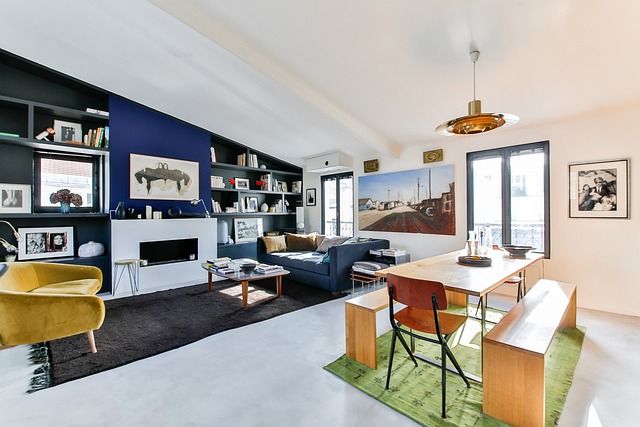
Floating shelf decor includes wall-mounted shelves that you can use to showcase items without visible supports or brackets, giving a clean, contemporary appearance. This look is a favorite in many Los Angeles abodes, complementing minimalist, coastal, or boho-chic interiors.
They’re a perfect way to display small succulents, framed photos, or cool local flea market finds. All about floating shelf decor in living room.
Mastering Your Shelf Decor
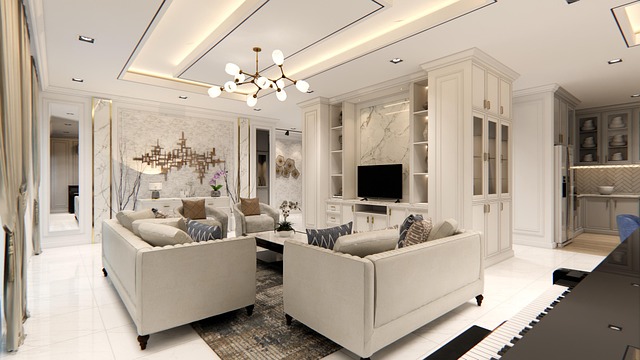
Shelf decor is all about mastery, especially when it comes to creating a gallery wall. Thoughtfully arranging objects on living room wall shelves can turn them into an art piece, ensuring visual balance.
The Rule of Threes
Arranging items in odd numbers, especially threes, is far more interesting than even groupings. It’s a simple design principle that helps lead the eye and prevents a static appearance.
To pull this off, select three items that have a unifying factor such as color or theme, but stagger the heights. For example, position a tall vase next to a medium framed photo and a squat candle.
Line them up with a little overlap. This easy hack brings dimension and makes the collection feel cohesive instead of three random things placed next to each other.
Layering Depths
Layered look is the secret to giving your floating shelves dimension and steering clear of a flat, one-dimensional display. Begin with your biggest pieces, such as art prints or tall books, laying them at the back of the shelf to create a backdrop.
Then, place medium and smaller objects in front, overlapping a bit. This trick pulls the eye back, making the display seem curated and abundant. For an added layer of height and interest, pair a pedestal piece with a stack of books to bring a smaller piece of decor up higher.
For a really dimensional vibe, opt for picture ledge shelves, which are made to facilitate layering photos and small objects.
Mixing Textures
Mixing textures keeps your display warm and tactile so it doesn’t look flat and boring. Add a touch of nature with wooden shelves, maybe reclaimed or burl wood.
Mix smooth with rough. Combine it with contrasting textures. Pair a slick glazed ceramic vase with a rough woven basket or a shiny metal photo frame with a jagged stone coaster.
If you have metallic accents, a brass bowl or a silver figurine, their polish can catch and reflect light around the room.
Creating Balance
Finding visual balance will keep your shelves looking pulled together, not messy. Spread things out so that the visual weight is balanced throughout the shelf or shelves.
If you’ve got a big, dark piece at one end, balance it with a cluster of smaller, lighter pieces at the other. Take advantage of negative space, the empty spaces surrounding your items.
A touch of breathing space avoids cluttered shelves and gives each piece the chance to shine. Of course, you can go with a symmetrical look for a more formal, classically balanced vibe.
Personal Storytelling
Your shelves are optimal real estate for expressing yourself. Showcase things that narrate your story and your passions.
Add some travel keepsakes, pictures of your loved ones, or distinctive memorabilia that means something to you. These items make your decor a talking piece.
Decorate your shelves with pieces that remind you of a memory or an interest, like a series of retro cameras or your go-to coffee mugs. This makes the space feel uniquely yours.
Choosing Your Perfect Shelf
Choosing your floating shelf is about more than just grabbing a design you like; it involves careful consideration of factors like material, finish, and size. Additionally, your wall type—whether drywall, plaster, or brick—will influence the stability and capacity of your modern wall shelves. Proper installation is crucial, as the weight limit of any shelf is determined by its material and hardware, ensuring it is secured into wall studs or with appropriate anchors.
Material Matters
Your shelf material strikes the first note of your entire display. Solid wood is a timeless, durable choice that infuses warmth into a room. Reclaimed wood gives your shelf a rustic, one-of-a-kind personality. Metal shelves offer sleek lines and high durability for a more modern or industrial look.
Glass is a fantastic option for the minimalist look as it provides an illusion of space and light. Affordable options like MDF or plywood veneers can still give a premium appearance without the premium price. Each provides a different texture and feel, and combining them can add dimension to your accents.
|
Material |
Characteristics |
Best For |
|---|---|---|
|
Solid Wood |
Durable, warm, timeless |
Traditional, Scandinavian, Rustic |
|
Reclaimed Wood |
Unique, eco-friendly, textured |
Farmhouse, Industrial, Eclectic |
|
Metal |
Sleek, strong, modern |
Industrial, Contemporary, Minimalist |
|
Glass |
Airy, light, unobtrusive |
Modern, Glam, Minimalist |
|
MDF/Veneer |
Affordable, smooth, versatile |
Budget-conscious, Transitional |
Finish and Color
The finish and color of your shelves can help them disappear or be a design statement. A finish that matches your other furniture and color scheme pulls the look together. For example, a matte black finish can anchor an area with a contemporary flair, whereas a natural wood stain amplifies a room’s coziness.
You might consider painting your shelves the same color as your wall for a subtle, built-in effect, perfect for stretching a small room. A striking contrasting color transforms the shelves into an instant statement piece, attracting attention and injecting a lively dimension into your lounge.
If you choose white shelves, you can’t go wrong. Their neutrality means they can blend in with just about any decor, whether beachy or minimalist, giving you a crisp canvas on which your prints really jump.
|
Finish/Color |
Benefit |
Ideal Style |
|---|---|---|
|
Natural Stain |
Highlights wood grain, adds warmth |
Rustic, Traditional |
|
Matte Black |
Modern, sophisticated, high-contrast |
Industrial, Modern |
|
White Paint |
Clean, versatile, brightens space |
Scandinavian, Coastal |
|
Metallic |
Adds a touch of glamour or edge |
Glam, Contemporary |
|
Bold Color |
Creates a focal point, adds personality |
Eclectic, Maximalist |
Strategic Shelf Placement
Where you position your floating shelves, such as modern wall shelves or decorative wall shelves, is equally important to what you adorn them with. Strategic shelf placement can define a room’s focal point, add balance, and make a space feel complete.
Above the Sofa
Placing shelves above a sofa not merely grounds the space but creates a strong visual anchor. To do this right, remember a few things. First, measure your sofa’s width to find the perfect shelf length. Ideally, they should be about two-thirds the width of your sofa for balance.
Next, make a mark on the wall for installation, ensuring the lowest shelf is at least 10 to 12 inches above the sofa back so no one accidentally bumps their head. When hanging shelves, leave 12 to 18 inches between them for a clean, uncluttered appearance.
Once they’re up, organize your product. You can employ the rule of thirds to balance books, art, and decor. Cluster small things in odd numbers, three or five, for a display that feels organic and looks great.
Intermingle different textures and heights with things such as framed pictures, mini plants, and interesting objects to bring in dimension.
Flanking a Fireplace
Flanking a fireplace with shelves not merely gives it a symmetrical feel, it highlights the room’s centerpiece. This timeless design brings storage and style to the mix, which helps the hearth feel more a part of the living room.
With matching shelves on either side, you get that perfect framing of the fireplace. These shelves are great for books, decorative boxes or even small stacks of firewood for a rustic vibe.
You can even set lanterns or flameless candles on them to add a warm glow that matches the fire. Think about installing subtle picture lights above each shelf to showcase your regalia and throw a gentle glow on the space in the evening.
The TV Wall
Floating shelves can transform a boring TV wall into a chic and impressive entertainment center. I like this since it helps the television become part of the room instead of a black box that sticks out.
Install strategic shelves above, below, and to the sides of the TV to form your own custom media unit. It offers a residence for media players, speakers, and consoles.
Fill the rest with books and decorative objects to soften the effect. Most folks run cords behind the wall or use nice cord covers to maintain a clean setup.
Creating a Nook
A bare corner can quickly turn into a warm and functional reading nook with the appropriate shelving. Add a couple of floating shelves vertically to save some space.
This strategic shelf placement can attract the eye upward, opening up the corner. Strategically place your favorite books, magazines, and maybe a soft blanket on the shelves.
Throw in a cozy armchair and a petite reading lamp and you’ve got an ideal place to relax. Top off one of the shelves with a small plant to add a splash of life and color to your new nook.
Shelves Beyond the Living Room
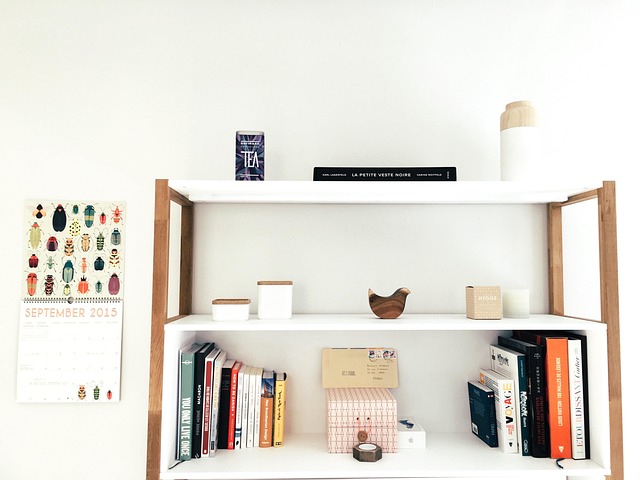
Floating shelves’ clean lines and minimalist allure don’t have to be confined to the living room. Their flexibility makes them the solution to almost any storage or display dilemma, including kitchen design and small spaces, marrying practical with personal. Carrying this design element beyond the living room creates a cohesive and organized look throughout the house.
- Home Office: Shelves create a vertical hub for books, binders, and crucial supplies, keeping your desk clear.
- Bathroom: Use them to hold neatly folded towels, toiletries in glass jars, or a small plant for a spa-like feel.
- Hallway: A narrow shelf can serve as a drop zone for keys and mail or a place to display a few framed photos.
The Kitchen Connection
Floating shelves in the kitchen open up the space and feel larger and airier than upper cabinets. They provide an opportunity to showcase your most beloved tableware and transform the ordinary. Think ceramic bowls, piled plates, and matching glasses into something decorative.
You can toss in cookbooks, a small piece of art, or a trailing plant to give it some personality. Shelves aren’t just for the living room. Installing them right above your kitchen counter gives you quick access to everyday necessities like spices, oils, and coffee mugs, simplifying cooking.
It’s ideal for crafting a coffee or tea bar. Display your mugs, canisters of beans and syrups on a couple of tiered shelves to create a chic, usable station that improves your mornings.
The Home Office Hub
Floating shelves transform a home office from a utilitarian area into a well-appointed workspace. Utilizing wall shelves above a desk maximizes vertical space for housing reference books, key files in stylish magazine holders, and containers for pens and other supplies. This setup maintains a clean and streamlined main work surface while enhancing the overall interior design of the room.
It provides an opportunity to make the room your own with things that inspire you, like small potted plants, framed art, or meaningful trinkets. By mixing storage for necessary office supplies with curated decor, the shelves support building a workspace that is both ultra efficient and a true expression of your personal style.
Ultimately, this creates a more enjoyable environment for getting work done, making it a perfect addition to any modern home office layout.
The Architectural Impact
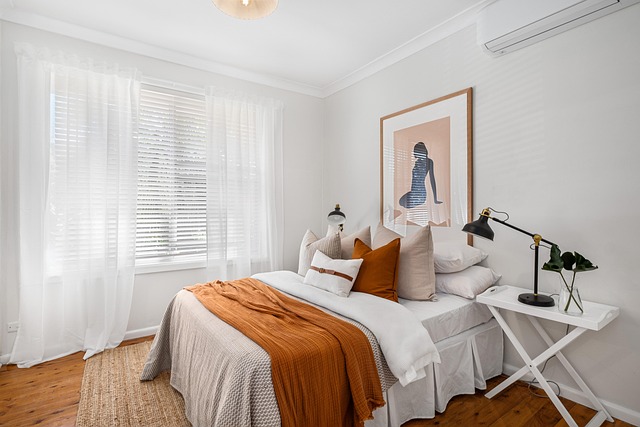
Floating shelves not merely contain things; they define the architectural experience of a living room. When thoughtfully installed, these versatile shelves can direct the gaze, delineate spaces, and provide textural appeal to otherwise flat walls. Their clean lines give minimalist style to a space, making them an essential element in contemporary kitchen design.
Guiding the Eye
Floating shelves are great at focus and motion. Shelves stacked vertically, for example, guide the gaze skyward, causing ceilings to subtly recede. This comes in especially handy in those eight-foot-ceilinged rooms.
You can even use one long shelf to accentuate an architectural feature you already have, like the wall space over a wide doorway or under a picture window, thereby creating a bridge between design elements. It provides a compositional flow that appears deliberate.
The positioning can create a gentle course for the eye to circle the room, rendering the space more alive and connected. To emphasize this impact, install small arrow-shaped spotlights or an LED strip above or below the shelves.
It highlights the objects you are exhibiting and supports the direction you want the viewer’s eye to travel, transforming an ordinary wall into a strategic visual destination.
Defining a Zone
In an open concept living room, for example, floating shelves can help delineate spaces without having to put up any walls. A run of shelves on the wall between a living and dining space can serve as a demarcation.
Once you fill them with a combination of glassware, plants and decor, you’ve sent a new message for the function of the room. This same concept applies for carving out your little home office nook.
Shelves mounted above a desk offer space for supplies and visually distinguish your work area from the lounge zone. For a reading nook, framing a few deep shelves around a plush chair not just houses your library, it makes the area feel like a special escape.
The trick is leveraging the shelves and their contents to create a mini self-contained vignette that defines what the space is used for.
Common Installation Pitfalls
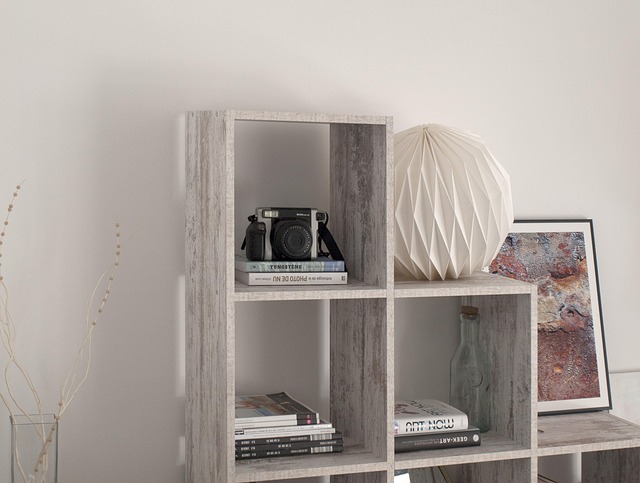
Installation is everything regarding getting a clean, safe display with floating shelves. Some common missteps can result in lopsided, unstable, or sometimes dangerous outcomes. The key is to properly evaluate your wall and employ the right hardware. A lot of homes, particularly older ones, don’t have straight walls. Always check with a level; your eye can lie and lead you into installing sloping shelves, especially when it comes to living room wall shelves.
Before you drill, find those studs! Anchoring your shelves directly into one of these wooden studs will give you the most secure grip possible. If studs aren’t present where you want your shelves to be, then you need to use the appropriate wall anchors for your wall type – drywall, plaster, or concrete. Using the wrong anchor, or even worse, no anchor at all, is the number one cause of shelf failure.
It’s wise to drill smaller pilot holes in advance to prevent the wall from splitting. Aside from anchoring the shelf to the wall, it’s important to know its weight capacity. Each shelf has a weight limit it can hold, which is typically determined by its design and mounting hardware. One of the more common installation blunders is shelf overloading, which causes shelves to sag with age or even worse, collapse, especially for open shelves that are meant to showcase decor.
A couple of hard-bound books, a big ceramic vase, and a few frames can add up quickly. Don’t be tempted by Command Strips or similar for more than very small, light shelves and decor; they’re not meant to hold weight. Don’t forget to see what’s behind the wall. A quick pass with a stud finder that finds live AC wiring and pipes will keep you from doing some real damage or hurting yourself while installing your shelving.
Last, how you organize your wall art impacts both the aesthetic and the shelf’s sturdiness. Overcrowding looks cluttered and makes it easier to accidentally go over the weight limit. It’s about negative space as much as about each object. Arranging items in odd numbers, different heights and textures, with a consistent color scheme can make for a very well-styled arrangement, enhancing the overall interior design of your space.
This careful consideration will make your shelves not just installed properly but beautifully become part of your living room design.
Conclusion
Floating shelves lend your living room a clean, modern appearance. You can use them to display your personality. Mix in some rad art prints with some small plants, like succulents that thrive in the LA sun. Flank your favorite books with a special photo. Nailing the location and decoration of those shelves makes a world of difference. It transforms a bare wall into a focal point that feels uniquely you.
Now you’ve got the ammo to style your space. What are you going to decorate your shelves with? Post your thoughts in the comments.
Frequently Asked Questions
How do I make my floating shelves earthquake-safe in Los Angeles?
Never just drywall; always anchor into wall studs. For added security, use museum putty or quake-hold wax to secure decor on your gallery wall. This minor precaution protects your cherished items from tumbling during a quake.
What’s the best height to hang floating shelves in my living room?
I’ve found eye-level, about 57 to 60 inches from the floor, to be the perfect place to begin for your gallery wall. This height creates a natural focal point for wall shelves, making it easy to adjust based on your ceiling height and the furniture beneath.
How much weight can a floating shelf actually hold?
It depends on the wall shelves and the installation. Most normal shelves support 15 to 50 pounds when anchored to wall studs. Always consult the manufacturer’s recommendations before you pile them high with heavy books or trinkets on your living room wall shelves.
What are some popular LA decor styles for floating shelves?
I just adore seeing shelves that channel our SoCal vibe. I’m talking light wood shelves with a combination of neutral colored ceramics, cute little succulents, and your own personal photos. It results in a fresh, breezy, casual aesthetic that is totally LA comfortable.
How can I style my shelves so they don’t look messy?
My standard rule of thumb in interior design is ‘less is more.’ For a stunning gallery wall, group odd numbers, like three or five. Mix up the height and texture of your pieces, and don’t be afraid of leaving some breathing room. This white space allows your decor to breathe.
Are floating shelves a good idea for a small LA apartment?
Of course! They’re an excellent space-saver. Floating shelves, especially when used as wall shelves, pull the eye up, opening a room to feel taller and airier. They offer storage and display space without using any valuable floor space, which is a huge win in a smaller apartment.