

Emergency water shut-off valve shuts off all water to your LA home if a pipe bursts or a fixture leaks. Most LA homes constructed after 1960 have a brass gate valve adjacent to the front hose bib or garage wall.
Knowing its spot and testing it twice a year can reduce flood damage and keep you within the city’s 2025 retrofit regulations. The steps below demonstrate how to locate, label, and use it quickly.
What is a Shut-Off Valve?
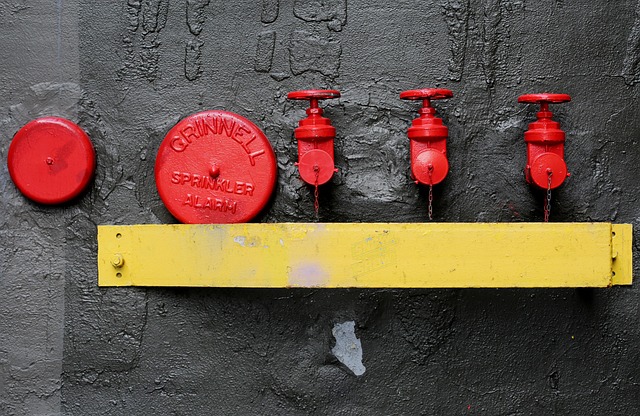
A shut-off valve is your main water valve that stops water from reaching your entire plumbing system. When you turn this valve clockwise, it cuts off the water supply and prevents flooding in a plumbing emergency.
- Gate valve: circular shaped knob, closes with many slow turns
- Ball valve: Lever handle, shuts off with a 90-degree twist
Every homeowner should know their valve location, typically within 3 to 5 feet of where the main water enters, usually near the meter, to act quickly.
The Gate Valve
The traditional gate valve style features a round knob that you turn counterclockwise several times to open. They can get stuck closed and break after years of non-use.
A friend in Pasadena, for example, had to hacksaw his gate valve off during a slab leak since the stem snapped.
Swap out a slow, old gate valve for a quarter turn valve for quicker emergency shutoffs. A bad valve can snap in the shut position and restrict water to the house, keeping you high and dry until the plumber comes.
The Ball Valve
A lever-style ball valve gives clear visual feedback: lever parallel to the pipe means open, and perpendicular means shut.
A quarter turn valve requires just a fast 90-degree twist — counterclockwise a quarter turn — to shut off water, which is useful when a pipe bursts at 2 a.m.
Ball valves are more dependable and quicker in the midst of an active pipe burst. Change main shut and branch valves to ball valves. Safety first, and the extra twenty bucks sure trumps water damage.
Valve Standards
Verify valve types and sizes permitted on the main water line with local codes. Certain LA districts mandate full-port brass ball valves.
Don’t just guess pipe size for replacement valves; measure them, so you buy the right size valve. A 1-inch main requires a 1-inch valve, not ¾.
Search for brass or stainless steel valves rated for potable water and household pressure, typically 400 psi WOG. Put valves in with obvious handles so anyone can locate and turn them fast. Stuffing it behind drywall wastes valuable time.
Locating Your Main Valve
They’re the very first thing to locate after you purchase a home. Follow your copper or PVC line from the city water meter at the sidewalk; it runs straight shot to the wall closest to the street. Once inside, that line strikes a water shutoff valve before it branches off to sinks, tanks, and hose bibs. Identify that location and inform each adult of its whereabouts, especially in case of a water leak emergency.
Check the Perimeter
Begin outside. Walk the street-facing wall and search for a one-inch pipe protruding through brick or siding. The valve lies directly inside, usually behind a metal plate or in a small closet with the water heater.
Push bikes, trash cans and holiday boxes out of the way now – you won’t have time when a pipe pops. Snap a photo of the valve wide open and save it in your phone’s favorites so you can show a sitter or house guest in seconds.
Inspect the Basement
Go downstairs. Searching for your main valve. Shine a flashlight down the front joist bay and you’ll spot the main cold pipe snugged against the rim joist. The valve should be within arm’s reach of where that line slips through the concrete.
It could have a red handle you twist clockwise or a silver lever that you twist 90 degrees until it’s perpendicular to the pipe. If the handle is missing, leave an inexpensive meter key on a nail close at hand. Pliers destroy the stem.
Search the Crawl Space
Crawl spaces are snug and shadowy. The valve is a breeze once you learn the trick. Crawl toward the street side on a plastic sled so you don’t rip your jeans. It drops down the center beam.
After it falls through the floor, search for a brass valve. Construction crews pack insulation over it. Rip that out one time, slap a neon flag on the pipe, and leave a headlamp dangling from a hook so you’re not fumbling in fiberglass at 2 a.m. When it’s leaking.
Look in the Garage
In most LA homes constructed after 1980, the garage wall adjoining the kitchen conceals the main line. Back the car out, roll aside the storage shelves and locate the valve adjacent to your drywall seam.
Locate your main valve and paint a red ring on the wall around it. The glare from car headlights will lead you quickly! Test it every six months by slowly turning it a quarter turn off and back on so mineral grit doesn’t freeze it solid.
Find the Street-Side Box
If your indoor valves don’t work, head to the curb. Pry the rectangular metal lid between the sidewalk and curb with a flat screwdriver. Within rests the city meter and a curb stop valve on the street side of the dial.
That stop requires a long meter key. If it’s buried under sand, contact your water provider and they’ll clear and turn it at no charge.
How to Operate Your Valve

Your main water shut-off valve is located where the city water line enters the house, usually 1 to 2 feet inside the crawl-space wall or near the water heater. A quick clockwise turn of the handle effectively stops water flow to every faucet, toilet, and hose bib simultaneously.
Turning the Handle
Grab the oval knob or short lever with your entire hand. Turn slowly. Old galvanized nipples break if you jerk. Gate styles require five to ten complete turns. Keep track since you want to roll back the same number later.
Ball valves swing ninety degrees: right until the bar points across the pipe for off, left until it lines up for on. If crusty scale locks the stem, slide a pair of ten-inch channel-locks on the flats and twist gently. Never crank past the first hard stop or the brass body can crack.
Mark “OPEN / SHUT” on the stem with a Sharpie so the next person knows which way is which.
Releasing Pressure
OPEN YOUR VALVE HOW TO OPEN YOUR VALVE Crack the kitchen cold tap first. Air pours in, water flings out. Flush each toilet once. Tanks gurgle empty and relieve pressure from downstream elbows.
Drag down to the basement slop sink, pull the lever and see the stream dwindle to a hiss, confirmation the main survived. Leave taps open as you solder or change out an angle stop. Shut them just before you turn the main back on so pipes refill gently and quietly.
Periodic Testing
Shut and open your valve every six months. Aim for 60 seconds from start to finish. If you hear a faint whine or see a weep at the stem nut, the washer is toast.
When flow still drips with the gate fully seated, schedule a valve replacement and dial a professional plumber before an emergency does the choosing for you.
Beyond the Main Valve
The main shut-off stops the whole house, but every fixture has its own valve. Learn these places and you’ll still be able to brush your teeth as the laundry line dries out.
- Under kitchen sink: two oval valves on copper tubes
- Under each bath sink: same pair, hot left, cold right
- Behind every toilet: chrome football on the wall or floor
- At washer box: red and blue levers behind the machine.
- At water heater: valve on top of the tank, and second drain valve
- At fridge icemaker: tiny saddle or quarter-turn on the back
- At dishwasher: usually under the sink, shares the hot line.
- At the wet bar or utility tub, it is tucked behind the cabinet face.
Get a hand-drawn floor plan on the fridge with a big bright dot at each valve. Walk every housemate through a two-step drill: close clockwise, open counter-clockwise. One turn prevents a flood and leaves the other rooms of the house soaked.
Under Sinks
Peek inside the cabinet and you’ll find two stubby valves, one hot, one cold. They resemble small footballs or straight levers. If the faucet snaps, turn them both right until they stop.
That stops the drip and allows you to change washers without shutting off water to the shower. Slide a dollar-store dishpan underneath first. A half cup still spills out.
Behind Toilets
Stop valve lurks low on left wall. Turn it to the right, listen for quiet. Flush once. If the tank remains vacant, you nailed it.
Old multi-turn valves love to stick. Replace with a quarter-turn ball valve when you remodel. Ten dollars now trumps a soggy hallway later.
Near Appliances
Before you go to Tahoe, turn off the twin red-blue handles behind the washer and shut the cold ball valve at the water heater. Peek at hoses. If there’s any bulge, it’s swap time.
The five-year rule keeps bursts down. A discount aluminum pan under the main valve purchases hours if it rusts out. Tag each valve with painter’s tape: “Washer,” “Fridge,” “Heater.
When a quake hits and supply lines go dry for three days, you’ll still have bottled peace of mind.
Valve Failure and Maintenance
A valve that looks fine externally can conceal cracked washers, chalky O-rings or a seized stem. Catch the signs early and you avoid a flooded crawl space and a four-figure dry-out bill.
-
Drip at handle or spout – replace the washer or the entire cartridge.
-
Water pressure drops city-wide, but not at your house. Check the valve seat for scale.
-
Handle spins freely—packing nut is burned out. Replace or re-pack.
-
White crust or green patina on brass indicates that corrosion has started. Clean the surface and spray silicone.
-
Gate valve that takes ten turns and still flows. The stem threads are stripped, so let’s put in a ball valve.
-
Date every service on a strip of painter’s tape. Most valves endure eight to twelve years of L.A. water before they throw in the towel.
Keep a small parts box in the garage: two half-inch ball valves, a handful of washers, a roll of Teflon tape, and a 4-in-1 valve key. When a pipe cracks at 11 PM, you’re repairing, not taking a drive.
Common Problems
Gate valves in pre-1980’s Long Beach homes tend to freeze after years of salt air, posing a risk for homeowners. It’s a simple repair — a quick fix, really — by turning off the curb stop and replacing the disc. This plumbing job can be completed in about 30 minutes if the stem isn’t broken, ensuring that the water supply is restored promptly.
Ball valves hold up better, but if the handle breaks off, you can still grasp the stub with pliers. Just be cautious of the 90-degree stop, as it can affect water flow.
Dripping packing nut: Snug it an eighth turn clockwise with a crescent wrench. Overtightening scores the stem. Stuck gate: Wave a propane torch six inches away for thirty seconds, then turn slow and steady. Heat expands the brass enough to break the calcium bond.
If the main water shutoff valve breaks in the shut position and no water gets to the house, it’s crucial to call an emergency plumber instead of attempting to drill it out yourself.
Proactive Care
Twice a year, shut and open every valve when you test smoke detectors. This ten-second job saves you from a seized mess later.
Wipe valves dry after a downpour. Spray them with silicone so chloride film can’t adhere.
Screw on a $12 pressure gauge on downstream. Keep city pressure below 80 psi to extend the life of rubber seals.
Slip split foam pipe wrap around valves in drafty crawl spaces. Frozen pipes crack faster than stainless steel.
When It’s Stuck
Smack the stem with WD-40, wait 15 minutes, then turn slowly. Light raps with a 12-ounce hammer knock rust loose without shock loading the pipe.
If it still won’t budge, head to the sidewalk, raise the meter lid with a valve key, and rotate the curb stop clockwise until it seats. Call a licensed pro since street-side parts are DWP’s property.
Upgrading to Smart Valves

A smart shut-off couples a motorized brass ball valve with small leak sensors you sprinkle throughout the home. The rig communicates with your phone, closes the main within seconds, and tracks each drop you consume. It runs about $350 for a ¾-inch valve kit and reaches $700 if you desire professional installation and cellar signal boost.
|
Feature |
Basic Motorized Valve |
Flo by Moen |
Phyn Plus |
LeakSmart Snap |
|---|---|---|---|---|
|
Auto shut after leak |
yes, 5 min |
yes, 5 sec |
yes, 10 sec |
yes, 3 sec |
|
Remote app |
Bluetooth only |
Wi-Fi + cell |
Wi-Fi + cell |
Zigbee + cell |
|
Daily usage report |
no |
yes, 0.1 gal step |
yes, |
|
|
0.05 gal step |
yes, 1 gal step |
|
|
|
| Voice control | n/a | Alexa, Google | Alexa, Google | SmartThings | | Insurance docs | self-print | auto-email PDF | auto-email PDF | agent portal link |
Automatic Detection
Toss a coin-sized sensor under the kitchen sink, another on the basement slab by the water heater, and a third behind the toilet. They come with sticky pads or one screw; whatever, you’re done in five minutes. When water hits the two metal dots, the sensor pings the valve to rotate ninety degrees and texts your phone.
One LA owner trapped a pinhole in a soft copper line at 2 am. The shut-off flared before the bath pad spied a puddle. You receive a daily chart in the app. A sluggish grind upward from 180 to 220+ across a week usually indicates a silent slab line leak or running toilet. Catching it early saves the $2,500 deductible most SoCal carriers have on water claims.
Remote Control
Say to Alexa ‘water off’ as you’re stuck in LAX traffic and the valve complies. Plumber arriving at noon? Just tap once in the app instead of crawling under the house to spin that stiff brass gate. You can set rules: if Nest Protect smells smoke or the sump pump float stays high for thirty seconds, shut the main so sprinklers don’t feed a fire or flood a crawlspace.
Share log-in with spouse and college kid; each person sees the same big red button.
Insurance Benefits
Most CA insurers cut 5-10% off premium when you email them a picture of the valve tag and the receipt. State Farm wants model, serial, and install date. Farmers wants a screenshot of the first successful test. If damage still occurs, those very photos demonstrate you acted quickly and can save $1,000 on your deductible.
Inquire about bonus points for installing whole-home sensors. Certain providers slash an additional $50 annually per device.
Conclusion
You now know where your shut-off valve hides, how to twist it and when to call a pro. Test the valve semi-annually—immediately after you exchange the smoke alarm batteries. If the handle is sticky or water still dribbles, trade the valve prior to the next long weekend. Smart shut-offs introduce phone alerts and auto-close, but a $12 gate valve still beats a flooded living room. Hang a tag on the valve so your dog sitter can kill the flow if a pipe pops. Pick up a flashlight, walk over to the valve tonight and turn it a quarter turn. Turn it off, turn it on, finished. Sleep tighter, save thousands, keep life dry.
Frequently Asked Questions
Where is my main shut-off valve in a typical L.A. house?
Check the main water shutoff valve by the front hose bib, in the garage wall, or under the kitchen sink. For slab homes, it’s frequently located in a plastic or concrete box at the curb side labeled ‘water.’
Do I need a permit to replace my valve in Los Angeles?
Not a straight swap. If you cut into the main water pipes or add a pressure regulator, request a no-fee shutoff permit online in 5 minutes from your water provider.
How do I know the valve is broken?
Spin the handle of the water shutoff valve: if it keeps turning or won’t budge, or if water still seeps when closed, the gate or ball inside is likely damaged. In this plumbing emergency, call a licensed CA plumber.
Can I install a smart shut-off myself?
Truly, if you can sweat copper or utilize SharkBite push-fit, remember to kill the main water shutoff valve first. Then add a battery-powered Flo by Moen or Phyn Plus, as LADWP rebates as much as $500.
What size wrench fits the city valve at the street?
A 5’ adjustable curb key (¾” square head) works on every L.A. water meter, making it essential for homeowners. An emergency water shutoff valve can be rented at Home Depot for $12 a day, a cost-effective option compared to a $150 service call.
Will shutting off the valve affect my water heater?
That is except you open hot taps during the main water shut. Leave the heater on; the tank will maintain pressure. Open one hot tap after you turn the water supply back on to burp air.
How often should I test my valve?
Twice a year when we ‘spring forward’ and ‘fall back’, it’s important for homeowners to check their water shutoff valve. A quick quarter-turn prevents the rubber washer from drying out and cracking in our arid SoCal climate.