


Call 9-1-1 to connect to police, fire and EMS crews in all U.S. Counties. Typical urban response averages 7–8 minutes; rural lag can reach 14.
All calls are routed through a local PSAP that locates your phone in less than 5 seconds. Once we identify emergency services, we deconstruct who arrives, how they train and what you can do prior to their arrival.
What Are Emergency Services?
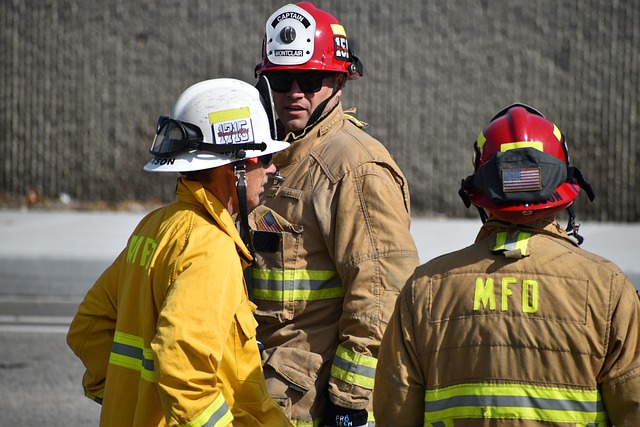
They’re the connected network of police, fire, EMS, and emergency management agencies that respond to emergency calls. Operating around the clock, they safeguard life, property, and critical infrastructure against both natural disasters and human-induced risks. All crews utilize the National Incident Management System to ensure coordinated incident response.
- Police
- Fire and Rescue
- Emergency Medical Services
- Emergency Management
- Public Works
1. Law Enforcement
Local police typically arrive first and secure the scene for other services. Officers take care of traffic, crime, bomb squads, active-shooter response and homeland security patrols. Every officer receives additional training in first aid, haz-mat fundamentals and incident command so they can help out ahead of fire or EMS.
Police dispatch centers provide live alerts to fire and EMS, giving all the same real-time picture of events.
2. Fire and Rescue
Fire departments are more than just water on flames. They man ambulance units, provide paramedic-level care and operate technical rescue teams for swift-water, collapse, high angle, confined-space and haz-mat calls.
A fully-outfitted ambulance is roughly $250,000, and outfitting one firefighter is nearly $12,500. Prevention programs – inspections, code checks, school talks – seek to prevent calls before they begin.
3. Medical Services
That’s the EMS system that folds 911 dispatch, ground ambulances, air medical helicopters, and community paramedicine into one chain. EMTs complete around 160 training hours, advanced EMTs 200–400, and paramedics exceed 1,000.
Emergency services? During mass-casualty events EMS liaisons stand in emergency departments to monitor beds and blood. Mobile integrated healthcare dispatches clinicians on scheduled home visits for wounds, meds, or mental-health check ins—reducing repeat 911 calls.
4. Emergency Management
Emergency management is the government office that coordinates emergency preparedness, response, recovery and mitigation. County or state officials open Emergency Operations Centers and seek federal assistance when a disaster exceeds local resources.
The National Response Framework designates each agency an emergency support function–transportation, communications, firefighting–so work doesn’t intersect. Execs compose continuity plans that keep water plants, 911 servers and payroll a go if electricity or data lines drop.
5. Public Works
Public-works crews clear roads, shore up bridges and patch water mains after hurricanes, floods or quakes. They clear debris, plow snow and repair signals to get evacuation routes re-opened quickly.
Under incident command they handle downed energy lines, gas leaks and stressed dams – their quick action lets fire engines, ambulances and squad cars roll through safely.
: these five services keep daily life from falling apart.
The National Command Center
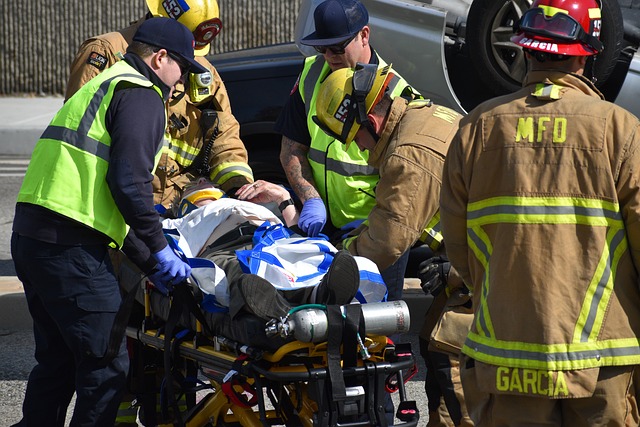
The National Operations Center (NOC), managed by the Department of Homeland Security, is located in Arlington and operates 24/7. It streams in feeds from cops, firefighters, EMS crews, power grids and radars on one wall of screens. When a pipeline bursts in Texas or a cyber hit takes out East Coast fuel lines, it’s the NOC that writes the initial national sit-rep and determines which federal team gets to roll first.
It connects federal, state, tribal and territorial nodes via the Homeland Security Information Network—picture it as a secret Facebook for crisis managers.
Central Coordination
A single room, a single map, a single chat. That’s the policy. The NOC operates a common operating picture which tracks every moving ambulance, helicopter and bottled-water truck in near real time. Secure .gov portals and classified video bridges allow a Colorado fire chief to direct a Forest Service air tanker without calling FEMA since the dashboard already displays the bird on the tarmac.
When ESF-3 (public works) and ESF-8 (health) light up, the center combines Army Corps debris crews with HHS vaccine teams so cities aren’t competing for forklifts.
Information Sharing
Alerts fire off in seconds, not hours. A tornado signature near Tulsa sends an unclassified CISA push to county phones as a law-enforcement-sensitive tip on a suspected pipe bomb goes to fusion centers alone.
Data Type | Shared Via | Why It Matters |
|---|---|---|
Radar loop | HSIN portal | Lets EMS stage ambulances west of twister path |
Bomb tech sketch | LENS net | Keeps local bomb dogs from touching wrong wire |
Hospital bed count | EMResource | Stops FEMA from sending patients to full ICUs |
Even cops can talk back. Small-town cop posts pic of strange powder… minutes later NOC lab desk verifies it’s merely corn starch & hazmat wave is called off.
Agency Integration
Coast Guard chopper pilots, FEMA loggies, FBI bomb techs, and a CDC epidemiologist all plug into the same ICS chart. They discuss straightforward roles—Incident Commander, Ops, Planning—so no one waits for an interpreter.
One recent run started when a barge hit a bridge near Memphis: the NOC gave the Coast Guard airspace, ordered FEMA barges of sandbags, and had USFA teams check bridge heat damage as CDC watched for fuel in drinking-water intakes. The entire stack went live in less than 45 minutes.
The Future of Response

Cloud-native dispatch boards, shared data lakes, and AI triage lines are currently being tested in Fairfax County, Austin, and parts of LA County, marking significant advancements in the emergency services sector for the next decade.
Telehealth rigs will roll to low-acuity 911 calls. LAFD’s pilot units reduce ER use by 18 % last year.
Climate-driven surges—Southeast flash floods, Phoenix heat stroke, Colorado wildfire fronts—will require pre-signed mutual-aid agreements and stockpiled N-95s.
Cyber duty will fall on each crew chief. Ransomware hit three US EMS servers in 2023, forcing pen-and-paper runs.
Drone swarms and satellite relays will patch dead zones after storms faster than fuel trucks can get to a tower site.
Explainable AI dashboards will demonstrate to chiefs why an algorithm shifted two engines north, keeping a human in the final loop.
Aerial Support
Police choppers still circle high speed pursuits, but the stealthier star is the quad-copter that erupts from a fire engine. In less than two minutes it maps flame front speed, wind drift and spot fires, then beams the feed to an iPad on the dash.
Coast Guard HC-144 Ocean Sentries could launch from Mobile and be on scene 200 miles out in the Gulf before a shrimp boat radios mayday. For hikers pinned beneath a San Bernardino rock slide, a DJI M300 drops a loudspeaker and LTE relay so crews above the canyon can communicate with trapped victims beneath.
Denver’s fixed-wing air ambulances route stroke patients to Aurora’s Level-1 hub in 45 minutes—ground transport exceeds two hours when I-70 congests with ski traffic.
Artificial Intelligence
AI now filters all 911 calls in Cincinnati. If the wav file hits stress markers for “can’t breathe” + thud, the code bumps the case to the top and pushes CPR phone prompts to the caller.
Historical CAD data trains a model that parks two medic units near prior year’s July 4th gun-violence blocks before dusk. Shootings fell 9% on nights the model operated. Bomb techs at LAX tested surveillance stills against an image net trained on 40 k IED shapes.
It detects a taped pressure cooker in less than four seconds, but a sergeant still hits “send team” or “stand down.” Workflow change is messy. One county had to rewrite its SOPs and teach veterans how to audit an algorithm’s logic trail.
Advanced Communication
Texas’s Next-Gen 911 centers accept WhatsApp video from deaf users, a clip of a flipped semi so dispatch can assign a heavy-rescue squad before the first horn honks.
When a tornado snapped fiber lines outside Tulsa, a trailer-mounted LTE balloon restored encrypted talk groups for police, fire, and gas crews in 38 minutes. Gateways now enable NYPD UHF radios to patch to FDNY VHF at a bridge collapse so all hear one channel, no swap-outs necessary.
Inside a blazing warehouse, a firefighter’s smart shirt streams his heart rate and core temp to command. When one hit 104 °F, the chief pulled the crew and cut a new vent hole in seconds.
Your Role in the System
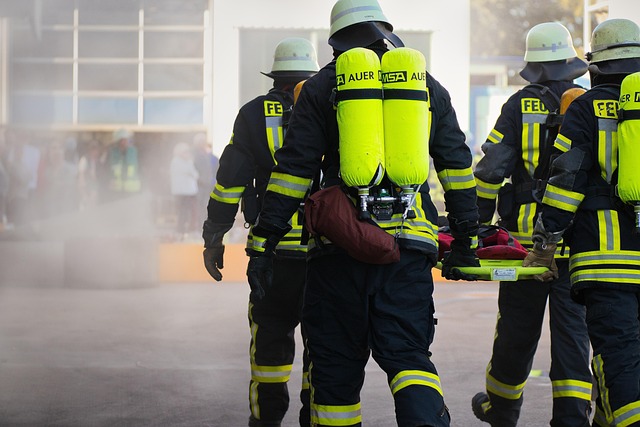
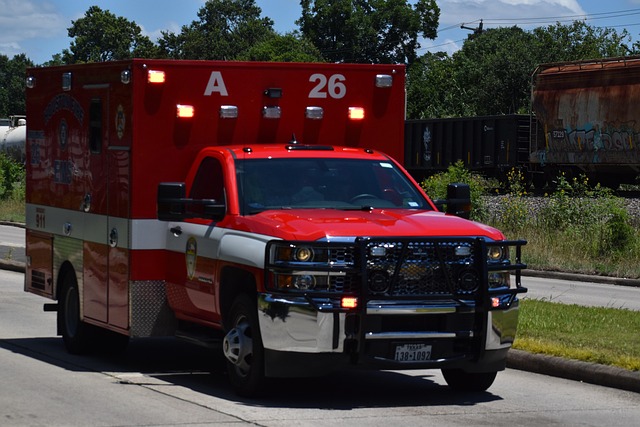
You are the initial connection. Your decisions determine, before any siren blares, how quickly aid appears and how dire the situation. Make a three-day kit: one gallon of water per person per day, canned food, a hand-crank radio, and cash in small bills.
Tape a local map to the bin lid – mark two roads just in case the 405 jams. Pack passports and meds in a zip bag, so you can grab and GO. Subscribe to L.A. County alert at ready.lacounty.gov and add the National Weather Service chatbot to your phone — both deliver quake and wildfire warnings in less than thirty seconds.
Attend a four-hour CPR course at a firehouse on a Saturday; the county provides you with a kit of gloves and face shield. Snap pictures of every room and save to the cloud; post fire adjuster can cut a check in days, not months.
Community Preparedness
Map your block: the creek that floods, the 1920s apartment with no retrofit, the propane tank behind the taco stand. Print the sheet, and slip it underneath the pizza menus on the fridge.
Connect with neighbors in the park on first Sundays of the month, and train in removing a parked car from a dummy with two-by-fours and an old tire. Pool cash for a used generator and two 18-inch Stihl saws; one dude keeps the gas fresh, one sharpens the chains.
Have the town red cross mark which school gym accepts cats in carriers and which shuttle has a wheelchair lift. These little actions weave a landing sweep well in advance of the professionals show up.
Proactive Engagement
Take one Tuesday night a month following the fire department’s volunteer brush-clearance crew — you’ll learn how to identify ember traps and score a free reflective vest. CERT classes span eight Thursdays; you’ll receive a helmet, a whistle and how to properly shut off gas at the curb.
If you have an RV parked by the substation for three nights, report it to LAPD non-emergency line– the watch commander logs it and can send a patrol. Six months apart, the city conducts a cyber-drill; you’re a water-plant operator as staff attempt to hack the system.
Your notes catch holes before the real thing.
Accurate Reporting
When you call 911, landline or cell, the screen displays to the call-taker a map. Still, say ‘1422 Venice Boulevard, apt 4, cardiac arrest, one patient’ so not a second is wasted.
Speak plain: “He’s blue and not breathing” beats “appears unresponsive.” Hold the line; they could instruct CPR. These fake swatting calls can cause a full code-three response—that’s five engines and two squad cars diverted away from actual fires and heart attacks.
Following any major event, complete the brief questionnaire the city sends — your feedback contributes to the after-action report that influences next year’s budget.
The Unsung Heroes
Fire trucks and ambulances get the headlines, but it’s the silent legion of utility crews, public-works personnel, and even unpaid volunteers who re-boot a city after the storm clears. They drag poles, cook chili, patch pipes and keep radios crackling so 911 centers and hospitals and shelters can even exist.
Without them, first responders would roll up to dark streets, dry hydrants and broken roads.
Infrastructure Restoration
The lineman begins at the hospital feeder lines, ensuring that the emergency services are not disrupted. One broken pole can black out six blocks, so crews replace it with a new 40-foot cedar, hoist a 2,000-pound transformer, and restring 7,200-volt wire before the next shift change. They labor hot when they may not, glove up, and go barehand to keep ventilators purring, which is crucial for public health and safety during emergencies.
Water-department techs trail behind with listening gear and chlorine kits, mapping main breaks and closing valves. They do not lift a boil alert until two clean lab samples return, 24 hours apart. Road crews combat slides with loaders and dump trucks, laying geotextile and riprap so a 40-ton fire engine can pass without flipping a rear axle, ensuring that the emergency response system remains intact and operational.
When these three jobs get done in order, the ER lights remain on, the OR has sterile water, and the ambulance driveway is unclogged, allowing emergency responders to provide critical care efficiently.
Debris Management
First pass is a windshield survey: city engineers log cubic yards on a tablet, mark hazardous piles with pink paint. Vegetative debris to curbside grinders, chippers convert pine limbs into mulch which county crews spread on slope failures along the 101, $42 per ton landfill fees saved.
Household chemicals — paint, pesticide, propane — ride in orange bins to a fairgrounds hazmat tent. GPS chips in each truck beam tons to FEMA dashboards if cumulative exceeds 66,000 tons, the county gets 75% reimbursement.
Utility Support
Gas techs roam the grid with sniffers. They crimp a plastic main in ten minutes, halting a leak that might torch a block where rescuers dig out pets.
Sewer crews hauling portable pumps to lift stations pull one backed-up line and back up a shelter gym with gray water knee-deep. Telecom rigs roll on dual-axle trailers—cell-on-wheels towers that spring up in school lots and reinstate 911 voice service in under three hours.
When these systems come into sync, responders breathe easier and survivors stay safer.
Adapting to Modern Crises
Emergency crews today juggle pandemics, cyber hits and climate blow-ups side-by-side. Ancient playbooks—send trucks, put up triage tents, go home—derail when the electricity stays out for weeks and the IV bags run dry. Cross-training is the fix: cops learn basic network forensics, medics drill in hazmat suits, and everyone rehearses without cell service.
Policies, too, require a refresh cycle that’s shorter than a ransomware variant’s shelf life.
Cybersecurity Threats
Ransomware choked San Diego 911 center last fall, calls rolled to paper cards for four hours. One bogus ”IT survey” email fooled an inexperienced dispatcher into handing over VPN codes, granting cybercriminals the keys.
Protective moves worth taking:
Action | What it does |
|---|---|
Two-factor log-in | Adds a second code so stolen passwords are useless |
Patch Tuesday rule | Updates software before crooks exploit known bugs |
USB lock-down | Blocks unknown thumb drives that drop malware |
Phish test mails | Fake lures that train staff to delete, not click |
Each agency similarly requires a brief ‘ok-to-do’ record for computers and a schedule time for updates. Skipping either is like leaving the station door open.
Mental Health Support
First responders witness more dying in a month than the average person experiences in a lifetime, and firefighters’ suicide rates are 30% higher than the national average. Peer teams—two cops and a medic who’ve been there—greet rookies following rough calls and distribute hotline cards that really get used.
Bosses take a four-hour class on red flags: missed shifts, booze on breath, side-arm left in desk. When they see trouble, they take the member to the city’s free clinic rather than distributing a pamphlet.
In Austin, therapy dogs lounge at Station 17 on drill night, guys pet the husky as they study box-breathing apps on city iPads.
Climate Change Impact
Phoenix EMS responded to 1,400 heatstroke calls last July– twice as many as five years ago. Managers now tow jet skis and pop-up cooling shelters to parks before temps reach 115 °F; it’s less expensive than dragging them out after.
Fires leap from brush to subdivision in minutes. Crews practice with foil wrap and lawn sprinklers to save houses, not just trees. Upgrading 911 centers to ten foot stilts and installing Tesla walls keeps radios up when the next hundred year flood hits two times in a decade.
Conclusion
The siren you hear is your cue, not a fear cue. Lock your street address into your kid’s phone. As emergency services, we want you to put a house number on the curb tonight. Throw a pint bottle of water in the car trunk with the jumper cables. Those three moves save emergency crews minutes, and minutes save neighbors. Hit up ready.gov, select a drill, and do it this weekend. Then thank the dispatcher, the tech, the volunteer who all clock in so you can clock out. Spread the word, simplify the equipment, be prepared.
Frequently Asked Questions
Who answers when I dial 911 in L.A.?
City-certified dispatcher at the LAPD or LAFD Joint Command answers emergency calls in under 10 seconds, 24/7, ensuring public safety.
Does L.A. have one main 911 center?
Emergency calls route to LAPD, LAFD, CHP, or LACoFD by location and incident type, enhancing emergency services coordination.
Can I text 911 in Los Angeles?
Yes. Place ‘911’ in the ‘To’ field, provide your precise address and type of emergency services needed, keep msgs brief.
Are ambulances free here?
No.L.A. County EMS bills $1,200–$2,000; check with your Anthem, Kaiser or Medi-Cal plan for emergency services.
How do I give CPR before crews arrive?
Push hard and fast in the center of the chest—100–120 beats per minute—until specialized emergency services arrive.