

Childproofing essentials are those vital safety products and repairs that transform an American home into a place where a crawling or toddling child is a whole lot less likely to get injured.
Outlet covers, cordless blinds, and anti-tip kits for IKEA and Target dressers are at the top. Gates at kitchen doors keep little hands away from hot pans.
Up next: room-by-room checklists, cost hacks, and quick install tips you can complete in a weekend.
Your Room-by-Room Childproofing Plan
Childproofing is never a one-and-done task; it evolves as your baby learns to roll, crawl, or climb. Using a baby proofing checklist, chunk your house to maintain a safe environment without losing your mind.
1. The Living Area
Anchor all TVs and tall bookcases to wall studs with two-inch screws. Toddlers will climb drawers as stairs. If you can, add cushioned corners to the coffee table and swap the glass top for wood. Shatter injuries surge when tots yank on tablecloths.
Coil blind cords on a cleat 48″ high or cut them off. Strangulation takes seconds. Cover outlets that sit behind couches. They’re eye-level as soon as your little one is able to stand. If your home is older than 1978, seal any flaking paint before baby can mouth it.
2. The Kitchen
Magnetic latches lock lower cabinets — no opening despite it’s yanked twice by a tiny finger! Relocate cleaners and liquor to a high shelf above the fridge, not under the sink. Use a stove guard so pot handles turn inward. Burns peak at 18 months.
Keep a lid on the trash can, and pop a knob cover on the cutlery drawer. Sweep a thick rug in front of the dishwasher. Broken glass lurks in the lip.
3. The Nursery
Put the crib mattress in its lowest slot the day the baby can pull up. Spaces bigger than two coins side-saddle tempt head traps. Check slats for cracks every month. Budget cribs splinter quickly.
Shift the crib one foot from curtains or cords or framed photos. Climbers grab everything. Keep diaper cream and wipes on a shelf above the change table so you can keep one hand on the baby.
4. The Bathroom
Turn your water heater down to 120 °F or pop an anti-scald cover on the tub spout. Tap water can scald in five seconds at 140 °F. Lock medicines in a wall-mounted box, not a mirrored cabinet kids can scale by climbing on the toilet lid.
Throw in a rubber mat and a toilet latch. Open bowls lure inquisitive toddlers. Drain tubs immediately after use so no standing water ever lingers.
5. The Backyard
Enclose pools with self-latching gates 4 feet high. Drowning is the leading cause of death for one- to four-year-olds in L.A. County. Cap sprinkler valves so kids do not drink stagnant water.
Anchor freestanding basketball poles and put away ladder tools inside. Wind can knock over both. Step on abandoned orange peels, mustard on the driveway, and give me a $20 foot massage.
6. The Garage
Keep antifreeze on a shelf in original containers. Sweet taste kills pets and kids equally. Lock lawn chemicals in a metal cabinet after each mow. Carbon-monoxide fumes linger even with the door open.
Lock the garage door opener button five feet high so kids can’t dash under a sliding panel. Unplug electrical tools and tuck keys in your pocket. Exploratory hands are switch-flippers quick.
Adapting to Their Growth
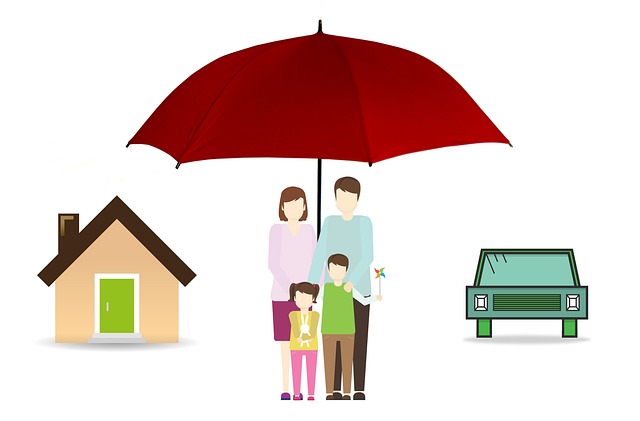
As soon as a baby begins to crawl, the house becomes a test track for safety. Every skill gained—rolling, pulling up, toddling—introduces a new array of possible dangers. Parents that bolt the cabinets today may need to shift the step-chair tomorrow, highlighting the importance of a quick baby proofing checklist.
The Crawler
A six-month-old who just discovered scooting can get to a dust bunny, dropped coin, or your phone charger faster than you can answer the door. Start at floor level: plug covers in every outlet, cord shorteners on blinds, and non-slip pads under rugs. Bolt bookcases and dressers to wall studs now. They turn into ladders later.
Double check drawers two levels up. Crawlers pull out lower ones and climb like stairs. Switch out the pretty tablecloth for a placemat. A single pull down takes with it cutlery and hot coffee. Bathrooms, shut that lid and put a latch on it. An inch of bath water is trouble.
Keep the water heater at 120 °F so an inquisitive splash won’t sear. Crawl the route yourself once a week to identify new hazards—loose change, a houseplant leaf, or that AA battery the remote flung out.
The Cruiser
The moment she grabs the couch and shuffles sideways, those sharp corners transform into head-height swords. Put corner guards on coffee tables and fireplace hearths. Shift plants, remotes, and cups away from low shelves, as those cruising hands will swipe anything for support.
Check window stops: a six-inch gap fits a small torso but not the head, and screens pop out with fifteen pounds of pressure. Cordless shades or tie cords high, strangulation takes seconds. In kitchens, shift knives and glassware from the first drawer to the third and latch it.
Heavy pots should reside on back burners with handles turned inward. A tilted Dutch oven full of chili can come toppling down if snagged. Trash cans go behind a latched cabinet, last night’s take-out skewer equals fun wand.
The Walker
The walkies are swifter than parents realize, making baby proofing essential. They are thirty inches tall and have absolutely no regard for traffic laws, which is why gates should now belong at stairs and room doorways. Opt for hardware-mounted versions that swing both ways for adults to ensure safety.
Re-check furniture straps regularly as toddlers use drawers as stairs to reach dangerous items like candy, meds, or even a loaded gun in the nightstand. It’s crucial to put door knob covers on closets where cleaning fluids hang out, and always use safety latches on toilets to prevent drowning risks, which persist until age four.
Smoke-detector batteries should be replaced annually on a convenient date, like tax day, as part of your baby proofing checklist. Demonstrate ‘hot’ by allowing them to experience tap water at 120 °F under your hand, as words resonate when combined with subtle reinforcement.
Re-crawl every few months since new toys mean new danger. Ride-on cars can morph into convenient step stools, and puzzle pieces can fracture into ideal choking dimensions, highlighting the need for ongoing vigilance in child safety.
Choosing the Right Gear
Childproofing devices are only useful if they are compliant with rigorous safety standards. A swift search for ASTM, JPMA, or UL markings indicates the gear cleared American lab testing for choking, pinch, and toxicity hazards. Fire codes in Los Angeles County add a layer: any plastic outlet shield must be flame-rated V-0. Parents often overlook these important childproofing steps or buy bulk packs from random sellers on the net, only to find warped plugs after one lazy window afternoon.
Safety Standards
ASTM F1004 applies to gates that are taller than 22 in., which is common on split-level California homes built after 1980. If a product has JPMA gold, it signifies annual retesting, and the logo resembles a tiny stroller on the back of the box. UL listed cord shorteners have to pass a five-pound pull test, which is about the force of a stubborn toddler who just learned to stand.
Skipping labels saves $6, but nullifies any insurance claim should you get hurt.
Material Matters
Plastic guards with BPA-free ABS that holds longer in dry heat. Metal latches coated with non-toxic epoxy resist rust in beach air. Silicon edge cushions remain soft at 110 °F, whereas PVC ones crack by August. Parents who love clean lines select matte-white stickers that peel off drywall, leaving no residue. Renters in Silver Lake swear by them.
Check weight limits as well. A magnetic lock designed to hold twenty pounds breaks as soon as a three-year-old discovers he can dangle from the drawer. Bamboo corner guards are pretty but splinter when stressed. Opt for dense EVA foam.
Product Durability
Gate hinges with steel pins last three years longer than plastic pins according to LA County recall logs 2021-23. Seek out those labeled 18-8 stainless. The poorer zinc variety strips after five removals during a furniture move. Adhesive-backed latches lose their grip when coastal humidity reaches 60%.
Screw-in models remain steadfast but require a stud finder and five minutes per door. Dual-slide face outlet covers snap back even when stepped on every day. Foam tubing along coffee-table edges survives two seasons before deflating. Replacement rolls run $7 at big-box stores and it takes ten minutes to switch them out.
Kids grow fast—gear should shift just as fast without breaking the bank every round.
Unseen Household Dangers
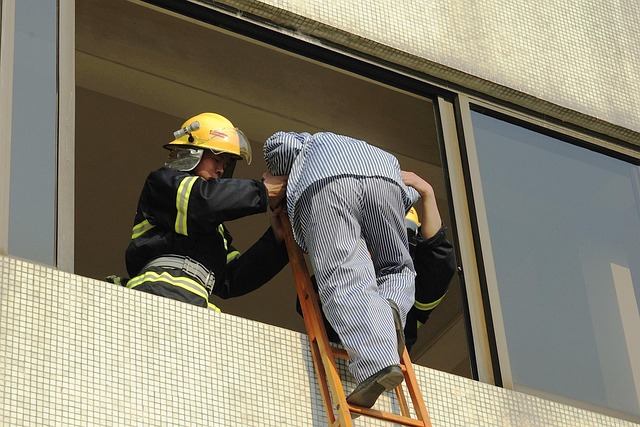
Scalds, dirty air, and glowing screens injure more kids than stairs ever will. These three silent household menaces lurk in the open, so the majority of LA moms and dads overlook important childproofing steps until the emergency room statement arrives.
Water Temperature
A 140 °F faucet scalds a toddler in 2 seconds. Drop it to 120 °F and that same child has a whole minute to pull back a hand. Mind the dial on any tank stashed in a West Adams garage—the sticker indicates the factory max, not the actual tap temp.
Run the hot side 2 minutes, stab a $5 meat thermometer into a cup. If it exceeds 120 °F, turn the screw down and try again. In older apartments with no access, screw a bargain anti-scald ring onto every tub spout; it snaps on without tools and throttles flow when the heat spikes.
Keep the lever-style handles off when kids bathe; a round knob requires two motions and gives you 5 more seconds. My kids sip the bathwater, so keep the pods locked on the top shelf. One squirt of that blue goo is a shot of drain cleaner.
Air Quality
Smog drifts down from the 10 and settles inside mid-century apartments that just never sealed properly. This new invisible household enemy: a pocket PM2.5 meter will register 35 µg/m3 indoors on a ‘green’ day outside—equivalent to smoking half a cigarette.
Bash a MERV-13 filter in the hall vent—it catches soot and wildfire ash for twelve bucks. If you rent and can’t swap building ducts, park a $70 HEPA cube near the crib and run it on low 24/7; it pulls the room to under 8 µg/m³ and hums like a fridge.
Houseplants help a hair, but only if leaves are dust-free—wipe ’em with a damp sock when you fold laundry. Pass on the grape-vape plug-ins as well—they spew out formaldehyde that little lungs absorb twice as quickly as yours.
Digital Devices
A phone forgotten on the charger can become a dangerous item that will blister a baby’s thigh. Cable fray is a common risk, so replace any cord that exposes copper with a $9 braided one and plug it into a desk socket, NOT the bed strip where blankets accumulate. To ensure safety, consider using safety latches to secure any hazardous objects out of reach.
Tablets can drop on faces and chip baby teeth, so it’s smart to stick a silicone bumper around each edge. When not in use, park the device on a high shelf. Blue light post 7PM can postpone melatonin production, so limit screen time to an hour before stories to promote a safe environment for sleep.
Lastly, setting a passcode is crucial. Each year, 1,600 children grab medicine bottles, mistaking them for toys, highlighting the need for effective baby proofing. Implementing a baby proofing checklist can help parents safeguard their homes against these possible dangers.
Installation Done Right
Slats at two and 3/8 inches, bolts tight, and any piece of plastic removed—those are your first three steps after you unwrap the box. A soda-can-wide gap through which a head slips and a loose bolt that makes the whole side wobble. Lay the mattress in and stick a hand around the rim. If you snag a finger, the fit is wrong.
Get the base down now, not tomorrow. Once a baby can pull up, a fall is just one climb away.
Common Mistakes
Parents tend to eyeball the slat gap rather than grabbing a ruler. The wedge of a credit card is precisely 2⅜ in—use it. Another quick one is leaving the allen key in the diaper drawer “for later.” Tighten every screw the day the crib goes up.
Wood shrinks a bit in dry L.A. Air and half-turn slack becomes a full wobble in a month. People hang adorable felt mobiles with simple ribbon. Use the included short strap and ceiling hook so a curious 5-month-old can’t pull it down.
Finally, they fling the crib up against a wall and forget the outlet right behind. Slide a finger back there—if you encounter plugs, shift the frame two inches further out.
Tool Essentials
Installation done right. A 4-in-1 screwdriver tackles most crib bolts, a small square of fine sandpaper knocks down splinters before they snag skin, and that free allen key is gold—stick it to the crib rail so it sticks.
Maintain a torque-limiting screwdriver at 20 lb-in. Tighten to excess and you strip pine threads. Tighten insufficiently and joints rock. For backyard gates, a $15 magnetic level keeps pickets plumb so gaps stay kid-safe.
Finish with a soft mallet. One light tap seats locking rails without marring white paint.
Maintenance Checks
Every month, palms along every rail reveal rough spots faster than eyes detect them. Wiggle the mattress platform. If it clicks, back out screws, add thin wood glue, and reset.
Check fence latches after Santa Ana winds. Dry heat warps cedar and bolts back off. When baby hits thirty inches, drop the mattress to the lowest slot despite her not climbing yet. Growth spurts skip weeks on the calendar.
Snap a phone pic of every bolt head once a year. Rust streaks in the picture mean swap hardware before the next nap.
: snug slats, tight bolts, quick checks—done.
Creating a “Yes” Space
A ‘yes’ space means a corner of your home where a baby can crawl, pull up and mouth toys without you saying ‘no’ or ‘don’t touch’. It’s not a padded jail; it’s a room or portion of a room that is cleared for hazards so the child can crawl free.
Begin by selecting a location with level ground—living-room carpet, playroom foam square or possibly a 6-by-6-foot area of hardwood. Scoot furniture with sharp corners to the wall, unplug lamps and tape loose cords to the baseboard. Just lay down a plush 3/4″ mat or a low-pile rug so a plummet from sitting height doesn’t leave a bruise.
Attach a baby gate if the nook leads to stairs or the kitchen. The goal is to give freedom inside clear limits: the baby can go anywhere inside the gate and nowhere outside it.
Stock the zone with 3-5 safe toys, not 50. A wooden ring stack, cloth cube and wee little drum for babies under one year run around $25 and span grasp, bang and mouth urges. Avoid anything with button batteries, loose beads or string longer than 7 inches.
Rotate toys each week so it feels new without the clutter. A low shelf or flat basket keeps options at eye level. The baby learns to reach, choose, and return without assistance. If you begin at 1 month, spread a blanket and recline next to the baby for tummy time.
By six months, the same spot turns into a crawl track, and by fourteen months, it doubles as a pull-up bar should you bolt a short wooden rail to the wall.
Create a ‘Yes’ space. Use the space at the same time each day—right after breakfast is fine for many families. This pattern signals the brain that this is safe solo time, reducing both fretting and clinginess.
Sit just outside the gate, coffee in hand, so you can jump in if the infant jams a knee under the shelf. Intervene calmly: move the shelf half an inch, say “I won’t let you climb there,” and sit back down. No gasp, no clap, no phone flash.
Startling shatters concentration and instills terror. Over weeks you’ll notice longer flurries of silent play, which educators associate with delayed self-motivation in the classroom. One mother in Pasadena observed her nine-month-old for twenty minutes—dropping a ball through a hole, clapping by herself, then crawling to a book.
That deep plunge is the reward.
Conclusion
You checked plugs, locked cleaners, and padded sharp corners. My house feels calmer. Kids roam, you breathe! Stuff looks secure! Rules grow up with them. Continue checking floors every week. Swap busted latches pronto. Snap a picture of each repair. Share it with sitters and grandparents. Want more hacks? Make a trip to your local hardware store. Request the childproof endcap. Pick up a coffee for the road. Brag about your victory in the parent chat. Tag a friend who still yells “shut the gate!” You put in the effort. Now savor the snickers.
Frequently Asked Questions
What is the first room I should childproof in my LA home?
Begin in the kitchen with important childproofing steps like installing safety latches and using cabinet locks to safeguard against possible dangers.
At what age do I need to update my childproofing?
Refresh every half year. When your baby rolls, crawls, pulls up, or climbs, new dangers pop up quickly, so use safety latches and check locks and gates after every growth spurt.
Which safety gate works best for odd-sized SoCal doorways?
A hardware-mounted adjustable gate matches our 1950s LA archways, providing extra protection. Pass on pressure gates at stairs as they slip on Spanish tile, risking safety.
Are succulents safe to keep around kids?
Although most succulents are gentle, aloe, jade, and snake plants can pose risks to young children. To ensure a safe environment, keep them on high shelves or switch for nontolerant cactus out of reach.
How do I childproof without drilling into rented stucco walls?
Some of my favorite baby proofing supplies include 3M command hooks for blind cords, adhesive safety latches, and tension rods for window guards, ensuring a safe environment for young children.
Do I really need toilet locks in a single-story house?
Yes, using safety latches on toilets can prevent drowning hazards for toddlers under two, making a $7 lock a smart baby proofing choice.