


Thinking about selling your home and wondering if you can reduce the capital gains tax by deducting home improvement costs? You’re not alone.
Many homeowners ask this question because those renovation bills can add up, and knowing what counts can save you serious money. But not every repair or upgrade qualifies, and understanding the difference can be confusing. You’ll discover which home improvements can actually lower your taxable gain, how to keep track of your expenses, and tips to make sure you don’t miss out on valuable deductions.
Keep reading to learn how to make your home improvements work in your favor when it’s time to sell.

Credit: www.youtube.com
Capital Improvements That Affect Basis
Capital improvements play a key role in determining the adjusted basis of your property. These are expenses that increase the value or extend the useful life of your home. Such improvements can reduce your taxable capital gains when you sell your property. Understanding which improvements count helps you save money on taxes.
Add Value Or Extend Life
Improvements that add value or extend your home’s life increase its basis. Examples include installing a new roof, remodeling the kitchen, or adding a room. Replacing windows or upgrading HVAC systems also count. Major landscaping and built-in appliances improve your home’s worth. Energy-saving upgrades like insulation or heat pumps qualify too. These costs add to the original purchase price for tax purposes.
Medical-related Renovations
Renovations made for medical reasons can affect your home’s basis. Installing ramps, grab bars, or wider doorways are examples. These changes accommodate disabilities or health conditions. The costs of such improvements increase your property’s basis. Keep receipts and records to prove these expenses. They can lower your taxable gain on sale.
Business And Rental Property Upgrades
If you use part of your home for business or rent it out, some improvements apply to that space. Upgrades in these areas can be depreciated or deducted over time. Examples include remodeling an office or renovating a rental unit. These costs do not get deducted all at once. Tracking these expenses helps with tax reporting and reduces taxable income.
Expenses That Don’t Qualify
Not all home improvement expenses can reduce your capital gains tax. Some costs do not add lasting value to your property. These expenses cannot increase your home’s cost basis. Understanding which expenses don’t qualify helps you plan better. It prevents confusion during tax reporting and saves time.
Routine Repairs And Maintenance
Routine repairs keep your home in good shape. Fixing a leaky faucet or patching a wall are examples. These costs fix damage but do not improve your home’s value. The IRS views these as upkeep, not improvements. Such expenses cannot be deducted from capital gains.
Minor Upkeep Costs
Minor upkeep includes tasks like lawn care and cleaning gutters. These keep your property neat but do not increase its worth. Painting walls or replacing broken doorknobs also fall here. These small expenses do not add to your home’s basis. They do not lower your taxable capital gain.
Adjusting Cost Basis For Capital Gains
Adjusting the cost basis is key to understanding capital gains tax on home sales. The cost basis is the original value of your home for tax purposes. Adjustments include the purchase price, improvement costs, and certain expenses related to buying or selling the property. This adjusted basis reduces the capital gain, which can lower your tax bill.
Original Purchase Price
The original purchase price is the starting point for your cost basis. It includes the amount you paid for the home. This price sets the foundation for calculating capital gains. Keep records of this amount and any initial fees paid at purchase.
Including Improvement Costs
Home improvements add to your cost basis, not regular repairs. Improvements must increase the home’s value or extend its life. Examples include new roofs, kitchen remodels, or adding rooms. Save all receipts and permits for these projects to prove their cost.
Closing And Selling Expenses
Certain closing costs during buying and selling also adjust your basis. These include title fees, legal costs, and real estate commissions. Deducting these expenses reduces your capital gain. Keep detailed records of all fees paid at closing.

Credit: www.taxslayer.com
Calculating Capital Gain And Taxable Amount
Calculating your capital gain and the taxable amount is crucial when selling a home. Understanding this helps you know how much tax you may owe. The calculation starts with the sale price and your home’s adjusted basis. Then, you apply any available exclusions to find the taxable gain.
Sale Price Minus Adjusted Basis
The capital gain equals the sale price minus the adjusted basis. The adjusted basis is your home’s original purchase price plus any capital improvements. These improvements add value or extend your home’s life, such as a new roof or kitchen remodel. Repairs and maintenance costs do not increase the basis. Keep records of all improvements to increase your adjusted basis.
Example: If you bought your home for $200,000 and spent $30,000 on improvements, your adjusted basis is $230,000. If you sell the home for $300,000, your capital gain is $70,000 ($300,000 – $230,000).
Exclusion Limits And Taxable Gain
The IRS allows an exclusion on capital gains for your main home. Single filers can exclude up to $250,000. Married couples filing jointly can exclude up to $500,000. Gains above these limits are taxable. To qualify, you must have lived in the home for at least two of the last five years before the sale.
Any capital gain beyond the exclusion limits is subject to tax. For example, a single filer with a $300,000 gain can exclude $250,000. The remaining $50,000 is taxable. Understanding these limits helps you plan your sale and tax payments effectively.
Record Keeping For Home Improvements
Keeping clear records of your home improvements helps reduce taxes on capital gains. The IRS allows you to add the cost of major improvements to your home’s purchase price. This addition raises your cost basis and lowers your taxable profit when you sell.
Organized documentation proves your expenses. It shows the value added to your property. Without proper records, you might miss out on important tax benefits.
Receipts And Permits
Save all receipts for materials and labor. These documents confirm the amount you spent on upgrades. Keep permits for major projects too. Permits show the work was legal and followed local rules. Both receipts and permits support your claims during a tax review.
Tracking Significant Projects
Note the date and details of each big improvement. Examples include adding a new room or replacing the roof. Write down costs and who did the work. Keep photos if possible. This tracking helps build a clear history. It makes it easier to calculate your home’s adjusted cost basis later.
Common Selling Costs Deductible From Gains
When selling a home, several costs related to the sale can reduce your capital gains. These expenses lower the amount you owe in taxes by increasing your home’s adjusted cost basis. Knowing which selling costs qualify helps you plan better and keep more money in your pocket.
Real Estate Agent Fees
Real estate agent fees are common selling costs deductible from capital gains. These fees usually include commission paid to the agent who helps sell your home. The commission is a percentage of the sale price and is subtracted from your gains. Keeping records of these fees is important for tax reporting.
Legal And Advertising Costs
Legal fees related to the sale of your home can also reduce your capital gains. This includes costs for drafting contracts and handling closing paperwork. Advertising expenses, such as listing your home online or in newspapers, are deductible too. Save all invoices and receipts to prove these costs.
Special Cases Affecting Deductions
Special cases can change how you deduct home improvement costs from capital gains. These cases require careful attention to rules. Understanding them helps you apply deductions correctly. Two common special cases are gifting property and rental property improvements.
Gifting Property
When you gift a property, the rules for deductions shift. The recipient inherits your original cost basis. Home improvements you made add to this basis only if you report them. If not reported, the recipient cannot claim those improvements. This means your careful records protect the value for the new owner. Gifting may affect capital gains taxes when the recipient sells the property.
Rental Property Improvements
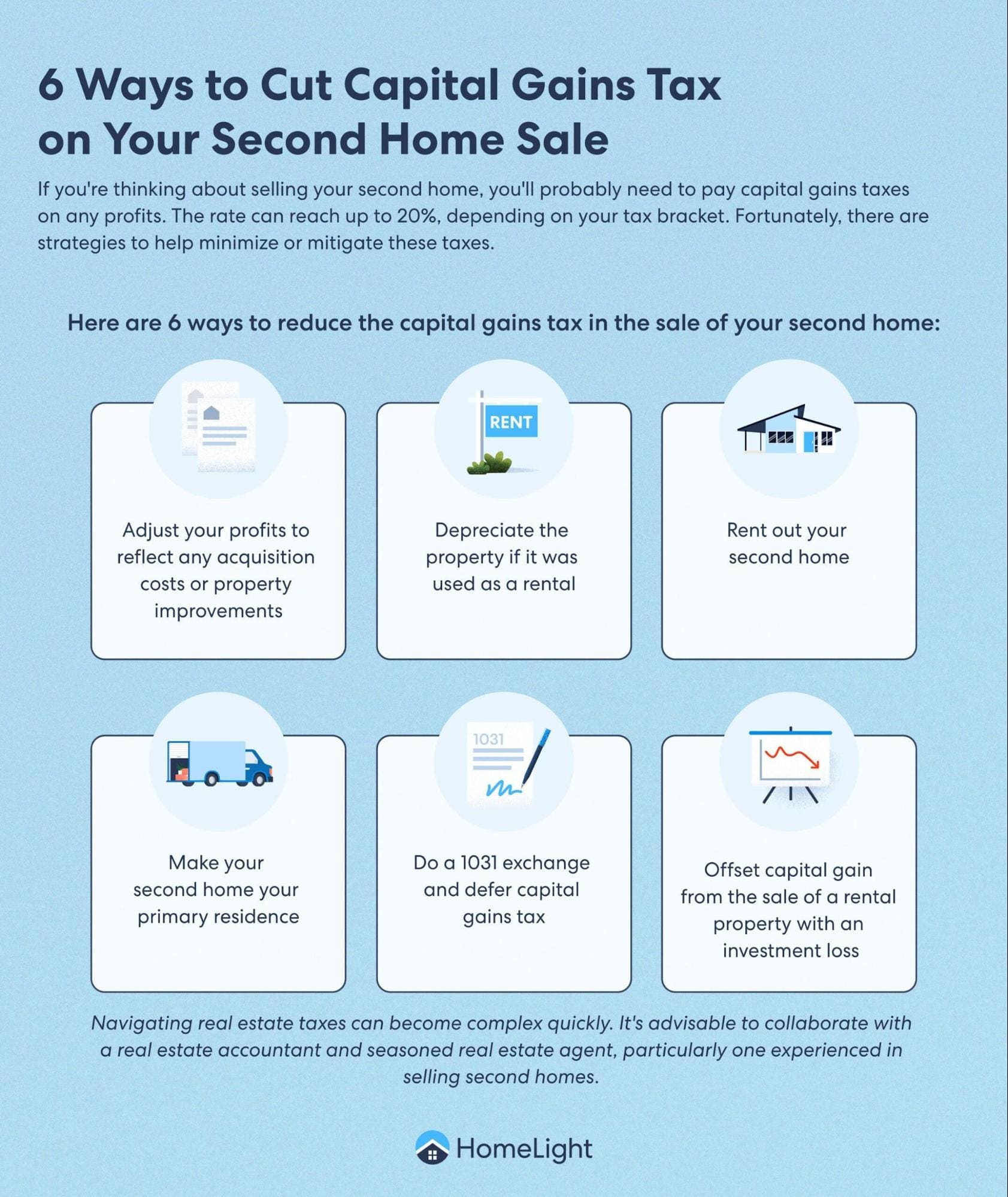
Improvements on rental properties follow different tax rules. These costs cannot be deducted all at once. Instead, they are added to the property’s basis and depreciated over time. This spreads out the tax benefit across many years. Repairs do not count as improvements and are usually deductible in the year spent. Keeping good records helps separate repairs from improvements. This distinction lowers taxable income and future capital gains tax.
Credit: www.homelight.com
Frequently Asked Questions
Can Home Improvements Be Deducted From Capital Gains?
Home improvements that add value or extend your home’s life increase your cost basis. Deduct these from capital gains to lower taxable profit. Keep detailed records and exclude routine repairs or maintenance, which are not deductible.
What Costs Can I Offset Against Capital Gains?
You can offset purchase costs, sale expenses like agent fees, legal fees, and advertising costs against capital gains. Capital improvements adding value also increase your cost basis, reducing taxable gains. Keep detailed records to support these deductions and lower your capital gains tax liability.
What Can Be Deducted From Capital Gains When Selling A House?
You can deduct selling expenses like real estate agent fees, legal costs, advertising fees, and certain closing costs. Also, add capital improvements that increase your home’s value to your cost basis. These deductions lower your taxable capital gains when selling a house.
What Are The Deductions Available For Capital Gains?
Deductions for capital gains include purchase and sale costs, such as legal fees, agent commissions, and advertising expenses. Capital improvements that add value also increase your cost basis, reducing taxable gains. Keep detailed records of these expenses to maximize deductions and lower your capital gains tax liability.
Conclusion
Home improvement costs can raise your home’s value and cost basis. Only major improvements, not repairs, add to your basis. Keep all receipts and permits for proof. This helps reduce capital gains tax when you sell. Remember, gains under the exclusion limit usually aren’t taxed.
Tracking your expenses carefully leads to better tax outcomes. Selling a home involves understanding these details well. Stay organized, and your tax filing becomes easier.