


Are you wondering if those recent home improvements can help you save on your taxes? It’s a question many homeowners ask, hoping that remodeling the kitchen or adding new flooring might translate into a tax break.
While most home upgrades don’t qualify for immediate deductions, there are exceptions that could reduce your tax bill or increase your home’s value in ways that benefit you later. You’ll discover which home improvements might be tax-deductible, how to make the most of available credits, and what smart steps you can take to turn your renovation costs into potential savings.
Keep reading to unlock the secrets that could put money back in your pocket this tax season.
Tax Deductions For Home Improvements
Tax deductions for home improvements can help reduce your tax bill. Not all home upgrades qualify for tax breaks. Understanding which projects count can save you money. This section explains key details about tax deductions and credits for home improvements.
Which Improvements Qualify
Only certain home improvements qualify for tax deductions. Projects that add value or prolong your home’s life often qualify. Examples include adding a new roof, installing central air, or building a new room. Cosmetic repairs like painting usually do not qualify. Keep receipts and records for any qualifying improvements.
Capital Improvements Vs Repairs
Capital improvements increase your home’s value and lifespan. These costs can be added to your home’s basis and reduce capital gains tax when selling. Repairs keep your home in good condition but don’t add value. Repairs are not tax deductible. Distinguishing between the two is important for taxes.
Energy Efficiency Credits
Energy-saving upgrades may qualify for tax credits. Installing solar panels, energy-efficient windows, or insulation can earn credits. These credits directly reduce your tax bill. Check current IRS guidelines for eligible products and credit amounts. Energy efficiency credits encourage greener home improvements.
Credit: www.keepertax.com
Home Office Renovations
Renovating a home office can be more than just improving your workspace. It might affect your taxes. Understanding which costs qualify for deductions helps you plan better. Let’s explore how home office renovations interact with tax rules.
Deductibility Rules
Home office renovation costs may be deductible if the space is used regularly and exclusively for work. The IRS requires that the office be the principal place of business. Repairs that keep the office functional may qualify as expenses. Major improvements might not be fully deductible in the year spent. Tracking expenses carefully ensures proper tax reporting.
Capital Improvement Classification
Some renovations increase your home’s value and are classified as capital improvements. These costs cannot be deducted immediately. Instead, they add to your home’s basis, lowering capital gains tax when you sell. Examples include built-in shelves or new walls. Understanding this classification helps you manage tax benefits over time.
Mortgage Interest And Home Improvements
Mortgage interest and home improvements often connect in tax discussions. Understanding their link helps homeowners plan better. Some home improvements, when financed through a mortgage, can impact your tax deductions. Knowing the rules around mortgage interest and home improvements can save money.
Interest Deduction Eligibility
Mortgage interest is usually deductible if the loan is secured by your home. This includes loans used to buy, build, or improve your main home or second home. The IRS allows interest deductions on loans up to $750,000 for mortgages taken after December 15, 2017. For older loans, the limit is $1 million. Interest on loans used specifically for home improvements may qualify, but only if the funds are secured by your home.
Financing Through Mortgage
When you finance home improvements by adding to your mortgage, the interest on that added amount might be deductible. This applies to home equity loans or refinancing if the money is used for substantial improvements. The home must secure the loan, and the improvements should increase the home’s value or extend its life. Personal loans or credit card debt for home repairs do not qualify for mortgage interest deduction.
Credit: sharedeconomycpa.com
Tax Benefits For Rental Properties
Rental property owners can enjoy tax benefits from home improvements. These benefits help reduce taxable income and improve property value. Understanding which expenses qualify is key for landlords.
Not all home improvements are deductible. Some costs must be capitalized and depreciated over time. Knowing the difference saves money and avoids tax mistakes.
Deducting Renovations As A Landlord
Landlords can deduct repair costs that keep the property in good condition. Repairs like fixing leaks, painting walls, or replacing broken appliances count as expenses.
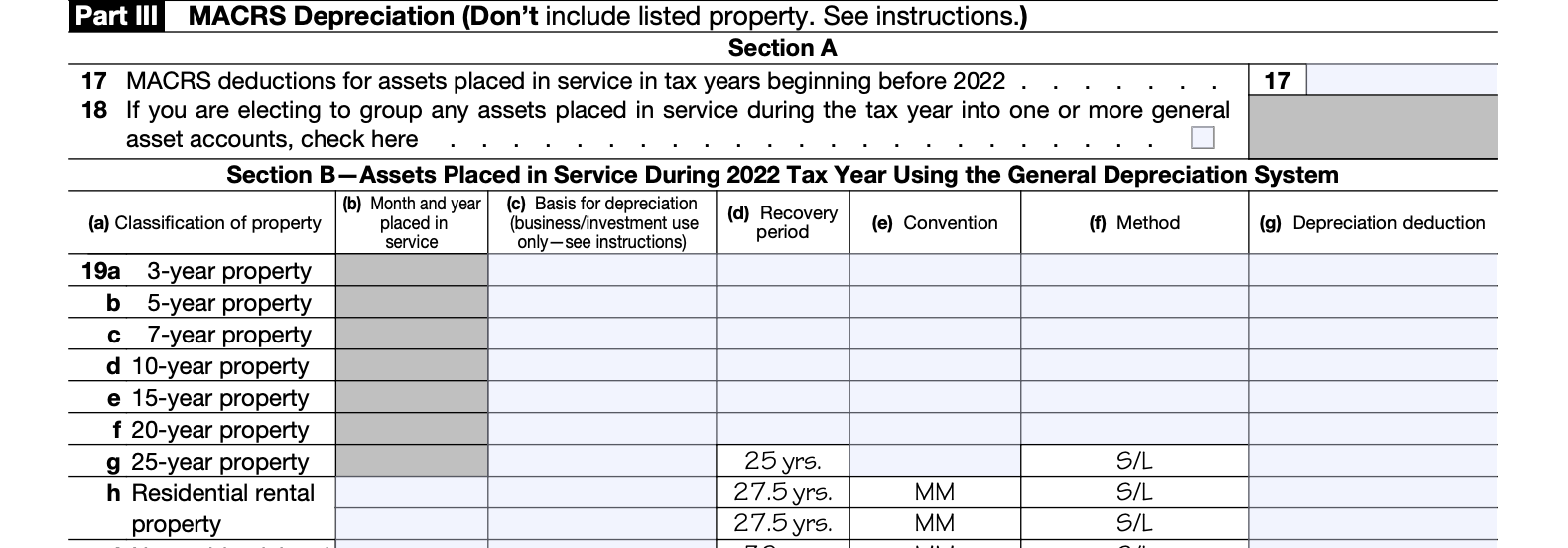
Improvement costs that increase property value must be added to the property’s basis. These cannot be deducted immediately but spread over years through depreciation.
Examples of deductible repairs include patching roofs and fixing plumbing. Upgrades like adding a new room or remodeling bathrooms are improvements, not repairs.
Depreciation Of Property Improvements
Property improvements are depreciated over a set period, usually 27.5 years for residential rental properties. This spreads the cost over many tax years.
Depreciation reduces taxable rental income each year. Landlords claim a portion of the improvement’s cost as a deduction annually.
Keep detailed records of all improvements and their costs. Accurate records help calculate depreciation correctly and support tax filings.
Record-keeping For Tax Purposes
Keeping good records is essential for using home improvements as tax write-offs. Accurate documentation helps prove your expenses. It also supports your claims during tax filing or audits. Without proper records, you may miss out on deductions or credits. Organized records make tax preparation faster and easier. Start tracking all related documents as soon as you begin improvements.
Documentation Tips
Save all receipts and invoices from contractors and suppliers. Include contracts that describe the work done. Keep bank statements and canceled checks for payments. Take photos before, during, and after the improvements. Label each document with the date and type of improvement. Store these papers in a safe, easy-to-find place. Digital copies can help prevent loss or damage.
Tracking Improvement Costs
Keep a detailed list of every cost related to the project. Record materials, labor, permits, and any fees paid. Include costs for tools or equipment rental if used. Separate repairs from improvements, as repairs usually aren’t deductible. Update your list regularly throughout the project. This record supports your cost basis and tax deductions later. Use spreadsheets or apps to organize your expenses clearly.
Impact On Capital Gains Tax
Home improvements affect more than just your living space. They can influence your capital gains tax when you sell your home. Understanding this impact helps you plan better and save money on taxes.
Capital gains tax is the tax on the profit made from selling property. Home improvements add value to your home, which changes the calculations for this tax.
Increasing Cost Basis
The cost basis is the original value of your home plus the cost of improvements. Each improvement adds to this basis, raising the total amount. A higher cost basis means a lower profit when you sell. This reduces the amount you owe in capital gains tax.
Keep good records of all home improvement expenses. Receipts and invoices help prove the added value to the IRS.
Reducing Taxable Gains On Sale
Taxable gains equal the sale price minus the cost basis and other allowable expenses. By increasing the cost basis, home improvements lower the taxable gains. This means you pay less tax on the sale profit.
Major renovations like kitchen remodeling or adding a new room often qualify to increase your cost basis. Routine repairs usually do not.
Non-deductible Home Expenses
Home improvements often bring comfort and increase your property’s value. Yet, not all expenses qualify as tax write-offs. Understanding which costs are non-deductible helps avoid mistakes on your tax return. Many common home expenses cannot reduce your tax bill. These costs usually focus on maintenance and daily living needs rather than lasting improvements.
Common Non-deductible Improvements
Most repairs and upgrades to your home do not count as tax deductions. Simple fixes like painting, fixing leaks, or replacing broken windows are not deductible. These expenses maintain your home but do not add significant value or extend its life. Cosmetic changes, such as new curtains or landscaping, also fall into this category. Only improvements that add long-term value or adapt your home for new uses may qualify. Otherwise, the IRS treats them as personal expenses.
Utility And Insurance Costs
Utility bills, including electricity, gas, and water, are part of regular home costs. These expenses support daily living and are not deductible. Insurance premiums for your home, such as fire or hazard insurance, also cannot be claimed. These costs protect your property but do not qualify as home improvement deductions. However, if you rent out your property, some of these expenses might be deductible as business costs. For personal residences, these remain non-deductible.

Credit: www.investopedia.com
Frequently Asked Questions
Can I Deduct Home Renovations On My Taxes?
Home renovations usually aren’t tax deductible. Some improvements qualify for credits or increase your home’s basis, reducing capital gains tax. Mortgage interest on home improvement loans may be deductible. Always keep detailed records and consult a tax professional for specific deductions.
What House Expenses Can Be Written Off?
You can write off mortgage interest, property taxes, insurance premiums, home office expenses, and certain energy-efficient improvements. Repairs usually aren’t deductible.
Can I Claim New Flooring On My Taxes?
New flooring usually isn’t tax-deductible for homeowners. Landlords may deduct it as a property improvement. It adds to your home’s cost basis, reducing capital gains tax when selling. Always keep receipts and consult a tax professional for specific situations.
Can Home Improvements Be Used As Tax Write-offs?
Most home improvements are not immediately tax-deductible. However, certain energy-efficient upgrades or medically necessary modifications may qualify for tax credits or deductions. Improvements that increase your home’s basis can reduce capital gains tax when selling.
Conclusion
Tax rules for home improvements can be tricky to understand. Most home upgrades do not qualify for immediate tax deductions. Some improvements may help reduce taxes by increasing your home’s value. Interest on home improvement loans might be deductible in certain cases.
Keeping good records of your expenses is important. Consult a tax professional to know which costs qualify. This helps you avoid surprises when filing taxes. Smart planning can save money in the long run. Home improvements often add value, even if not directly deductible.