

Most washer & dryer hiccups in U.S. Homes trace back to three spots: clogged lint, unbalanced loads, and kinked hoses. A quick coin trap peek or level check under the machine solves 70% of calls to LA repair crews.
Below, we take you through the same checks techs run first, the tools you already own, and when to call a pro before a minor bug becomes a $400 pump replacement.
First-Step Appliance Triage
Here’s the first step before you call a tech for your washing machine. Five minutes of checks can save a $129 service trip across L.A. Traffic.
Check the Power
First-step appliance triage – pull the washer plug, shove it back in until you feel the prongs seat. A half-plugged cord drops volts and fries boards. Then, pop open the breaker box. Those sneaky dryer motors have a tendency to trip a 20 A single-pole switch, found in nearly every SoCal laundry nook.
Turn it all the way off, then back on. Still black? Plug a phone charger into the same outlet. If there’s no glow, the GFCI upstream in the garage or patio bath is popped. Press the little reset button between the outlets. If the outlet itself is loose in the wall, kill the breaker and tighten the two mounting screws. Wobbling blades arc and melt.
Reset the Machine
Unplug both units for a minute to clear chip lock-ups. On newer LG and Samsung, hold Power and Start together as you re-plug. Lights will flash twice to indicate memory wipe.
Top-load Whirlpool washers must have the lid open for this step or remain stuck in flood-safe mode. DIAL DRYERS sit idle five additional minutes so the motor thermal switch cools. Rush it and it won’t start again.
Inspect the Connections
Move each one out from the wall a half foot. Hot-water hose – hand-tight plus a quarter turn, cold side same. Check for a missing rubber washer. If you see threads, swap it out with a ¾-in. Pack from any Home Depot in L.A. County, $2.98 for ten.
Peek down the drain hose. A sock or lint cap can be a cork. Squeeze its length. Soft spots indicate inner collapse even if it still drips. On gas dryers, sniff by the valve. Mercaptan stink means turn off immediately and call SoCal Gas (1-800-427-2200), no do-it-yourself.
Review the Settings
First, make sure that the washer knob is set on Normal, not Rinse-Hold. Kids bump dials as they climb atop units to access shelves above in cramped condos.
On dryers, check that the Temp switch isn’t stuck between Delicate and Air Fluff. Halfway clicks baffle sensors and keep clothes sopping after two runs. Front-loaders with touch panels: wipe the glass where buttons live. Dried soap film presses extra icons and locks the door mid-cycle.
Diagnosing Common Washer & Dryer Failures
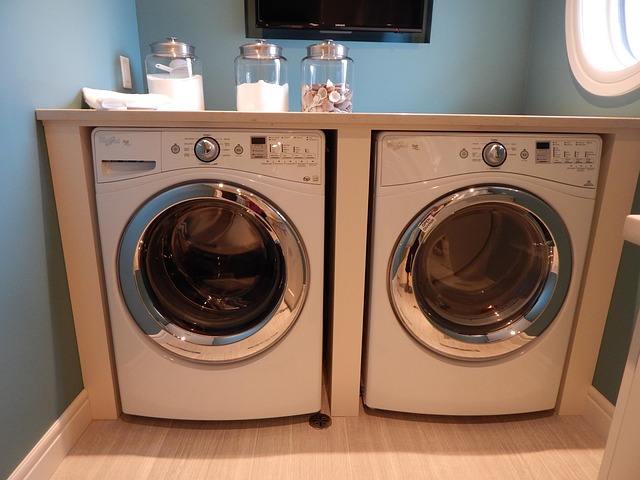
There’s nothing like a broken washing machine or dryer to completely throw off your entire week. These machines operate on straightforward components, and each component provides distinct signs when it malfunctions.
1. Power and Startup
No lights, no hum, no heat—start at the wall. Push the plug in hard, then open the house panel. A tripped 15-amp breaker is the number one repair throughout L.A. County condos—switch it all the way off, then back on.
Still dead? Reset the GFCI outlet so prevalent in garage laundry nooks. If the dial is loose, turn it beyond ‘Normal’ and back. Plastic cams inside can stick after steamy loads.
One Santa Monica renter replaced the breaker for $8 and avoided a $125 trip fee.
2. Water and Drainage
Water just sits in the tub, floats the clothes and the spin never initiates. Pull the machine out, drop the gray hose into a bucket. If it trickles, lint from cheap Costco towels is crammed into the pump trap.
Twist the coin trap door (front left on most Whirlpool and Maytag models), pour two cups into a pie tin, then snag the sodden sock chunk. Re-level the feet while you’re back there.
A ¼-inch tilt toward the drain speeds flow and keeps mildew smell down.
3. Cycle Interruptions
Washer fills, then quits in the middle of the wash. Lift the lid gently—if the drum light goes out, your lid switch is bad. Forty bucks at Home Depot, five screws, ten minutes.
Dryer shuts itself off after 5 minutes? Touch the exhaust hood outside. If it’s cold, the flex duct behind the unit is kinked by a pushed-back stance.
Pull it two inches forward, re-strapped the foil tube, and cycles complete without tripping the high-limit thermostat.
4. Unusual Noises
Thumps in spin = jeans clumped on one side = pause, spread them flat, restart. A steady squeak every turn is a worn drive belt. Get the specific model belt for $18, not a “universal.
Metallic scraping in a dryer means the front glide strip is gone. Leave it and the drum cuts into the bulkhead, converting a $25 part into a $300 weld job.
5. Performance Problems
Clothes still wet after full cycle? Hold the end of the drain hose. If it pulses, lint reduced flow by 50% so water can’t leave quickly enough for spin to kick in.
Dryer – too hot to touch? Remove the lint screen and peer beyond it. A sheet film wall covers the air and allows temps to get beyond safe limits.
Scrub with dish soap and a brush under hot tap. Temps fall ten degrees on next load.
Decoding Your Appliance’s Language
Washers and dryers converse in bleeps, blinks, and jolts; understanding these signals helps avoid costly repairs for your washing machine.
Error Codes
The ‘LE’ error on a LG top-loader indicates that the motor can’t spin. To resolve this, hit cancel on the wash cycle, pop open the lid, and fish out the sock that got stuck between the tub wall and the white plastic agitator. On a Samsung dryer, the “E3” code flashes when the drum sensor believes the load consists of one large blanket. Remove half the sheets and start the drying process again.
Whirlpool washing machines display “F5 E3” when the lid lock times out. To fix this, unplug the machine for two minutes, plug it back in, and slam the washer door closed until you hear the latch click. Remember that codes can vary by brand, so it’s a good idea to keep the manual in the same drawer as the detergent dispenser. If you’ve misplaced it, simply punch the model number into the manufacturer’s U.S. site and download the PDF for free.
When none of these quick moves clear the display, jot the code, serial number and purchase date before you phone tech support. Those three bits speed up warranty claims.
Flashing Lights
A solid red door-lock lamp is fine, indicating that the washing machine is functioning correctly. However, a quick blink that just won’t quit may signal a problem; on most Maytag front-loaders, three flashes mean the latch never clicked. Be sure to clean soap off the strike plate and try again to avoid common washer problems.
Eight fast blinks on a GE dryer indicate an overheat situation. To prevent dryer problems, pull the lint screen and remove the gray fuzz blanket. Step outside to ensure that the vent hose opens freely, allowing proper airflow.
If you notice lights flashing in a sequence that isn’t listed on the sticker behind the washer door, consider sending a 10-second phone video. This can help repair crews diagnose issues quickly, potentially saving you a trip charge.
Vibration Patterns
One loud thump at startup is wet jeans flapped to one side. Stop, spread them out, and start again. Thumping bumps that multiply as the drum whirls imply that a sneaker is pounding steel.
Cease, wrap the shoe in two towels, and accompany it with lightweight garments. Constant shake above 800 rpm points to feet. Slide the machine out until you can rock it corner to corner.
Any foot that twists by hand needs a quarter-turn clockwise until it touches the tile. Still dancin’? Grab a $20 bubble level at Home Depot. Shoot for center-bubble on both sides, not just one.
Odor Signals
Burning hair smell mid-cycle means lint near the heater box. STOP and vacuum inside back panel while the drum’s still warm. Dust mask, please, L.A. Air’s got enough soot already.
Sour eggs on a front-loader equals soap scum under the gray rubber boot. Wipe with ½ c. White vinegar on a rag, then run a rinse only cycle with no clothes.
Gas odor that lasts more than five seconds after dryer ignition is serious. Shut off the wall valve, open windows, and call SoCal Gas at 1-800-427-2200 before any repair shop.
User Error vs. Mechanical Failure
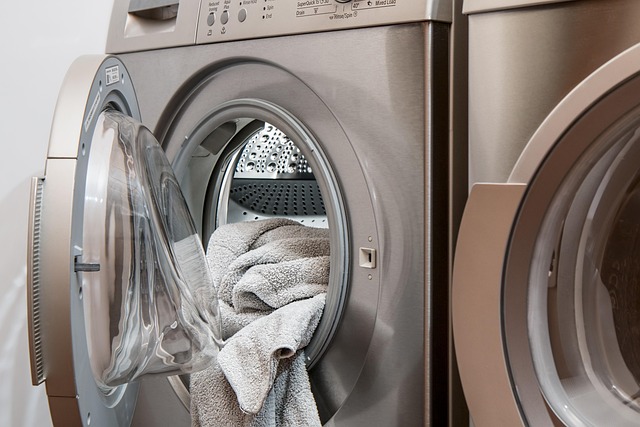
Most service calls in the U.S. can be traced to habits rather than broken parts. A washing machine that walks across the floor or a dryer that stops mid-wash cycle frequently indicates a disconnect between how the owner loads, cleans, or vents the machine and how it was designed to operate. Understanding the common problems and knowing where the line sits between mistake and defect saves the $125–$200 trip charge while keeping the unit living well beyond its 10-year warranty.
Overloading
Stalling the motor and snapping the drive belt by jamming 22 lbs of towels into a 15 lb basket. The drum can’t gain speed, so the control board generates an “LE” or “OL” code. Fabric rubs the door boot, resulting in tiny holes that subsequently appear as wear. If the load is divided in half, the washer completes both without error.
Check the sticker inside the lid: it lists lbs in cubic feet. A 4.5 cu ft washer accommodates roughly 18 dry lbs. Get too much over and your bearing will be the casualty!
Improper Detergent
HE machines – which have been sold in California since 2009 – require low-suds soap. Just a 1/4 cup of plain powder creates bonus foam that races up the air dome. The pressure switch reads the suds as water, so the unit never spins.
Soap scum eventually coats the outer tub and chews the seal. If the rinse cup is slimy, run a ‘Tub Clean’ cycle with two cups white vinegar and change to HE logo detergent.
Unbalanced Loads
One soaking comforter on one side of the drum and the entire basket bangs the cabinet. The tub bangs the switch, the board powers down with 7 minutes remaining, and owners figure the computer’s fried.
Shake it out, throw in a couple pillow cases opposite the comforter, and go for a spin. If it still thumps, pop the lid, let the load settle, then spin once more. Do this twice a year and you bypass the $180 shock absorber replacement.
Clogged Vents
Lint beyond the screen reduces air flow and allows the dryer to run in excess of 185 °F. The fuse blows, the condo smells hot, and people blame the coil.
Pull the vent off the back. If you can’t see daylight at the other end, shove a 12-foot vent brush through or call a $99 duct sweep. Clean after every 3–4 loads and the fuse lives 20 years.
The DIYer’s Safe Inspection Guide

A proper inspection guide can help DIYers identify potential issues with their washing machines before they become major problems. Simple, once-every-five-years maintenance like checking your appliances can save leaks from destroying homes. This daily routine will save you time and money while increasing the lifespan of your washing machine and dryer.
Warranty Considerations
Opening your washer or dryer might void the warranty. Most brands have a bit in there about not covering if non-authorized people open up the internal bits.
-
Consult your manual first. If the unit is under warranty, call the maker’s service line. They frequently address things you are willing to shell out for yourself.
Take a five-year-old LG front loader, for instance — that might still have a drum and motor coverage. Remember to record its serial number and date of purchase before you begin. Take a picture of the sticker in the door frame; it fades quick. Save receipts in a folder or cloud drive.
If you have to open the panel, rely solely on the steps in the owner’s guide. Pass on anything that requires a tool you can’t buy at Home Depot. That fine line protects your warranty claim.
Essential Tools
You need a short list of safe tools: a nut driver set, a multimeter, a flashlight, and a phone for pics. A ¼-inch nut driver will fit most screws on Kenmore and Whirlpool tops.
The multimeter checks for dead outlets or blown fuses and you should set it to 120 V AC first. A flashlight uncovers lint clogs beneath the drum. Take out your phone and shoot every wire before you yank it off. That picture is your road map home.
Leave out razor sharp picks and metal files because they cut hoses and scratch paint. A plastic putty knife pops clips mark-free.
Documenting Your Work
Take wide shots, then close-ups of each plug and screw. Lay parts out on towel in order. Include a post-it that says STEP 3 so you remember what goes back third.
Store pics in a cloud album labeled “washer 2024.” If a wire color disappears, circle it in markup mode. This log comes in handy if you pause mid-job and lose your place.
Testing Components
Start with the easy stuff: plug, breaker, and outlet. Dryers not starting usually have a tripped 30-amp breaker in the hall panel. Reset it once. If it trips again, stop and call a pro.
Then, pull out the lint screen and illuminate the slot with your light. A blocked duct causes the dryer to overheat and blow the thermal fuse. With the washer, pop open the back panel and look for wet spots on the floor.
A little drip by the pump generally signals a cracked hose—$5 at Lowe’s. How to DIY: Use your multimeter to test lid-switch continuity. No beep means no spin. If the ohms read open, replace the switch.
Document each test on paper. It demonstrates what you eliminated and keeps the subsequent fix brief.
When to Call a Professional
A dead control panel, drum that stays dry, or a spin cycle that roars like a cement mixer typically indicate the repair is beyond the laundry room. If the unit won’t power up, if no water enters the washer, or if your clothes come out in a tight little ball on one side trip after trip, your next step is to close the lid and call a tech.
Waiting almost never helps. A $120 belt you leave alone can become a $400 tub job once the bearing gets chewed up.
The Cost-Benefit Analysis
Pull the receipt and do quick math: a motor coupler swap on a five-year-old Whirlpool runs about $150 all-in, while swapping the whole machine starts at $650 plus haul-away. If the heat element blows after ten years of reliable use, throw in worn felt seals and a drum belt that’s good and ready to snap.
Package those parts up and you’re close to $300. Stack that against $800 for a new machine, then add the hidden cost of lost time schlepping to the laundromat and feeding coin slots at $4 per load. A month of weekly family washes erases the “savings” of postponing the repair.
Timely fixes keep kilowatt draw low. A dryer with a cracked sensor can run 20 minutes longer each cycle, tacking roughly $6 onto every monthly electric bill. Bottom line, you either ‘pay now or pay more later.’
Safety Concerns
A washer that fills but never agitates can conceal live 120-volt terminals under a splash of water—enough to shock anyone who reaches in to yank clothes loose. Dryers operate on 240 volts and reach 180 degrees inside.
A lint-caked vent positioned near a glowing element is why fire crews respond to 13,000 appliance fires every year across the country. Even leveling legs can bite. Tilting a stacked unit forward so you can reach the pump may drop the whole thing once the shipping bolts are out.
Techs bring shorting probes, thermal meters, and straps. This equipment costs more than most DIYers ever reuse.
Finding a Reliable Tech
LEAVE OUT the first name that comes up after you type in “washer repair near me.” Instead, pop open the California Bureau of Household Goods and Services license page, type in the company’s number, and confirm status says ‘active’ with bond proof on file.
Inquire if they bill on flat-rate books—$189 for an LG direct-drive stator, for example—or by the hour. Flat rate keeps surprises down. Text them the model sticker shot.
Good shops reply with parts cost plus labor within fifteen minutes and can slot you same-day if you approve before noon. See two recent Yelp reviews noting “came back no charge when noise returned.” Callbacks demonstrate pride more than any ad ever will.
Conclusion
You’ve done the diagnostics, decoded the flashes, and identified which creaks signal serious danger. A cold rinse, a level leg, or a cleared vent can frequently save a $150 trip. Still, stuck? Snap a quick phone pic of the model tag and text it to a local tech. Most LA shops offer a free ballpark estimate by noon and ship out same-day if you inquire before ten. Pop the manual in a kitchen drawer tonight so tomorrow’s sock soup does not wreck your mood. Hear a strange noise at the moment? Click on the orange “call” button at the top of the page. A rep answers 24/7 and schedules a time that suits your lunch break.
Frequently Asked Questions
Why is my Los Angeles washer stopping mid-cycle?
L.A.’s hard Valley water can gum up the inlet screens of your washing machine. Clear both hoses, reset the lid switch, and go again. If you’re still having problems with your new washing machine, it’s probably the control board.
My dryer takes two cycles in Santa Ana winds—fix?
A clogged outside vent, combined with dry Santa Ana air, can lead to poor drainage and airflow issues. Pull the lint from the outside hood, switch to a rigid metal duct, and your washing machine will be back to normal.
Can I run my washer on LADWP’s Time-of-Use plan?
Yes. Delay the start of your new washing machine after 8 p.m. on weekdays or any time on weekends to get the cheapest tier and maintain a cool motor during peak heat.
Is a shaking washer a DIY job in a 1950s L.A. bungalow?
Ensure the plywood floor isn’t warped to prevent issues like a leaking washing machine; tighten the lock nuts and level it with a bubble for a stable wash cycle.
When must I call a pro instead of YouTube?
If you notice water under the transmission or smell burnt wires, especially when using your washing machine, call for professional help due to potential fire and shock risks.