

An energy audit is a room-by-room inspection of how much power your LA home wastes and how to trim the bill. Certified techs scan ducts, test attic seals, and record hourly usage.
The 2023 LADWP rebate takes $250 off the price if you go before year-end. Below, we map out every step so you know what gets opened, what it costs and how quickly you get cash back.
What Is a Home Energy Audit?
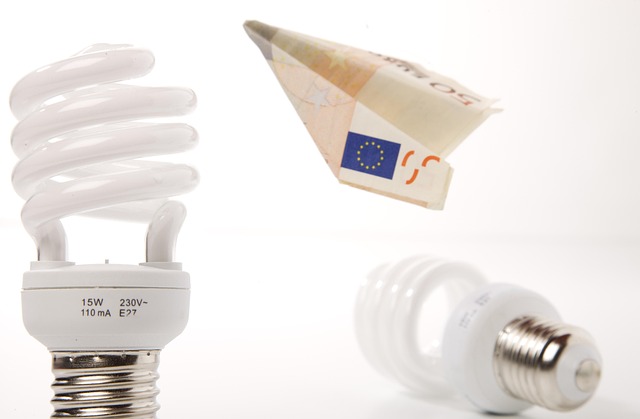
A home energy audit is a room-by-room inspection that highlights where your home wastes energy and charts how every room consumes it. Auditors come equipped with a blower door, an infrared camera, and a tape measure to locate air leaks, thin insulation, and drafty outlets you don’t even notice.
When they’re done, you receive a PDF report that summarizes each repair, its cost, and how many kWh you’ll save. Just a simple audit on a 1,200-square-foot Seattle bungalow can save $180 from an annual bill and keep 1,100 lb of CO₂ out of the atmosphere.
1. The Walkthrough
The auditor begins outside, scans the roofline for missing flashing, then heads inside, following the perimeter walls, attic hatch, and crawlspace. Every gap wider than a nickel gets noted: warped weather-strip on the back slider, single-pane aluminum windows in the den, a pull-down stair that sits loose in the drywall.
They click images, scribble R-values, and place blue painter’s tape on places that will register cold in the infrared sweep afterward. If a water heater exhaust pipe is too close to wood, they flag it so you can install a heat shield prior to sealing air leaks.
2. The Testing
They install a red fabric blower door in the front door, turn on the fan to pull 50 pascals, and see the digital readout spike. High readings indicate outside air blasting in through invisible gaps.
As the house is vacuumed, the infrared camera displays a real-time heat map on the screen. Purple patches behind the baseboard indicate no insulation, and yellow streaks over the ceiling mark warm air leaking into the attic.
The auditor snatches up a year of utility bills, inputs the kWh and therms into modeling software, and clocks the furnace burner to determine whether it hits its 80 percent nameplate or slides to 70 percent. These numbers all feed a baseline that compares your home to similar houses in Spokane or Boise.
3. The Report
Back at the desk, they plop the photos, fan data and fuel-use chart into a single file. A pie chart illustrates that 34 percent of last year’s energy bled through the envelope and 28 percent went to hot water.
Measures are ranked by payback: 45 dollars of door seal foam returns its cost in one season; a 9,800 dollar ducted heat pump needs eight years but qualifies for a 2,000 dollar Oregon rebate and up to 2,000 dollars federal credit.
There is a QR code leading to the local utility list that dispenses 75 dollar smart thermostats and 250 dollars for upgrading attic insulation to R-49.
4. The Plan
You circle the quick wins – attic top-off, tub sealing, swapping six BR30s for LEDs – and pencil them in for the next month. Next quarter, scratch a bid for the heat pump and offset the quote with Energy Trust cash and state tax credits.
Schedule a blower-door retest six weeks following air sealing to verify that the draft goal decreased from 2,800 to 1,600 CFM. Record monthly bills in an easy spreadsheet. If this January’s kWh drops below last year’s 1,240, you’ll know your strategy panned out.
Why Your PNW Home Needs One
Pacific Northwest winters accumulate 4,500 to 6,000 heating-degree days to the west of the Cascades, and the bill reflects it. The average Seattle row house consumes 740 therms from October to April; in Bend, that same square footage consumes 950. Rain and cloud lock the region into a five-month heat-loss cycle that not even flannel can remedy. A home energy audit is the fastest way to identify where those dollars leak and uncover potential energy savings.
Weather Extremes
Extended, soggy shoulder seasons send furnaces and heat pumps into overtime, leading to increased energy costs. NOAA data indicate Portland records 164 days with mean temps below 55 °F, and every additional week contributes about 38 kWh to a ducted heat pump load. When a mid-January arctic drop turns the thermometer from 42 °F to 18 °F in half a day, the coefficient of performance on older units can drop from 3.2 to 1.8. This catapults the house onto PSE’s tier-two demand rate of 14 ¢ per kWh, emphasizing the importance of conducting a home energy assessment for better efficiency.
A blower-door test run during last year’s snap discovered one Laurelhurst attic pulling 2,100 CFM₅₀. Sealing the top plate and chimney chase reduced the infiltration to 1,100 CFM₅₀ and shaved the subsequent bill by $83. Homeowners should do the air-seal work before Thanksgiving, as this can lead to significant energy savings and a more efficient heating season, shrinking it by approximately 9%.
Older Housing
Two-thirds of King County’s single-family stock was erected pre-1980, when R-7 wall batts sprinted past code. An auditor’s infrared gun quickly illuminates those chilly stripes adjacent to 2×4 studs. One 1924 Ballard bungalow displayed attic insulation at R-11.
After blowing in R-49 cellulose and exchanging a 65% AFUE octopus furnace for a 97% AFUE sealed-combustion unit, the owners discounted annual therms by 27%. Energy Trust of Oregon now tacks a $750 bonus onto its typical weatherization rebate if the home was constructed before 1978, bringing the window-to-attic incentive total over $3,200.
Couple the audit with an EPS score and that very same data set secures zero-interest loans for triple-pane inserts or a cold-climate heat pump.
Moisture Control
Wet insulation is a silent robber that can significantly impact home energy efficiency. During a recent Camas home energy audit, a thermographic scan revealed ceiling drywall at 58 °F where rain had saturated the R-30 fiberglass to 30% moisture content. As a result, the effective R-value dropped to R-9, causing the heat pump to operate 42 minutes longer every morning, increasing energy costs.
A $45 moisture meter slid under the vapor barrier verified this issue. The blower-door test and infrared analysis identified the roof-wall joint that allowed Pacific mist to waft in. After sealing that joint and installing a balanced ERV, daily runtime dropped by 55 minutes, saving 2.4 kWh and preventing the $4,000 mold bloom that would have been its replacement cost.
Unchecked wet cavities can increase RH above 65%, pushing both energy use and respiratory threats, highlighting the importance of professional energy assessments.
Finding Your Free Energy Audit

Free energy audits can save homeowners between $100 to $1,650 on a home energy assessment, but slots tend to fill up by late spring. Book soon and gather 2 years of energy bills before calling!
Utility Providers
Portland General Electric, Pacific Power and Clark Public Utilities continue to list free audits on their secure portals. Choose a date, seal it with two clicks, and you’ll get a tech who arrives equipped with a blower door and an IR camera.
Following the walk-through, most provide a kit—LEDs, foam gaskets, perhaps a smart strip—so you start saving that day. The entire visit is two hours. The tech toggles every switch, opens the attic hatch, and shoves a door fan into the front entryway.
As the house sucks in air, the IR gun sprays where insulation sags. You follow, jab a finger at a chilly wall, and listen to why a 20-dollar roll of batting beats a 2,000-dollar furnace tweak.
State Programs
Oregon’s free audits sit inside these state channels:
- Energy Trust of Oregon “Home Energy Review” if you’re a PGE or Pacific Power customer.
- Oregon Housing and Community Services’ Weatherization Assistance for income-qualifying households.
- Oregon Department of Energy “Residential Energy Assessment” pilot in rural counties.
Each path concludes with a .gov form. Complete it, submit the last 12 to 24 months of bills, and select income level. The state rulebook mandates a comprehensive report that includes blower-door score, CO reading, and prioritized job list.
Get your PDFs prepped. A missing December bill can bounce the app to the back of the line and winter slots close quickly once snow hits the passes.
Local Non-Profits
Community Action of Washington County and the Portland Green Building Council organize weekend audit blitzes with volunteer crews. They inspect ducts and throw in low-flow heads and toilet banks while they’re at it.
Inquire with the crew chief regarding stack rebates. Many have flyers for heat-pump cash-back or solar group-buy levels that reduce another grand from the work. Auditors here are either BPI techs or retired trades folk who like to chatter.
Lead them through the strange upstairs draft, the buzzing kitchen light, and the gas smell from last March. They record every observation, take photographs, and provide you with a color-coded report before they go.
Slots fill on a first-come basis, so RSVP on Monday when the calendar opens.
Prepare for the Audit
Print out a one-page energy audit checklist and tape it to the fridge. Such a nice clean list helps keep the prep from sliding from your mind after work. Check off each item as you complete it for the professional energy auditor at the door.
Gather Bills
Pile the past year’s worth of gas and electric bills on the kitchen table. Circle the July and January spikes; they indicate when the air handler or old pool pump ran too long. Tack a sticky note with your annual kWh and therms totals. Those two numbers define the savings baseline the report will utilize.
If you switched providers mid-year, print the online PDFs. Gaps make the usage chart look like missing teeth.
List Concerns
Pace through the house with a legal pad on a blustery night. Write down “north-wall outlet cold” or “second-floor room 5 °F off” as you encounter them. Sort each line from 1 to 3 by how much it bugs you. This directs the auditor which rooms get the blower-door hose first.
Inquire if your 200-amp panel is capable of receiving a 240 V feed for future solar and jot that down on the bottom so it doesn’t get missed.
Shut all the windows, outside doors, and flue dampers while you put the list together. Light an incense stick and observe the smoke bow near baseboards. Mark those. Don’t burn wood 48 hours before the audit because smoke hides air leaks.
Provide Access
Before the home energy assessment, open the attic pull-down, basement bulkhead, and outside electric panel the night before. Clear Christmas tubs from the furnace so the manometer tube can lay flat. Changing the one-inch HVAC filter is crucial, as a grimy one can knock five percent off energy efficiency figures and distort rebate calculations.
To ensure a smooth energy audit process, secure dogs in the spare room since their tails can set off motion sensors during the blower-door test. Also, stick a neon note on the freezer that stores insulin to help auditors avoid tripping breakers quickly.
If you’re done with fires for the season, slide an inflatable chimney balloon up the flue, which can significantly reduce energy loss. It’s essential to have an adult home who knows which joist conceals wiring, as groping around can slow down the audit.
Beyond the Basics: A PNW Perspective

A PNW energy audit is more than a draft hunt. It’s the map that connects earthquake risk, wildfire smoke, and moldy air to a single pocketbook. ASHRAE Level 2 or 3 reports here frequently incorporate seismic and wildfire work into the payback calculations, so owners can layer utility rebates with FEMA grants.
The auditor’s tablet becomes the single source that shows where a joist needs steel, a vent needs mesh, and a furnace needs a fire-rated closet. It then tallies the kWh saved when all three tasks are done simultaneously.
Seismic Safety
Strapping the water heater and R-49 batts in the same bay keeps the tank from snapping lines while cutting standby loss by 9%. Auditors conduct a blower door before retrofit, identify and mark the gaps along mud-sills and chimney chases, then schedule a subsequent test after the crew has bolted the sill plate.
If cfm50 spikes, they know the new anchor washers missed foam backer. Beyond the basics, a PNW perspective: Pair Puget Sound Energy’s $550 seismic rebate with insulation rebates and you knock about $1,800 off the $4,200 job, and the follow-up report still applies to ASHRAE Level 2 monitoring requirements.
Wildfire Resilience
Ember-resistant vents, rated 1/8″ mesh, drop attic air changes from 6 ACH to 2 ACH on windy ridges outside Medford. Soffit cracks are fire-rated caulked. Crawl-space vents are mineral-wool plug-breathed but soot-blocked.
Fire-safe rock-wool batts add R-15 to a 2×4 wall for the same cost as cellulose once Oregon’s $1.25-per-sq-ft wildfire rebate is filed. State code now lets you omit crawl-space vents if you install a balanced HRV. One cut in the rim joist addresses both energy and life safety.
Indoor Air Quality
Old atmospherically-vented furnaces in Spokane suck five Pascals back-draft when a kitchen fan is run. The audit spots it with a digital manometer initially, then recommends a pair of sealed-combustion 96 percent AFUE units that both reduce CO risk and conserve 210 therms annually.
Couple that exchange with an HRV at 60 cfm and you’re bringing in fresh air without the sixteen dollars per month heat loss. The final report graphs particulate spikes against wind patterns so owners can decide if they need MERV-13 filters on the supply trunk.
Maximize Your Savings
An audit is only half the game. The other half is stacking every dollar on the table. Combine the 30 percent federal heat pump or solar credit with Idaho’s 3 percent insulation loan and a $500 smart-stat rebate from Avista. That same job can go from $12,000 to less than $7,000.
Air sealing and LED swaps pay back in one to two seasons, so do those first. Lock the savings by logging each monthly bill in the free energy-manager dashboard. If use creeps up, you’ll spot it before the money trickles out. With the big gear installed, schedule a follow-up blower-door test to refresh the home’s energy profile and maintain the rebate applications.
Federal Credits
Grab 30% of the bill for heat pumps, solar, and biomass stoves directly on Form 5695—no income limit, no lottery. Save the complete audit report. The IRS needs the auditor number, signature, and pre/post usage graphs affixed to receipts.
Heat-pump uploads have to display at least 15 SEER and 8.8 HSPF, values the audit already provides, so you avoid the guesswork. File early. Credits are non-refundable but roll forward, and you can pair them with the $150 audit credit itself, trimming the audit cost to about $105 on most $350 jobs.
State Rebates
|
Program |
Rebate cap |
Eligible gear |
Deadline |
|---|---|---|---|
|
Idaho Efficient Homes |
$2 k |
Attic & wall insulation |
6 mos post-work |
|
Idaho Heat-Pump Loan |
$10 k @ 3 % |
AHRI-rated cold-climate pumps |
Pre-apply before install |
|
Washington Swap & Save |
$500 |
ducted mini-split |
60 days |
File the energy audit report, final invoice, and paid receipt in a single PDF to avoid delays in home energy assessments.
Utility Incentives
Grab $75 instant off a Nest or Ecobee at the co-op counter—no form, just scan your phone. Heat-pump water heaters receive a $400 boost from Energy Trust and an additional $200 if you bundle duct seal and smart stat in the same week.
Online funds reservations first, cash held for 45 days while you select your builder. Once installed, you call for the utility inspection. Techs snap a shot of the new nameplate and cut the rebate check on the spot.
Conclusion
You scheduled the free audit. You caulked the attic and switched out the bulbs. The bill drops, the house is tranquil, and the PNW rain remains right where it belongs – outside. Stack those rebates, keep the vents clear, and check the filter every season. Little steps add up quick. Need more cash back? Call your utility today and request your next round of no-cost upgrades.
Frequently Asked Questions
How long does a free energy audit take in Seattle?
Most Puget Sound home energy audits finish in 90 to 120 minutes, while larger residences with crawl spaces can extend to 2.5 hours.
Will the auditor open my walls?
Crews employ infrared cameras and blower doors during home energy assessments and visual inspections.
Can I get a rebate on the upgrades?
Yes. Seattle City Light and PSE provide immediate rebates of up to $2,000 for energy efficiency improvements like insulation, heat pumps, and smart thermostats.
Do I have to be home during the audit?
Yes. They require that someone 18 or older is present to let the crew in, answer a few questions, and sign the safety sheet for the home energy assessment.
How soon will I see lower power bills?
Most homes can achieve significant energy savings, reducing energy use by 10 to 20 percent the very next month after a professional home energy assessment and sealing work are complete.