

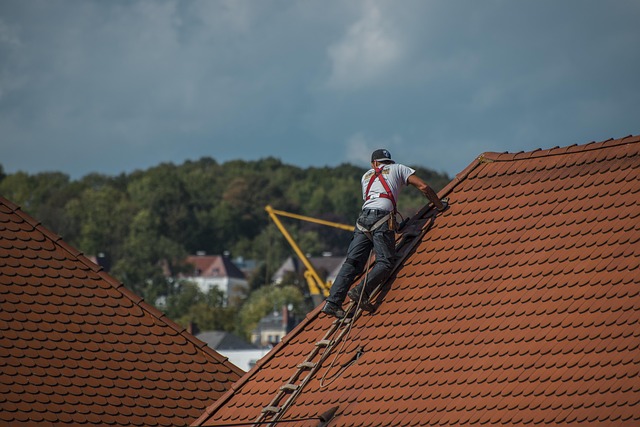
Roof repair patches leaks, replaces damaged shingles and seals flashing so your LA home stays dry when those Pacific storms come.
Crews match Spanish tile or flat membrane to city codes, add heat-proof underlay, and complete in one day for most jobs. Rates $350–$1,200, depending on slope and ply count.
Here, we count down reliable local crews, permit advice, and quick inspections you can do before they show up.
Deciding Between Repair and Replacement
A roof that drips once can trick you into a couple quick patches, and a third, until the costs for roof repairs outpace a new roof installation. Factor in age, size of the damage, cash in hand, and how long you’re going to be before you call for a roof inspection.
1. Age Factor
Almost all asphalt shingle roofs hit the wall around year twenty. So if yours has hit that mark and tabs are curling, forget the bucket of sealant and start budgeting for full tear-off. Metal and tile can sail right by forty, so a lone rust spot or broken barrel is a $400 spot fix, not a $12k renovation.
Pull the permit copy / home-sale packet to check out the install date. Deduct from rated life to determine how many sunny seasons you actually have remaining. Two coats already up there? Codes in L.A. County make you strip both, so a ‘small leak’ job becomes a deck-up project whether you like it or not.
2. Damage Extent
Stand across the street with cheap binoculars and tally what you see:
- Shingles lifted or missing after Santa Ana winds
- Dark bruises from last spring’s hail
- Sag along the ridge line
- Gutter full of colored granules
- Flashing peeled back at chimney
- Water stain on attic plywood bigger than a dinner plate.
If any more than 30% of the slope exhibits any combination of those indicators, replacement saves money over time. One wet patch on a 10 × 10 ft broadly equates to a $500 or so repair and another ten years of life.
3. Cost Analysis
When considering roof repair jobs, it’s essential to understand the costs involved. For instance, a minor shingle swap can range from $350 to $750, while a major valley rebuild may cost between $1,500 and $3,500. If you’re looking at a new roof installation for a 2,000 sq ft house, expect expenses between $8,000 and $15,000, which includes haul-off. Don’t forget to factor in additional costs like rotten fascia and gutter pulls to ensure accurate estimates for your roofing project.
To ease the financial burden, zero-interest financing options can help distribute the larger impact over 12 to 18 months without finance charges. When obtaining quotes, be sure to ask for three estimates and consider discarding the lowest 20% to avoid contractors who cut corners on quality roofing materials. This way, you can ensure a reliable roofing investment that stands the test of time.
4. Future Plans
As we talked about above, if you’re selling within five years, select a color-through shingle in greige, clear an inspection and bank an additional 3% on resale. Living forever? Upgrade to painted metal drops attic temps 15 °F and postpones the next repair cycle.
If a second-story addition sits on the five year sketch, design the roof now so new ridges tie in without a lumpy retrofit.
5. Material Type
Asphalt is plug-and-play—slide in a new tab, nail, seal. Metal requires butyl tape under seams. Tile requires a copper strip and one coordinating piece from the original kiln. Slate and shake require a craftsperson who still knows how to hand-split.
Hire the wrong crew and they crack half the field. A new layer of high-heat underlayment beneath any patch can buy five cool summers until the next decision day.
Pinpointing Your Roof Problem
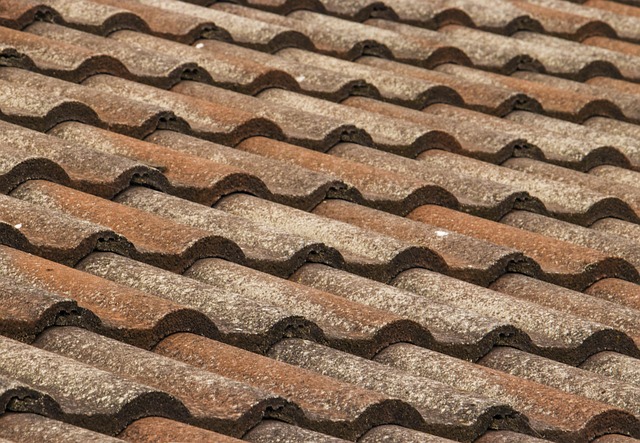
Roof leaks can be sneaky! Begin your roof inspection in the attic: turn the lights off at noon. If you spot sky beams or dark drip lines on the rafters, mark the spot with tape. Capture a phone pic, then head outside and scan the yard with binoculars. Keep Flash On— roofing professionals quote quicker when they see precise shingle gaps rather than guessing.
Visual Inspection
Round the house a snoozes hunting for curled shingles the way a toddler hunts for potato chips post-Santa Ana wind day–one cracked tab and rain runs right to the decking. Focus on the chimney flashing– if the metal loosens just a fingernail’s width, water soars upon it into the living room.
Black grit in your gutters? That’s the granule coat caving — once the asphalt peeks through, you’ve got two, maybe three seasons left before total replacement. Flat roof areas over your garage should drain within hours. If that puddle sat there overnight, the taper sank or the membrane bubbled.
Spray all those weird spots, even the little ones. Just one popped nail on a metal ridge vent can rust a ring the size of a quarter and drip onto the ceiling fan below.
Common Culprits
- Cracked vent boots on plumbing stacks
- Missing drip edge along eaves
- Loose step flashing where roof meets second-story wall
- Algae streaks hiding moisture under dark stripes
- Ice dams after rare LA cold snaps—yes, they happen in Shadow Hills
- Moss clumps retaining water like a sponge on north slopes
- Hail bruises from March storms that knock granules loose
- Popped screws on metal panels above solar array
Mark storm dates on the map; hail and 50 mph gusts that struck Pasadena last year caused roof damage, ripping three-tab shingles the morning after.
Advanced Diagnostics
A few leaks play it cool. I hired a local crew with an infrared camera–they scan at dusk after a hot day and literally show you purple blobs wherever there’s wet insulation that cools slower.
On a flat modified-bitumen roof, ask for a core cut: a 2-inch plug pulled up reveals if water sits between layers; if the sample drips, deck rot is already ticking. Steep Tudor pitches above 8/12? Drone flights fire 4K of each valley – no one attempts a 40-foot ladder on Brentwood hillsides.
Complete with a moisture meter jabbed through the attic drywall – readings above 20% indicate active leaks, not old stains.
The American Roof Repair Landscape
Roof repair in the U.S. involves a complex mix of climates, codes, and costs. Sun, snow, salt, and wind all contribute to roof damage, making it crucial to understand local roofing materials and conditions. Knowing your zone can prevent a small leak from escalating into costly repairs.
Sun Belt Solutions
Arizona, Nevada, Texas and the Gulf states roast under 110 °F summer roofs and 300 days of sunshine per year. Shingles granules fall off, tile glaze crazes and attic temps reach 160 °F unattended.
Cool-roof asphalt shingles rated by the Cool Roof Rating Council reflect 25 % of solar heat, reducing cooling bills 7–15 % and extending roof lifespan by five years. On flat retail strips, a 20-mil white elastomeric coat blocks UV and halts the 90 °F swing that fractures modified-bitumen seams.
White standing-seam metal sheds heat pronto. A galvalume panel in Mobile stays 50 ° cooler than a black shingle at noon, so attic moisture drops and plywood doesn’t warp. Schedule a soft-wash every 18 months. Gulf algae consumes limestone filler and blackens roofs, nullifying maker warranties. A $250 rinse beats a $9,000 re-roof every time!
Snow Belt Strategies
Minnesota, upstate NY and the Rockies send roofs through freeze thaw ping-pong. Ice dams grow two inches overnight when attic heat makes snow melt. Water backs up, soaks sheathing and drips into kitchens.
Code mandates a 36-inch ice-and-water shield at eaves and valleys. Peel-and-stick membrane $1.10/sq ft but saves $3,000 in drywall repair after one bad March. A 6/12 pitch minimum allows snow to slide before it freezes into a 60-lb-per-sq-ft block.
Six-ring-shank-nails-a-piece shingles defied 70mph lake-effect gales. Miss one nail and you can lose a whole ridge in a blizzard. Spring inspections catch tiny flaws: lifted step flashing, cracked rubber boots, and nail pops that let the next freeze split rafters.
Spot-fix, $250–$600; hold until July and rot turns it into a $4,000 sheathing swap.
Coastal Considerations
Salt air from Cape Cod to Corpus Christi corrodes steel 5x faster than inland air. Galvanized nails can bleed rust streaks in less than three years. Copper or stainless hardware adds $150 per roof but lasts decades.
Aluminum panels or zinc-coated steel with a salt-spray ASTM rating prevent edge rust that typically begins around vent stacks. Miami-Dade requires impact-rated shingles that withstand a 2″ steel ball fired at 130 mph. Picking those tiles increases material cost 12% but decreases insurance premiums 20%.
Quarterly fresh-water rinses wash off chloride crystals. A garden sprayer on a low-pressure tip takes an hour and keeps paint from chalking.
Region | Typical Repair Cost per Sq Ft | Main Driver |
|---|---|---|
Southwest Sun Belt | $3.50–$5.00 | UV granule loss |
Great Lakes Snow Belt | $4–$6.25 | Ice-dam water back-up |
Atlantic & Gulf Coasts | $5.00–$7.50 | Corrosion + wind codes |
Navigating the Repair Process

Call three roofers, not ten. One week later an inspector walks the attic and roof, snaps phone pics, and hands you a one-page list: six cracked tiles, one soft sheet of plywood, ridge cap gaps. You authorize the middle quote, sign a two-page contract, and choose a dry week.
Crew arrives Monday 7 a.m., dumpsters arrive at dawn, job’s done by Wednesday lunch. You and foreman go up for a ten-minute peek, magnets sweep the driveway, check’s in the mail Friday.
Finding a Pro
Go to the CSLB site before you go to Yelp, enter the six-digit license—if the name doesn’t match the card, hang up. Get cert mail proof of $1 M liability and workers’ comp, then call the carrier to confirm that the policy covers the duration of your project.
Navigate the repair route: skim Google, BBB, Angi for <6 month posts, skip 5 star fluff, zoom in on how quick they were to get back for a leak on a holiday weekend. Last step: get three addresses within a ten-mile radius, drive past at noon, and eyeball shingle lines; if they curve like fish bones, keep driving.
Understanding the Quote
A tidy quotation reads “Owenswood Period Cool Gray, 240 lbs per square, synthetic base,” 26-gauge painted steel flash. Labor sits on its own line: $320 per square for asphalt here in L.A., $720 for clay tile.
Include a plywood contingency–$75 a sheet in 2024–so you don’t get stalled if they rip out three defective boards. Paperwork concludes with a five-year workmanship promise along with the manufacturer’s limited lifetime—request the PDF prior to signing, so you can peruse the fine print in tranquility.
During the Work
Arrive on site at 6:30; deliver coffee to the foreman and the signed scope. Snap pics of every layer: old shake off, bare sheathing, new felt on—time stamps save arguments later.
Keep the kids and pup inside, a 6/12 pitch throws nails like confetti. String an orange cord from garage outlet – unlocked downstairs bath – crew works faster with battery packs steaming inside.
Final Walkthrough
Climb the ladder or zoom your phone: ridge shingles should line up like train tracks, step flashing must kiss the wall tight, and no nail heads should wink in the sun.
Gutters must drain to the downspout and the yard should pass a magnet drag—if iron clinks, hold that final 50%. Score the lien waiver and shingle serial sheet – punch them both into the maker’s site before 30 days expire or your LTO dies.
Beyond the Shingles
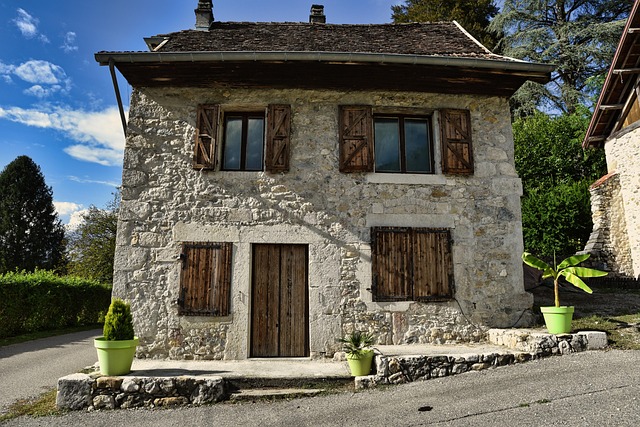
Your roof is a system, not simply a cap. Water gets in where parts meet: flashing, vents, wood edges, and gutters. Ignoring these areas can turn a simple roof repair into costly repairs, sometimes transforming a $15 fix into a $2,000 tear-off. Conduct a roof inspection every spring and fall.
Flashing and Vents
Scrape a putty knife along your chimney flashing – if the ancient caulk flakes off, water already has a route in. Scrape and recaulk with polyurethane sealant every five years. On walls, replace face-mounted flashing with step flashing and counter-flashing—two thin metal sheets that allow the shingles to expand without gaps.
Install a ridge vent if your attic reaches 120 °F on a 90 °F day in L.A. Combined with soffit vents, they’ll suck ocean air through and reduce cooling expenses by 15%. Tighten storm-collar set screws on metal roofs–one loose collar can peel back a whole panel in a Santa Ana wind.
A crumbling rubber boot on a plumbing vent is $15 at Home Depot and ten minutes to replace—ignore it and attic moisture spots the drywall ceiling underneath.
Fascia and Soffit
Check the fascia with a screwdriver. Soft wood means that the drip edge drips behind the gutter and onto the rafter tails. Wrap the board with painted aluminum coil–$3 a foot–and you avoid repainting it every four years.
Make sure blown-in insulation hasn’t clogged soffit vents; slide in plastic baffles to maintain a 1-inch air gap. Bees dig peeling stump on the soffit bottom–a fast cover of exterior primer terminates the condo deal.
Gutters and Drainage
Jacaranda and palm leaves plug gutters bi-annually. Scoop, flush, then level-check the slope—1/4 inch per 10 feet toward the downspout. Here’s why–standing water seeps back under shingles and saturates and rots the first plywood sheet at the eave.
If your roof is three stories up–add gutter guards–you’ll still have to hose down the fine grit, but the big stuff stays out. Extend your downspouts 5 ft from your foundation—L.A.’s clay soil is like concrete and a short splash block allows water to pool and crack stucco.
Your slate roof may last a hundred years, but when your gutters fail, your fascia and rafters rot.
The Unseen Forces on Your Roof
Wind, codes, and fine print guide every roofing decision well before you select roofing materials or a color. Ignore them, and you may face costly repairs: once for the fix, again for the do-over.
Building Codes
Most LA County decks permit two shingle layers. A third indicates full tear-off. On the Snow Belt you want 24 in. Of ice-barrier beyond the warm wall. Here we measure 18 in. For the occasional frost. Coastal zones tag us 110-mph.
Santa Ana winds still require six nails per shingle, not four. Get the last card signed before the crew departs. Get those unpaid violations bounce directly back to you.
Insurance Claims
Photograph in bright daylight each curled tab post-storm, tarp that night or the adjuster can refuse water entry. Join them on the ladder and show them secret lifts along ridges–wind damage lurks under edges.
If the bid’s $1,200 and your deductible’s $1,000, paying cash keeps a claim off your record and next-year hikes at bay. Choose a roofer on your insurer’s list—they already conform to Xactimate pricing so checks come faster.
Material Warranties
Mail the shingle card within thirty days or life time drops to 10. Save a bundle wrapper with the run number – no bar code, no free bundle when granules don’t present. Labor dies after year five—only shingles ride free later, so bank $75 per square for nail pops then.
Selling? Record a one-page transfer, buyers enjoy a roof that’s still over and will pay a premium for that peace.
Squirrels gnaw drip-edge corners until water slashes down the fascia. Birds plug attic vents with twigs and suffocate airflow, roasting shingles from within. A pro discovers claw marks you’d never see from the lawn.
Conclusion
Stop the leak today, avoid tear-off tomorrow. A quick patch is WAY cheaper than new plywood and drywall. Take pictures, call 3 locals, see if they’re licensed on the state site, choose crew that arrives on time. Pay by card so you score points and paper trail. Which is why you say, Add attic vents next fall and your shingles last an extra five years. Ready? Go get your phone, text ”roof check” to your nearest 4-star guy, and schedule it before the next LA drizzle turns your ceiling into a soaked chamois.
Frequently Asked Questions
How do I know if my Los Angeles roof needs a quick patch or a full swap?
If the plywood beneath your shingles remains solid and you have less than one square of cracked or missing asphalt, quality roofing repairs are sufficient. However, excessive sagging indicates the need for a full roof replacement.
What does a typical roof repair cost around L.A.?
L.A. County homeowners typically wind up shelling out $350 – $750 for quality roofing repairs, with price increases if you have Spanish tile or require deck plywood replacement.
Will my California homeowner policy cover wind-driven leaks?
Most standard policies will pay for sudden storm damage, including roofing issues, after your deductible. However, wear-and-tear or quake cracks are not covered, so review the “perils” list in your handout.
How long does a repair take in SoCal weather?
A licensed roofing crew can efficiently seal a couple of missing shingles or patch a torch-down cap in two to four hours, ensuring quality roofing repairs during the dry May to October window to avoid delays.
Do I need a city permit for minor roof work inside L.A. city limits?
For roofing projects involving patch jobs under 100 sq ft, you can skip the building permit; however, hiring a licensed contractor is essential, along with obtaining proper disposal tickets for old roofing materials. Full roof installation requires pulling permits, as city inspectors will flag an open permit during sale time.
What hidden issue shows up most on older California roofs?
We pull the attic ladder first since bad 1970s ventilation bakes the bottom of the plywood. When rafters reach 140 °F on a Valley summer day, roof materials can degrade, leading to costly repairs as nails back out and shingles bake from beneath well before their ’25-year’ label.