

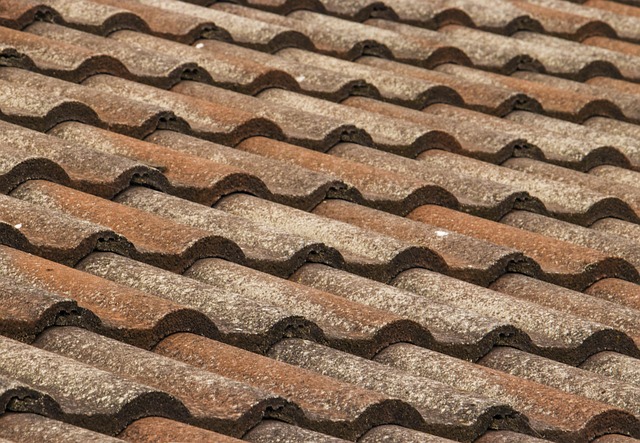
Leaky roof allows water to drip in when shingles crack, flashing lifts or gutters clog. In L.A.’s dry-to-downpour rhythm, a 0.5-inch rainstorm can unload 300 gallons on a 2,000 sq ft roof.
Drywall stains, soggy attic fill and $4–$12 per sq ft deck rot fixes come soon after. Below, we outline quick patch steps, expert advice call triggers, and expense notes for SoCal homeowners.
Spotting a Leaky Roof
Water rings, soft drywall, and a faint attic whiff of wet paper all whisper of a roof leak long before water pummels the living-room floor. Conducting a good roof inspection early can help you follow every lead and avoid $360-$1,550 in repair bills or the $5,800-$13,100 damage of a full tear-off.
1. Ceiling Stains
Encircle any yellow-brown blotch in pencil as soon as it appears. Date the ring so you’ll know if the spot expands after the next storm. Snap a phone pic first—insurance adjusters want proof of size and color before you douse it with bleach.
Measure across the widest portion each week. Growth of even a half-inch means water is still seeping in. If they coalesce, give a free roof call that day—stains seldom recede by themselves.
2. Wall Discoloration
Press the wall with your thumb by baseboards and around outlets. Drywall that dents like a sponge covers roof runoff that slithered down a rafter and pooled behind paint. Pull up last year’s holiday photos on your phone and compare wall color.
New gray or green patches commonly lead back to loose step flashing above a dormer. Strip any wallpaper bubble with a putty knife. Wet backing paper smells like old books and displays the precise drip path of a cracked boot on a roof vent.
3. Attic Clues
Open the trap door, poke your head up and turn off the flashlight for ten seconds. Any pinprick of daylight is a leak waiting to happen. Lift up the closest batt of insulation. If the paper backing is wet or there’s a dark halo on the plywood underneath, follow it uphill toward the ridge until the wood turns dry.
That’s where the hole begins. Trace leaky roofs by trailing rusty nail tails. Water travels along them and drips off the tip. Check each valley and chimney step for cracked sealant or moss lumps. These are the places that channel heavy LA rain directly into the attic.
4. Exterior Signs
Step away fifty feet and look across shingle rows for bald black spots—granule loss transforms shingles into sun-dried paper. Gutters full of sand-like grit or pea-sized asphalt chunks alert that tabs are deteriorating.
Roof valleys ought to appear smooth. Wrinkled or split sealant in the joint indicates water can slice under and blast into your kitchen soffit.
5. Musty Odors
If your upstairs closet smells like wet cardboard every morning, pop the door trim. Trapped attic air leaves dropping stinky clues ahead of stains. Observe smell intensity on a 1-5 scale for five days.
An increase from ‘minimal’ to ‘can’t avoid’ indicates more significant concealed leaks above that ceiling. Run a small dehumidifier, and if the smell fades fast, moisture is coming off the roof deck, not a damp crawl space.
Pinpointing the Entry Point

Water almost never trickles directly in. It sneaks in beneath a loose shingle, slides down the felt, then plummets two joists past your guest-room ceiling.
Get low inside and go up. Water goes down so the roof leak sits up higher. A good flashlight in the attic makes a difference. Wet plywood glistens like black ice. Mark the sparkle with sidewalk chalk. Roofers patch quicker when the aim’s defined.
The Water Test
Have an assistant run a hose from the leak area – UPHILL. Soak one roof panel at a time for a quarter-hour. Attic watchers yell when drips develop.
Nip the test in the butt. There’s no need to soak insulation, and mark the leak on a piece of scrap drywall. That pause prevents you from absorbing ceiling paint and provides a crisp ‘X’ for tomorrow’s patch.
Attic Investigation
Determine the distance from the wet rafter to the nearest vent pipe or brick chimney. Shift that me-sized number to the rooftop, and you reduce the search to a two-foot square.
If the drip coincides with a metal-deck rib, trace that rib upward. Water is a sucker for those channels. Once you arrive at the apex, stab a thin wire through the sheathing. That little hole directs tar or staples-on shingle down the road and prevents you from tearing off half the roof.
Exterior Inspection
Explore the exterior with an attic map still fresh. Seek out ‘shiners’, nails that missed framing and shimmer with frost on chilly nights. Mark broken neoprene boots near plumbing vent boots, as each cracked ring signals potential roof leaks.
|
What You See |
Likely Leak Path |
Quick Fix Cost |
|---|---|---|
|
One frosty nail |
Condense & drip |
$2 tube of caulk |
|
Boot cracked ¼ in. |
Side seep into stack |
$12 split boot |
|
Missing tab over valley |
Water speeds downhill |
$30 bundle shingles |
Uncovering Deeper Causes
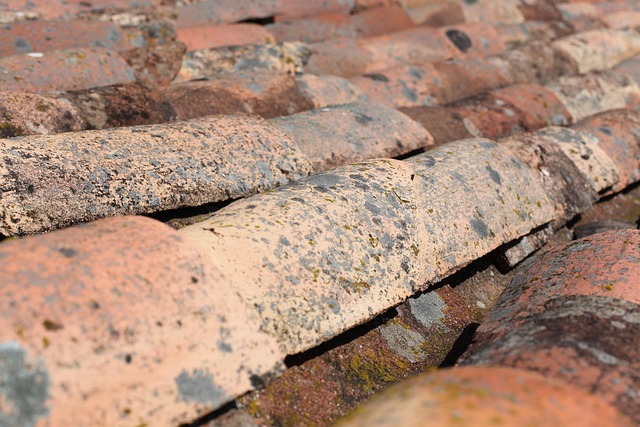
Water spots on drywall seldom reveal the entire saga. A walk-about on the roof and a peek into the attic reveal the true cause. Roofs leak when pieces that ought to shed rain welcome it in.
Look for these weak points:
- Plumbing-vent collars cracked by sun
- Satellite dish feet bolted through shingles
- Skylight perimeters with dried caulk beads
- Chimney counter-flashing that pulled free from mortar
- Bathroom fan hoods stuffed with lint
- Old antenna mounts left half in place
- Recessed lights poked through attic deck with no seal
Look at install dates. Newer flashing next to old shingles is a tipoff to patch-job errors. Look for algae streaks. They retain moisture and wear the material out faster.
Installation Flaws
Roofs go bad quick when crews take shortcuts. Weakened spots butted shingles and tabs lined up in neat columns let water skate straight into seams.
Feel along the rake edge. If you can lift a shingle more than a finger width, the roofer probably skipped nails every six inches. Peek at the nail heads. Crescent-shaped dents mean the crew cranked the gun too deep and tore the mat. Such holes void most manufacturer warranties.
Material Fatigue
Sunlight and smog cook L.A. Shingles dry as dust. Take a low-slope tab and crush it. A sharp crackle means the asphalt oils have cooked away.
Press chimney flashing with thumb. Rust flakes that blow like dry leaves reveal steel thinning to tissue. Note the install tag in the attic. Twenty-year shingles at year eighteen are living on grace time, not strength.
Ventilation Issues
Go up into the attic one July afternoon. If it’s like a parked car with the windows shut, the shingles get slow-roasted from underneath.
Count vents: one per 150 sq ft is code here. Fewer means moist air pools, turning rafters fuzzy with mold and nail heads orange with rust. That rust is your silent bell. Condensation is already dripping.
Roof Design
A long valley appears smooth. Absent step flashing, every step it transforms into a sluice that dumps water laterally beneath adjacent courses.
Low-slope under 3/12 require full peel-and-stick membrane. Standard felt is worthless when rain backs up behind clogged gutters.
Where stucco wall meets roof, search for a bent metal kick-out. If it’s absent, water shoots directly into wall cavities, drenching insulation and studs well before you notice a ceiling stain.
Immediate Damage Control
Water has a way of bouncing off rafters and appearing eight feet from the actual hole, making roof leaks particularly tricky for homeowners. Put a bucket under every fresh ceiling stain immediately to manage the situation. For immediate damage control, lay a scrap of 1×4 across the rim so drops hit wood, not water, and skip the splash that soaks the floor. If the drywall bows, knock a nail up, let it drain in one spot, then poke a ¼-inch hole with a Philips head. A slow trickle beats a sudden dump, especially when dealing with a complicated leaky roof situation.
Crawl outside and drape a 20×30 ft blue tarp over the ridge, with 2×4’s on each edge, screwed right through the shingles into rafters. An hour of work gets you weeks before the roofer can squeeze you in for a good roof inspection.
Contain the Drip
Tie cotton twine to the nail head and lower the line into the bucket. Water clings to the string rather than dashing sideways across paint. Line the pail with crinkled foil. When you hear that soft rustle in the night, you know a new stream has started. You pull rugs and plugs ten feet back.
One drip on a power strip trips the whole breaker and fries your console.
Relieve Water Pressure
A bulging sheetrock seam means gallons are pooled overhead. Jab a ½-inch hole right dead center with the screwdriver, catch the initial blast in a trash bag taped below. If the jet continues, increase to 1″. Smaller holes clog with sand and grit and allow the weight to accumulate.
Bag top, twist, haul it out—wet drywall is ½ its dry weight and less chance of a crash.
Document Everything
IMMEDIATE damage control– snap pics of every stain, drip line and soaked batt so the adjuster can’t say ‘old damage’. Videorecord a garden-hose test from ridge to gutter. Stop when water bursts through within—evidence of leak path.
List ruined stuff: IKEA couch bought 2022 for $449, Dell monitor 2021 $299. Save your receipts in a cloud folder marked “roof claim.” Quick list = quick check.
Repair or Full Replacement?

A leaky roof gets patched. A leaky roof with every rain becomes a calculus equation. Add up these three yardsticks: age, size of damage, and the bill you will still pay next year. A quick fix costs $450–$800 a square (100 sq ft) in L.A., so three calls in two seasons will set you back $4,800—half the price of a new mid-grade asphalt job.
Add in cool-roof shingles that knock 12–15% off summer AC consumption, and the exchange begins to pay for itself while increasing resale value.
Age of Roof
Examine the attic rafters for that shingle wrapper some moron stapled up there. Its date stamp reveals your precise birthday. If the house has 25-year three-tabs and leak #2 arrives at year 15, the manufacturer will send you a prorated check, typically 40% of material cost, but you still cover labor.
For big 3,500 sq ft roofs, hire an infrared drone crew ($250) first. Heat maps expose soaked underlayment lurking beneath granules that still appear fine from the gutter. Roofs around 20–22 years owe you nothing. Start saving for tear-off once the calendar hits that mark, even if the ceiling is still dry.
Extent of Damage
|
Area Affected |
Top Layer Only |
Decking Soft |
Action |
|---|---|---|---|
|
<1 square |
Yes |
No |
Patch |
|
2–4 squares |
Mixed |
Slight give |
Partial re-deck |
|
>4 squares |
No |
Spongy |
Full swap |
Shove a pocketknife into the sheathing around any water spot. Whether you opt for a leaky roof repair or a complete replacement, make sure to count every vent, skylight, and chimney. Four or more roof leaks often indicate that the entire system, including flashing and ridge cap, may need professional attention.
Future Costs
A $200 blue tarp every six months totals $2,000 over five years and still has you purchasing drywall patches. Interior fixes at L.A. Prices—texture match, mold fog, repaint—cost $3,000 for a 10 × 10 ceiling alone.
Demand that any bid come with a 10-year workmanship warranty. One upfront $15 k job with that guarantee wins over ten $800 leak calls that keep ruining your insulation.
Proactive Roof Maintenance
A quick walk-around twice a year keeps the majority of leaks at bay. Grab a clipboard, jot these tasks, and tick them off as you go:
- Look for cracked or curled shingles.
- Seal nail pops with a dab of roof cement.
- Swap warped flashing for new 8-inch aluminum strips.
- Clear gutter muck; note rust spots.
- Take pictures of any shift. The old pics assist warranty claims.
Maintain a small bin in the garage entitled “Roof Kit.” Inside: a gallon of wet-patch tar, one bundle of color-matched shingles left from the last job, a roll of 6-inch sticky flashing, and a short coil of gutter tape.
When a branch scrapes off a shingle during a Santa Ana wind burst, you can patch before the next rain instead of waiting two weeks for a roofer. Cut back limbs that extend within five feet of the ridge.
One falling eucalyptus limb can crack two rafters and cost $1200 in decking plywood, way more than the $75 an arborist’s quick cut would’ve cost.
Seasonal Checks
Spring: Scan for lost granules in the gutter. Bald spots foretell summer leaks. Early fall: Tighten loose vent pipe boots. Rubber gaskets shrink after hot San Fernando Valley days.
Post-hail: Eyeball each south-facing shingle. Tiny dimples shed granules later and leak during January drizzles. Mid-summer: Check for blisters. Trapped vapor balloons when temps top 95°F and split the mat.
Gutter Cleaning
Scoop leaves prior to that initial, heavy rain. Water dammed behind a tennis-ball plug lifts shingles and rots the fascia board in six months.
If you back up to maple trees, install mesh guards since they drop whirly-seeds that clog downspouts fast. Once the guards are installed, annual cleanings are reduced to a 10-minute hose blast.
Run water through each downspout, and if it backs up, feed in a plumber’s snake until the flow runs clear. Overflow concealed behind a bougainvillea vine had sent water into one Studio City attic last year, destroying $3,800 worth of insulation.
Debris Removal
Blow leaves out of roof valleys with a leaf blower twice each fall. Piled mulch dams water and sniffs for nail holes after dark.
Knock off moss with a stiff push broom. Roots wedge under tabs and rain curls sideways until it hits a fastener. Inspect the tight pocket immediately behind chimney stacks.
Kids’ tennis balls and bird nests both love that spot, and either one retains moisture directly against step flashing. One stray hard rubber baseball had given a drip line down a living-room wall in Pasadena.
It took two new shingles and a tube of sealant to fix it in five minutes once the debris was cleared away.
Conclusion
A leaky roof ceases to be a headache as soon as you know the signs, locate the drip and repair it quickly. Tarps, new shingles, and annual gutter cleans are cheap and save thousands. Phone three local roofers, check bids, and select the crew that arrives on time. Your attic remains dry, your paint sticks, and your weekend remains clear. Pick up a flashlight, walk the roof this Saturday, and nail down peace of mind before the next LA sprinkle arrives.
Frequently Asked Questions
How fast can a small roof leak turn into a major problem in L.A.?
One storm in the winter can turn a minor roof issue, like a pinhole, into soaked drywall and mold within 72 hours. Homeowners should conduct a roof inspection after each infrequent rain to check for leaks.
Will my California home insurance cover a leaky roof?
Unexpected damage from wind or a tree is typically covered, while neglect or wear and tear is not. For roof leaks, document each and every drip with photos and call your insurance company that day!
What’s the quickest DIY stop for a leak until the roofer arrives?
Catch the catch. Slide a trash can under the drip, punch a half-dollar-sized hole in the sagging drywall, and tack a tarp over the outside spot to fix minor roof issues. Dry to prevent mold.
How much does it cost to fix a minor leak in Los Angeles?
A majority of licensed crews I’ve contacted charge $350–$650 for minor roof issues like replacing shingles or fixing leaks in pipe boots. Same-day patch jobs on single-story homes tend to run toward the cheap end.
Can I stay in the house during roof repairs?
Yes. Top shingle or tile repairs, including leaky roof repair, require a few hours and don’t disrupt power. Keep pets away from ladder zones and cars out of the driveway for material drop.