

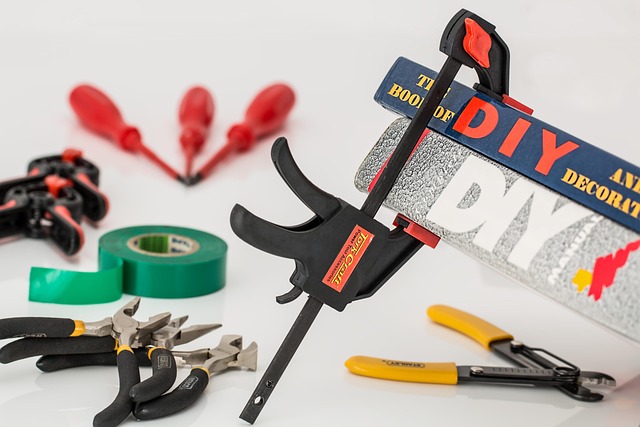
Household repairs remediates broken things in your house, so they function again and remain safe. A loose doorknob, a drip under the sink or a wall crack can become big bills if you wait.
Easy repairs are less expensive than service calls and help keep your Los Angeles home cool when Santa Ana winds blow and dry when the Pacific rain comes. Below you’ll find tools, costs and step lists locals use every weekend.
What Are Household Repairs?
A household repair is any repair that keeps your home safe and functioning. It can be as little as replacing a burnt out bulb or as large as replacing a water heater. The aim is to prevent wear, leaks or breaks prior to these becoming safety hazards or expensive invoices.
The majority of repairs require less than two hours and minimal tools you already have.
- Leaky faucets
- Clogged drains
- Running toilets
- Nail pops in drywall
- Squeaky hinges
- Drafty windows
- Dead outlets
- Jammed disposals
- Peeling caulk
- Splintered deck boards
Basic household repairs prevent minor issues from developing into costly catastrophes. There’s a five-minute washer swap today that can avoid $120 in water damage tomorrow. A $4 tube of caulk saves $200 on the winter gas bill.
When you address the small stuff on Saturday morning, you avoid emergency call-out fees and maintain home value.
1. Leaky Faucets
Turn off the angle stops under the sink, open the tap to bleed the pressure, pop the handle, and replace the rubber washer or cartridge. If that drip keeps hitting the bowl after you re-seat the bonnet nut, call a professional handyman for prompt repairs to avoid chewing the valve seat beyond repair.
2. Clogged Drains
To tackle common household repairs like a clogged sink, start by boiling a full kettle, pouring it slowly, and adding 1/2 cup of baking soda. Chase it with a cup of white vinegar, wait ten minutes, then plunge hard. If the sink still glugs, pull the P-TRAP into a five-gallon bucket and knock out the black gunk with a bottle brush.
3. Running Toilets
Pop off the tank lid. If water spills over into the overflow pipe, the flapper is toast. Hook on a new $6 flapper, provide the chain a link of slack, flush two times to test.
If the hiss comes back, replace the entire fill valve in 10 minutes with the kit from any west L.A. Hardware store.
4. Wall Damage
For simple household repairs like scraping popcorn edges, first swipe a damp rag to eliminate dust. Then, press lightweight joint compound into the dent using a 4″ putty knife. After letting it set for twenty minutes, sand with 120-grit, apply primer, and feather paint for a seamless finish.
5. Squeaky Hinges
For common household repairs, tap the pin up an inch, rub cheap bar soap along its shaft, and drip two drops of 3-in-1 oil for luck before tapping it back flush and swinging the door six times until the squeak disappears.
6. Drafty Windows
On a windy afternoon, slide your open palm down the sash to check for common household repairs. If you feel cold air, outline the crack with painter’s tape, slice open a new tube of latex caulk at forty-five degrees, and lay a smooth bead that dries clear, ensuring the functionality of your home.
7. Faulty Outlets
Plug in a lamp—no light, dead juice. Flip each breaker solidly off then on; if electricity returns, fabulous. If not, turn that breaker off again, pull outlet screws, and tighten side wire screws with a flathead. Check for char marks before closing up, as this is a common household repair task.
8. Jammed Disposals
First, reset the red button on the bottom. Then, use an Allen wrench in the center socket to crank back and forth until the blades spin free—never insert your hand, even during common household repairs.
9. Peeling Caulk
Score old caulk with a utility knife at both edges until it peels like string cheese. Rub off with rubbing alcohol on cotton cloth.
as Rob cure overnight before shower spray hits it.
10. Deck Maintenance
Sweep leaves off redwood boards in Eagle Rock or Santa Clarita sun. Soak with oxygen bleach solution. A hammer popped nails even with the surface.
Sand splinters in goggles. Roll on clear waterproofer every couple of years so December rain can’t rot joists.
Why Repairs Matter

Small fixes today block big bills tomorrow. A loose rail, a drip under the sink, or a cracked outlet plate may seem like common household repairs, but each one appears insignificant until it isn’t. Timely home maintenance tasks keep a house safe, affordable to run, and market-appropriate.
Stop safety hazards: a frayed extension cord can spark an electrical fire in minutes. Even a pin-hole pipe leak can drench studs and generate black mold within days.
Cut costs: swap a ten-cent washer now and skip a $300 cabinet swap later.
Keep coverage in force; carriers in California routinely deny water claims if owners omit ‘reasonable maintenance’.
Most of all, they retain value – recorded repairs provide purchasers with evidence that the property is solid.
Save time – one Saturday with a wrench beats two weeks with contractors, permits and hotel bills with floors drying out.
Property Value
New paint on fascia boards and clean caulk lines around the windows inform Los Angeles appraisers the home is coast-proofed against salt air. A cracked pane or warped siding plank knocks an appraisal score down 3–5 percent, that’s $25k on a mid-city bungalow.
Keep photos/receipts in a Google Drive folder year labeled – realtors open it on their phone and buyers stop nit-picking.
Personal Safety
Change out broken outlet covers so little ones can’t jam keys into live holes. Fasten loose handrails and screw down stair treads. ER stats reveal falls trump fires for home injuries in the county.
Put in smoke alarms in every bedroom, test on first Sunday of every month. Those early beeps buy the two minutes you need to get out before flashover.
Future Costs
A $10 rubber faucet washer left dripping can rot the particleboard under a kitchen sink, turning a quick twist job into a $300 cabinet rebuild. Lint caught in a four-foot dryer vent makes that machine run 30% longer.
That’s $8-10 a month extra on the LADWP bill plus wear to the heating coil. An annual roof walk detects shingles curling prematurely. One tube of roofing cement today trumps a full plywood deck replacement tomorrow once El Niño dumps three inches in a single day.
The DIY Mindset
Begin modestly. Change smoke-detector batteries, touch up scuffed baseboards with a $14 quart of paint, or tighten a loose cabinet pull. Every 10 minute fix you make saves roughly $90 in call-out fees and develops the muscle memory for more ambitious projects.
Once you experience a completed task, you crave the next hit of accomplishment. 62% of owners plunge into DIY primarily to save money, but the by-product is swagger that radiates into every living space.
Your Toolkit
- 16 oz curved-claw hammer
- 25 ft tape measure with 1-inch blade
- 6-in-1 screwdriver
- Cordless drill, 12-volt, two batteries
- Putty knife, 1½ in flex blade
- Assorted sandpaper: 120, 220 grit
- Zip-bag of 1½ in. drywall screws, 8d finish nails, wall anchors
- Portable plastic tote, lift-out tray so nothing rolls under the couch.
Safety First
Eye wounds heal slow, wear goggles the moment a drill bit or saw teeth turn. Cut electricity at the breaker, not the wall switch, before you remove open any cover that could potentially conceal 120 volts.
Plant a fiberglass four-footer on flat tile, — keep your hips inside the rails so the ladder can’t stroll! A quiet job is a secure job. Tuck phones and coffee mugs out of the work area so you’re not balancing shocks and splashes.
Knowing Limits
Back up when the panel cover is off or when three wires resemble spaghetti. A licensed sparky costs about $250 but maintains your home insurance.
Blackwater on the bathroom floor signals main-line issues — one clogged toilet can flood a slab in no time — get a bonded plumber. If more than three shingles blow off or the pitch tilts steeper than 6-in-12, remain earthbound—gravity always trumps.
When to Call a Pro
A few common household repairs seem simple on YouTube — until you knock open the wall and discover knob-and-tube wiring or an unexpected gas line. If L.A. requires a permit, if the tool is pricier than a weekend in Palm Springs, or one slip voids your homeowner policy, grab the phone—not the screwdriver.
Electrical Work
New outlets, rewiring a kitchen, or installing a 240 V dryer plug, all require a city permit and a licensed electrician. Breaker panels are covered under CA’s Title 24 – an upgraded panel needs to be tagged by a pro prior to DWP reconnecting.
Live wires hidden behind ancient plaster try the patience and heart rhythm—call instead of reach.
Major Plumbing
Issue | Risk | Action |
|---|---|---|
Slab leak under living-room floor | Mold & foundation lift | Hire leak-detection crew, reroute lines overhead |
Water-heater vent tilted 3° | Carbon monoxide spill | Call licensed plumber; city must inspect |
Sewer line belly under driveway | Black-water backup | Camera scope, trenchless pipe burst by pro |
Dishwashers and washers mix water, energy, and electronics — one pinched hose can lead to significant damage, flooding the condo below. For minor repairs like a snapped pipe, turn the main valve by the curb clockwise until the flow stops, then call a professional handyman for prompt repairs.
Structural Issues
A ¼-inch crack on a stem wall can become half an inch after the next Santa Ana shaker. Load-bearing beams that spongy from termite dust need an engineer’s stamp before any carpenter switches wood, or your insurer can deny laterquake claims.
Shoot obvious clear photos with a tape measure in frame to prove the date and size of damage.
HVAC Systems
Task | How Often |
|---|---|
Swap 1-inch pleated filter | Every 30 days during smog season |
Hose condenser coils | After July 4 dust storms |
Check duct dampers | When bedroom feels 5 °F off |
Probe refrigerant level | Yearly, by EPA-certified tech |
For common household repairs like refrigerant leaks and high-voltage contactors, it’s best to call a professional handyman with the right tools, while simpler tasks like coil cleaning can be handled as a DIY home repair.
Roofing Leaks
Crawl into the attic the day after a Pineapple Express whacked you. If rafters gleam as if they’ve been shellacked, water is already beyond the paper shield.
Nail-sized holes receive a scoop of Wet-R-Dri cement and a spare shingle from the final roof pack. Rot that extends beyond two plywood sheets or any ridge on a 6/12 pitch requires safety belts and a workers’ comp crew.
Your Seasonal Repair Calendar
A year-round list of common household repairs keeps small fixes from snowballing into five-figure headaches. Mild days allow paint and caulk to adhere, and a running record—paper or phone app—indicates which home maintenance tasks recur too quickly. Track date, task, cost, and who did the work—after two years you’ll notice patterns emerging such as north-side caulk that fails twice as fast.
Spring: gutters, mower tune-up, window bead check
Summer: deck wash/seal, limb cutback, A/C coil rinse
Fall: hose drain, leaf gap, furnace filter swap
Winter: attic insulation read, fan blade flip, ice melt stock
Spring Tune-Up
Once the last frost passes, drag out the aluminum ladder and scoop leaves from gutters so April showers run through downspouts instead of behind siding. As you’re up there, check the roof for raised shingles. A single loose tab now can allow water into the attic sheathing by July.
Drop down to switch out the mower’s oil, spark plug and blade—sharp metal cuts grass clean so the lawn requires less water afterwards. Don’t forget to finish by dragging a flat screwdriver along exterior caulk. If it flakes or gaps wider than a dime, cut it out and roll a new bead so pollen and draft stays out!
Summer Prep
A sunny Saturday is just the thing to rinse your deck with oxygen bleach, then roll on a clear UV sealer before grill season hits its peak. Prune back any limb within five feet of your roof — summer storms here can break a pine like a toothpick and spear a hole in decking that runs $800 to repair.
Hose out the A/C condenser coils from the inside-out to drop the electric bill about 8 percent, and pour a cup of bleach down the condensate line so algae won’t back up into the living-room carpet.
Autumn Shutdown
Shut off the inner valve to every exterior spigot, open the faucet and drain hoses on an incline so residual water won’t freeze and rupture $150 copper lines. Rake leaves 3 feet from siding — wet piles hold moisture against fiber cement and invite mold that bleaches can’t fix.
Pop in a fresh furnace filter—MERV 8 is fine for most L.A. Basements—and cycle the heat once to make sure the igniter lights before Santa Ana winds plummet temps into the 40s.
Winter Watch
Poke your head through the attic hatch with a yardstick — if fiberglass falls under ten or cellulose dips less than seven, blow in an extra bag so the furnace cycles less and you save about $12 monthly.
Flip the black switch on each ceiling fan so blades rotate clockwise on low; this pulls warm air off the ceiling and allows you to turn the thermostat down 2 degrees without feeling cold. Keep a 5-gallon bucket by the door filled with ice melt and a scoop, one handful on concrete steps trumps an ER bill after a surprise freeze.
Budgeting for the Unexpected
A $12,000 slab leak in Torrance or a dead HVAC unit in Sherman Oaks can strike unexpectedly, leaving homeowners unprepared. Many L.A. County owners are blindsided because they view these issues as one-off bad luck rather than anticipating common household repairs. Budgeting for home repair costs is crucial for homeowners, enabling them to create a financial buffer for surprise repair bills and ensuring they are ready for any home improvement project that arises.
Set aside 1–3% of home value each year for routine and emergency repairs
On a $750,000 Pasadena home, that works out to $7,500–$22,500 a year. Experts say that homeowners tend to spend 1–4% of their home’s value each year on maintenance/repair, so the 1–3% band keeps you inside the safe zone without pushing the cash flow.
Divide the annual amount up into twelve equal deposits into a high-yield online savings account tagged “House Only.” If the roof is a decade old, shift to the upper end; if the pad is new and still under builder warranty, you can relax close to the lower end.
Any dollars not spent roll forward and accrue, so year three just might already have half the money for that 18-year-old heat pump that’s next up on the death list.
Build emergency fund equal to one month’s salary for sudden appliance failure
A month of take-home is easier to meet than the traditional “3-6” rule, but it still halts a credit-card vortex. Deposit it into that same separate home repair savings account so the fridge that dies on Thanksgiving Sunday can get swapped before the food thaws.
If your net is $6,500, auto-move $540 each payday. The fund is filled in twelve months. When the tankless water heater displays error 11, you just flash the debit card, pay it off over the next quarter, and keep life moving.
Track average household repair costs to forecast next year’s monthly home maintenance budget
Take the last couple years of bank and card statements, label every plumber, electrician, roof patch and Home Depot run and divide by 24. A West Adams duplex went for an average of $430 a month in ’22–’23 — that’s the new baseline, not the aspirational $150 that felt good.
Add 6% for price creep and the age penalty (10% per decade of house), then arrange the transfer on payday before the coffee money evaporates. Big home components typically have a 10 – 25 year life span, so plug in future replacements to your sheet — $4,800 for a 50-gal water heater in 2027, $9,200 for AC in 2029 — and the random starts to look strangely predictable.
Conclusion
Take a wrench, save the date and save $20 a month. That trio keeps drips, squeaks and busted stuff from snowballing. Minor repairs today prevent major repair bills tomorrow and keep your home cozy and secure. If a job stinks risky or requires a permit, call a pro. If not, jump in, learn the technique, and accumulate the savings. Time to begin! Choose a single job from the list, set a timer for thirty minutes, and accomplish it today.
Frequently Asked Questions
How often should I inspect my Los Angeles home for needed repairs?
Inspect your home semi-annually—prior to Santa Ana winds (fall) and again prior to El Niño rains (spring). These simple household repairs, like checking for cracked stucco and worn roof tiles, can prevent significant damage.
What’s the average cost of a minor DIY fix in L.A.?
Most small home repair projects cost $20–$60 at Home Depot or Lowes. This includes common household repairs like replacing a sprinkler head ($12) or patching drywall ($25). Keep a $100 gift card for impulse supply runs.
Do I need a permit for weekend repairs inside my house?
Inside, no permit is needed for simple household repairs like painting, putting down floors, or swapping faucets. However, for significant home repair projects like installing a gas line or relocating plumbing, LADBS requires one. Call 311 or check ladbs.org before you start your home improvement project.
Which tools should every L.A. homeowner own first?
Begin with a 5-in-1 painter’s tool, 16-ft tape measure, adjustable wrench, and solid ladder to tackle common household repairs. These tools can handle 80% of maintenance tasks without another trip to the hardware store.
When is it smarter to hire a pro instead of DIY?
For home repair projects like electrical panel work or roof jobs over one story, it’s best to call a professional handyman. This ensures prompt repairs, saving you from potential disasters and costly mistakes.
How can earthquake safety fit into regular repairs?
Every time you open a wall, consider adding seismic gas shut-off valves, bracing water heaters with code straps, and installing flexible connectors. These little extras during common household repairs enhance safety and functionality, making your home a lot safer when the next earthquake hits.