

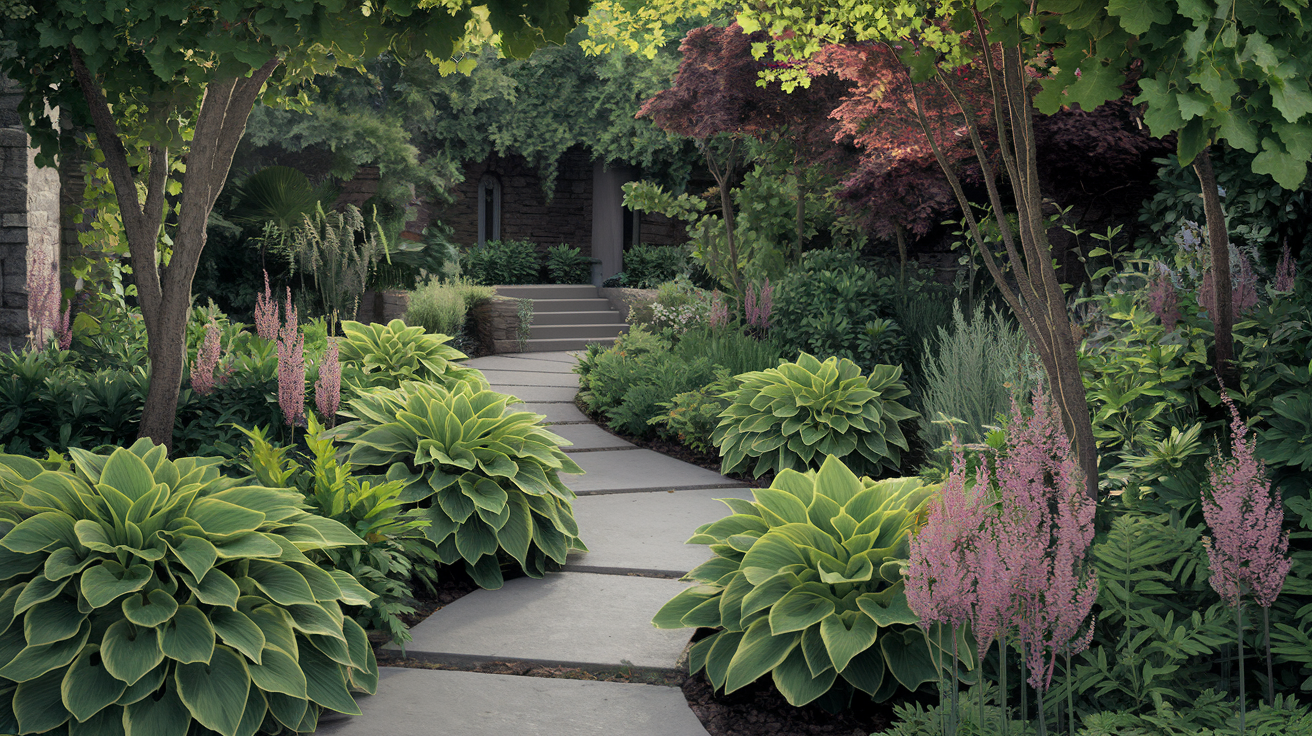
Full Shade Garden Layout Planning lays the groundwork for thriving low light growth. In LA, deep shade can come from north-facing walls, old ficus, or close courtyards.
Layer in hard-hitting picks such as cast iron plant, aspidistra, fern, heuchera and clivia. Map drip lines/root zones/foot paths.
Utilize dark mulch and simple borders and wide curves to channel water. Cluster plants by moisture requirements, and provide 12–18″ for spread.
Up next: sample layouts and plant lists.
Understand Your Shade
Shade, it turns out, is not one thing. It’s everything from dappled shade under open canopies, to part shade (3–6 hours sun), full shade and deep shade where sun rarely penetrates. Each type molds plant health, water consumption and design decisions.
Mapping light and seasonal shifts early keeps the design consistent year-round.
Light Mapping
Track light at 8 am, noon and 4 pm for one week during spring and again in late summer. Notice where beams slip through leaves (dappled), where sun penetrates for 3-5 hours (partial shade), and where walls or mature trees cast deep shade all day.
Los Angeles high summer sun can drive bright light even further underneath canopies, while winter’s low angle can enlarge shade from buildings.
Draw your lot and note shade bands. Use solid blocks for deep shade by walls or under ficus or jacaranda, hatch marks for dappled beneath Chinese elm and open circles for part shade by east-facing beds.
This ties plant choices to the true light: ferns and cast iron plant for deep shade; heuchera and carex in dappled; hydrangea and hellebore where 3–5 hours of sun land.
Put small flags or stakes to mark edges of shade at midday and late afternoon. Leave them in for a week. The sensory hints are invaluable when you’re putting evergreens down first for structure, layering mid-height shrubs next and finally groundcovers to add depth and unite areas with common leaf color and texture.
Bed/Zone | Sun Hours (avg) | Shade Type | Notes |
|---|---|---|---|
East Bed | 3–4 hr | Partial shade | Bright a.m. sun, dries fast |
North Wall | <1 hr | Deep shade | Cool, still air |
Under Sycamore | Filtered | Dappled shade | Roots compete |
West Corner | 0–2 hr | Full shade | Hot late day heat nearby |
Soil Reality
Dig some test holes 6-8 inches deep in a couple of spots and squeeze. If it clumps and thus stays cool, you have damp shade. If it crumbles quickly, dry shade. Beneath big trees, anticipate dry shade from root competition even if the surface appears moist post-rain.
Note texture: clay holds water and compacts in footpaths; sandy soil drains quick; loam is perfect. Combine compost and fine bark to loosen clay and enhance sandy beds.
Test pH at home with a kit; many shade perennials favor slightly acidic to neutral. Add compost to stabilize nutrients and feed slow. Record each zone in a notebook so adjustments accumulate over time.
Water Flow
After a hard rain or thorough irrigation, check the location for water pooling by the north fence and where it sheets off patios into the shady garden beds. To enhance your garden design, plan simple fixes like adding a shallow swale or loosening compacted soil with a garden fork. Consider using raised beds in areas where soggy spots linger.
Zone plants by water requirement. Combine drought-tolerant shade selections beneath thirsty trees, as roots suck aggressively. Group thirstier shrubs in the zone you water more frequently.
Mulch 2-3″ deep. In dry shade it keeps roots cool and conserves moisture. In moist shade use a looser mulch so air still circulates.
Designing Your Full Shade Garden Layout
Begin with a rough sketch that lays out beds, paths, and focal points. Label where shade is partial, dappled, or full — this informs plant selection and design. Observe microclimates from walls, eaves, or trees that alter light, air flow and soil moisture. Strive for 80% of your plant list to be tried-and-true shade lovers, then intersperse height and texture for dimension.
Use curves or clean geometry to break long runs, leave room to work, and plan lighting to extend use on short winter days.
1. Define Your Bones
Put anchors down first so the plan stays together. Larger elements like japanese maples, camellias or a sculptural urn set focal points. Evergreens—boxwood, yew, holly—provide year‑round structure.
In mild West Coast zones, include evergreen ornamental grasses such as Lomandra for constant texture and lay hardscape to define edges and paths. Stone or steel edging, which keeps mulch off paths. Imagine a low wall, a raised bed in which roots vie, or a slim bench recess.
Up‑lighting on trunks and spot lighting on focal shrubs adds contrast on dark evenings and in winter.
2. Create Pathways
Choose materials that fit shade: decomposed granite with stabilizer, flagstone with gravel joints, or bark mulch where roots surface. Connect paths, beds and a little seat so tending and enjoyment are easy.
A 36–42 inch clear width fits for regular foot traffic, and 48 inches for carts or wheelchairs. Where paths seem bare, mitigate edges with low growers such as sweet woodruff, mondo grass, or creeping Jenny that withstand low light and light foot splash.
3. Layer Vertically
Build from tall to low: canopy or small trees, then mid-height shrubs and perennials, then groundcovers. This brings dimension and conserves space. Utilize shade vines to draw the eye upward—climbing hydrangea on a north wall, Virginia creeper for quick coverage, particular clematis to create bright pockets.
Position taller plants at the backs of borders or fences for privacy and a woodland frame. Mix leaf size and texture—broad hostas, fine Japanese forest grass and spotted lungwort—to maintain interest far beyond bloom.
4. Group by Need
Cluster plants that enjoy the same light, soil, and water. Damp shade can harbor ferns, astilbe and bleeding hearts. Dry shade beneath eaves suits hellebores, epimedium and anemones.
Leave air circulating by spacing plants for mature size. Tag plants or maintain a drawn plan so maintenance remains straightforward and fast.
5. Plan for Seasons
Mix evergreen and deciduous layers for consistent structure. Include spring bulbs, such as snowdrops and daffodils, summer perennials such as astilbe or foxglove, then fall foliage from oakleaf hydrangea or fothergilla.
In winter, rely on bark, berries, variegation and delicate up‑lighting to provide color.
The Shade Plant Palette
When selecting plants for your shade garden, consider the shade type, soil, and moisture. In L.A., full shade often translates to glaring, parched conditions beneath eaves or a dense, dappled canopy. To achieve a colorful shade garden, utilize a layered palette of small trees, understory shrubs, perennials, and groundcovers for depth and sustained interest.
- Dry shade workhorses: cast-iron plant, oakleaf hydrangea (morning light only), lomandra, bergenia, hellebores, aspidistra, clivia
- Moist shade picks: Ligularia, Japanese forest grass, turtlehead, ferns (sword, autumn), toad lily
- Evergreen anchors: hellebores, heuchera, pittosporum ‘Wheelers Dwarf’, mahonia, dwarf aucuba
- Textural fillers: hostas (in cooler LA canyons), Heuchera, carex, arthropodium
- Vines and structure: variegated climbing hydrangea, evergreen clematis (shade-tolerant), star jasmine
- Annual refreshers: impatiens, begonias, coleus; rotate seasonally
- Check local lists: UC ANR Master Gardeners of Los Angeles County, Theodore Payne Foundation (for natives like Pacific coast iris, coral bells), and reputable LA nurseries for region-fit cultivars
Foliage First
Opt for hellebores, heuchera, hostas, lomandra, aucuba, aspidistra and variegated climbing hydrangea for leaves that maintain shape and color. Many of them are evergreen and bloom in late winter – spring in whites, pinks, amber and near-black.
Mix bold leaves (hosta, bergenia, ligularia) with fine textures (carex, Japanese forest grass) for depth in close courtyards. Blend in greens with blue hostas, silver brunnera and purple Heuchera to stabilize the palette when blooms wane quicker in shade.
Plant foliage anchors at bed corners and entries to both frame paths and steady the eye.
Subtle Blooms
Select bleeding hearts, astilbe, anemones, toad lily and hellebores for gentle color during the cool months. Flowers may be shorter than in sun, so arrange for staggered bloom waves from late winter through fall with hellebores, then dicentra, then astilbe, then fall anemones.
Combine these bloomers with evergreen foliage—heuchera or lomandra—so the bed reads nicely in-between the flowering cycles. Plant in small drifts of 3–7 for impact and simpler maintenance.
Textural Stars
Highlight foamflower, euphorbia (shade-tolerant varieties), Japanese forest grass, sword ferns and variegated climbing hydrangea for contrast. Blend coarse, medium and fine textures to mimic a woodland floor and soften walls, AC units or fence lines.
Employ bolder textures to signal focal pots or a bench. Position touch-me plants by walks and benches such that you can graze the foliage and detect aroma or animation.
Groundcover Solutions
Swap thirsty lawn for shade covers: pachysandra, sweet woodruff, dymondia in bright shade, or native yerba buena in cooler sites. Dense planting will help curb weeds, hold moisture and connect isolated shrubs into a single read.
Select evergreens for 12-month coverage and reduced maintenance. In deep shade (under 3 hours), stay with hardy choices such as aspidistra divisions, ferns, or hellebores, and enhance draining to prevent rot.
Beyond Plants
Non-plants establish mood, direct traffic, and address shade-site dilemmas, making them essential for shade gardening. They play with foliage texture and shape, ensuring the garden design remains cohesive throughout the year, even when nothing is in bloom. Opt for attributes that feel cool on sweltering days, tolerate dry tree-root areas, and create peaceful gradients from home to garden border.
Seating Nooks
Set up a bench or a couple of chairs where shade persists through the day, such as on the north side of a fence, next to a stucco wall, or beneath a mature jacaranda or coast live oak in SoCal. Maintaining at least 3 feet of clear path ensures that the shady garden area is easy to access. Low tables assist with books or iced tea and longer usage, making this a perfect spot for relaxation.
Nestle seating in a back corner or under a canopy to create a mini oasis in your backyard. A bedroom patio with a screen panel and a chair can become your own outdoor room, enhancing your garden design. This setup fortifies everyday connections to the natural world and renders morning or evening sublime.
Pick wood that weathers well, like cedar, or stone that stays cool for your outdoor space. Forget heavy steel that gets hot. Equip your seating with seat pads in dark, quick-dry fabric to resist mildew. Envelop the area in scented or tactile plants — sweet woodruff at foot level, glossy aspidistra by the armrest, and a fern for soft contrast.
Because tree roots suck moisture, place big, self-watering containers next to chairs to keep greenery cheerful without the hassle of supplemental watering. This way, you can maintain a vibrant shade garden while enjoying your outdoor retreat.
Water Elements
Little water adds noise, wildlife, and a consistent point of interest to your shady garden. A 24-inch bowl fountain, a pedestal birdbath, or a preformed 3×4-foot pond complements shade gardens beautifully. Place it in plain sight of your recliner or around a trail curve to increase excitement as you trek through your backyard garden.
Scale to your attention span when planning your garden design. A basic, recirculating fountain requires weekly top-offs in L.A. heat, while a pond necessitates skimming and pump checks. Set basins flush on a compacted base to ensure splash remains contained, preventing slick zones from developing. Use flat stepping stones for safe access.
Edge water with plants that like damp soil: dwarf papyrus in a pot, Japanese forest grass for a soft skirt, and native rush for structure. Beware slugs, they love damp shade. Employ copper tape on pots, iron phosphate bait, and clear out hiding debris to prevent destruction!
Artful Accents
Sculpture, a glazed pot, or a framed mirror panel can hold theme and attract the eye without hollering.
Hold scale small so leaves still dominate. One tall urn at a junction, a low basalt column near ferns, or a mosaic stepping stone from broken plates puts a personal stamp and definite pause.
Opt for materials that wear shade and moisture—glazed ceramic, powder-coated metal, or basalt—so patina appears deliberate, not raggedy. Turn small pieces by season to refresh views, and use art as a bridge between sun and shade zones—like forms in both areas help the garden read as one place.
The Forgotten Sense: Scent
Scent brings a rich dimension to a full shade area design, transforming a silent corner of the backyard into a sensory paradise. Scented plants, mulch, and plantable pots by paths and seats make small garden areas feel serene and nurtured. A blend of aromas through the seasons maintains intrigue, which is important in shady gardens where bloom times may be short.
Fragrant Foliage
Shade-tolerant herbs bear pure, persistent fragrance when you stroke or brush them. Sweet woodruff adds a breezy, hay note that dries nicely under trees. Mint provides cool lift; spearmint or apple mint, keep in pots to prevent spread. Wild ginger (Asarum) has shiny leaves and a warm, rooty scent.
Line these along slim walks so knees and hands brush them. Low edges with mint in containers, woodruff as a groundcover, wild ginger in pockets near steps, work well. Short reach, immediate return. In L.A. Much of Southern California, shady or dappled shade beneath jacaranda, sycamore or coast live oak agrees with them, as does regular watering and leaf mulch.
Mix fragrant foliage with dramatic shade plants for a multi-sense layer. Plant woodruff beneath Japanese forest grass for texture contrast. Toss in shiny camellias or big-leaf hostas for form — not all hostas smell, but their leaves surround the herbs and ground the tableau.
Try raised beds or big pots by benches for easy trim’n’sniff. A 20–24 inch wide pot with a rich, well-drained media and 2 inches of composted bark mulch spurs scent emission and cools roots.
Night Bloomers
Scent in the evening air can bring peace after a hard day. Shade-friendly options are a few scented hosta varieties (such as H. Plantaginea strains) and evening primrose along the sunnier fringes of shade. In coastal Southern California, night-blooming jasmine (Cestrum nocturnum) tolerates bright shade; plant sparingly because of heavy fragrance.
Plant night bloomers near patios or a side-yard bench where night air drifts. Put pots 2–3 feet from chairs and you’ll enjoy the fragrance without being overwhelmed. Subtle path lights at knee height or warm string lights lead the eye to pale flowers without glare.
Construct an easy moon garden pocket. Use white or soft-yellow blooms, reflective foliage like silver plectranthus or variegated hosta, and light mulch such as pale gravel in pots to bounce low light. Rotate seasonal accents: sweet alyssum in cool months, scented geranium in summer.
Lavender throughout your sunniest edges– it’s easy care, but requires more sun than deep shade. Smell connects to memory. Blended fragrances—mint, alyssum honey, geranium citrus—provide a soothing, individualized signal.
Not every plant has to smell. Sumac has gorgeous summer-to-fall leaves but contributes visual, not olfactory. Strive for equilibrium so the entire garden seems rooted and enveloping.
Sustaining Your Oasis
With a shaded garden running 10–15°F cooler, planning upkeep safeguards plant health and maintains your space a calm, useful oasis — even in tiny L.A. Yards. Record semi or dappled shade versus heavy, deep shade, as plant selection, watering and feeding changes with light levels.
Repeat key plants for cohesiveness, then layer shrubs, trees and perennials with mixed textures and hues to mimic a woodsy vibe.
Task | Frequency | What to Do | Why It Matters |
|---|---|---|---|
Watering | 1–2x/week in summer; less in cool months | Deep soak via drip/soaker, check soil 3–4 inches down | Builds deep roots; avoids mildew from wet foliage |
Mulching | Spring top‑up; spot check quarterly | Maintain 2–3 inches; pull back from stems by 2 inches | Saves water, curbs weeds, protects roots |
Pruning | Late winter shape; light monthly edits | Thin crowded stems, deadhead, lift low limbs | Improves air flow and light in dense shade |
Feeding | Early spring + post‑bloom | Slow‑release or compost; test soil every 2–3 years | Steady growth without surge or burn |
Health checks | Biweekly | Inspect leaves, soil, moisture; note pests/disease | Early fixes avoid spread |
Journal | Ongoing | Log weather, tasks, wins, misses | Refines care as beds mature |
Smart Watering
Water deeply and slowly so moisture penetrates 8–10 inches. Roots in shade seek depth when the surface remains drier between cycles.
Employ drip lines or soakers under the canopy to keep leaves dry in thick beds. Combine with an easy timer to eliminate the guess work.
Move the timetable back following rain or onshore fog. In LA, Santa Monica Canyon might require less than the Valley. Verify soil by hand prior to turning valves.
Cluster ferns, hostas and heucheras, and isolate dry-tolerant shrubs like mahonia, so every zone receives the correct amount.
Proper Mulching
Cover with 2–3″ of shredded bark, leaf mold or composted wood to retain moisture and suppress weeds. In close plantings, mulch fills spaces for a neat, groomed appearance.
Top up each spring as the layer breaks down, which nourishes soil life and buffers summer heat. Don’t ever mound mulch against trunks or crowns; leave a small moat to prevent rot.
Pick mulch that suits the scene: fine bark for a refined courtyard, pine needles for a woodland vibe, or dark compost to set off silver lamium and blue‑green hostas.
Gentle Feeding
Fertilize lightly with slow‑release or organic mixtures. Shade plants grow slow, not quick. Compost or worm castings condition tilth and retain water in clay or sandy pockets.
Use in early spring as plants break growth, then again post-peak bloom for a silky second wind. Prune leaves and vitality, thin out if growth becomes luxuriant but feeble.
Pest Awareness
Inspect for slugs, snails and fungal spots beneath dense foliage. Remove dropped camellia blooms and wilted hosta leaves so bugs have no place to hide.
Copper tape or iron phosphate or beer traps for slugs. Prune for airflow to slash mildew. Keep sprays organic and focused.
Incorporate birdbaths, a small pond, or thick bushes to attract birds and pest-hunting frogs. Dense, layered planting sustains these allies.
Conclusion
A full shade garden can pack a punch. Open trails direct vision. Strong edges make beds look neat. Nice layers give it dimension. Hardy shade plants do the heavy lift in LA’s dry summers. Think coast live oak shade, block walls, and north sides of homes. Really rely on low water picks such as cast iron plant, clivia, heuchera and Lomandra. Mix in leaf shape, matte and gloss greens and a few pops of bright blooms. Incorporate stone, wood and a bench for serenity. Add fragrance with daphne or star jasmine near a door.
Prepared to chart your room and begin small. Jot down a quick plan, experiment with a 4×6 bed, then go big. Looking for a helping hand or a plant list tailored to your zip code? So reach out and inquire.
Frequently Asked Questions
What qualifies as “full shade” in a garden?
Full shade areas receive less than 3 hours of direct sunlight daily, accompanied by filtered or reflected light. It’s essential for gardeners to observe seasonal shifts from surrounding trees and structures.
How do I plan a layout for a full shade garden?
Start with a site map for your front garden. Designate paths, seating, and focal points while considering the right plants for shady areas. Cluster plants by height and moisture requirements, utilizing layers of groundcovers, mid-height fillers, and tall anchors to create a successful garden.
Which plants thrive in deep shade?
For a successful shade garden, look for shade-tolerant natives and proven performers like hosta, fern, and heuchera. Consider adding groundcovers such as sweet woodruff to your garden design, ensuring they match your USDA zone and soil.
How can I add color and texture without sun?
Utilize foliage contrast with chartreuse, silver, blue-green, and variegated leaves to enhance your shade garden. Incorporate a variety of leaf shapes—broad, lacy, and strappy—while complementing with painted containers and stone mulch for a vibrant garden design.
What hardscape features work well in shade?
For your front garden, consider using decomposed granite or stepping stones for paths, complemented by a rustic bench or bistro set for seating. Incorporate mirrors or light-colored screens to reflect light, and utilize low-voltage, warm LED path lights to guide and highlight your garden design.
Can I have fragrance in a shade garden?
Yes. Experiment with shade-loving scented shrubbery such as sweet woodruff, lily-of-the-valley, daphne, and sarcococca in your shady garden areas. Set them by paths and seating in your front garden for a successful garden design.
How do I maintain a healthy full shade garden?
To maintain a successful garden, amend your garden area with compost annually and water well but less frequently. Mulching 2-3 inches can help conserve moisture in your front garden while inhibiting weeds, ensuring a thriving home garden.
One thought on “Full Shade Garden Layout: Plants, Design, and Care”