

Soil fertility improvement techniques, such as adding organic matter or using cover crops and crop rotation, can be included to boost the nutrient levels. We have clay or sandy soils here in Southern California, so these techniques can be essential.
Amending soil with compost adds necessary nutrients, whereas cover crops such as clover help to fix nitrogen and guard against erosion. These habits lay a good groundwork for a productive garden.
This guide will demonstrate how to initiate them.
What is Soil Fertility?
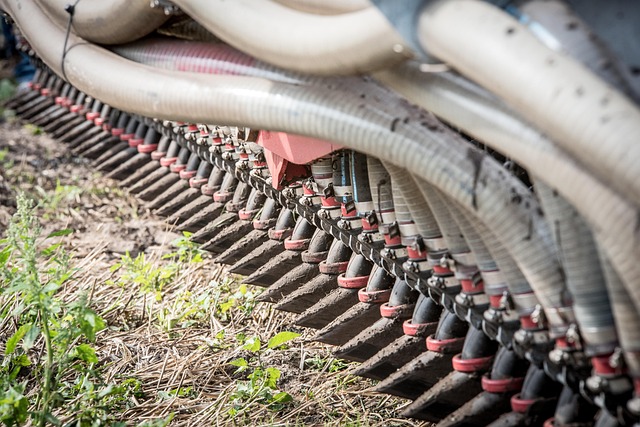
Soil fertility refers to the soil’s ability to sustain plant life. It’s not just dirt; it’s a living ecosystem that supplies the nutrients plants need to thrive. Soil fertility affects crop yield and quality, which in turn affects our food and ecosystems.
Soil fertility management includes practices that sustain and improve this productivity in the long term, making the land usable in the future as well.
Chemical Health
Chemical balance of soil about its fertility. This means having the proper balance of nutrients accessible for plants to uptake. Soil pH, a measure of acidity or alkalinity, is vital as it controls which nutrients are available.
Most crops prefer a pH of 6.0 to 7.0, where important elements are most available. Beyond this range, plants can be subject to nutrient deficiencies or toxicities.
The macro-nutrients N, P, and K are the fundamental building blocks. Nitrogen is vital for leaves, phosphorus for roots and flowers, and potassium for overall plant health. Constantly planting the same crops will leech these specific nutrients.
A basic soil test from your local extension office will most likely give you exact numbers on your nutrient levels and pH, which is a great roadmap for what to add.
Physical Structure
Soil structure describes the arrangement of sand, silt, and clay particles. A bad structure keeps water on the surface ready to evaporate or puddle and drown roots. It generates pores and tunnels to provide air to roots.
Lacking proper aeration, roots can suffocate. The soil texture (sandy, silty, clay) additionally greatly impacts these physical properties. For example, clay soils retain moisture but may become compacted.
Sandy soils drain quickly and can deplete nutrients. Organic matter is the secret ingredient for curing any soil structure. It is a sponge that makes sandy soils more moisture retentive and loosens dense clay soils for better drainage and aeration.
Biological Life
Rich soil is teeming with life, including billions of bacteria and fungi, earthworms, and insects. This soil food web is the powerhouse of nutrient cycling. Microbes are especially critical as they decompose organic material such as fallen leaves and plant roots, liberating nutrients back into the soil in a plant-available form.
This biological activity underlies long-term fertility. For instance, certain bacteria associate with legume crops such as soybeans and alfalfa to extract nitrogen from the atmosphere and fix it in the soil, fertilizing it for the subsequent crop.
Practices such as compost application bring in a diverse population of beneficial microbes and critically, food for them. Planting cover crops between main growing seasons feeds soil life, prevents erosion, and adds organic matter, keeping the whole ecosystem humming.
Core Soil Fertility Improvement Techniques
Core soil fertility improvement techniques focus on a couple of simple concepts that combine to form a healthy, self-sustaining ecosystem. These habits are designed to simulate nature, constructing soil texture and nutrition over time. The foundational goals are to:
- Minimize physical disturbance of the soil.
- Get the soil surface covered as much as possible.
- Keep living roots in the ground for as many months as possible.
Minimize Disturbance
Tilling or turning over the soil ruins its fragile structure. It disrupts the webs of fungal and bacterial filaments that help bind soil particles in a dense, compacted layer. This inhibits water absorption and root penetration.
No-till or reduced-tillage farming, rather than frequent tilling which is common, maintains the soil structure. They protect the habitat of helpful soil microbes.
Limiting compaction from foot or heavy equipment traffic is crucial. Working on pathways and never on wet soil helps keep it from being squashed and closed to air and water.
Maximize Cover
By leaving soil bare, you expose it to the elements and it will erode from wind and rain along with suffer moisture loss owing to evaporation. Your cover is like a shield, retaining your soil and retaining moisture.
That’s what makes cover crops – clover, winter rye – so powerful. These crops are not planted for harvest, but rather to cover the soil, usually in between cash crop seasons. They assist in weed suppression and contribute organic matter when they are finally tilled under.
Mulching with organic materials such as straw, wood chips, or compost provides those same benefits, breaking down slowly to enrich the soil whilst guarding its surface. Once the main crop is harvested, you just broadcast cover crop seeds to keep the ground protected.
Maintain Living Roots
Living roots are the lifeblood of a healthy soil ecosystem. As they mature, they generate pathways that aerate soil and promote the free flow of water.
Plants secrete sugars and other exudates from their roots that nourish the microbes that cycle the nutrients and make them available to plants down the line. Keeping roots in the ground year-round is the aim.
Cover crops are a fantastic way to pull this off, as they grow when the main garden beds would otherwise be left fallow. Perennial crops, which can live for many years, are fantastic since their deep, established root systems help to actively build soil health.
Picking plants adapted to your climate means they can flourish and maintain root activity for as much of the year as possible.
Diversify Rotations
Planting the same crop in the same spot like ‘til and ’til again sucks out certain nutrients. It promotes the accumulation of pests and diseases that enjoy that plant.
Crop rotation interrupts these cycles. Rotating plant families through a piece of land over multiple growing seasons helps keep the soil healthier.
Incorporating legumes such as beans or peas into the rotation is a clever strategy. They can pull nitrogen from the air and pack it into the soil for the following crop.
Planning rotations from a soil test can allow you to match crops to the soil’s needs, which are what the previous plants have depleted.
Boost Soil Organic Matter
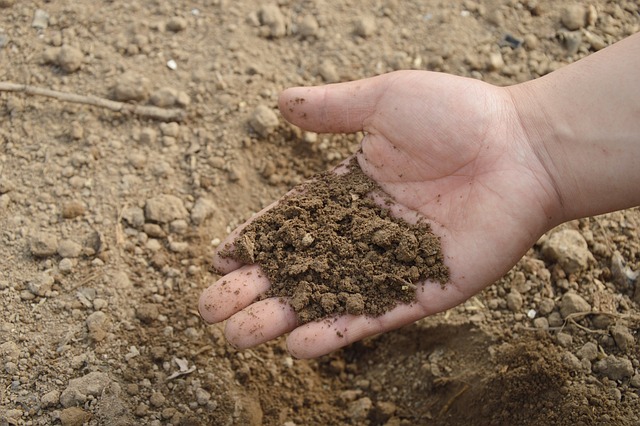
Soil organic matter, made of decayed plant and animal matter, is the lifeblood of rich soil. Raising its levels will be a huge boon to your soil. Soils rich in organic matter experience crop productivity increases of up to fifty-eight percent compared to degraded soils.
Key benefits include:
- Improved soil structure and aeration
- Greater water retention, reducing irrigation needs
- Enhanced nutrient availability for plants
- Support for a healthy ecosystem of soil organisms
Why It Matters
It’s a nutrient bank, releasing nitrogen, phosphorus, and sulfur as it breaks down. This gives plants a consistent source of nourishment during their development.
It energizes the work of helpful soil life. Earthworms, fungi and beneficial bacteria – nature’s own aggregate builders – flourish in organic-rich soils. Their grazing helps knot soil particles together into a stable, porous clump structure that permits better root growth and air exchange.
Such enhanced structure has a direct influence on water management. Soils higher in organic matter can hold more water, so they’re more drought-resistant. The increased porosity helps prevent surface waterlogging following heavy rains, a problem in soils with low organic matter.
Bad soil, typically associated with low organic matter in the soil, can cause patchy growth, higher disease risk, and drainage issues.
How to Measure
Testing your soil’s organic matter is as easy as a soil test. This gives you an exact percentage and a baseline for measuring progress.
When taking these samples, be careful to obtain a representative sample. Sample the soil to the right depth, usually around 9 inches for arable soils, and steer clear of locations where manure or slurry was recently spread.
Beyond lab tests, home observations can be made. Good, organic matter-rich soils are usually dark and crumbly with an earthy aroma. Depleted soils can look ashen, crusted, and dead.
A soil probe can help you measure the depth and quality of your topsoil, providing a physical feel of its structure and compaction. When you receive the results, a professional analysis will clarify organic matter percentage for you to determine the appropriate amendments.
How to Increase
Frequent additions of organic matter and balanced fertilizer are important for soils farmed annually, such as in gardens. Tillage reduction, crop rotation, and the regular application of organic amendments can increase soil organic matter by anywhere from 0.2% to 1.5% a year.
There are several effective methods to build organic matter:
-
Cover Cropping: Planting cover crops like clover or rye during off-seasons prevents bare soil, which is vulnerable to wind and water erosion. When tilled back into the ground, these crops rot and provide an immediate new source of organic matter.
-
Incorporate Residues: Instead of removing crop residues after harvest, chop them and incorporate them back into the soil. This puts precious nutrients and carbon back into the soil.
-
Use Compost and Manure: Applying well-rotted compost or manure adds a concentrated dose of stable organic matter and beneficial microbes. Coarse materials such as sawdust or shredded bark may be used, but they need to have been composted for a year or more prior to application or they will tie up nitrogen in the soil.
-
Sheet Composting: This method, known as lasagna gardening, involves layering organic materials like cardboard, leaves, and kitchen scraps directly onto the garden bed. Over time, these decompose in place and feed the soil below.
Advanced Nutrient Management
Advanced nutrient management goes beyond simple fertilization, utilizing an integrated strategy to maximize soil health and harvest output. It means tailoring nutrient inputs to plant-specific requirements, taking into account soil type, climate, and crop rotation. This approach combines multiple practices to optimize nutrient efficiency and reduce pollution.
|
Strategy |
Method of Application |
Key Benefit |
|---|---|---|
|
Organic Amendments |
Incorporated into soil before planting; used as top dressing. |
Improves soil structure and provides slow-release nutrients. |
|
Biofertilizers |
Seed treatment; soil application; seedling root dipping. |
Improves natural nutrient cycles and uptake by plants. |
|
Precision Agriculture |
Variable rate application using GPS-guided equipment. |
Reduces waste and environmental runoff by targeting needs. |
|
Cover Cropping |
Planted between cash crop seasons. |
Prevents erosion, adds organic matter, and fixes nitrogen. |
Organic Amendments
I’ll assume you’re already familiar with how organic amendments like compost and manure build soil health from the ground up. They’re safe, eco-friendly replacements for chemical fertilizers that add nutrients to soil and boost water retention.
These offer a slow and consistent nutrient release. This more closely matches plant uptake needs than the quick burst from chemical fertilizers, avoiding nutrient loss and supporting consistent growth.
This nourishes microbial life, crucial to a thriving soil ecosystem. A healthy microbial population aids in nutrient availability to roots.
If you can, search out farm-verified or certified organic inputs, which guarantee they are free of unwanted contaminants and are high quality for improving soil.
Biofertilizer Innovations
Biofertilizers employ living microorganisms to improve nutrient availability in the soil. Among the most important guard bacteria are nitrogen fixers, which help capture atmospheric nitrogen and convert it to a form plants can use, and mycorrhizal fungi, which significantly amplify root reach to absorb additional water and nutrients like phosphorus.
They accelerate natural soil processes to nourish plants. By encouraging these helpful microbes, growers can cut back on synthetic fertilizers.
This not solely reduces costs but reduces the environmental impact of fertilizer production and runoff. Biofertilizers do the important work of unlocking nutrients already in the soil, thereby making the whole system more efficient and self-sustaining.
Precision Agriculture
Advanced nutrient management leverages technologies such as GPS, soil sensors, and satellite-based crop monitoring. Growers have real-time visibility into crop health and soil conditions across a field.
This information enables site-specific nutrient management by applying fertilizer only where it’s needed and only in the quantity needed. This precise method of application prevents over-application, which in turn minimizes nutrient runoff into adjacent waterways.
It boosts plant health and can increase yield by making certain that each portion of your field receives the perfect nutrient mix based on variations in soil composition and nutrient levels.
Indigenous Soil Stewardship
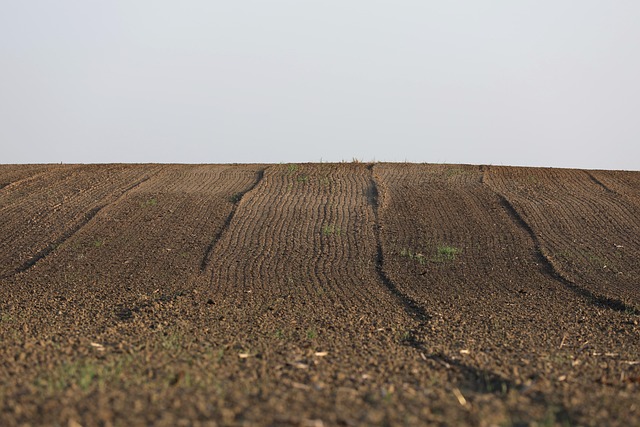
Indigenous soil stewardship taps into centuries of profound ecological wisdom. No matter how complex, these systems aren’t static. They are fluid and dynamic, responding to local conditions such as rainfall and the potential of the soil. Many of those tried-and-true indigenous soil stewardship practices are very much apropos to the modern moment!
|
Technique |
Description |
Modern Relevance |
|---|---|---|
|
Three Sisters Planting |
Corn, beans, and squash are planted together. Corn provides a stalk for beans, beans fix nitrogen, and squash shades the ground to retain moisture and limit weeds. |
A model for polyculture and companion planting that reduces the need for synthetic fertilizers and herbicides. |
|
Terracing |
Building step-like structures on hillsides to slow water runoff, prevent soil erosion, and create flat areas for cultivation. |
Used globally for erosion control in hilly agricultural areas, conserving both soil and water resources. |
|
Biochar/Terra Preta |
Amending soil with charcoal created from organic waste. This improves water retention, nutrient availability, and carbon sequestration. |
A growing practice in regenerative agriculture to build long-term soil carbon and boost fertility. |
Ancestral Wisdom
Indigenous soil stewardship practices enrich the earth with a holistic mindset that treats soil as a living organism. Old school crop rotation and companion planting, such as the Three Sisters, make plants symbiotic. This method naturally adds soil nutrients like nitrogen and breaks pest and disease cycles without chemical inputs.
Such systems, founded upon local knowledge where elders and communities identified and categorized soil types according to specific characteristics, facilitated specificity in land management. It’s about indigenous soil stewardship—the preservation of soil biodiversity—the rich web of microorganisms, fungi, and insects that are the key to nutrient cycling and soil structure.
By promoting this subterranean community, the soil’s vitality and longevity increase as well. We can learn from this stewardship as these methods encourage a closed loop system where outputs in one process serve as inputs in another, encouraging sustainability in the long term.
Modern Application
About Indigenous Soil Stewardship, it means combining the ancient knowledge of terracing and biochar with innovations like precision irrigation or next generation soil testing. Integrating these strategies empowers you to practice mindful soil stewardship that is effective and environmentally responsible.
For instance, they could employ satellite imagery to pinpoint zones of low fertility and then implement their ancestral composting or cover crops in just those areas. This mix honors and employs the deep, place-based knowledge found in ancestral wisdom alongside the tools of modern science to scale these practices.
The outcome is a system that improves soil health, increases crop productivity, and generates resilience to environmental stressors such as drought and soil erosion.
Your Farm’s Fertility Plan
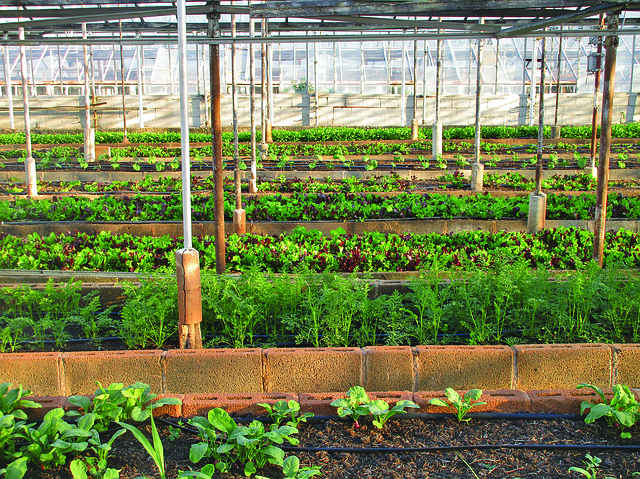
Creating a customized fertility plan for your farm is an iterative process of testing, observation, and adjustment. This strategy transcends guesswork, enabling you to construct a plan grounded in your farm’s unique reality. By knowing what your soil has and what it needs, you can select the appropriate practices to nurture its health and productivity in the long term.
Conduct Soil Tests
Begin by taking a soil test every three to five years. Sample by mixing soil from 10 to 15 different locations across a field in a zig-zag pattern. Dig down about 6 to 8 inches for each subsample and combine them in a clean bucket. Your local extension office can furnish kits and lab suggestions for analysis.
These tests will provide you with crucial information including your soil pH, organic matter content, and the levels of important nutrients such as nitrogen, phosphorus, and potassium. The key is to understand these results. For instance, a pH of 6.0 to 6.7 increases the availability of nutrients such as calcium, iron, and zinc.
The report will include specific lime or fertilizer application recommendations, so you’re adding only what the crops need to thrive.
Observe Your Land
Outside of lab tests, your soil provides continuous information. Notice your plants’ growth. Stunted growth or yellowing leaves can signal specific nutrient deficiencies that a soil test won’t capture in real-time.
Weeds, in addition to being nuisances, can be telltales as well. Some point to bad conditions, whereas others, such as chicory or lamb’s quarters, flourish in fertile ground.
Check the soil itself. Your soil structure should be crumbly, not compacted. Test to see how fast water soaks in after a rain. Slow infiltration can be an indicator of compaction problems.
Dig around to check the amount of organism activity. Earthworms, for instance, are a good indication.
Compare Practices
Test various fertility methods on your farm. You could conduct a micro-experiment, treating a plot with all-purpose fertilizer and another with cover crops.
Contrast crop yields across these regions. Monitor shifts in soil health markers throughout the season.
For certain farmers, cover crops can boost yields and reduce pest issues. Depending on what you observe, you can modify your plan.
If a particular crop behaves well with a certain nutrient mix, then tailor your fertilizer recipes for the next season.
Conclusion
Building healthy soil is a long play. It’s not a quick fix. You witnessed the various methods. You can enrich with compost. You can control nutrients more effectively. You can go as far as to use ancient soil amending methods. Every farm or garden is different, so your plan will be as well. The thing is, it’s hard to get started. Small steps where each step counts toward a big change in your soil’s health over time.
Choose one technique from your plan and experiment with it this season.
Frequently Asked Questions
How can I improve my soil’s water retention in a dry climate like Los Angeles?
Amending with organic matter such as compost is your best option. It is like a sponge, assisting your soil in retaining that precious water longer. Covering your soil with a thick mulch significantly cuts down evaporation under the California sun.
What’s the best way to fix the heavy clay soil common in Southern California?
Incorporate lots of compost. This agitates the heavy clay, enhancing the drainage capacity of the soil and oxygenating the roots of the plants. Regular additions of organic matter over time are the secret to turning heavy clay into the most divine soil.
I have a small patio garden in LA. What’s the easiest fertility fix?
Worm composting, called vermicomposting, is ideal for small spaces. It’s an easy, odourless method to transform your kitchen waste into highly nutrient dense castings that will improve your container plants. It’s an efficient, space-saving solution.
How often should I test my soil in Los Angeles?
For a home garden, a soil test every two to three years is typically sufficient. This aids you in knowing what exact nutrients your soil may be lacking so you can amend it accordingly without over fertilizing.
Can I just use native plants to avoid dealing with soil improvement?
Native California plants are naturally adapted to our native soils. They still enjoy a good soil structure. A little compost goes a long way, improving water retention and helping your new native plants establish themselves with ease.