

Here are the top saucepan storage ideas: hanging racks, drawer dividers, cabinet pull-outs, to keep your mom’s kitchen organized.
These ideas fare pretty well in many L.A. Homes, from cramped apartment kitchens with minimal cabinet space to grander open-plan spaces.
Utilize wall space with a pegboard, or add a tiered shelf inside a deep cupboard to make pots easy to locate.
This guide will show you practical ways to arrange your saucepans for a more functional kitchen space.
Smart Saucepan Storage Ideas
Thoughtful storage solutions, such as a pot lid organizer or a vertical rack, help your cookware last and function well every day. With the proper technique, you can save room, organize your kitchen, and keep your pans handy, complementing your particular kitchen layout and dimensions.
1. Vertical Stacking
Stacking saucepans of a similar size is a traditional cabinet-space saving hack. It’s an uncomplicated and efficient storage solution for the majority of kitchens.
To avoid scratches and other cosmetic damage, insert pan protectors between each saucepan. Storing the wrong way dulls the polish and burns down the finish over time, so this little step protects your cookware.
For maximum convenience, arrange the stacked pans in size order, with the largest on the bottom and the smallest on top. A vertical pan organizer rack uses all that great height inside a cabinet to store your pans on their side, rather than stacking them.
2. Horizontal Sliding
To really get at every saucepan, including ones sitting at the back, install horizontal sliding drawers or shelves inside your base cabinets. This is great for the everyday user who appreciates not having to unstack pans to access the one you need.
Most love this sneak-a-saucepan-in-there storage since its clean line, no clutter look is just what the kitchen doctor ordered. Drawer dividers keep your pans safe. They keep saucepans from sliding and scratching one another as you open and close the drawer.
For slim cabinets, a pull-out pan organizer provides a custom fit. You can increase your space savings even more by storing lids in a separate organizer, either in the same drawer or elsewhere.
3. Corner Access
Corner cabinets can be really deep and difficult to utilize. With the right hardware, they’re perfect for smart saucepan storage. A lazy susan is a common go-to so you can spin shelves to pull items from the back to the front.
Tiered organizers or custom corner shelves help capitalize on the vertical space inside these cabinets. For complete access, a corner cabinet pull-out system pulls the entire cabinet contents out into the open and is very convenient.
That way you can store the less frequently used cookware in back while keeping it still accessible when needed.
4. Deep Drawer Division
Some deep drawers are an ideal place to house your saucepans when conveniently set up with dividers to create individual pockets. This maintains your collection’s tidiness and prevents them from clanging together.
Although adjustable dividers provide the most flexibility and allow you to tailor the drawer arrangement to your specific pots and pans. For an even neater arrangement, a deep drawer pan organizer rack keeps saucepans upright.
This makes them easy to spot and snatch. One of the most popular locations in our survey is a deep drawer in an island, which puts your pots and pans right in the middle of the cooking action. You can finish off the system by storing lids vertically in a lid organizer in the same drawer.
Displaying Your Cookware
Making a statement out of your cookware collection is an easy way to both store and stylize. The trick is to find display solutions that are practical and attractive, keeping your everyday saucepans at arm’s length. Either way, the proper way will suit the aesthetic of your pans, be it smooth stainless steel, worn copper, or vibrantly enameled cast iron.
For others, showcasing cookware finds from trips functions as a means of keeping treasured memories top of mind.
Wall-Mounted Racks
Wall-mounted pot racks have long been a solution for keeping saucepans on display and within reach. Installing a rack on an open wall frees up precious cabinet space whereas positioning your cookware right where you need it.
Depending on your kitchen’s style, opt for a matte black metal rack for an industrial vibe or a warm wooden one for a more rustic feel. Just don’t forget to use S-hooks to hang saucepans. It’s a snap to grab them and put them away.
The key is to be sure your rack is mounted tightly. Be sure to secure it to wall studs to handle the aggregated weight of your cookware stash. If you can’t find studs, use heavy-duty wall anchors suited to your wall style.
Ceiling Pot Racks
If you’re short on wall space in the kitchen and have tall ceilings, a ceiling pot rack is your best storage solution. Suspending your cookware from the ceiling not only frees up valuable counter space but also adds a dramatic visual centerpiece, especially when positioned above a kitchen island. Using a pans organizer can further enhance accessibility and organization in your kitchen.
It’s a great way to keep cookware very accessible. Make sure the rack’s size is in proportion to your kitchen. A huge, decorative rack can swamp a tiny space, where a minimalist one would appear lost in a spacious, open-concept kitchen.
Safety first, so the rack has to be anchored directly into ceiling joists to support the weight. With various storage options available, you can find the perfect solution to corral your pots and pesky lids effectively.
Pegboard Systems
One of my favorite storage ideas is to install a pegboard on a kitchen wall. It’s an incredibly versatile storage system. Great use of vertical space, you can position saucepans, lids, and utensils in a manner that makes the most sense for your workflow.
You can simply move the hooks and pegs around to customize the layout as your collection evolves. To blend the pegboard into your kitchen’s design, paint it a color that either matches your walls or makes it a bold accent color.
This lets you organize like items together by size or color in a neat, straight line that is both orderly and aesthetically attractive.
Solutions for Small Kitchens
Small kitchens need clever storage to remain livable. The trick is to utilize every inch of space, especially vertically, to help you maintain clear counter and floor surfaces. The best solutions mix good organization with good design, frequently with easy-to-install options that introduce additional storage without additional visual clutter.
With a little creativity regarding unused spaces, you can turn your tiny kitchen into an airy dream.
Over-the-Door
An over-the-door organizer is an easy means of utilizing the frequently neglected pantry or cabinet door. These nifty racks are particularly made to hold saucepan lids. They just hang over the door, with no tools needed.
This makes them perfect for renters or anyone else who is reluctant to drill through their cabinetry. If you choose one, make sure it’s firmly attached and doesn’t swing or rattle when you open or close the door. The proper fit saves both the door and the lids from harm.
To choose the best over-the-door organizer, consider the following:
- Material: Look for sturdy metal or durable plastic that can support the weight of your lids.
- Capacity: Check how many lids the organizer can hold and if the slots accommodate different sizes.
- Door Clearance: Measure the gap between your door and its frame to make certain the hooks will fit without scraping.
- Protection: Opt for models with padded hooks to prevent scratching the door’s surface.
Inside Cabinet Doors
If you’re serious about having a small kitchen, attaching racks or hooks to the inside of cabinet doors is another great way to store your saucepan lids. This way they stay out of sight but are conveniently within reach right where your saucepans hang out.
Go for simple adhesive hooks for a damage-free alternative or screw-in racks for a more permanent and sturdy solution. When selecting hardware, be sure to know the thickness of your cabinet door so you don’t buy screws that are too long and could potentially poke through the other side.
If you choose racks or individual hooks cut to the size of your lids, this will hold them firmly in place so that they don’t fall over when you pull the door open. This plan capitalizes on the interior volume of your cabinets, a vital move in any small kitchen, and minimizes visual clutter.
Under-Shelf Baskets
Slide-on under-shelf baskets generate immediate storage in otherwise wasted space. These wire baskets hook onto your current cabinet shelves, creating an extra level to store lids, small saucepans or other kitchen needs.
They work well for organizing and making items more accessible. Adding storage units beneath shelving is extremely flexible. Just make sure you select baskets that work with the depth and thickness of your shelves to hold tight.
Protecting Your Investment
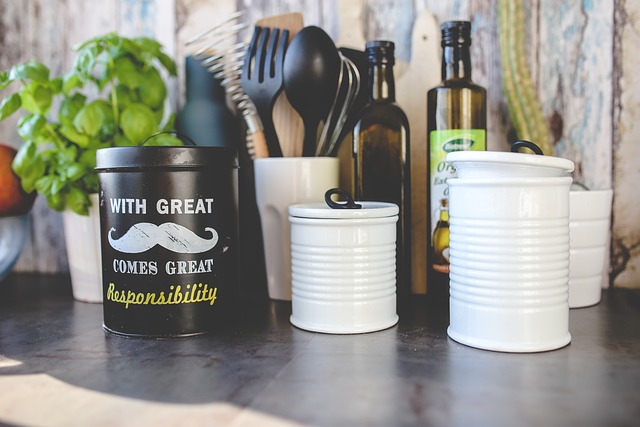
Storing your saucepans is just as important as protecting your investment. If you’re going to invest in some good cookware, it’s only natural that you’ll want to keep it in top shape. How you store it is a big part of avoiding the scratches, dings, and other cosmetic wear and tear that can come with daily use and handling.
Your Investment Liner, Protector and Stack Up: How to protect the finish and life of your saucepans.
|
Protection Method |
Primary Use |
Effectiveness |
Notes |
|---|---|---|---|
|
Liners (Felt, Cork) |
Placed between stacked pans |
High |
Prevents surface-to-surface scratches. |
|
Felt Protectors |
Bottom of pans, inside cabinets |
Moderate-High |
Protects pans and surfaces from scuffs. |
|
Proper Nesting |
Stacking pans by size |
High |
Maximizes space and minimizes contact. |
Using Liners
The easiest way to guard your cookware during stacking is by lining a liner between each saucepan. This hard, physical shield prevents the bottom of one pan from scraping against the inside of another.
You can purchase pre-made liners or make your own out of felt, cork, or even heavy-duty paper towels. These absorbent materials create a soft pillow that absorbs the blow and keeps metal off metal or metal off coating.
To protect them the most, slice the liners so they fit the exact shape and size of your saucepans. A liner that fits properly means that the whole interior surface is covered and nothing is left vulnerable to damage.
Don’t forget to inspect your liners from time to time! Swap them out when they get dirty or worn to keep them clean and effective.
Felt Protectors
Felt protectors are a multipurpose answer for protecting your saucepans and your kitchen surfaces. Mini felt pads on the bottom of your pans will protect your counters, stove, or shelves from scratches when you put them down.
If you’re nesting your cookware, these guards provide a vital buffer layer of padding. Make sure the protectors are secured with a strong adhesive so they don’t move or slip off in use.
These pads can become compressed or frayed with time, losing their protective qualities, so it’s a good idea to replace them at the first sign of wear. You can further protect your investment by adding felt lining to the inner part of your cabinets, adding an additional barrier to accidental scuffs when storing or unloading pans.
Proper Nesting
Nesting — stacking pans inside one another — is the most space-efficient way to store them, but it has to be done carefully to prevent damage. Here, the right approach is to protect your investment.
Place your largest saucepan at the bottom and nest smaller pans on top. This technique balances weight and forms a sturdy pile. Keeping heavier pots and pans on lower shelves is a smart strategy too, as it can reduce any risk of scratches during retrieving.
For non-stick or coated cookware, always put a pan protector or a soft liner between each piece, so the surfaces aren’t rubbing against each other. This easy action is crucial in maintaining the coating’s integrity.
Don’t ever mash pans together if they don’t slide easily. Pressure can warp, chip, or damage rims and handles.
Solving The Lid Predicament
Saucepan lids present a unique storage challenge in many kitchens. Their bulky design and non-standard sizes make it nearly impossible to stack them neatly with their respective pots. Keeping them together often results in wobbly stacks that are a pain to dig through, especially when reaching into a lower cabinet. Removing lids from saucepans is a smart initial move — it not only prevents scratches on nonstick surfaces but also simplifies the process of grabbing the correct pan. This creates some excellent storage solutions for your pot lid organizer.
If cabinet space is limited, utilizing vertical surfaces is a brilliant strategy. Lid racks mounted on the inside of cabinet doors keep pesky lids out of the way while still being close to the pans. These could be simple wire organizers or even adhesive hooks for each lid. Alternatively, a wall-mounted rail system completely frees up cabinet space and showcases your lids beautifully.
I appreciate these storage options as they make use of areas that often go unused. For deeper drawers, a standing lid organizer, reminiscent of a file sorter, can be placed inside or on top of a cabinet shelf. This way, lids remain upright and sorted by size in a handy rack, allowing you to easily see and grab the one you need without hassle.
You might also consider adjustable drawer dividers to create custom-sized slots for each lid, ensuring they stay put and don’t slide around. The best approach truly depends on your kitchen and cooking habits. It’s amazing how something as simple as having a system for your pot lid organizer can enhance the efficiency of your kitchen day.
The Professional Kitchen Approach
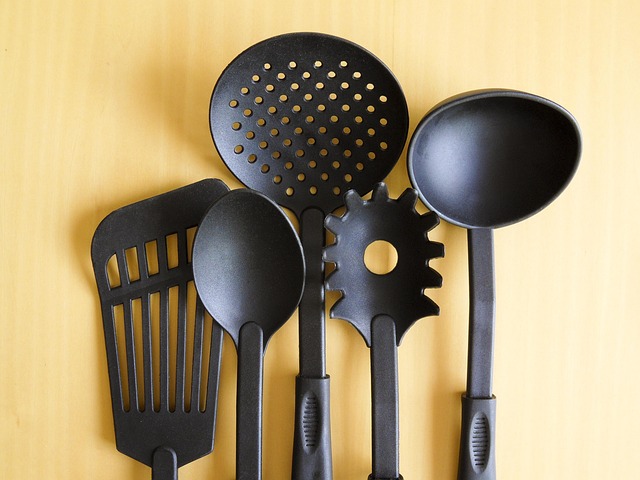
Taking a professional kitchen approach at home focuses on efficiency, organization, and accessibility. It’s about designing a system in which each saucepan has its own particular place, turning your cooking into a breeze. It’s inspired by the professional kitchen concept of ‘mise en place’ – everything in its place. Knowing where every pan is, you waste less time digging around and more time cooking, thanks to effective storage solutions like pot and pans organizers.
The underlying objective is to organize your kitchen around workflow. Consider the route you wander between sink, stove, and fridge, the iconic ‘work triangle’. Keep the saucepans you use most often close to your stove, either in a deep drawer just below or on a hanging pot rack over it. This configuration reduces unnecessary motions and maximizes overhead, with tools within an arm’s reach! A vertical rack or lazy susan can also be great options for maximizing your space.
Functionality informs every decision in a professional kitchen. This usually implies opting for plain, rugged containers rather than ornamental ones. Nothing compares to commercial-grade wall-mounted shelves or heavy-duty hanging racks. They open up precious cabinet real estate and quite literally support the weight of heavy-duty cookware, including a pot lid organizer to corral pesky lids.
These systems allow you to view all your pans at once, making it easy to take what you need. It pushes you to be picky about what you retain. As a general guideline, ditch any saucepans you haven’t used in half a year except if it’s for a certain seasonal recipe. An unstuffed kitchen is a professional kitchen, and using products like the Variera pot lid organizer can help achieve this.
Just as important as setting up this system is maintaining it. Professional kitchens maintain order through upkeep. A monthly reset of your storage options adjusts for new tools or shifts in your cooking habits. This easy habit keeps everything under control in the long run, ensuring your kitchen remains functional and organized.
Besides saving time, a well-organized space helps you waste less food since you actually know where to locate it. By introducing these professional strategies into your home, you craft a more functional and pleasurable kitchen, allowing you to concentrate on the art of cooking rather than on battling mess.
Conclusion
Saucepan storage ideas. Either hang them from a pot rack for that professional look or use a cabinet organizer to slide them out of sight. Even tiny kitchens have fantastic choices, such as wall-mounted rails or deep drawer dividers. The ideal or even the best option really depends on your space and cooking style. It’s about making your kitchen work for you, not against you.
What’s your go-to saucepan storage solution? Leave a comment and tell us your favorite storage trick.
Frequently Asked Questions
What’s the best way to store saucepans in a small kitchen?
In smaller kitchens, such as many in LA, utilizing vertical space is essential. A wall-mounted rail with S-hooks or a rugged ceiling rack can liberate limited cabinet space. Additionally, a tiered pans organizer inside a cabinet helps to corral pots and organize pesky lids efficiently.
How can I store my pans without scratching them?
To preserve your cookware’s finish, I always layer a pan protector or even just a paper towel between each nesting pan. This keeps the non-stick or coated surfaces from becoming scratched. We found that using a vertical rack, like a pot and pans organizer, works great.
Is hanging pots from the ceiling a good idea, especially here in LA?
Hanging pots are a fashionable space-saver and an ideal storage solution for kitchens. Here in California, we need to ensure the rack is anchored into ceiling joists, not just drywall, to safely corral pots and pans.
What’s the best solution for organizing all the lids?
I’ve found the most success with a dedicated pot lid organizer. There are options that mount on the inside of a cabinet door or lazy susan racks that rest on a shelf, keeping pesky lids accessible and preventing that annoying tangle.
How do I make the most of a deep kitchen cabinet for pan storage?
Your deep cabinets are made for a pull-out cabinet organizer – a game-changer! With the ideal pots and pans organizer, these sliding shelves bring it all to you, allowing you to see every pot and easily grab it without having to unstack the whole pile, making kitchen storage solutions more efficient.
What do professional kitchens do for pan storage?
In professional kitchens, it’s all about access and speed from my experience. They frequently use open stainless steel shelving or heavy-duty overhead racks, which serve as ideal storage solutions. This means that chefs can quickly grab the exact pan they require without having to open any doors or move pesky lids.