

A fire evacuation plan is a step-by-step map that guides every individual in an LA residence or workplace to make it out of the closest exit and dial 911 in less than two minutes of a smoke alarm.
It documents two exits from every room, a sidewalk gathering point 50 ft from the structure, and an annual drill date linked to California’s October “ShakeOut” quake and fire exercise.
The remainder of this post explains how to create, display, and test that plan for actual L.A. Dangers.
Assess Your Unique Fire Risks
Begin by conducting a walk-through that inventories every heat source, chemical, and combustible material in and around your structure. Remember the water heater pilot light, the lint pile behind the dryer, the half-can of paint thinner on the garage shelf, and the wicker porch chairs.
Plot each on a floor plan, then label them wildfire, cooking, electrical, or heating. Rate the tags high, medium, or low so the dryer lint (high) gets cleaned this weekend and the wicker (low) hangs on until fall. Snap phone photos of each location. The shots serve as a before-and-after record for you and as evidence for insurers that you mitigated the hazard.
Wildfire Zones
Circle the 0–5-foot ‘ignition zone’ around your house to check for dry leaves, pine needles, wood piles. A tape measure and ten minutes are all you need. Look up city fire department online maps that display historic wildfire spread direction near your street.
If the last three fires moved east to west, plan exit routes that head north or south. Track wind patterns every season. Santa Anas in October can drive a flame a mile in 15 minutes, so get phone alerts for red-flag days. Trim your trees annually so branches end 10 feet away from roofs and electricity lines. A $250 trim is much better than a $50,000 re-roof.
Urban Dwellings
Consider your specific fire hazards. How many apartments funnel into a hallway? A 36-inch width permits two people to pass, but a 24-inch width clogs quickly when smoke drifts in. Test the building’s interior fire alarm system by pressing the test button on your floor panel.
If you can’t hear it inside your bedroom with the door shut, e-mail management. Designate main and alternate exits on every side of the structure. Stairs at the north and south ends are better than one central stairwell when one side fills with smoke.
They should ask landlords for the evacuation floor plan that should be posted in colored rooms and restrooms. If you find the sheet missing or faded, request a new one under city code 57.13.
Special Needs
Record everyone with mobility issues, hearing loss, or service animals in your plan. Write names and apartment numbers on one sheet taped inside the front closet door. Keep spare wheelchairs, hearing aids, and first aid kits against an outside wall exit, not in an interior bedroom where fire heat accumulates first.
Designate two “evacuation buddies” for each special-needs occupant for around-the-clock coverage. Exchange numbers and establish a group text chain that opens with the word “OUT.” Mark necessary special equipment with bright red tags so firefighters find them quickly.
A $3 luggage tag can save a $3,000 electric wheelchair.
Create Your Fire Evacuation Plan

Start with a one-page floor plan for your emergency evacuation procedures: include two red arrows from every room, label the stairs, and mark a yellow star 150 ft away as the assembly area for head counts. Design your fire evacuation plan and insert six-month calendar pings now—the ink dries faster than you think!
Map Two Exits
Test each bedroom window—minimum clear width 20 in—then slip a tape beneath the sash. If a second-story sill is 12 ft up, attach a chain ladder to the stud. Rehearse at dusk when eyes are weary so muscle memory functions in smoke.
Mark main doors red and windows blue on the plan, and tack it inside the closet where the kids can spot it as they snatch shoes. Keep hallways free of shoe racks. A 32-in path enables a wheelchair to turn without bumping drywall.
Designate Roles
Designate one fire warden per floor, typically the last one out of the copy room, and provide them a neon clipboard with occupant names. A backup warden comes in if the first is at lunch.
I scribble both cell numbers on the roster taped above the water cooler. The gas shut-off buddy stores a crescent wrench in a zip tie by the meter. One twist halts flow in fifteen seconds.
Plan Communications
Print a wallet card with 911, your building address and two family out-of-state contacts, slip one behind every work badge. Make a group text called ‘Fire Evac’ and ping it during drills.
Mute threads except this so alerts slice through. We test the horn-strobe panel on first Tuesday. If it chirps weak, replace the 9-volt before payroll day is done!
Assemble Go-Bags
Each backpack per person hangs on the coat hook — not in storage. Pack: ½-liter water bottle, N95 dust mask, LED flashlight, spare house key, and a folded copy of the floor plan.
For dogs include a leash and two vacuum-sealed cups of kibble. For cats hide a soft carrier under the entry bench. Change batteries and water every equinox, stick blue painter’s tape with the date so no one suspects.
Include All Members
Walk new roommates through exits in 5 minutes. Point to green ‘You Are Here’ dots next to elevator landings. Traduce ‘use stairs, no elevator’ al español o ASL, etc.
Imprima QR’s que reproduzcan un video corto. Conduct unannounced drills where you wedge a chair behind the front door so the entire family automatically pivots to Window B and hangs the ladder cool and collected.
Prepare Your Home Defenses
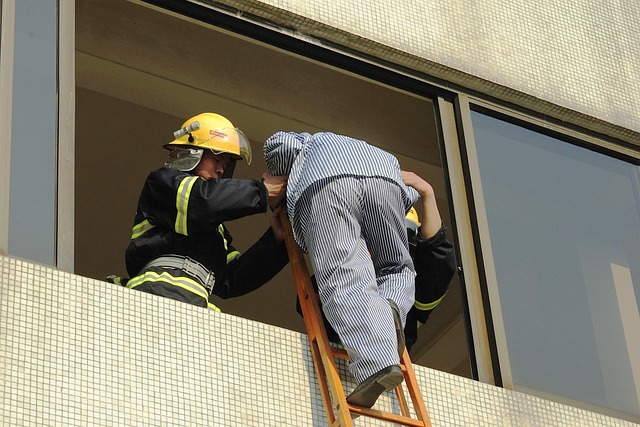
A fire-ready house facilitates immediate evacuation for individuals and provides a safe exit during emergencies, reducing flame impingement and ember intrusion.
Defensible Space
Cut grass to 4 inches, yanked dead shrubs and rolled up that woven wood mat touching the siding. Rake leaves and needles out of gutters every fall. A single gutter torch can shower the porch in molten pine needles.
| Task | Season | Tool | Cost |
|---|---|---|---|
| Mow dry grass | May & Sept | Lawn mower | $0 (gas) |
| Clean roof/gutter | Oct | Leaf blower + ladder | $0 |
| Move propane tank | Once | Hand truck | $0 |
| Snap before/after pics | After each job | Phone | $0 |
Pull the propane grill and lawn mower into a metal shed 30 feet away from the wall. Both tanks explode like beer cans on a bonfire if the heat reaches them. Snap two quick pictures—one cluttered, one organized—and send them to your agent. Most insurers discount 5–10% off premiums when they view evidence.
Home Hardening
Replace cedar shakes with Class-A asphalt shingles or corrugated metal. Next weekend, screw fiber-cement panels over old wood siding. It runs about $2/sq. Ft. At big-box stores and requires only a circular saw.
Spray beads of outdoor caulk under the deck rim and along any 1/4-inch gap. Embers slither in those slots like mice. Trade in your single-pane windows for double-paned tempered glass. They provide an extra ten minutes before they shatter, time enough for crews to get there.
Internal Safeguards
Place a smoke alarm in each bedroom, hallway, and floor. Test the button monthly and replace batteries when you spring clocks forward. Have a 5-lb ABC extinguisher no further than 30′ from the stove and another by the garage door.
Test the gauge every New Year’s Day. If the needle falls just outside green, take it by the fire station. They’ll mark it with a $15 refill. Stash flashlights and a small first-aid kit in each bath cabinet so no one blindly gropes through smoke for bandages.
Space heaters require three feet of open floor space, no drapes, and no laundry pile. Plywood sheets, half-inch thick, reside in the shed. If a red-flag warning strikes, screw them down over attic vents and basement windows to shield from wind-driven embers.
The Evacuation Decision

Fire spreads quicker than you assume, especially during emergencies like wildfires. In L.A. County, embers can leap the 405 before traffic is cleared, making it crucial to have an emergency action plan in place. Research indicates that a mere ten-minute delay can transform a peaceful commute into a smoggy crawl, emphasizing the importance of knowing your evacuation routes.
Evacuation Orders
The county uses two short lines: “evacuation warning” means pack, “evacuation order” means go. Print your zone—LA-EA123 or whatever—on an index card and tape it above the fruit bowl. When @LACoFD tweets that zone, you evac.
Last year in Altadena, families with the number ready pulled out six minutes sooner, and six minutes is the difference between clean air and zero vis. Key in the forestry desk 747-322-6643 into every phone. Landlines still work when towers burn.
Run the five-minute drill on a random Tuesday: leash the dog, grab the list, close the door. If you outrun the siren, the plan works.
Personal Triggers
Choose two indicators that signify ‘now,’ not ‘perhaps later.’ Ash falling like snow and an electrical line on the sidewalk do for most foothill streets. Jot them down on a neon sticky and slap it next to the deadbolt so the babysitter views it.
Winds change direction once the new roofs are up. Check your list every June and after any major construction. Tuck a flyer under the neighbor’s doormat. If half the block evacuates at once, they keep the road clear for all.
Power Shutoffs
When SCE fires off a PSPS alert, the garage door will involuntarily freeze open and the phone will croak next. Energize up two bricks overnight and throw a $20 solar panel on the porch.
Print two paper maps: one exits north using the 5, the other south to the 10. GPS glitches near burning towers. Tape a flashlight under the hall table – kids get to that quicker than the top shelf.
Fill the tub at initial text so toilets flush when pumps stop. A tub filled to the brim is a great way to cool an anxious dog in a hot car.
Execute During an Evacuation
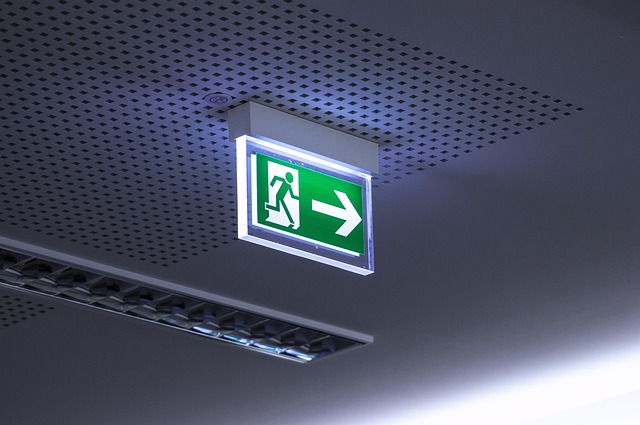
Snatch the go-bags, close each and every door, and keep lights on to ensure safety during an emergency. Doors slow fires, and lights guide crews around rooms to skip. Valuables remain—cross off the box on the fridge list after you get to the curb.
Last-Minute Actions
Turn the valve on your gas a quarter turn so the meter dial stops spinning. A spark can flatten a house. Wheel the propane grill and lawn sprays into the center of the garage, far from ignitable siding.
DURING AN EVACUATION: Swing open the gate and pull the trash cans. Trucks are wider than your SUV! A 30-second phone pic of the shutoff valves saves hours later when utility crews ask what you touched.
Travel Routes
Take it on an evacuation – drive out peace, lights on, windows in. Ash rains like snow, AC on recirc keeps lungs clear. Follow posted evacuation roads despite your GPS yells. Those streets stay open since crews protect them.
Pre-fire season, time two escapes at 5pm. Record the minutes on the paper map taped in the glove box. Run during an evacuation – keep your tank over half. Electrical outages kill pumps faster than a match.
Text your out-of-town contact the route name. This helps keep local towers clear.
Shelter-in-Place
Pick the guest bath: one door, no window, pipes full of water. Tape over the vent and stuff the gap with a wet towel, smoke rises, crouch low. Throw in an evacuation, keep a battery radio on AM 1610.
When the robo-voice says “all clear,” wait five more minutes since walls stay hot. If flames snake under the door, yank that extinguisher pin and aim at the base.
Otherwise, hunker down and wave a bright cloth out the window so crews can find you inside.
After the Fire Passes
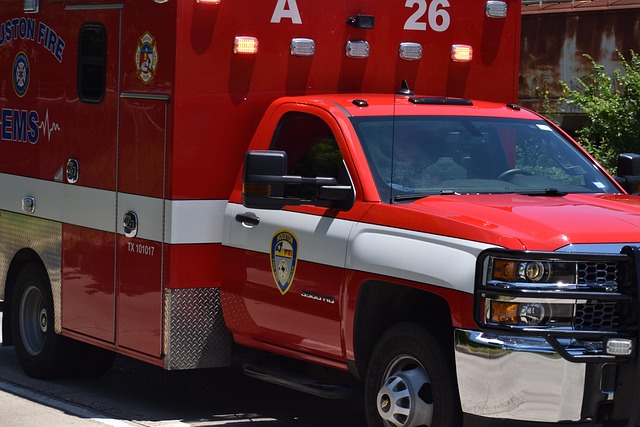
Ash drifts like gray snow, pipes ooze melted plastic, and the tap water may carry flame-retardant chemicals. Although flames never touched your block, smoke can ride the jet stream and sting eyes two states away. Stay away until the fire department website flashes your street’s color on its zone map.
Drive up with a license that shows the same address on the mailbox. Deputies wave matching ID past the roadblock. Print or screenshot the clearance pass. Contractors and claims reps ask for it later.
Official Clearance
Bring the paper version. Cell service is sketchy on blackened hills. Escorts keep the line moving and will stop you if a stump re-burns. Keep windows closed during downtime.
Embers can pop in vents.
Safety Assessment
Before entering, stand off and observe. Record each scorch mark, gutter melt, or slab crack.
| Area | What You See | Do Next |
|---|---|---|
| Roof | Charred shingles or gaps | Snap pics, call roofer, tarp if rain forecast |
| Gas Line | Rotten-egg smell or hissing | Shut valve at meter, dial 911 and SoCalGas |
| Water | Gray grit or chemical odor | Stop use, call LADWP hotline for test kit |
| Yard | White ash piles | Wet down, wear N95, bag when cool |
Wire drooping like cooked spaghetti, keep 10 feet back and turn off main breaker with dry panel only. Time-stamp each photo. Insurers, for example, sort files by date.
Emotional Recovery
One week after you resettle, choose a quiet evening to talk it through. Ask each person what step felt shaky: maybe the dog refused to crate or the exit gate jammed.
Write fixes on a new sheet and tape it inside the go-bag. Substitute this little toddler’s lost plush tonight. Target on Ventura Blvd is open until ten.
If sleep remains hard, dial 211. LA County dispatches free crisis teams to school gyms and libraries. Close the talk on one small victory: everyone got out, pictures are safe, and the plan is stronger now.
Conclusion
You now have a clear map: know your risks, draw the exit lines, set the house defenses, call the go-no-go, move fast, then check back in. That paper stack on the fridge can save your dog, your kid, and your photo box. Choose one task each weekend. Complete it, scratch it off, crack open a cold one. By fall you will sleep deep as the hills burn since you already packed the go-bags and shared the meet-up spot.
Begin this evening. Print it, walk the route, and text the group chat.
Frequently Asked Questions
What’s the first thing I should grab if LA Fire orders an evacuation?
That’s your go-bag for emergencies. It’s got meds, ID, money, and N-95 masks for immediate evacuation.
How do I know if my LA neighborhood is under evacuation?
Stay informed with alerts from @LAFD, tune in to AM 640 KFI, and view the emergency evacuation procedures on ZoneReady.org map. Make one now, not when the smoke is here.
Can I bring my pets to LA evacuation shelters?
Yes, city shelters accept pets during emergencies. Bring shot records, a leash, and a crate. Here’s the latest: hotels on the 101 corridor are waiving pet fees on red-flag days.
How soon should I clear brush around my LA hillside home?
A 60-foot circle around buildings should be maintained, ensuring green space for crews to respond to emergencies like wildfires.
Will my earthquake kit work for fire evacuations?
Mostly. Throw in N-95s, goggles, and wool blankets for embers during emergencies. Trade chow for protein bars since heat can ruin normal quake nibbles, ensuring safety.
Who updates fire road closures around LA?
Caltrans and CHP post live closures on QuickMap.dot.ca.gov. Trusting GPS during emergencies might lead you into the danger of fires.