

Roof leak repair cost estimates usually fall between $150 and $1,500 in the U.S., with a median close to $450.
Small shingle patches tend to be between $150 and $400, flashing repairs $200 to $600, and skylight reseals about $200 to $500.
Costs rise with steep pitch, two-story access or emergency tarping.
Material is important. Asphalt remains lower, tile and metal on the higher side.
A cost estimate by leak type, roof material, labor and timing.
Understanding Roof Leak Repair Cost Estimates
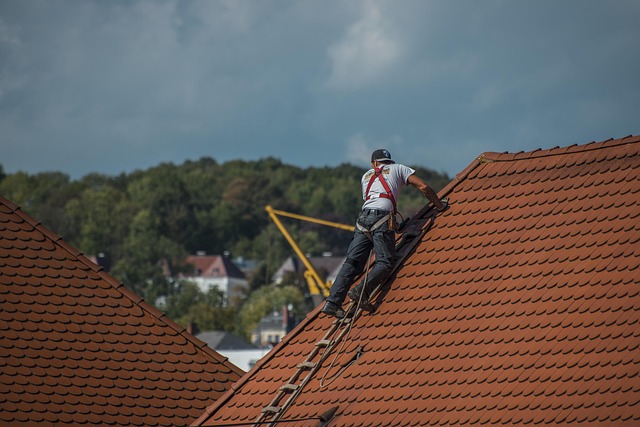
Roof leak repair cost estimates depend on factors such as the scope, access, roof pitch, and roofing materials used. Repairs typically average between $150 and $2,000, but can escalate to over $6,000 if water damage spreads or multiple systems fail. Early detection of roof leaks keeps overall repair costs low, while delays can lead to major roof repairs or even a full roof replacement.
Minor: $150–$1,000 for small leaks that need limited labor and materials. Smaller repairs usually range from $150 to $400.
Moderate: $1,000–$3,000 when leaks are larger, layers are affected, or access is tough.
Major: $3,000–$6,000+ for structural repairs, widespread wet insulation, or large-area replacement. Emergency calls and concealed water damage escalates totals quick.
1. Minor Repairs
Small leaks typically cost $150 to $1,000. Small shingle replacement or sealing tends to fall in the $100 to $300 range, particularly on asphalt shingles where parts and labor are less.
Common work consists of exchanging a handful of shingles, resealing nail holes, patching tiny flashing gaps or resetting a boot around a vent. These are easy shots with defined scopes.
Most small jobs complete in under a day. Repair small leaks immediately to prevent saturated underlayment, ceiling stains, and escalating costs.
2. Moderate Repairs
Moderate repairs cost $1,000 to $3,000 and typically involve addressing bigger, stubborn leaks, replacing compromised underlayment, fixing roof valleys, and small shingle or tile areas.
The crews can follow leak routes, lift courses, install new flashing kits and dry out or replace sodden insulation. Labor and materials drive costs here, particularly on steep roofs that require additional safety time, and on metal, tile, or slate, which are more expensive than asphalt (asphalt repairs typically run $150 to $600).
If estimates are over $1,000, it’s usually because of tough access, hidden damage discovered in diagnostics, or an aging roof—hinting that a replacement may be looming.
3. Major Repairs
Major repairs start around $3,000 and can exceed $6,000 when decking, trusses or insulation are damaged.
Scope can consist of structural repairs, large-area shingles or tile replacement, ridge-to-eave tear-outs, and water damage restoration inside of the attic and ceilings.
Inspection and diagnostic work are important in this context, as moisture mapping and opening test areas assist in locating saturated layers that would continue to leak. Postponement increases the likelihood of a complete roof replacement.
4. Valley Leaks
Roof valley repairs tend to range from $300 to $1,500 when resealing, clearing debris or replacing short runs of flashing or shingles.
Deep valley rebuilds, rotten decking, or structural tie-ins can top $6,000. Valleys are common leak points as they concentrate water and collect leaves, grit, and ice.
Plan for regular inspections and timely repairs to minimize penetration into underlayment and drywall.
5. Emergency Calls
Emergency service generally tacks on $200 to $300 for the urgency to dispatch and mobilize a crew. Tarp installs typically cost $1.00 to $2.80 per square foot, depending on access and pitch.
Save emergency calls for active leaks during storms, hail or after hours. In areas with rapid weather shifts, budget a line item for emergency work — to cap damage.
Key Factors Influencing Price
Prices for roof repair costs depend on volume, frequency, schedule, and the roof’s construction.
Roof size and pitch: More square footage and steeper slopes add labor hours, safety gear, and setup time. Intricate designs with hips, valleys, skylights and chimneys add detail work.
Material: Asphalt shingles are usually the least costly. Metal, tile and slate drive repair and matching prices up.
Damage type and severity: A single shingle patch costs far less than leaks tied to rusted flashing, rotted decking, or saturated insulation.
Age and condition: Older roofs, recurring leaks, and brittle materials take longer to repair and may need partial rebuilds.
Access: Multi-story homes, tight lot lines, and hard-to-reach valleys or chimney bases require extra crew and equipment.
Labor rates: In many U.S. metros (including Los Angeles), labor can be 60%+ of the bill; emergency calls are more expensive.
Season and urgency: Peak season and same-day fixes raise pricing due to demand.
Hidden issues: Mold remediation, wet drywall, and attic cleanup add line items.
Warranty and insurance: Manufacturer or labor warranties may limit your out-of-pocket. Insurance claim approvals, deductibles and scope reviews determine the final number.
Roof Material
Average repair costs by material differ because of per-piece price, labor expertise and the difficulty matching the look on an older roof.
Roofing Material | Typical Repair Cost Range |
|---|---|
Asphalt Shingle | $300–$700 |
Wood Shake/Shingle | $450–$1,200 |
Flat (EPDM/TPO/PVC) | $350–$900 |
Metal (Steel/Aluminum) | $500–$1,500 |
Tile (Clay/Concrete) | $600–$2,000 |
Slate | $700–$2,500+ |
Luxury alternatives such as tile and slate inflate both repair and replacement due to the fact that they are dense, delicate and time-consuming to install. In LA, finding tiles with the exact profiles or weathered slate can make it take longer and cost more.
If you’re building a budget, make a table like the above to compare materials side by side.
Leak Severity
Singular sources of damage, like a couple of shingles or a crack in the flashing, are usually fast, less expensive repairs. Large leaks that doused the deck, fascia or insulation contribute tear-off, drying and rebuilding time, along with possible mold remediation.
Multiple leaks equal much more set-up, much more materials and much more man-hours. The longer a leak runs, the more it spreads, so regular roof inspections following heavy rains or Santa Ana wind events in Southern California, for example, catch issues early and keep costs down.
Roof Access
Steep roofs, tall homes, and broken-up rooflines not only slow crews, they raise safety requirements, which raises labor cost and duration.
Leaks around chimneys, skylights or valleys tend to require staging, fall protection and custom flashing – so factor in additional time in the quote.
Labor Rates
Labor commonly accounts for 60 percent or more of the total cost of a repair. Common roofer rates are $40–$100 per hour, steeper in coastal metros and for complicated scopes.
Emergency or after-hours work goes at a premium. Check hourly rates, crew size, and projected hours when comparing bids — not just the bottom line.
Decoding Your Repair Quote
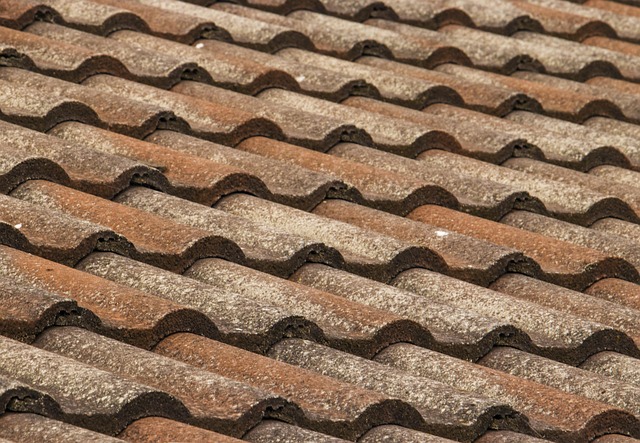
Materials include shingles, underlayment, flashing, sealants, fasteners, vents, and any decking replaced. Labor represents crew time, site setup and safety. Additional services such as clean up and disposal can tip the total higher than you anticipate.
Prices fluctuate with roof material, size, pitch, accessibility, and regional labor rates. Season counts, too — winter repair can cost almost twice as much as mild weather work.
Pricing Models
Contractors quote jobs in some typical ways. Flat rate applies to a specific repair, such as patching a pipe boot or swapping out some shingles.
Per-square-foot pricing, on the other hand, works well for bigger patches where the surface is bare. Time-and-materials hourly plus parts charges.
Others conglomerate when you OK several repairs at a time, such as swapping out multiple pipe boots and flashing resealing in one service call. Bundles can reduce the per-item cost.
Emergency or after-hours calls are typically at a premium. Add $100-$300+ for emergency leaks, in addition to base pricing. Inquire if winter prices vary.
Request a written breakdown: pricing model, crew rate, square-foot rate, materials list with unit prices, and any trip or minimum service fees.
Material Quality
Premium materials increase initial price but may prevent recurrent leaks. For instance, architectural asphalt shingles and high-temp ice-and-water shield, as well as metal step flashing and stainless fasteners that outlive budget choices.
Using manufacturer-approved products keeps any roof warranty intact. Inexpensive mastics or off-brand underlayment might save for the moment, but they crack, slip, or fail prematurely, leading to another service call.
Use the time to compare brands, thickness, wind and impact ratings and expected life — not just price. When an inspection indicates greater than 20% damage across the roof, a full replacement is often smarter than patchwork repairs, as patch costs quickly pile up with minimal long-term value.
Hidden Costs
Watch for disposal and cleanup fees, which most quotes have but some mark as additional line items. For home work, permits may be around $70 to $250.
Depending on whether it’s visual, drone, or infrared, a roof inspection can run anywhere from $75 to $600. If crews find rotten decking, bad flashing, or soaked insulation, that final bill goes up.
There’s emergency surcharges for after-hours fixes. Winter weather can impose additional time and safety measures. The type of repair matters: a small shingle swap is not the same as fixing a sagging deck or chimney cricket.
Request a complete menu of possible add-ons, contingency maximums, and how price adjustments are handled prior to starting.
Warranty Terms
Warranties might be for the materials, labor, or both – which frames future costs if a patch doesn’t hold. Manufacturer warranties support the product; contractor warranties support workmanship.
Some manufacturers mandate licensed professionals and authorized parts. Using others voids coverage. Check the length, what’s excluded, the wind and hail limits and whether it’s transferable.
Explain leak tracing, stain remediation and if any repair on an older roof prorates after year 1.
DIY Fix or Professional Hire?
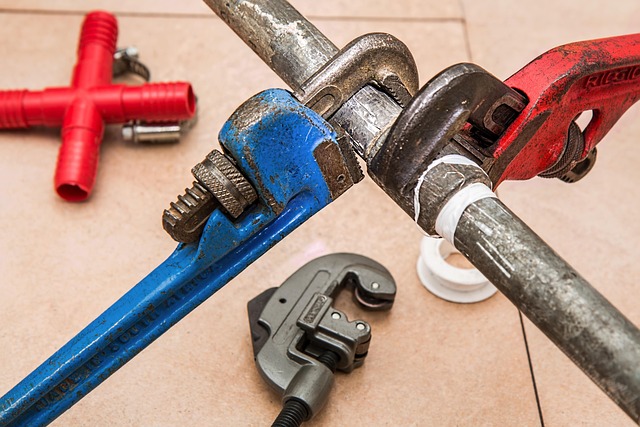
Roof leaks range from minor seal breakdowns to concealed system openings. The decision hinges on risk, scope, and speed. Small leaks are DIY if you have the skills and tools. Complicated leaks, structural problems and anything associated with a warranty tip the scales towards a licensed roofer.
Safety is key–falls and electrocution can send bargain repairs to expensive hospital and other repair bills. Consider warranty regulations, code requirements, and the likelihood of recurring leaks if the initial repair is inaccurate.
When To DIY
For small, simple problems, some tasks fit a capable DIYer:
- Swap a cracked rubber pipe boot or gasket
- Re-seal a small flashing gap with roofing sealant
- Patch a nail pop on an asphalt shingle
- Swap out a few blown-off shingles if decking is sound.
- Clear clogged gutters and downspouts causing overflow leaks
- Seal exposed fasteners on metal panels with the proper sealant.
- Fix a small leak at a skylight curb with manufacturer-recommended tape and sealant.
Take caution: use a stable extension ladder, non-slip shoes and a roof harness if you have to step on the roof. Use product labels and the shingle or membrane manufacturer’s directions.
Stay away from steep-slope or high roofs–pitch and height increase injury potential. Create a checklist: identify leak source from the attic, confirm dry weather, gather proper sealant, replacement parts, and PPE, take photos before and after, and re-check after the next rain.
DIY saves on labor on small leaks, but if you guess at the cause or caulk over symptoms, you can push water underneath layers, rot sheathing and void warranties. Homeowners are also liable for injuries – one slip can cost more than a pro visit.
If the leak comes back or spreads to a valley or soft decking, STOP and call a roofer.
When To Hire
For major roof leaks, it’s crucial to hire a pro, especially when dealing with sagging or wet decking, chimney or valley failures, and repairs on steep roofs. Roof repair costs can escalate quickly if not addressed properly, so professional roofers are essential for diagnosing issues accurately. They utilize advanced tools like moisture meters and thermal cameras to ensure high-quality repairs that meet local codes while preserving warranty coverage.
When it comes to roof leak repairs, it’s important to find a local company that holds a state license and has active insurance. A trustworthy roofing contractor will provide you with a clear estimate that outlines the scope of work, roofing materials, and cleanup procedures. This transparency helps you compare bids effectively and avoid unexpected costs.
While DIY repairs may seem cost-effective, they often lead to misdiagnosis and further roof damage, ultimately inflating overall repair costs. For complex roofing problems, particularly on vintage homes or intricate roof designs, hiring a professional crew is often the most economical choice.
Inquire about the roof repair cost factors that influence pricing, such as the type of roofing materials used and the experience of the crew. A detailed estimate that includes photographs can be invaluable for insurance claims and ensuring quality work.
Ultimately, when faced with roofing issues, consider the long-term implications of your choices. Whether it’s a minor roof repair or a full roof replacement, investing in professional help can save you from costly repairs down the line.
The True Cost of Neglect
Neglecting a roof leak can lead to escalating roof repair costs, increased destruction, and premature aging of the roof.
Escalating repair costs and structural damage
Small fixes typically begin in the $150 to $1,500 range. Complicated repairs can hit $5,000 or more. Let a leak go unaddressed and moisture seeps into underlayment, nails rust and decking can warp.
In a SoCal context, heat and sun on asphalt shingles accelerate cracking, and Santa Ana winds can hoist loose edges, transforming a small puncture into a wide-open rupture. If water gets to rafters or trusses, the fix transitions from roof to structural carpentry, and the post-storm emergency call can total $2,000 or more.
Annual inspections at $150–$300 are a small line item relative to invasive repair work after years of neglect.
Mold, interior damage, and property value hits
Wet insulation loses R‑value, so heating and cooling run longer. In LA, that translates into elevated summer A/C bills as attic heat loads spike due to saturated batts or obstructed vents can’t ventilate.
It’s mold on your attic sheathing and your drywall, inviting odor, staining and potential health issues. Redundant drip can discolor ceilings, warp hardwood floors and door frames.
Skylight or chimney flashing leaks appear as brown rings buyers observe on walkthroughs and appraisers factor into their pricing. Insurers can reject claims if maintenance was neglected, which only adds to the out-of-pocket expense.
From small leak to full replacement
Perhaps the most obvious and immediate cost of neglecting maintenance is a truncated roof lifespan. A neglected roof might have to be replaced years earlier than one that’s properly maintained.
In reality, that translates to a 30‑year shingle roof subjected to El Niño deluges and extended droughts needing a complete tear‑off in the low 20s rather than making it to its rated lifespan. Once decking is soaked, ventilation is insufficient and mold or moisture has migrated, patching is worthless.
Then replacement is the only safe solution. That leap from a couple hundred dollars to a 5-figure project often leads back to missed inspections and tiny drips unchecked.
Act fast to protect home and budget
Maintenance of the sort sounds boring, but it’s SOOOO much easier than redlining the post-neglect intensive care work. Clean gutters prior to the first winter storm, re-seal flashing around vents and skylights, and inspect for tile slips or missing shingles after severe winds.
Repairing a lifted shingle now can stop developing moisture build-up, warped decking and attic ventilation issues that make a roof age quickly. Tackle leaks as soon as you see them to manage costs and prolong roof life.
Proactive Roof Maintenance
This section touches on what to do, why it’s important for expense, and how to approach roof repairs in a consistent, low-stress manner that prevents major roof leaks from escalating into large invoices.
Promote regular roof inspections to catch small leaks before they become major issues.
Inspections detect vulnerabilities in their infancy, which reduces the potential for leaks and the expense of subsequent repairs. A standard roof inspection from a certified expert generally costs $100–$600. That’s way cheaper than a water-stained ceiling or soaked insulation or mold work.
Ask the contractor to review all leak-prone details: pipe boots, metal pipe collars, valleys, chimneys, skylights, and roof-to-wall flashing. The key to prevention is regular inspection. Catching a split pipe boot or loose valley nail today can save you sheathing rot and drywall damage tomorrow.
Recommend routine cleaning of gutters, valleys, and roof surfaces to prevent water buildup.
Acting like a plugged drain, leaf-filled gutters force water back underneath shingles. Debris in valleys impedes flow and collects water at seams. Clear gutters and downspouts at least bi-annually, and following major storms.
Clear valleys and roof surfaces that retain runoff of leaves and grit. Verify that downspouts carry water a minimum of a few feet away from the foundation. On tree-laden lots, install gutter guards and still schedule periodic cleanouts. Proper drainage guards edges, fascia and soffits, and reduces the risk of leaks at laps and joints.
Suggest scheduling annual maintenance with a professional roofing contractor.
One scheduled visit a year keeps it tight, especially leading into rainy or storm seasons. A pro can reseal flashing, reset popped nails, replace cracked pipe boots and fix loose shingles. They can catch installation mistakes, which are prevalent near skylights and step flashing.
If you require a stopgap, you can set a temporary patch with roofing cement or tarp, but schedule a licensed roofer for permanent work, especially during the busy season when schedules fill up quickly and storms take a toll on aging roofs.
Emphasize that proactive maintenance extends roof life and reduces long-term repair costs.
With just a little, consistent attention, most roofs can be helped to achieve their natural lifespan. If maintained well, certain materials endure 50–100 years or longer. That translates to less tear-offs and less risk of sudden failure in harsh weather.
Most small repairs are in the $379–$1,755 range — still cheaper than structural repairs from persistent leaks. A simple plan works: clean gutters, inspect for damaged or missing shingles, check flashing, and verify skylight seals. Do this on a schedule and after major storms.
Conclusion
Roof leak costs start to add up when you break them down. Scope, roof type, access, and local labor define the rough range. Small patch on a single story asphalt roof run low. Deck rot, skylight seams or tile work climb quick. A quick tarp post-storm can save dough down the road. Skip the wait and the tab bleeds.
Think local. A flat roof repair in Phoenix following a drought is cheaper than a deck replacement in Miami following a week of rain. Same tale in LA during an el nino burst. Clear photos, a tight scope and two to three written quotes eliminate guesswork.
Need actual figures for your location? Get a quick inspection, request a line-item estimate, and then compare side by side. Prepared for assistance! Contact us for a local estimate today!
Frequently Asked Questions
How much does a roof leak repair typically cost?
Small roof repairs can cost between $150–$400, while moderate roof leak repairs typically range from $400–$1,200. Major roof leak repairs may escalate to $1,200-$3,000+, influenced by roof type, water damage, and access.
What drives the price of a repair estimate?
When considering roof repairs, factors such as roof type (asphalt, tile, flat), leak location, and water damage play a crucial role in determining overall repair costs. Additionally, roof height, pitch, and accessibility can impact the roof repair cost factors, ensuring you only pay for what you need.
How do I read and compare repair quotes?
When searching for roof repair costs, ensure you have a clear scope, materials list, labor hours, and photos. Be cautious of suspiciously low bids that may not include essential elements like roof flashing, decking, or dry-out costs.
Will homeowners insurance cover a roof leak?
Generally for immediate, accidental damage such as a storm or fallen limb, not for issues stemming from worn-out roofing materials or poor maintenance. Record with pictures, halt active roof leaks, save receipts, and understand your deductible and exclusions before filing a claim.
Can I DIY a roof leak repair?
Minor roof repairs, such as damaged shingles replacement or resealing roof vents, can be managed if you are secure and competent. However, tile, flat, or structural roof repair tasks require a professional roofer, as DIY blunders can escalate overall repair costs.
What’s the real cost of delaying a roof leak?
Costs spike fast with issues like mold, rot, and ruined insulation, leading to costly repairs. A $300 solution now can easily escalate into a $3,000+ roof repair due to major roof leaks and concealed water damage.
Are roof leak repair costs higher in Los Angeles?
More often, yes. Anticipate more labor and additional tile roof work. Typical LA ranges for roof repair costs are minor $250–$600, moderate $600–$1,500, and major roof leak repairs $1,500–$4,000+. Permits, UV damage, and hillside access add to the overall repair cost. Take photos and get a written scope.
One thought on “Roof Leak Repair Cost (2025 Pricing Guide): Estimates, Factors, and DIY vs. Pro”