


Electrical panel — A metal box in your garage or basement that contains breakers and distributes power to every room.
In most post-1970s LA homes it lies between the meter and the wall studs, supplies 120 V and 240 V lines, and flips off when a circuit pulls too much.
Next, you’ll learn how to map yours, identify wear, and remain code-compliant.
Your Home’s Electrical Heart
That gray box that dangles in your garage or a closet wall. It powers every outlet, bulb, and fridge you interact with each day. Inside, hot bus bars, the wide main breaker, and a strip of silver screws called the neutral bar await. A quick sketch taped to the door — breaker 1 “kitchen outlets,” breaker 8 “dryer” — saves you from fumbling in the dark.
Trace the path: overhead drop from the pole, through the meter, into the main breaker, down the bus bars, across each thin breaker, out the black and white wires, to the plugs by your bed. Dust blows in when the panel door sags. Close it tight each month. Once a year, open it up for ten minutes, search for rust spots or brown burn marks, and close it again.
The Main Breaker
Flip it once. Everything that lights up has to go out. If half remain on, call the utilities, not an app. The amp number on the handle—100, 150, 200—determines your threshold. Throw in a hot tub and you could be in for an upgrade.
Test the plastic after a hot day. A warm handle is typical, but a blisteringly hot one isn’t. Leave a flashlight on your shelf. When the city blacks out, you’ve located it without phone-battery drama.
Circuit Breakers
Count them: twenty single-poles, four double-poles. Write ‘Dishwasher’ on #12 with a Sharpie so the next owner isn’t guessing. If your guest-room breaker trips every time you run a vacuum and space heater, replace it.
Nuisance trips become loose wires. Where code says, pop in AFCI or GFCI breakers. They sniff arcs and ground leaks invisible to you.
Bus Bars
Sneak a peek at those brilliant bars behind the breakers. Tiny pits or rainbow heat tints loose clamps. Kill the main, then tighten each breaker screw with a square-drive tip. A 1/4-turn prevents future arcing.
Melted metal or a breaker that rocks in the slot means the panel is cooked—replace, don’t tape. Hands-free, bus bars remain live even with main off.
Neutral Bar
Can you find the silver row congested with white cables? One wire per screw, doubling up is a flicker shortcut. In a subpanel, the neutral bar has to float on plastic ears and not make contact with the steel box.
Torque the screws to the inch-pound stamped on the label. Under-tightened neutrals make LED bulbs pulse like disco lights.
Ground Bar
Run each bare copper wire here, not the neutral. If the bar’s packed, pop in a $12 expansion kit and mount it to the back wall. Check the green screw bonding strap.
It ships loose on subpanels and tight on mains. A meter reading under 1 ohm between the bar and the cold-water pipe confirms the path is there.
Fuse Box vs. Breaker Panel
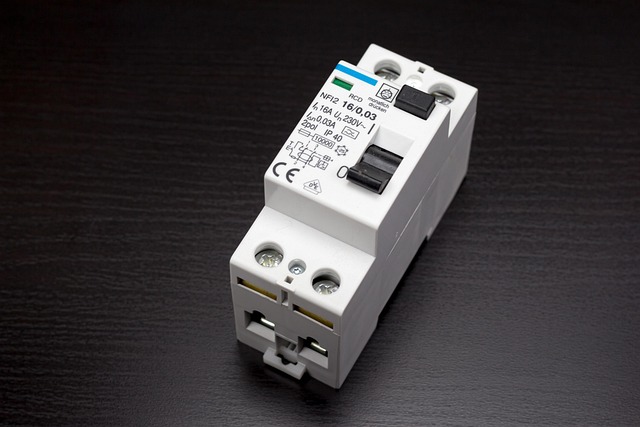
A 60-amp screw-in fuse box built in 1954 isn’t going to feed a 2024 kitchen. Replace it with a 100-amp breaker panel and you reduce fire danger by 50%. That’s one $1,150 panel job that finishes the days of $4 fuses.
Fuse boxes have no space for arc-fault breakers. Insurers are aware of this and discount 5-10% on premiums once you’ve upgraded.
Legacy Fuses
Pull the main disconnect, then unscrew each fuse. Copper coloring on the glass indicates the spring clipped too hot for the wire. A 30 amp fuse crammed into a 15 amp lighting circuit is a match in a gas tank.
Downsize to the stamped rating on the porcelain. Maintain a mini-drawer stocked with nothing but 15, 20, and 30 amp fuses so no one gets creative.
Write ‘14 AWG—15 A’ on masking tape and slap it next to the socket. The next owner will thank you.
Modern Breakers
Bedrooms require combo arc-fault breakers per 2023 NEC. Snap in a dual-function breaker in case the floor plan combines living room and bath on a single run that trips at 5 mA ground or 30 mA arc.
Check the install date on the door chart. Breakers go bad like milk, not wine. Hit the yellow test tab every month.
If it won’t trip, exchange it for $45 before the inspector tags it.
Safety Differences
A breaker opens in one cycle, approximately 17 milliseconds. A fuse requires 2–5 seconds to melt, and that delay allows heat to accumulate in old Romex.
You flip a breaker on again. You toss a blown fuse in the garbage and pray you’ve got a spare.
Breaker panels have a dead front and foam gasket. Fuse boxes left the hot base exposed to spiders and sawdust.
Clear plastic directories on breaker doors detail every room. Fuse boxes often read “spare” in faint ink, so you poke and pray with a screwdriver.
Does Your Panel Measure Up?
Your back of the envelope quick tally trumps a dark kitchen any day. Include the name-plate watts of your range, dryer, AC, and any pump. Now divide that sum by 240. If the response exceeds 80% of the primary circuit breaker panel figure stenciled on the service panel, the bus bars are scalding, indicating you require an electric panel upgrade for your home.
Calculating Amperage
Take the sticker found inside each appliance door. For example, a 5,000-watt cooktop → 21 A, and a 4,500 water heater → 19 A. Continuous loads like a sauna or pool heater get multiplied by 1.25, so that 19 A heater counts as 24 A.
For the rest of the house, multiply your floor area by 3 W. An 1800 sq ft LA bungalow adds 5,400 W, which translates to another 23 A at 240 V. Mark each step on a blank sheet. The city plan checker will request it at permit pick-up.
- Watts ÷ 240 = amps
- Multiply by 1.25 if load runs three hours or more.
- Add 3 W/sq ft for lights and outlets.
- Fall the aggregate onto a 20-line spreadsheet and print both sheets.
Common Household Sizes
A 100-amp panel will suffice for a 1,200 sq ft cottage with a gas stove and no central air. Opt for more if you ever plug in a window unit. Once an electric dryer splits the feeder with a compressor, target 150 A.
Yes, most tract homes post 1995 have 200 A because one heat-pump water heater pulls 23 A and an EV charger adds 40 A. If you run a welder in the garage or have south-facing roof rails just waiting for solar, order the 400-amp meter pack and call it a day.
Future-Proofing Capacity
Leave six empty breaker slots so tomorrow’s induction range or spa pack clicks in without a sub-panel search. Run empty 2-inch PVC from the meter base to the crawl. Pulling bigger aluminum later is less expensive than trenching again.
Demand a 225-A-rated bus at this point. It probably costs only forty dollars more and will take a 200-A main today and a 250-A main tomorrow. Map a stub wall adjacent to new additions and mark ‘sub-panel here.’ Shorter wire runs maintain low voltage drop and leave money for breakers instead of copper.
Signs You Need an Upgrade
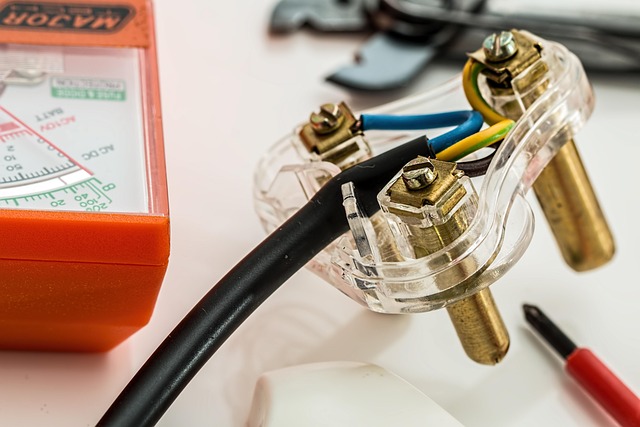
Warm metal, rust dust, and a circuit breaker that clicks off twice a month are the first subtle signs of potential electrical upgrades needed.
- Breaker trips more than twice in thirty days
- If the face of the panel feels warm or smells like hot plastic.
- Rust flakes pile at the bottom gutter
- Lights dip when the fridge kicks on
- Burn marks around the breakers or bus bar
- Panel label shows a date before 1985
Flickering Lights
A little blink when the AC kicks on is fine, a steady pulse across three rooms is not. Snug every neutral and ground screw. Loose strands cause micro-arcs that show up as flicker. If the breaker tabs look black or pitted, replace the unit.
Carbon film adds resistance and drops voltage. Still blinking? Separate out the big motor loads like shop vacs or chest freezers to their own 20 A circuit. When lights keep dancin’ after that, the main bus is baked and the entire panel needs to be replaced.
Frequent Trips
Figure out the outlets first. Plug a radio into each socket on the tripping breaker. When it dies, you know the chain. Add up the watts. Fifteen-amp circuits cry uncle near 1,800 W.
If the total draw is sane but it still trips, pull the breaker and read its amp stamp. Owners frequently affix a 20 A breaker to 14-gauge wire, a code foul. Downsize or install new 12-gauge Romex and a new 20 A breaker.
If they keep tripping after parts swap, there’s a short in a junction box behind the drywall. Look for scorched wire nuts.
Overheating Panel
Point an IR thermometer at the cover; anything over 100 °F is heat in it. Pull the front, torque each lug to the inch-pound stamped on the label. Loose lugs wag and roast the bus.
Melted plastic around breaker ears means fail; replace that breaker now. Gray-black streaks on copper bus bars signal even more trouble. The panel chassis is fried and requires total replacement before fire hazard escalates.
Outdated Technology
If it says Zinsco, FedPac or Pushmatic, schedule a retirement. These lines lose contact pressure and may weld themselves on. Split-bus panels with no single main shutoff fall outside today’s NEC cycle.
They leave six throws to kill power instead of one. Check with LA DWP. Some rebates apply for retiring pre-1980 gear before you add solar or an EV charger.
The Smart Electrical Panel

A smart electrical panel replaces the traditional gray box with a Wi-Fi connected circuit board that communicates with your phone. It displays amps per circuit live, texts when a circuit breaker trips, and logs every watt. Grab one that connects to Alexa or Google, and you can turn off the pool pump by voice on the 405. With built-in metering, it flips heavy loads to off-peak hours so the dryer runs at 10 ¢, not 42 ¢.
Remote Monitoring
Open the app, configure a 180 A daily cap, and the screen goes amber at 170 A so the main breaker never pops. Weekly charts highlight the guest-room circuit that crawled from 3 A to 11 A after a space heater moved in. Provide read-only access to your sparky in Eagle Rock. He sees the same graph, swaps the breaker, and you avoid a $150 trip charge.
Export CSVs to take to an energy audit or just send over to USAA for the insurance discount!
Energy Management
Program the panel to shed non-essential loads when solar dips behind a cloud. Fridge and freezer on, spa pump off! Have the water heater fire at 11 pm and the EV charger wait till 2 am, both under the 80 % mark so the bus bars run cool.
Pre-cool the house to 72 ° at 3 p.m. Before peak rates hit, then let it coast. The app learns your dryer pattern and pings you: “Best start time tonight is 9:42 p.m., cost $0.31.
Enhanced Safety
Once a month, the panel conducts its own AFCI quiz. If a breaker flunks self-test, you’re alerted before the inspector shows up. Ground-fault events appear in red with milliamp counts.
Continuous overcurrent on the garage circuit? The board chops it in two seconds and captures the curve. Your electrician in Culver City opens the event file, sees a spike at 7:13 a.m., and traces it to a worn compressor cord. No more guesswork, no more second truck roll.
Navigating the Upgrade
A panel swap seems easy on YouTube, but one missed step can blackout the house for days. Use this quick list to stay on track: verify license, insurance, and bond papers before anyone touches a wire. Request the utility shut-off and same-day re-connect in writing. Choose a mild-weather weekday so the AC or heat is off just a few hours.
Carve out a 36-inch runway on all sides and the inspector will rubber-stamp you without hesitation.
Finding a Pro
Pull up the CA Contractors State License Board page, plug in the license number and verify “C-10 Electrical” is active with no pending complaints. Navigate the upgrade. Skim reviews that scream ‘200-amp upgrade’ or ‘added EV breaker,’ not wishy-washy ‘great job’ comments.
A pro will text you photos of old panels they’ve yanked. Look for smooth wire bends and legible hand-drawn labels. Choose the outfit that files the city permit and manages the rough and final inspection dates. That keeps you off the phone with City Hall.
Understanding Costs
|
Task |
Typical Price Range |
|---|---|
|
100 A to 200 A swap, same spot |
$1,200 – $2,000 |
|
New meter base and grounding add-on |
+$500 – $1,000 |
|
Panel move to meet 36-in clearance code |
+$300 – $800 |
|
Drywall cut and patch after recessing panel |
+$250 – $600 |
Labor alone costs $600–$2,200 in the L.A. Area, but parts tack on another $400–$800. If the drop from the alley is frayed, LADWP will tag you for a new riser. Plan on that costing an additional thousand.
Request a fixed-price contract. ‘Time and material’ can explode when your electrician encounters a buried conduit.
Financial Assistance
LADWP offers a $500 rebate when you upgrade your electrical panel for a level-2 EV charger or heat-pump water heater. To claim IRS form 5695, ensure the electric panel is paired with solar or a battery wall. You can receive a credit of thirty percent of the cost on next year’s return.
The City of L.A. provides a zero-interest “Code Compliance Loan” up to $15k for necessary safety fixes. This payment is added to the property tax bill twice annually. Once the permit is closed, send the final inspection to your insurance agent to finalize the service upgrade.
Some carriers lower the annual premium by $40 to $60 due to the reduced fire risk associated with an upgraded circuit breaker panel.
Conclusion
Electrical panel upgrades are the easiest way to increase safety, reduce repair expenses, and future-proof a home for emerging technologies. A new 200-amp box stops lights from flickering, trips fewer breakers, and leaves space for an EV charger or a solar hookup. Local LA crews pull the permit, swap out the guts in a day, and LADWP sorts out the final hookup. Most homeowners recover the expense in insurance savings and increased resale value. Set to replace the antiquated tin box? Call a licensed city electrician, click a picture of that sticker as it is now, and schedule a complimentary estimate this week.
Frequently Asked Questions
How much does an electrical panel upgrade cost in Los Angeles?
Most L.A. homeowners spend $1,200–$3,000 for an electric panel upgrade to a 200-amp service panel, with permits adding another $200 or so. Busy circuits or tight crawlspaces can push the price higher.
Do I need a city permit to change my panel in L.A.?
Yes. The L.A. Dept. Of Building and Safety requires an electrical permit prior to any service panel work. Your licensed electrician pulls it and schedules the city inspection.
Can I install a smart panel myself?
No. California law requires a licensed C-10 electrician to open the electric meter and tie into utility service, as DIY risks shock, fire, and voiding your home insurance.
How long does the upgrade take?
One day is needed for a direct exchange if the utility cuts off early; however, if new conduit or trenching for the electrical service panel is required, expect two days plus LADWP re-connection.
Will a new panel lower my electric bill?
Not exactly. It simply provides you with safer, more spacious circuits in your electrical service panel. Combine it with rooftop solar or ENERGY STAR appliances to realize savings on your LADWP bill.
What size panel do most L.A. homes need today?
For most single-family homes, a 200 amp electrical service panel suffices. However, if you’re planning to run two EV chargers, central air, and a pool, consider upgrading to a 225 to 300 amp circuit breaker panel to ensure you meet your energy needs and remain code-legal.