

Air conditioner refrigerants R-410A, R-32, R-134a, R-407C and discontinued R-22. R-410A is still prevalent in US homes, but R-32 proves more efficient and lowers GWP.
New blends like R-454B and R-466A are coming to market under AIM Act rules. In LA, Title 24 updates and CARB policies help steer low-GWP decisions.
To assist with upgrades, repairs, and compliance, the following sections compare performance, safety, and availability.
How Your AC Stays Cool
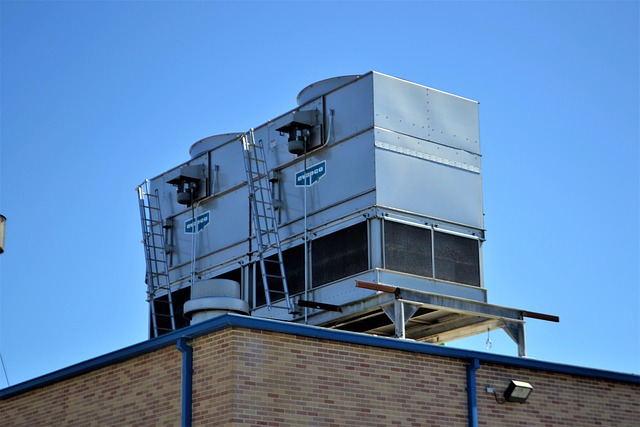
The refrigerant charge within your AC moves between liquid and gas states to transfer heat efficiently. It sucks heat from indoor air in one part of the loop and offloads it outdoors in another. This phase change is essential for modern air conditioning, allowing the cooling process to occur reliably and consistently.
The job of the refrigerant is straightforward: carry heat. Indoors, it arrives at the evaporator coil as a cold, low-pressure liquid, vaporizes, and absorbs heat from the return air. Outside, it surrenders that heat, reverts to a liquid, and returns inside once more. This closed-loop system keeps the temperature in check without “consuming” the home AC refrigerant. Any loss typically indicates a refrigerant leak.
The HVAC refrigerants use four connected stages that run to the refrigerant’s advantage in the refrigeration cycle. In evaporation, the refrigerant boils at a low temperature in the evaporator, extracting heat from the air blowing across the coil. In compression, the compressor in the outdoor unit compresses the gas, boosting its pressure and temperature so it can dump heat to the outdoors effectively.
In condensation, the hot, high‑pressure gas travels through the condenser coil and loses heat to the outdoor air, becoming liquid. In expansion, an expansion valve or orifice reduces the pressure, chilling the liquid before it returns to the evaporator. These four steps, evaporation, compression, condensation and expansion, repeat every minute your system runs.
The type of refrigerant is significant for output, power draw, and environmental impact. Older units might use R-22, which cools effectively but has a high environmental cost and is being phased out due to refrigerant regulations. Many newer homes utilize R-410A, which provides good efficiency and capacity.
R-32 is gaining traction for its lower global warming potential and excellent heat transfer properties. Opting for R-410A or R-32 can trim energy use and reduce your carbon footprint, though adjustments need to align with the unit’s specifications and energy rating.
A low refrigerant charge can damage comfort and increase costs. Short run times, warm supply air, or ice on the indoor coil frequently indicate a slow leak. A quick top-off won’t suffice; the leak must be located and repaired to maintain proper refrigerant levels.
In hot, dry markets like L.A., heat and long cooling seasons make proper refrigerant maintenance even more critical to keep coil temperatures stable and avoid compressor strain.
- Check refrigerant levels monthly to spot slow leaks early
- Schedule annual inspections for charge, coils, and electrical parts
- Maintain 2–3 feet of clearance around the outdoor unit.
- Change air filters every 1 – 3 months. Clean supply and return registers.
- Look for hissing, oily stains or ice as leak indicators.
- Make sure service tech uses proper refrigerant and charge method
The Main Refrigerant Types
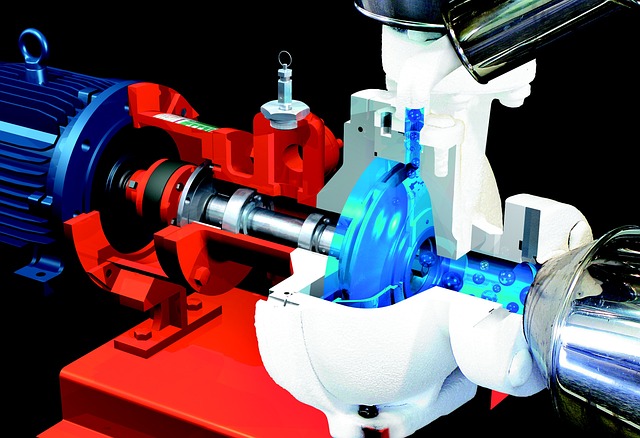
This guide charts the key HVAC refrigerants employed in U.S. air conditioning, detailing their variations in safety and climate impact, and their appropriate applications.
- Most common today: R-410A, R-134a, R-407C, R-32, R-454B, R-22 (legacy), R-404A, CO2 (R-744), ammonia (R-717), hydrocarbons (R-290/propane).
- Flammability: Nonflammable—R-410A, R-134a, R-22, R-404A, R-407C. Mildly flammable (A2L)—R-32, R-454B, R-290 (A3) higher flammability. Ammonia is not flammable in most HVAC circumstances but requires care.
- Energy efficiency: R-32 and R-454B show strong efficiency. R-410A is trusted but waning. R-134a holds CO2 effective in some climates/systems. Ammonia is great for industrial.
- Environmental impact: ODP—zero for HFCs/HFO blends, nonzero for R-12/R-22. GWP—low: R-454B, CO2, hydrocarbons, ammonia; moderate: R-32; high: R-410A, R-404A, R-134a, R-22.
- Applications: Residential—R-410A (until 2025), R-32, R-454B, some R-407C; Commercial—R-410A, R-407C, R-404A, CO2, ammonia, R-290; Automotive—R-134a (legacy), newer R-1234yf.
- Build your own table: list each refrigerant with ODP, GWP, flammability class, typical uses (residential, commercial, auto), service notes.
1. The Old Guard
Chlorofluorocarbons (CFCs) like R-12 and hydrochlorofluorocarbons (HCFCs) such as R-22 have historically been prevalent in home AC refrigerant systems and commercial applications. R-22, commonly known as Freon, was widely used in U.S. split systems and rooftop units for decades due to its stability and compatibility with older compressors. However, the environmental impact of these common refrigerants is significant, as both R-12 and R-22 contribute to ozone depletion and have high global warming potential (GWP).
In response to EPA regulations under the Clean Air Act, the manufacture and import of these harmful refrigerants have been eliminated. Many legacy systems across Los Angeles and the U.S. still contain R-22 refrigerant charges, necessitating HVAC services that utilize recovered or recycled inventory, alongside rigorous handling and leak repair. The shift towards compliant and environmentally friendly refrigerants is about responsible stewardship and not just technological upgrades.
As HVAC professionals adapt to these changes, understanding the various refrigerants available and their environmental impacts becomes crucial. This transition reflects a broader commitment to reducing the carbon footprint and addressing climate change, ensuring that air conditioning systems are both efficient and compliant with current environmental regulations.
2. The Workhorses
Hydrofluorocarbons (HFCs)—R-134a, R-404A, R-407C and R-410A—became the backbone post-CFC/HCFCs. They provide zero ODP, proven reliability and extensive OEM backing. R-410A rules recent residential installs, R-134a pops in a few residential/light commercial and in legacy auto AC.
R-407C emulates R-22 operational characteristics with no ozone damage, facilitating retrofits in existing gear. They do not all stand equal on climate impact. R-410A, R-404A and R-134a have high GWP.
Federal regulations ban making R-410A in new HVAC equipment as of 2025. Charge accuracy, clean coils and leak-free circuits count. Even a minor undercharge increases energy consumption and decreases compressor longevity.
3. The New Contenders
R-32 and R-454B targeting low GWP with high performance. R-32 is an A2L (mildly flammable) with great heat transfer and low pressure drop, frequently achieving higher SEER2 in smaller charges than R-410A. It’s an effective stepping stone from R-22-era capacity points.
R-454B, the other A2L, goes straight for the jugular as the green alternative to R-410A, complying with stricter national and California climate regulations. Widespread acceptance requires A2L-compatible equipment, revised codes, increased ventilation and refrigerant handling and charging training for technicians.
4. Natural Alternatives
Ammonia (R-717), carbon dioxide (R-744), and hydrocarbons like propane (R-290) bring near-zero ODP and very low GWP. That’s why supermarkets, cold storage, and industrial plants use them at scale.
CO2 systems are appropriate for transcritical supermarket racks and select heat pumps, and since performance is based on ambient heat, design matters during hot SoCal summers. Ammonia is great in large chillers but because it’s toxic it must be isolated, leaks detected and operators well-trained.
Hydrocarbons are effective with small charges in hermetically sealed units and certain heat pumps. They’re flammable, so charge limits, spark-safe parts, and proper labeling are a must.
Why Refrigerant Choice Matters
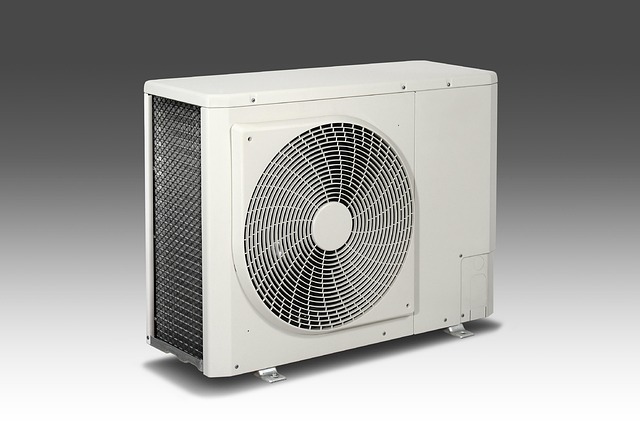
Refrigerant isn’t a small detail; it informs efficiency, cooling output, and safety in air conditioning systems. Compliance with EPA rules and local codes impacts the choice of different AC refrigerants permitted for installation and service.
Energy efficiency, performance, and equipment life
Refrigerant impacts the power your system draws and the cooling it performs on hot days. Others shift heat with less watts, which reduces your electric bill as well as compressor and fan load. The result is more consistent supply air temperatures, abbreviated run times and less wear on components.
For instance, R‑410A boosted efficiency compared to older R‑22, but newer choices like R‑32 often perform even better, packing higher capacity per pound and better heat transfer. When the refrigerant matches the coil design and compressor type, you experience fewer high‑pressure trips and less oil breakdown, helping to extend service life.
Compliance, policy, and environmental impact
Refrigerant choice is tied directly to EPA rules, state programs, and building codes. The Montreal Protocol spurred the phase‑out of ozone‒depleting R‑22 and the U.S. Has since enacted production bans and strict handling regulations.
Today greenhouse gas impact matters as much as ozone. Lower GWP refrigerants are preferred by federal and most state policies, and assist in achieving corporate ESG goals. Deploying a high‑GWP fluid may restrict permits, increase reclaim fees, and muddy resale or retrofit strategies.
Matching properties to your HVAC system
Every system is designed for a pressure curve, temperature glide, and oil type. Select a refrigerant in accordance with the compressor (scroll, rotary, screw), coil design and anticipated ambient range.
Check pressure ratings, discharge temps and miscibility with POE or PAG oils. Verify the ASHRAE Standard 34 safety group classification and maximum charge size. In reality, a heat pump in a hot, coastal climate might prioritize a refrigerant with excellent high-ambient capacity and reasonable discharge temperatures, while a petite condo split system demands a minimal charge and transparent indoor flammability regulations.
Risks of the wrong or outdated refrigerant
A mismatch can cause energy use to spike, reduce cooling and negatively impact indoor air quality. Off‑spec pressures can overheat compressors, shear oil and trigger leaks.
Outdated or being phased‑out, R‑22 is expensive and hard to find, driving up repair costs. A few of the newer options are slightly flammable (A2L) and a few are toxic at elevated levels, which necessitates ventilation, leak detection, and technician education.
Neglect can void warranties, contravene EPA recovery regulations and incur fines.
The American Phase-Down
The US is phasing down high-ODP and high-GWP refrigerants. It phases down CFCs initially, then HCFCs, and now certain HFCs, with regulations that connect to the Clean Air Act, EPA initiatives, and more recent legislation.
It begins with the Montreal Protocol, which powered the CFC phase-down in the 1990s due to ozone damage. HCFCs (like R-22) came next, with step-down caps through the 2000s and an essentially total production phaseout by 2020. The Kigali Amendment broadened the scope to climate impacts, driving a global phasedown of HFCs.
In the U.S., Congress enacted the American Innovation and Manufacturing (AIM) Act in 2020, securing a 15-year phase-down of HFCs with an 85% reduction in production and consumption by 2036. New refrigerant rules from 2020 also restrict the sale and use of new high-GWP blends. States add their own layers, too — California and a handful of others ushered in HFC limits in 2018 and are forging ahead, with compliance for most home ACs starting in 2025 in some regions.
The EPA operates the AIM timetable with sector caps, sector-based limits, and product deadlines. That translates to makers shift to lower-GWP alternatives in new home and business systems, and shops adhere to safe handling and recordkeeping regulations under the Clean Air Act.
At home, older R-22 units are service-only and R-410A systems still churn but have a new-equipment sunset looming. Builders and OEMs are swinging to lower GWP refrigerants like R-32 or R-454B for split systems, and R-513A or R-1234ze for chillers. A lot of these alternatives are mildly flammable (A2L) so codes and training do matter.
Model mech codes and UL standards now cover A2L charge limits, leak detection and ventilation. Local adoption differs by state and city, so verify with your AHJ prior to equipment specification.
Table: phase-down refrigerants and common alternatives (GWP per AR5, rounded)
- R-22 (HCFC) | High ODP, high GWP | Legacy service only | Common alt: R-410A in past replacements, new: R-32, R-454B
- R-410A (HFC) | No ODP, high GWP (2088) | New equipment sunset pending by state/federal timelines | Alts: R-32 (675), R-454B (~466)
- R-134a (HFC) | High GWP (1300) | Limited in new chillers | Alts: R-513A (573), R-1234ze (<10)
- R-404A (HFC) | Very high GWP (3922) | Restricted in many uses | Alts: R-448A/449A (1400), CO2 (R-744)
Action steps: check your unit’s nameplate refrigerant, review state rules (California, Washington, New York, and others may differ), and match upcoming codes for A2L use. Schedule retrofits or plan upgrades around parts supply, leak detection needs and technician training.
For multi-site facilities, phase sites by risk, beginning with states with 2025 compliance. Use EPA and state guidance, align specs with AIM Act timelines.
Your System’s Refrigerant Identity
Understanding your air conditioner’s refrigerant identity is crucial for effective ac refrigerant maintenance, guiding repair decisions and scheduling changes while ensuring compliance with U.S. regulations and avoiding unexpected costs related to discontinued hvac refrigerants.
Identify your current refrigerant
Look at the data plate on the outdoor unit. It should specify the model, serial and the refrigerant code (R-22, R-410a, R-32 or R-454b). If the label is faded or absent, check your owner’s manual, the air handler panel or old service invoices.
If none of those assist, have a licensed HVAC tech check with service gauges and manufacturer database. This step matters as R-22 systems (pre-2010) use different pressures, oils and parts than R-410A or newer blends.
Why it matters for service and planning
Your system’s refrigerant identity determines what tools and parts a tech has to use. R-22 (Freon) is ozone-depleting and has high global warming potential. Production and import ceased in the U.S. In 2020.
Once an R-22 unit leaks and requires a recharge, the refrigerant is hard to find, expensive and even fewer techs still service it. R-410A, once celebrated as the “new and improved” choice, is getting phased down because it retains a high global warming potential.
Newer low-GWP options, like R-32 and R-454B, are entering U.S. Markets throughout the 2020s. R-454B, in particular, reduces climate impact, but needs compatible units. Older R-22 systems are at end of life. R-410A units have a few years left, but prepare to replace or retrofit with the newer refrigerants in the future.
Checklist to pinpoint what you have
- Build date: Pre-2010 often means R-22. 2010–2023 probably R-410A. 2023 and newer could be R-32 or R-454B based on brand and model.
- Nameplate code: The fastest answer—match the exact refrigerant printed on the label.
- Service records: Look for line items listing pounds of R-22, R-410A, R-32, or R-454B.
- Fittings and pressures: R-410A systems run higher pressures than R-22. Techs can confirm during a check.
- Manufacturer specs: Search your model number on the maker’s site for the factory refrigerant.
- Local code or utility rebates: Some rebates tag systems by refrigerant type and can hint at what you own.
Keep it tight: maintenance and leak checks
Refrigerant circuits must be sealed. If you require ‘top-offs’, you probably have a leak which wastes energy and the environment and risks compressor damage. Plan annual check ups.
Request a visual check, electronic leak scan and superheat/subcool check. Repair leaks prior to recharge. EPA certified techs for handling and recovery. If you have an R-22 unit, compare the repair cost with a scheduled low-GWP swap.
For your R-410A systems, keep them efficient now, but budget for a future upgrade to R-32 or R-454B when the time and incentives are aligned.
The Future of Cooling
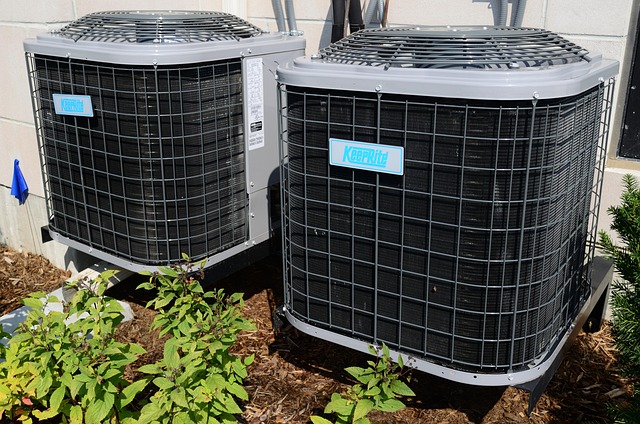
The future is lower GWP and non-ozone-depleting refrigerants, such as efficient refrigerant blends, that satisfy toughening U.S. standards without sacrificing function. HVAC services and product design are converging to reduce emissions while maintaining dependable cooling in air conditioning systems during hot summers and in dense urban environments.
Predict that the hvac industry will continue shifting toward low-GWP, non-ozone-depleting refrigerants and advanced refrigerant blends.
Starting in 2025, new HVAC units in the US cannot utilize R-410A. This pivot drives the market toward far lower GWP A2L refrigerants. Faster adoption of R-32 and R-454B, as baseline choices for split systems, packaged and small commercial rooftops.
Blended A2Ls will continue to grow to dial in capacity, efficiency and serviceability across climates — from sticky Gulf Coast cities to arid inland regions. Contractors will more carefully match charge sizes and line-set lengths and codes will continue to evolve for safe installs in homes, apartments and light commercial.
Highlight ongoing development of next generation refrigerant technologies, including hydrofluoroolefins (HFOs) and improved natural refrigerants.
HFOs, like the ingredients in R-454B, provide robust thermodynamic performance with GWP ratings under EPA rules’ 700 cutoff. R-454B’s GWP is more than 75% lower than R-410A, but it continues to provide reliable capacity and comfort.
R-32 has been demonstrated to have vigorous heat transfer and a synergistically favorable pressure drop, both of which facilitate higher efficiency in practical, off-the-shelf systems. In parallel, improved natural refrigerants are moving ahead in select niches: CO2 in supermarket racks and heat pump water heaters, and propane (R-290) in smaller, factory-sealed units.
Continued R&D will deliver system design, leak detection, and charge limits that expand where these solutions apply, particularly in high-ambient markets of the Southwest.
Emphasize the role of hvac manufacturers and service providers in adopting sustainable refrigerants and supporting greener cooling solutions.
Manufacturers are redesigning coils, compressors and controls to optimize for A2L behavior and charge minimization. A lot of units today ship with improved airflow management, variable-speed drives, and tighter cabinet seals to boost seasonal efficiency.
Service providers will be key: techs need A2L training, updated recovery machines, and proper leak-check methods. Distributors will carry A2L-rated tools, sensors and gauges. Local code officials and utility programs will orchestrate rebates linked to low-GWP and high SEER2 ratings, accelerating adoption at scale.
Encourage homeowners and businesses to prioritize energy-efficient, environmentally friendly air conditioning systems when planning replacements or upgrades.
For replacements in 2025 and beyond, opt for A2L-compliant systems with a strong efficiency tier. Search for R-32 or R-454B units as they reduce GWP and may reduce energy payments.
Check installer A2L certification, ensure ventilation and electrical upgrades if required, and retain old line sets only following pressure testing and cleaning. In hot markets, such as Los Angeles or Phoenix, it’s worth considering variable-speed heat pumps with demand-response controls to help with grid peaks.
This high-GWP refrigerant phase-out is a key component of a broader plan to reduce greenhouse gases and help form a cooler, cleaner future.
Conclusion
To conclude, refrigerant selection forms comfort, prices, and regulations in America. R-22 belongs to history. R-410A still operates in numerous homes but encounters a phase down. New blends like R-32 and A2L choices reduce climate effect while maintaining robust cooling. In LA heat, that shift counts on peak days.
To play it smart, check the nameplate on your outdoor unit. Get an EPA tech to test charge and repair small leaks quick. Schedule a swap if your system uses R-22 or gets close to 12–15 years. For a new unit – inquire about A2L safety, and cost to charge and parts.
Need assistance choosing the best route for your home and wallet? Call in for a quick test and clean step forward.
Frequently Asked Questions
What are the main refrigerants used in home AC systems today?
The majority of U.S. homes use R-410A as their home AC refrigerant, while older units rely on R-22. Newer systems are increasingly adopting lower-GWP options like R-32 or R-454B, as California’s codes and climate goals push for a transition away from high-GWP refrigerants in air conditioning.
Why does the refrigerant type matter for my AC?
Selecting a modern, compliant HVAC refrigerant not only reduces your energy bills but also minimizes environmental impact, aligning with California climate regulations while addressing the increasing costs associated with different AC refrigerants being phased down.
Can I retrofit my R-22 system to R-410A or newer refrigerants?
No, usually. R-22 systems are not compatible with other modern air conditioning refrigerants like R-410A or R-32/R-454B. Retrofitting is complicated and dangerous; in most situations, air conditioner replacement is safer, code compliant, and more efficient for LA homes.
How do I find out which refrigerant my AC uses?
Check the outdoor unit nameplate for the type of refrigerant used, such as R-22, R-410A, or R-32. Your owner’s manual or a licensed HVAC professional in LA can verify the refrigerant level and recommend the next steps for your air conditioning system.
What is the U.S. HFC phase-down, and how does it affect me?
The AIM Act mandated a national phase-down of HFC refrigerants like R-410A, which may lead to constrained supply and increased prices. In California, HVAC services regulations might be stricter, so planning for a compliant air conditioning system replacement is essential for budget and comfort.
Is R-410A being banned in California or Los Angeles?
It’s not a wholesale ban on current systems, but new equipment standards limit high-GWP refrigerants. Anticipate less R-410A choices for new installs. Partner with an HVAC contractor using approved refrigerants like R-32 or R-454B for efficient refrigerant solutions.
Which refrigerant is best for a new AC in Los Angeles?
Choose a system certified for California’s low-GWP standards, typically R-32 or R-454B, as these efficient refrigerants offer robust performance, reduced climate impact, and easier compliance. Consult with a licensed LA HVAC professional for availability, warranty, and local code.