

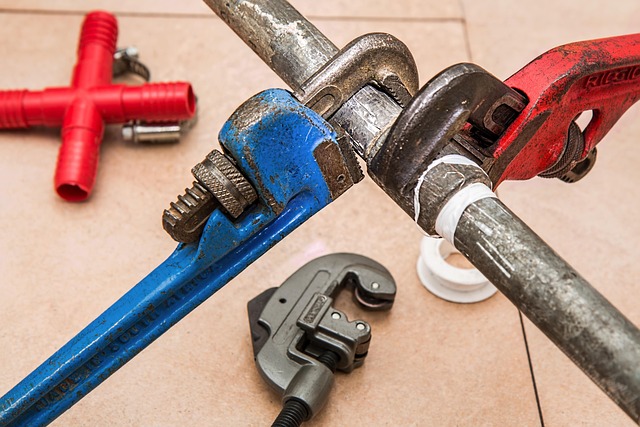
DIY plumbing fixes include fast projects such as replacing a worn washer, unclogging a sink trap or resetting a running toilet – all without a plumber.
A $10 wrench set, five minutes and a shut-off twist rescue most L.A. Households from the $125 trip fee.
Below, you’ll find step-by-step pics, city code notes, and local parts stores open late so you can finish tonight and still catch the Lakers game.
Your DIY Plumbing Foundation
A good beginning prevents soggy floors down the road. Knowing where the water supply stops, owning the right hand tools, and understanding how a simple U-shaped pipe works are key for successful DIY plumbing projects.
The Shutoff Valve
Every home conceals a primary shutoff, typically located at street side of a slab house or in the crawl space of a pier-and-beam foundation. Turn it a quarter-turn clockwise and the whole joint dries up. Test it twice a year, valves gum up with hard-water scale and snap if forced.
Another mistake is reaching for a wrench that’s too big, and rounding the flats—stay with an eight-inch adjustable. Once you spin it off, crack open a laundry tap to bleed pressure. Air trapped in lines can shake pipes for days. Mark the location with neon tape so visitors can locate it quickly.
The Essential Toolkit
You don’t need a truckload. A 6-in-1 screwdriver switches from slot to Phillips and pops most faucet handles. Ten-inch tongue-and-groove-pliers bite slip nuts and trap collars without marring chrome.
Carry a roll of 1/2-inch Teflon tape in your pocket–2 wraps on male threads stops micro-drips better than pipe dope! Insert a short plastic drain stick—barbed and flexible and safe for old brass traps. Throw in a 5 gallon bucket, it catches both water and dropped parts.
Avoid the superstore all-in-one kits with weird sizes you’ll never employ.
The P-Trap
Check out below any sink and you’ll come across that be curved pipe that blocks sewer gas. Loosen the union nuts by hand first, if they stick, pad the jaws with a rag so the pliers don’t chew soft brass.
Let the water spill into your bucket—what drains out tells a story: black grit means old galvanized line, sand hints at a failing city main. Scrub hair and slime off pop-up rod and screw nuts back until tight. Overtightening cracks collar.
Turn on the tap for two minutes and look for weeps. A reassembled trap contains approximately two cups of water, that seal preventing the fumes from infiltrating your kitchen for life.
Master These DIY Plumbing Fixes
A few consistent habits and the appropriate $10 tool kit can transform most minor plumbing headaches, like a leaky faucet, into half-hour jobs. Begin each project by turning the oval shut-off valve clockwise to stop leaks, preventing a nasty drip from becoming a soaked cabinet.
1. Silence a Running Toilet
Pop the tank lid, mark the water line, then bend the brass float rod down a hair so water sits an inch below the overflow tube. If the flapper’s gummy, snap on a $3 universal replacement; hook chain with 2 links slack so it drops square every time.
A running toilet can waste 200 gallons a day – more than an LA household uses to water their entire lawn.
2. Clear a Clogged Drain
Ditch the chemicals. Insert a barbed plastic drain stick into the sink, twist and yank out the hair blob. For tubs, swap to a ¼-inch hand snake, crank until you feel the clog give, then flush with hot tap water for 30 seconds.
Still sluggish? Fill the basin to the rim, position a flange plunger (the one with the soft skirt) over the drain and pump in short bursts—fifteen strokes typically does the trick.
3. Stop a Dripping Faucet
Single-lever kitchen faucets drip once the cartridge cracks. Turn off valves under the sink, pop the handle off with a flathead, and replace with a new $12 cartridge.
Align the hot-side slot first so you don’t cross threads. They’re the kind of thing where the entire job fits inside a lunch break.
4. Quiet Noisy Pipes
Copper lines clang when loose straps allow them to bang against joists. Slide rubber pipe insulation between pipe and wood, then drive a screw through a metal strap every 24”.
If the knock occurs only when the washer turns off, add a $7 water-hammer arrestor to the rear valve; hand-tight plus half-turn is plenty.
5. Restore Water Pressure
Remove the aerator from the tip of the spout, wash grit from the mesh and poke muck out of every hole with a toothpick.
Showerheads get the same soak in a zip bag of warm vinegar for an hour, scrub with an old toothbrush and reattach with three wraps of white thread-seal tape clockwise so it won’t unwind.
6. Reseal a Leaky Toilet Base
Rocking bowls allowed soapy water to leak onto the bathtub floor. Close the angle stop, empty and unbolt the throne, then chisel off old wax with a putty knife.
Press on a jumbo wax ring (or $5 rubber seal) centered on the flange, drop the bowl straight down, and tighten each brass bolt until snug — not tight — so porcelain won’t crack.
Caulk around the base with mildew-proof bath sealant, smoothing into a clean bead with a wet finger.
The Smart DIYer’s Mindset
A smart repair begins with turning off the shutoff valve under the sink or at the main so a five-minute task doesn’t become a water-drenched cabinet. Keep a flashlight, bucket, and phone photo of the plumbing system layout in the drawer adjacent to the dish soap, as when water ceases, the clock decelerates.
Know Your Limits
Change a washer, re-pack a valve stem, or chase hair from a tub drain — great. When the copper line is green with oxidation or the galvanized nipple crumbles like shortbread, step away and call a licensed plumber. One twist too many and you open a wall.
A three-story hillside home in Silver Lake requires more muscle than a one-bed bungalow in Burbank — gravity adds pressure and code adds steel. If you pop the wall and find cast-iron hub joints or polybutylene gray pipe – snap a pic, close it up and text the shot for a bid—those babies fail fast once disturbed.
Smart hands keep Teflon tape, a 6 inch ruler and a ½ inch shark-bite cap in the box – tape buys time, the ruler checks nut size and the cap stops flow until morning.
Understand Local Codes
In Los Angeles, it’s essential to use dielectric unions where copper meets steel, and a vacuum breaker on every hose bib. Additionally, straps every 4 feet on horizontal ABS runs are necessary to avoid issues that could lead to leaks. Skipping any of these crucial steps could result in the inspector red-tagging the job, which can be a costly setback for your plumbing projects.
Homeowners can purchase the $26 city pamphlet from the West L.A. District office, which outlines permissible fittings and indicates which valves require access panels. This guide can help you navigate the complexities of your plumbing system, ensuring compliance with local regulations.
If you need to relocate a waste line inside a slab, keep in mind that this task demands engineered plans and a soil report. For gas lines, remember to use yellow gas-rated Teflon on threads going into an earthquake valve, as white will fail, leading to potential gas leaks and serious safety issues.
Think Prevention First
October means unscrewing every outdoor hose, draining it, and stuffing fiberglass tube wrap over the sill cock so December nights don’t split brass. Run your hand along exposed lines under the house after rain.
If copper sweats like a soda can, insulation is missing. Drop a cheap plastic drain screen in each sink. Hair clogs peak in January when guests shower extra.
Once a year fill every basin, yank the pop-up stopper, and let a full head of water race through—mini jetting that costs nothing but five minutes. Keep one flange plunger by each toilet and one cup plunger under the kitchen sink. The right tool keeps chemicals out of pipes.
: shut off first, know when to quit.
Why Chemical Drain Cleaners Fail
Most bottle drain cleaners on the shelf are 90% lye or bleach. The label says ‘safe for pipes,’ but the fine print cautions about corrosion, which can lead to leaky faucets or other plumbing system issues.
The Pipe Damage
Older LA homes have 1½-in galvanized lines. One full-strength shot of cleaner gnaws 0.02 in off the wall each time. Do that twice a year and in five years you’ve eroded a third of the wall thickness—enough for pinholes to start weeping inside studs.
CPVC and PEX fare even worse; the heat spike from the reaction can reach 180 °F, causing joints to soften until they deform into an oval shape. Realtors here already mark “repetitive cleaner use” on disclosure forms because insurers hesitate to cover slab leaks linked to chemical thinning.
The Toxic Risk
What goes down can come back up, especially when it comes to plumbing issues. A Brentwood condo experienced a leaky faucet that released hydrogen-chloride gas through a dry guest-bath trap last March, triggering hallway CO monitors. First responders recorded three ER visits for eye burns due to this unexpected leak.
Downstream, city crews at the Hyperion plant track intermittent pH crashes linked to weekend cleaner dumps. One spike wiped out a half million gallons of beneficial bacteria, costing rate-payers $22k in re-seeding efforts, highlighting the importance of maintaining plumbing systems to prevent such costly problems.
Even the bottle you throw in the black bin can explode in a Sun Valley transfer station compactor, splattering techs who earn $18 an hour without any haz-mat provisions, underscoring the need for professional oversight in waste management.
The Ineffective Fix
Hair clogs laugh at lye. The alkali converts the proteins into a sticky layer that re-bonds lower down. Grease clogs south of Ventura Blvd actually tend to grow — the suds emulsify fat, allowing it to coat the line like cold bacon grease in a pan.
Root intrusions. Foam cleaners simply slide by, leaving the cambium layer intact. Homeowners pour again, each round depositing ½-cup granules that slough off in the trap bend and solidify into a concrete plug–something a 25-ft hand auger can’t crunch through without scraping metal.
My Pro-Tip for Stubborn Clogs
Save the $12 bottle of acid. A ½ cup scoop of baking soda chased by 1 cup plain white vinegar will chew through most hair-and-gunk plugs in an LA condo or Pasadena Craftsman without eating the old copper pipes.
Tip: Dump the soda first, javelin it down the drain with the handle of a spoon, then slosh in the vinegar slow. The fizz climbs back up—that’s CO₂ doing the grunt work—so cover the drain with a wet rag to keep the pressure on the clog, not your ceiling.
Here’s my pro-tip for stubborn clogs — wait thirty minutes. My pro-tip for stubborn clogs– use the timer on your stove, not a guess. During this time, bring a full kettle to a boil.
When the bell dings, carry the kettle to the sink and pour in stages: half, pause ten seconds, half again. The hot water flushes the broken-up sludge toward the main line instead of allowing it to resettle two feet down.
If the sink still burps, repeat once — after two rounds you’ll know the blockage is farther along than this fix can reach.
My pro-tip for stubborn clogs: for side-sprayer shower arms, unscrew the head and drop it in a soup pot of 1:1 hot tap water:vinegar. Soak it twenty-four hours on the back porch.
The crusty lime & soap inside the nozzles softens and rinses away under the tap. Same magic on pull-out kitchen sprayers—just immerse the entire head, hose and all, into a mixing bowl draped with plastic wrap so nothing evaporates.
Toilets clog up when an excess of Charmin collides with the low-flow California mandate. Here’s my pro-tip for those stubborn clogs – keep a 5-gallon bucket in the tub, fill it halfway with hot – not boiling – water.
Tip: dump from waist height so gravity adds force, then three hard strokes with a flange plunger. Nine out of ten bowls unclogged in less than two minutes – no slosh, no panic.
If it rises instead, halt and allow it to fall; you’re just one more plunge from success.
Metal snakes assist, but most renters don’t have one. Instead, straighten a wire hanger, hook the end, feed six inches beyond the drain cross, and twist.
You’ll pull out a slick-haired mouse that seems disgusting but saves $150 after-hours plumber bill.
: soda, vinegar, hot water—repeat if needed.
When to Call a Professional
A drain that clogs every month is not a coincidence. Hair, grease and tree roots can pack a line so tight, a plunger or store-bought snake just pokes a pin hole. Blockage returns, pressure builds, seal at the joint weakens. By the time you’re at your third backup, water begins to wick into the subfloor. Then you’re beyond a bottle of gel cleaner – a pro has to run a camera down the line and cut out the root mass or replace the belly in the pipe.
Big leaks follow this rule. A moist cabinet under the kitchen sink can conceal a spray that lashes the back wall each time you flick the tap on. Three days later the particleboard swells, the laminate floor cups, and you smell mildew in the adjoining room. Turn off the angle stop, mop, and call a licensed plumber who owns commercial dehumidifiers and can open up the wall with minimal additional damage.
Repairs discovered early save you around four grand in new cabinets and subfloor here in L.A. Where labor rates go 90-110 an hour.
Burst copper after a cold snap is yet another stop-everything moment. Water shoots out at about fifty pounds of pressure and can empty five gallons a minute into your crawlspace. Even if you close the main at the sidewalk, the split requires a clean square cut, new type-L pipe and a pro press tool which most homes don’t have.
Ditto CPVC manifolds in newer tract homes–one crack and oftentimes the entire header has to come out.
Water heaters lurk in a metal closet two feet from your breaker box. A gas valve that won’t seal or an upper element shorted to 240 volts is not a YouTube gamble. One spark close to the open burner or a crossed wire against the jacket and a $500 repair is an insurance claim.
Techs have manometers and multimeters to test gas pressure and amp draw in minutes. What takes them twenty minutes can take a novice half a day and still leave carbon-monoxide readings over ten ppm.
If you’ve already swapped the flapper, reset the toilet, and cranked the supply stop but still hear water run at 2 a.m., make that call. Same call if you notice new rust on your garage wall beneath the water heater pan or smell ‘egg’ by the meter.
A quick inspection costs around eighty dollars and prevents joist rot, slab heave or a mold bill that crosses twelve grand once spores get into the HVAC ducts.
Conclusion
You now own the basics: turn the shut-off, twist a wrench, skip the acid jug, and know when to quit. A dry towel, a five-buck washer and a calm ten minutes can save a $200 house call. Maintain a mini-kit below the sink–slip-joint pliers, teflon tape, bucket–and you halt the majority of drips before they rot the cabinet. If water shoots straight up or the clog persists, call a licensed pro – your ceiling and wallet will thank you. Take the tools, select one small drip this evening, and stop it. Every fix you nail adds balls and bravado for the next.
Frequently Asked Questions
Can I fix a small leak under my LA kitchen sink myself?
Yes. Turn off the angle-stop valve, then tackle the leaky faucet by slipping a ½” PVC compression coupling over the bad spot, tightening by hand, and testing. Takes 10 minutes and $4 at any SoCal Home Depot.
Will the City of Los Angeles fine me for DIY plumbing?
That is, unless you open up a wall or mess with your main line. Easy fixture fixes, like replacing a leaky faucet or unblocking a stubborn clog in a trap, don’t require a permit and won’t set off an LADBS inspection.
What’s the safest drain cleaner for old Glendale pipes?
Avoid chemicals when dealing with stubborn clogs. Instead, pour in ½ cup baking soda, chase with 1 cup hot white vinegar, wait 15 min, and then flush with 120 °F water to clean your drains safely.
Why does my Westside shower keep clogging with sand?
Beach grit rinses off feet and settles in the P-trap. To prevent stubborn clogs, put in a $6 hair catcher and simply flush the drain once a month with a full 5-gallon bucket to push sand to the city sewer line.
Do I really need a permit to replace my own water heater in LA?
Yes, city code demands a permit and earthquake straps for major pipe repairs. Skipping DIY plumbing projects can lead to a failed home inspection when selling, resulting in fines starting at $300.
How do I shut off water if the curb valve is buried under ivy?
Call LADWP at 1-800-DIAL-DWP. They’ll mark the sewer line and toilet within an hour. Don’t dig yourself—you could strike the gas line that runs along all of the Sunset Boulevard parkways.