

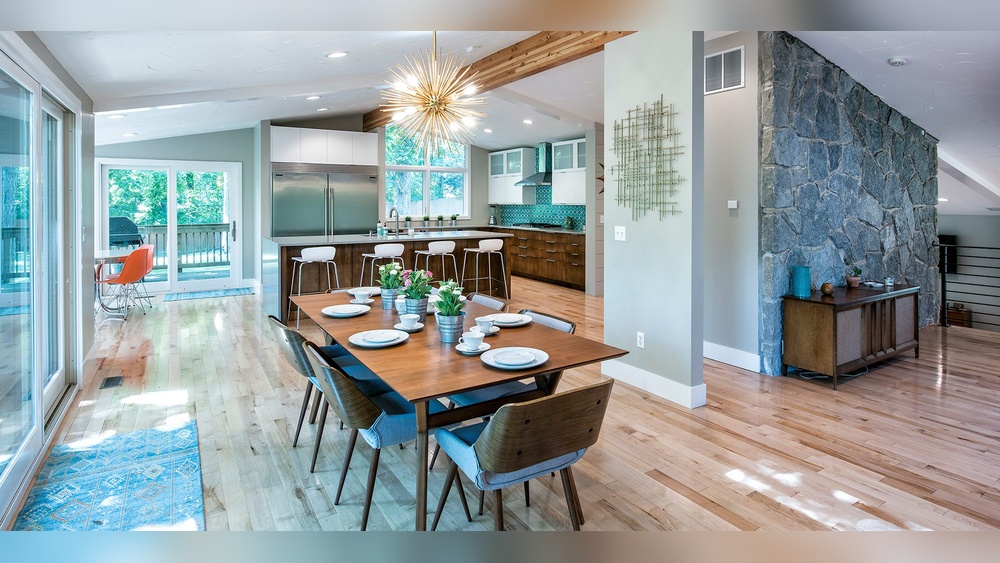
Are you planning to improve your home but feel confused by terms like remodeling and renovation? You’re not alone.
Many homeowners wonder what sets these two apart and which option best suits their needs. Understanding the difference can save you time, money, and stress while helping you make smart decisions for your home’s future. You’ll discover exactly what home remodeling and home renovation mean, how they impact your living space, and which approach fits your goals.
Keep reading to unlock the insights that will transform your home improvement journey.
Credit: www.drfbuilders.com
Remodeling Basics
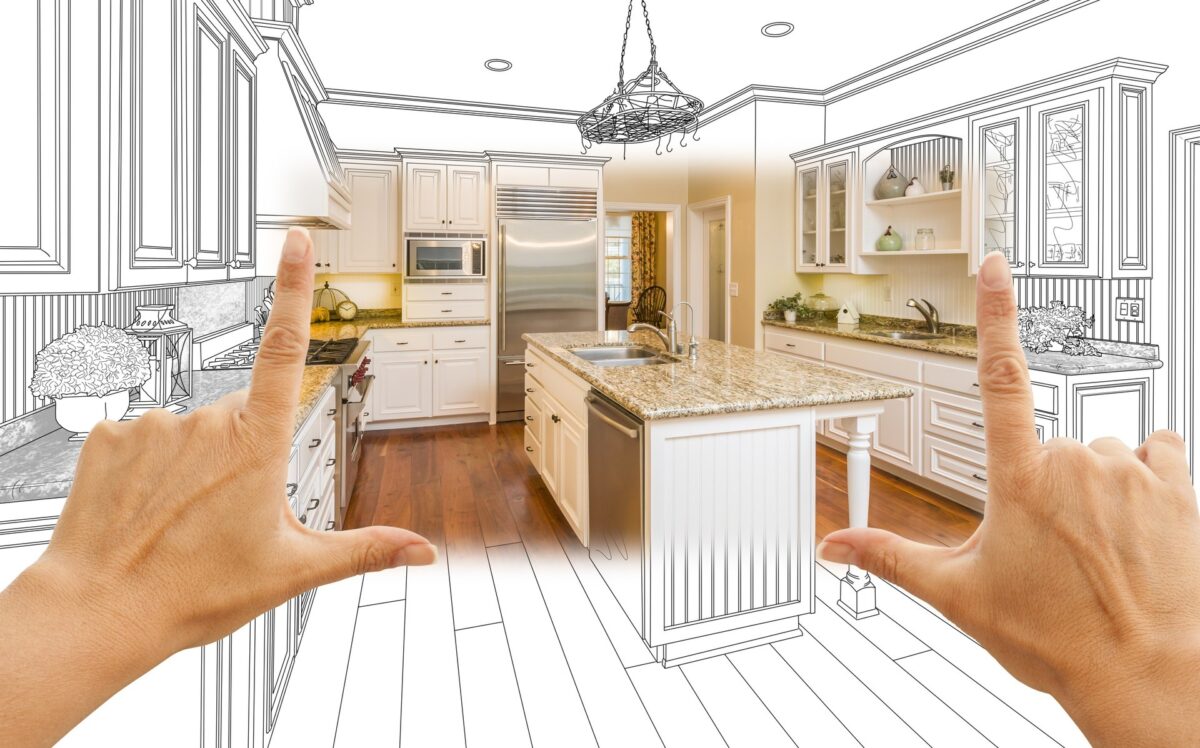
Understanding remodeling basics helps you see how it changes a home. Remodeling means changing the structure or design deeply. It is more than just fixing or decorating.
Remodeling can improve how your home works and looks. It often requires careful planning and permits. Let’s look at key remodeling aspects.
Structural Changes
Structural changes involve altering walls, floors, or ceilings. These changes support new designs or add space. Removing or building walls is common in remodeling. Such work affects the home’s stability and needs expert help.
Layout Transformation
Layout transformation means changing the room arrangement or flow. It can open up spaces or add new rooms. This change makes the home feel different and more functional. It often requires moving doors, windows, or staircases.
Permit Requirements
Most remodeling projects need permits from local authorities. Permits ensure the work meets safety and building codes. Structural or layout changes almost always need approval. Skipping permits can cause fines or problems when selling the home.
Credit: www.bankrate.com
Renovation Basics
Renovation focuses on improving your home’s look and feel without major changes. It refreshes spaces by fixing or upgrading existing features. Renovation keeps the home’s structure intact while enhancing its aesthetics and functionality. This process often involves tasks that improve surfaces and finishes. It does not involve altering the layout or foundation of the house.
Cosmetic Upgrades
Cosmetic upgrades change the appearance but not the structure. Examples include painting walls, replacing cabinets, or updating light fixtures. These upgrades make rooms feel newer and more appealing. They are usually quick and cost-effective ways to refresh your home.
Surface Improvements
Surface improvements focus on visible parts of the home. This includes refinishing floors, installing new tiles, or updating countertops. These changes improve the look and texture of surfaces. They help maintain the home’s charm without major construction work.
Maintaining Structure
Renovation keeps the original structure of the home intact. No walls are removed or moved during this process. The goal is to repair or improve without changing the home’s layout. It ensures the building remains safe while looking updated.
Scope Of Work
The scope of work defines the size and type of changes made to a home. It shows how deep or light the project will be. Remodeling and renovation differ mainly in this scope. Understanding these differences helps homeowners plan better.
Full Remodel Tasks
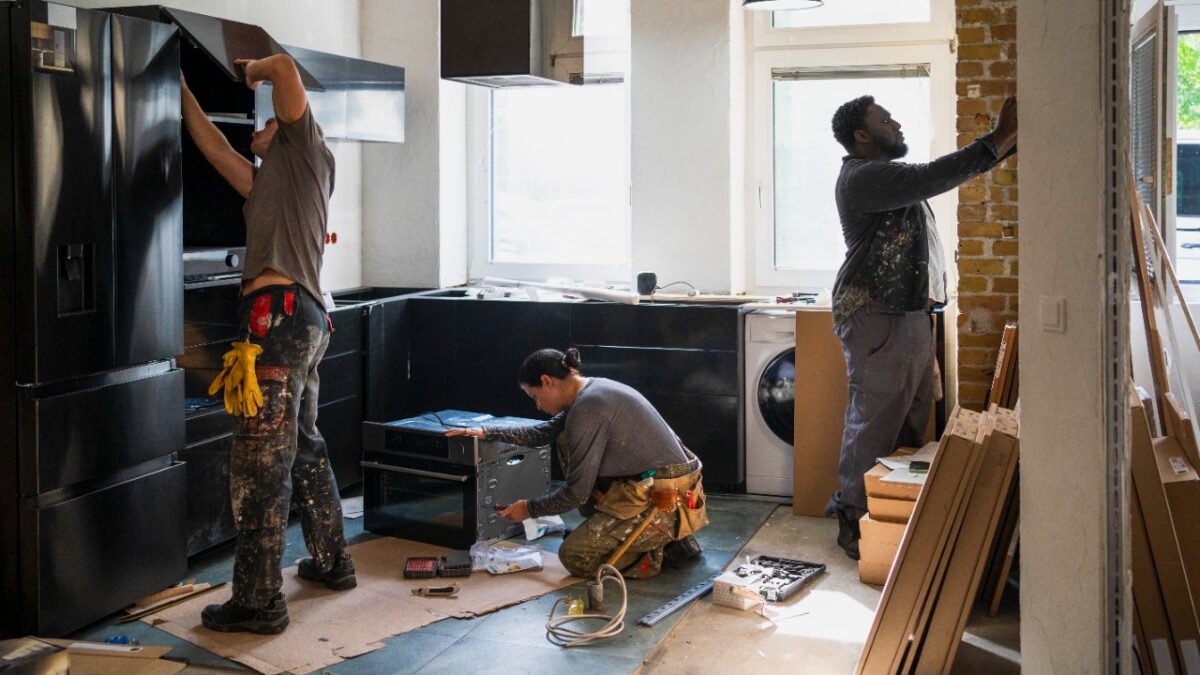
A full remodel changes the home’s structure and layout. It may involve removing walls to open rooms. New rooms can be added or existing ones enlarged. Floors, ceilings, and stairs might be rebuilt. The goal is a fresh, new design inside the home.
This work often requires permits and professional help. It can include updating kitchens and bathrooms completely. Electrical and plumbing systems usually get a full upgrade. The process is long but results in a major transformation.
Typical Renovation Activities
Renovation focuses on fixing and improving without major structural changes. It often means painting walls and replacing flooring. Cabinets and countertops might be updated or repaired. Fixtures like lights and faucets can be swapped out.
The home’s layout stays mostly the same. Renovations freshen up the space and improve function. They are faster and less costly than remodels. Small repairs and cosmetic updates fall under renovation.
System Upgrades
Both remodeling and renovation can include system upgrades. Electrical wiring might be replaced for safety and efficiency. Plumbing lines could be updated to prevent leaks and improve water flow. Heating and cooling systems often get modernized.
Upgrades support new designs and make homes more comfortable. They also help reduce energy bills by using better technology. System work is crucial to maintain a safe and livable home.
Cost Differences
Understanding the cost differences between home remodeling and home renovation is vital. These two projects vary widely in scope, and so do their expenses. Knowing what impacts your budget helps you plan better and avoid surprises.
Remodeling Expenses
Remodeling usually costs more than renovation. It involves changing the structure or layout of your home. This means more labor and materials, such as removing walls or adding new rooms. Structural work requires skilled contractors and permits, which add to the price. High-end finishes and custom designs also increase remodeling costs.
Renovation Budget
Renovation focuses on updating or restoring a space without major changes. It often includes painting, new flooring, or fixing fixtures. Renovations tend to cost less because they do not alter the home’s structure. Homeowners can do many renovation tasks themselves, saving money. Renovation budgets are easier to control and usually smaller than remodeling budgets.
Hidden Costs
Both remodeling and renovation projects can have hidden costs. Unexpected problems like water damage or outdated wiring may appear once work begins. Permit fees and inspections can add extra charges. Delays and changes during the project also increase expenses. Planning for these hidden costs avoids budget stress and helps keep the project on track.
Value Impact
Understanding the value impact of home remodeling and renovation helps homeowners make smart choices. Both projects can increase your property’s worth. They also improve how your home works for daily life. Yet, the way they add value differs in scope and cost.
Increasing Home Value
Home remodeling changes the home’s structure or layout. These changes often attract buyers looking for modern spaces. Remodeling kitchens or bathrooms can boost appeal and market price. Renovation mainly refreshes surfaces and finishes. It makes homes look newer without major changes. Both raise home value, but remodeling usually adds more.
Return On Investment
Renovations often cost less and provide quick returns. Simple updates like painting or new flooring improve appearance fast. Remodeling requires more money and time but can yield higher profits. Structural upgrades or room additions appeal to buyers wanting extra space. The choice depends on budget and how long you plan to stay.
Functionality Improvements
Remodeling improves how a home functions daily. Changing layouts creates open spaces and better flow. It can add rooms or update outdated systems. Renovation fixes wear and tear, making the home safer and cleaner. Both enhance comfort, but remodeling offers deeper changes for modern living.
Planning And Permits
Planning and permits play a crucial role in both home remodeling and renovation projects. Proper planning ensures the project meets your needs and follows local laws. Permits protect your investment and keep the work safe and legal.
Design And Contractor Roles
In remodeling, designers often focus on structural changes. Contractors handle major construction work like walls and layouts. Renovation design usually targets cosmetic updates. Contractors fix or replace existing features. Both projects need clear communication between you, designers, and contractors.
Permit Acquisition
Remodeling often requires more permits due to structural changes. Permits cover electrical, plumbing, and building modifications. Renovations may need fewer permits if they do not alter the structure. Always check local rules before starting. Permit approval can prevent fines and delays.
Project Timeline
Remodeling usually takes longer because of complex work. Permit approval can add extra days or weeks. Renovation projects tend to be quicker with less disruption. Planning helps set realistic timelines. Clear schedules keep the project on track and reduce stress.
Popular Areas To Remodel Or Renovate
Popular areas to remodel or renovate focus on key spaces that impact daily life and home value. These projects often improve comfort, style, and functionality. Many homeowners choose updates that make a strong impression without extensive work. Understanding popular areas helps decide which approach fits your needs.
Kitchen Updates
The kitchen is the heart of a home. Remodeling here can change the layout for better flow. Renovations might include new cabinets, countertops, or fresh paint. Upgrading appliances and lighting also refreshes the space. Small changes create a big impact in this busy area.
Bathroom Enhancements
Bathrooms often see both remodeling and renovation projects. Remodeling might add space or change the layout. Renovations typically update fixtures, tiles, and paint. Adding modern features like better showers or storage improves comfort. Clean, updated bathrooms add value and appeal.
Whole-home Refresh
A whole-home refresh combines several renovations without major structural changes. This can mean new flooring, paint, and lighting throughout. It improves the home’s look and feel at once. This approach is less disruptive and more affordable than full remodeling.
Energy And Technology Upgrades
Energy and technology upgrades play a key role in both home remodeling and renovation projects. These upgrades enhance comfort, reduce energy costs, and bring modern convenience. Understanding the difference between remodeling and renovation helps homeowners plan these improvements effectively.
Smart Home Integration
Smart home integration adds technology to control lighting, security, and climate. Remodeling often includes installing new smart systems to fit redesigned spaces. Renovation can upgrade existing systems for better performance and usability. These upgrades make homes safer and more convenient.
Energy Efficiency Improvements
Energy efficiency improvements reduce power use and lower bills. Remodeling may involve changing windows, doors, and insulation to improve efficiency. Renovation updates older systems like HVAC or lighting to save energy. Both approaches help create a more eco-friendly home.
Sustainable Materials
Sustainable materials support a healthy environment and reduce waste. Remodeling uses these materials to build new structures and finishes. Renovation replaces old materials with eco-friendly options during updates. Choosing sustainable products helps protect the planet and adds value to the home.
Credit: mccoymart.com
Frequently Asked Questions
What Is The Difference Between A Home Renovation And A Home Remodel?
Home renovation updates surfaces and aesthetics without changing structure. Home remodel changes the layout and structure for new functionality and design.
What Is The 30% Rule In Remodeling?
The 30% rule in remodeling limits renovation costs to 30% of a home’s value. It helps maintain property value and budget control.
What Does A Full Remodel Include?
A full remodel includes structural changes, system upgrades, layout reconfiguration, new electrical and plumbing, and updated finishes like flooring and cabinetry.
Is $100,000 Enough To Renovate A House?
$100,000 can cover basic to moderate home renovations. Costs depend on house size, location, and project scope. Prioritize essential repairs and upgrades for best results.
Conclusion
Understanding the difference between remodeling and renovation helps you plan better. Renovation refreshes your home’s look without changing its structure. Remodeling changes the layout and structure for a new design. Both improve your home’s value and comfort. Choose what fits your needs and budget best.
Clear goals make the process smoother and more successful. Now, you can decide confidently between remodeling and renovation.