

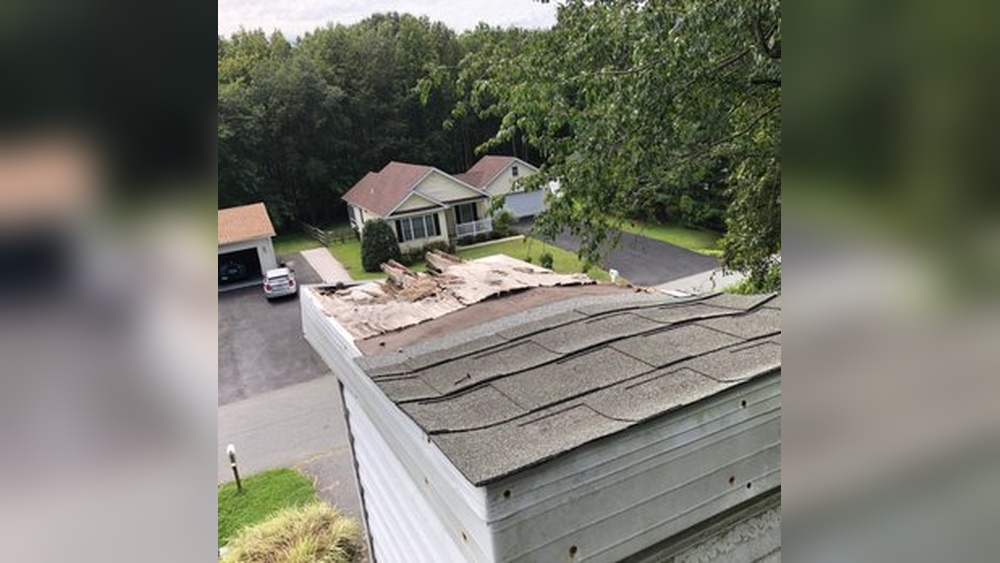
You hired a contractor to improve your home, expecting the job to be done on time and to your satisfaction. But now, the work is unfinished, and the contractor seems to have disappeared or lost interest.
What do you do next? Feeling stuck and unsure can be frustrating, but you’re not powerless. Understanding your options and knowing how to act can turn this situation around. You’ll discover practical steps to take if your home improvement project was not completed by your contractor.
Keep reading to protect your investment, get the work finished, and regain control of your home.
Signs Of Incomplete Work
Recognizing signs of incomplete work helps protect your home and your investment. Unfinished projects often cause stress and delays. Spotting the issues early lets you take action quickly. These signs show that the contractor did not finish the job properly.
Identifying Unfinished Tasks
Look for areas where work seems stopped or missing. Walls may lack paint or drywall may be exposed. Flooring might be incomplete or uneven. Cabinets and fixtures could be absent or loose. Check if electrical outlets or plumbing are unfinished. These gaps indicate the project is not done.
Note any debris or tools left behind for a long time. This often means the contractor abandoned the site. Watch for discrepancies between your contract and actual work. Missing features or skipped steps show tasks remain incomplete.
Assessing Quality And Safety Issues
Incomplete work can cause safety risks around your home. Loose wires, exposed nails, or unstable structures are warning signs. Poor craftsmanship may lead to cracks, leaks, or drafts. These problems reduce your home’s value and comfort.
Check if doors and windows open and close smoothly. Uneven surfaces and gaps can let in water or pests. Faulty electrical or plumbing work can cause hazards or damage. Identifying these issues early helps prevent costly repairs later.
Credit: www.levelset.com
Reviewing Your Contract
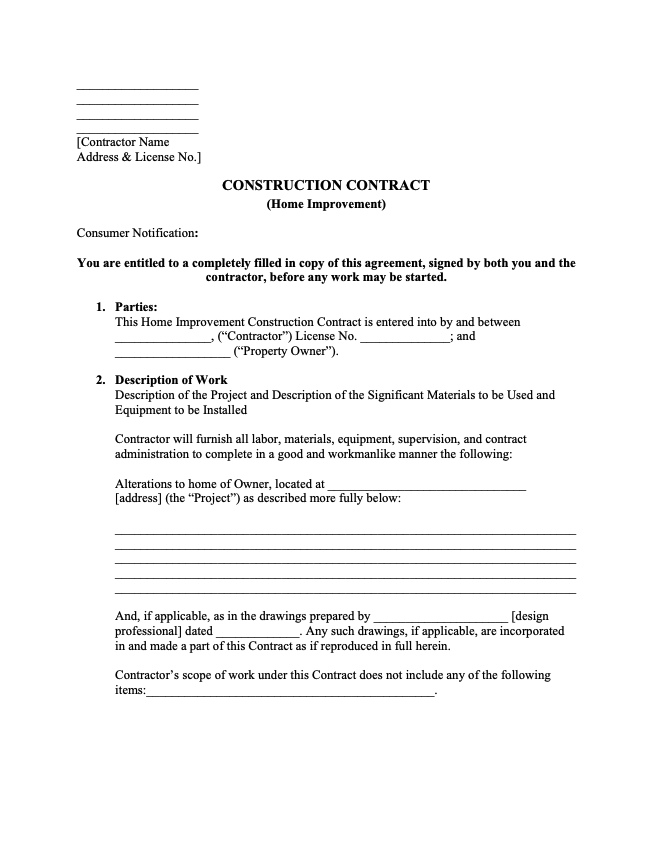
Reviewing your contract is a crucial step if your home improvement project is unfinished. The contract holds the details about work scope, timelines, and payment terms. It helps you understand what the contractor agreed to do. This knowledge guides your next actions and protects your rights.
Start by carefully reading the entire contract. Note any sections that mention incomplete work or delays. This review can reveal if the contractor has breached the agreement and what remedies you might have.
Key Clauses To Check
Focus on clauses about the project scope and deadlines. Look for specific work descriptions and completion dates. These clauses show what the contractor promised to finish and when. Also, check the payment terms. See if payments are linked to milestones or final completion.
Review the termination clause. It explains under what conditions you or the contractor can end the contract. Notice any penalties for failing to finish on time. These details can support your claim if the contractor did not complete the job.
Understanding Your Rights And Obligations
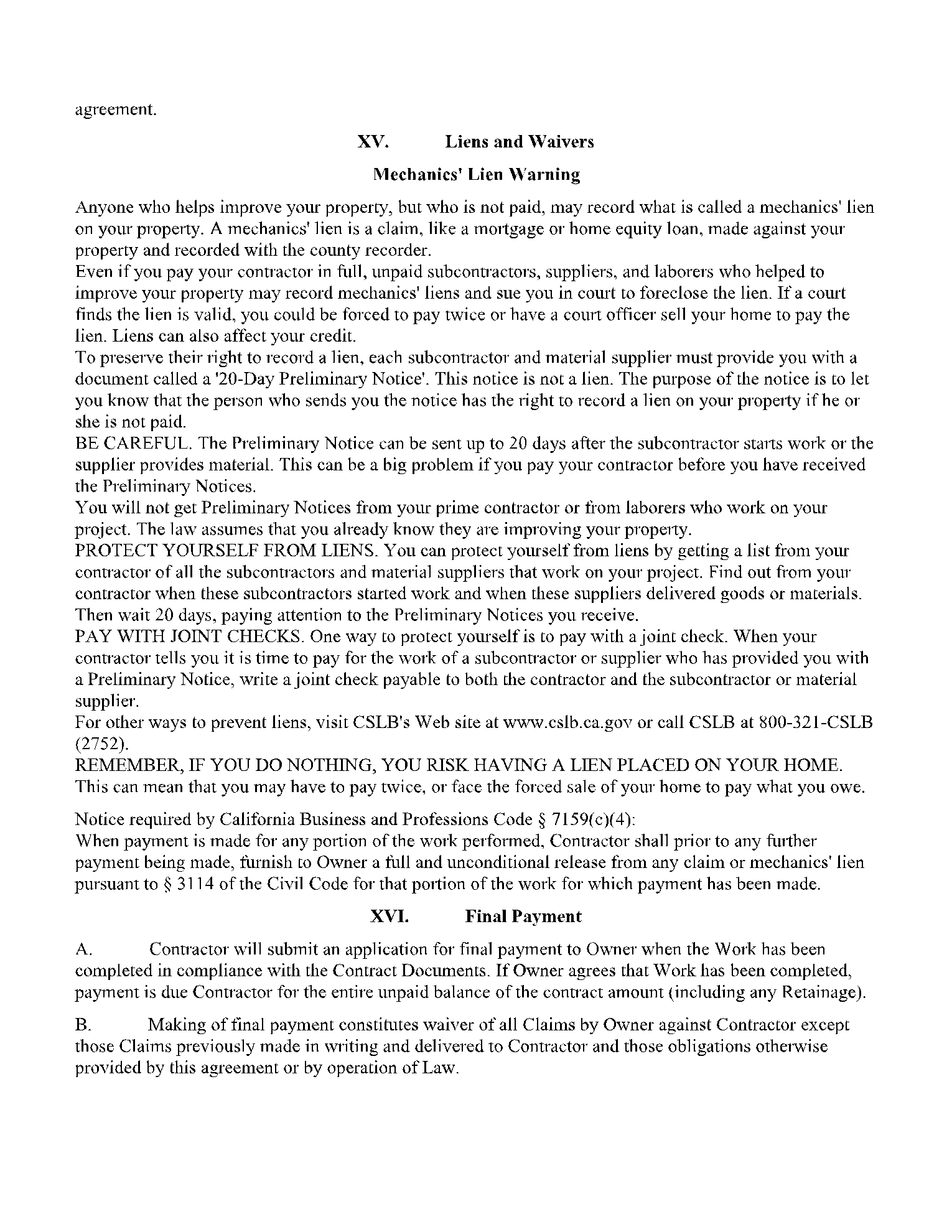
Your contract defines your rights and duties. You may have the right to withhold payment until work is done. The contractor may be obligated to finish the project or fix issues.
Check if the contract requires you to notify the contractor about problems formally. You might need to give them time to correct incomplete work. Knowing your obligations avoids misunderstandings and strengthens your position.
If the contractor breached the contract, you could seek compensation or hire another professional. Understanding these details helps you decide the best way to resolve the issue.
Communicating With The Contractor
Clear communication with your contractor plays a key role in resolving incomplete home improvement projects. It helps set expectations and can prevent misunderstandings. Staying calm and professional encourages cooperation and progress. Keep detailed records of all interactions to support your case if needed.
Documenting Conversations
Write down every conversation with your contractor. Note the date, time, and what was discussed. This record helps if disputes arise later. Use emails or text messages when possible, as they provide written proof. If you speak by phone, summarize the call in a follow-up message. Keep copies of all documents related to the project.
Requesting A Completion Timeline
Ask your contractor for a clear timeline to finish the work. A specific schedule shows their commitment. Request updates regularly to track progress. If the contractor cannot provide a timeline, this may signal a problem. Use the timeline to hold them accountable. Keep all agreements in writing for reference.
Credit: cocosign.com
Sending Formal Notices
Sending formal notices is a key step when your home improvement project remains unfinished. This action shows you are serious about resolving the issue. It creates a paper trail. This can help if legal steps become necessary. Clear communication encourages the contractor to complete the work promptly.
Formal notices should be polite but firm. They must state your concerns clearly. The goal is to motivate the contractor to act without delay. Below are two important parts of sending formal notices.
Drafting A Written Demand
Start with a written demand letter. This document outlines the problem and your expectations. Describe the work that remains incomplete. Include any previous conversations or agreements. Use simple, direct language. Avoid threats or harsh words. State that you expect the project to be finished. Mention the contract terms if needed. Send the letter by certified mail or email. Keep a copy for your records. This shows you are serious and organized.
Setting Deadlines For Completion
In your notice, set a clear deadline for completion. Choose a reasonable date based on the work left. Explain that you expect all work done by this date. Mention that failure to meet the deadline may lead to further action. This encourages the contractor to prioritize your project. A firm deadline helps avoid ongoing delays. It also strengthens your position if you need legal help later.
Exploring Dispute Resolution
When a home improvement project is not finished by the contractor, it often leads to frustration and confusion. Resolving such disputes calmly helps protect your interests and avoid unnecessary costs. Exploring dispute resolution methods can offer a clear path to solve problems without lengthy court battles.
Dispute resolution involves talking through issues with the contractor or using structured processes to find a fair solution. This approach saves time and money. It also helps maintain a professional relationship and often results in quicker completion of your project.
Mediation And Arbitration Options
Mediation involves a neutral third party who helps both sides talk and reach an agreement. The mediator does not decide the outcome but guides the discussion. This method is less formal and usually faster than court cases.
Arbitration is more structured. An arbitrator listens to both sides and then makes a binding decision. It is like a private court. Both parties agree to accept the arbitrator’s ruling. Arbitration is often faster and less costly than lawsuits.
When To Involve A Third Party
Bringing in a third party is wise when direct talks fail. If you and the contractor cannot agree on the unfinished work, a mediator or arbitrator can help. This step is useful before filing a lawsuit.
Use third-party help if the contract includes a dispute resolution clause. Many contracts require mediation or arbitration before court action. Check your contract terms carefully to follow the correct steps.
Third-party involvement helps protect your rights and can lead to faster solutions. It also avoids the stress and expense of going to court. Acting early with dispute resolution tools keeps your home project moving forward.
Filing Complaints And Claims
Filing complaints and claims is an important step if your home improvement project is not finished. It helps protect your rights and may recover your losses. Acting quickly and knowing the right channels can improve your chances of a fair outcome.
Contacting Licensing Boards
Licensing boards regulate contractors in your state. They handle complaints about poor work or unfinished jobs. Start by gathering all documents like contracts and payment receipts. Then, file a formal complaint with the board online or by mail. The board can investigate and may suspend or revoke the contractor’s license. This process holds contractors accountable and warns others.
Using Small Claims Court
Small claims court allows you to sue for money owed without a lawyer. It is faster and less expensive than other courts. Check your state’s limit on small claims cases. Prepare by organizing evidence such as contracts, photos, and communication. Present your case clearly to the judge. Winning may result in payment for incomplete work or damages. This legal option can enforce your rights effectively.
Seeking Legal Action
When a home improvement project remains unfinished, seeking legal action might become necessary. Taking legal steps protects your rights and helps ensure the contractor fulfills their obligations. Understanding your options is key to resolving disputes efficiently and fairly.
Breach Of Contract Lawsuits
A breach of contract lawsuit arises when a contractor fails to complete the agreed work. The contract acts as a legal promise between you and the contractor. If the contractor abandons the project or performs poorly, they break this promise.
Filing a lawsuit can force the contractor to finish the job or compensate you. Courts often require proof of the contract terms and how the contractor failed to meet them. Keep all documents, receipts, and communication records safe to support your case.
Recovering Damages And Costs
Legal action can help you recover damages caused by incomplete work. These damages include the cost of hiring a new contractor to finish the job. You may also claim compensation for delays and any related expenses.
Courts assess the financial losses you suffered due to the contractor’s failure. Present clear evidence of your extra expenses and losses. This step ensures you receive fair reimbursement and covers the impact of the unfinished project.
Withholding Payment
Withholding payment is a common step when a home improvement project is left unfinished by a contractor. It means you keep back some or all of the money until the work is properly completed. This action can motivate the contractor to finish the job or fix any issues. However, withholding payment must be done carefully to avoid legal problems.
Legal Considerations
Contracts often state when and how payments should be made. You must review your contract before holding back money. Some states have laws that protect contractors from unfair payment practices. If you withhold payment without valid reasons, the contractor might sue you for breach of contract. Proper documentation of incomplete work is crucial. Take photos and keep all communication records with your contractor. Consult a lawyer to understand your rights and avoid penalties. This helps ensure you act within the law while protecting your interests.
Strategies To Protect Your Interests
Communicate clearly with your contractor about the issues. Send a written notice explaining why you are withholding payment. Set a deadline for the contractor to complete the work. Consider hiring an independent inspector to assess the quality and progress. Keep all receipts and invoices related to the project. If the contractor does not respond, explore mediation or small claims court. Avoid paying the full amount until the work meets your expectations. These steps help protect your money and encourage the contractor to finish the job.
Hiring A New Contractor
Hiring a new contractor after the original one fails to complete your home improvement project can feel overwhelming. It is crucial to choose the right professional to finish the job well and on time. Taking careful steps during this process reduces stress and ensures your home is restored properly.
Evaluating Potential Replacements
Start by checking the new contractor’s license and insurance. These prove they meet legal and safety standards. Ask for references and look at past work photos. This helps you see their quality and reliability. Read online reviews and ratings to understand other clients’ experiences. Get detailed quotes from multiple contractors to compare prices and timelines. Confirm they understand your project and can commit to finishing it quickly.
Managing Transition And Completion
Prepare all documents from the previous contractor for the new one. This includes contracts, plans, and permits. Communicate clearly about what work remains and your expectations. Set a realistic deadline to avoid further delays. Monitor progress regularly and stay in contact. Pay in stages after each milestone is completed. This keeps the contractor motivated to finish the job well and on time.
Preventing Future Issues
Preventing future issues after a home improvement project fails requires careful planning. Taking steps before hiring a contractor can save time, money, and stress. Clear communication and proper research help avoid unfinished work. These actions build trust and protect your investment in your home.
Tips For Vetting Contractors
Check references from past clients to learn about their experience. Verify the contractor’s license and insurance to ensure legitimacy. Read reviews on trusted websites for honest feedback. Ask for a detailed portfolio of completed projects. Meet the contractor in person to discuss your needs. Trust your instincts if something feels off. A well-vetted contractor is less likely to leave work incomplete.
Setting Clear Expectations
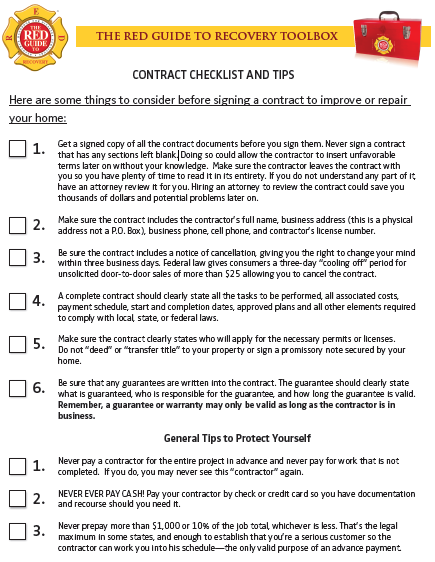
Write a detailed contract outlining the project scope and timeline. Include payment schedules tied to specific milestones. Clarify who handles permits and inspections. Define materials and brands to be used. Agree on a communication plan for updates and issues. Confirm how changes or delays will be managed. Clear expectations reduce misunderstandings and keep the project on track.
Credit: theredguidetorecovery.com
Frequently Asked Questions
What To Do If A Contractor Fails To Complete A Job?
Document all communication and review your contract terms. Communicate concerns to the contractor promptly. Consider hiring another professional to finish the work. File a complaint with licensing boards or consumer protection agencies. Pursue legal action, such as small claims court, if necessary.
Do I Have To Pay A Contractor For Incomplete Work?
You do not have to pay a contractor for incomplete work if they breach the contract. Withhold payment until completion or legal resolution.
What Happens If A Contractor Doesn’t Finish On Time?
A contractor who misses the deadline may face breach of contract claims. You can seek compensation or legal action to recover losses.
Can You Sue A Contractor For Not Doing Work?
Yes, you can sue a contractor for not completing work. File a breach of contract claim in court within the legal deadline.
Conclusion
Dealing with an unfinished home improvement project can feel overwhelming. Start by reviewing your contract carefully. Communicate clearly with your contractor about your concerns. Document all conversations and keep records of payments. Seek legal advice if necessary to understand your rights.
Consider filing a complaint with local consumer protection agencies. Taking prompt action helps protect your investment and peace of mind. Remember, staying calm and organized improves your chances of a fair resolution.