


Are you planning to improve your home but unsure how to finance it? You’ve probably heard about HELOCs and home improvement loans, but do you know how they differ?
Low credit score? Our guide to a home improvement loan with bad credit compares six options, from FHA Title I to credit unions.
Choosing the right option can save you money and stress down the line. You’ll discover the key differences between a HELOC (Home Equity Line of Credit) and a home improvement loan. By understanding how each works, you’ll be better equipped to decide which fits your budget, project size, and financial goals.
Keep reading to find out which option can make your home renovation smoother and more affordable.
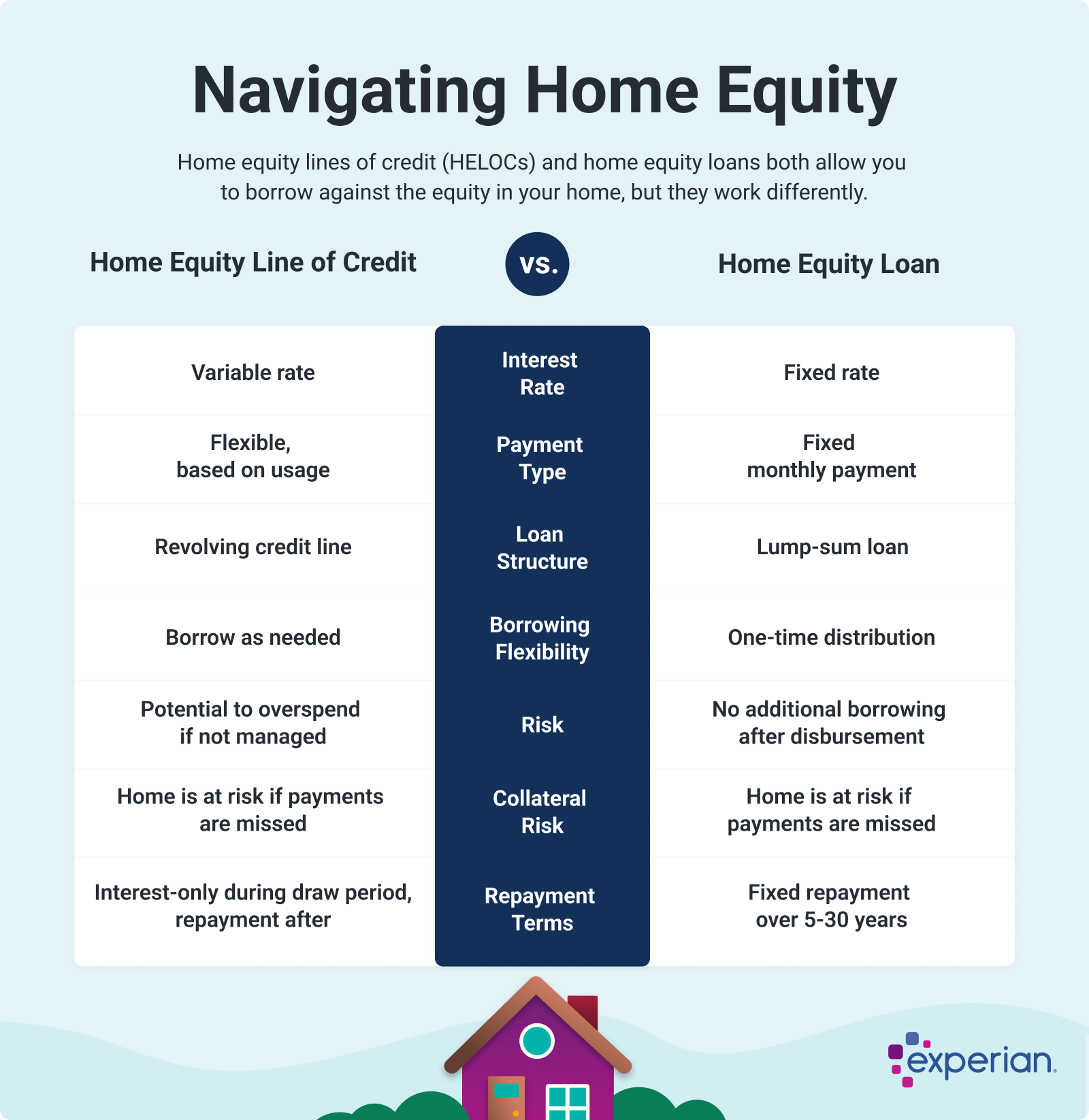
Credit: www.experian.com
Heloc Basics
Understanding the basics of a HELOC is important before choosing between it and a home improvement loan. A HELOC stands for Home Equity Line of Credit. It allows homeowners to borrow money using their home’s equity as collateral. This type of loan is flexible and works like a credit card. You can borrow, repay, and borrow again during the draw period.
Many people use HELOCs for home renovations, debt consolidation, or emergency funds. Knowing how a HELOC works helps you make smart financial choices. It also shows why it differs from a traditional home improvement loan.
What Is A Heloc
A HELOC is a revolving line of credit secured by your home. It lets you borrow up to a certain limit. This limit depends on your home’s value and how much you owe. Unlike a fixed loan, you don’t get all the money at once. You take only what you need, when you need it.
How Heloc Works
After approval, you get a credit limit based on your home equity. You can borrow from this limit over a draw period, often 5 to 10 years. During this time, you pay interest only on what you use. After the draw period, repayment starts, and you pay back principal and interest. Payments may change if the interest rate is variable.
Heloc Pros And Cons
HELOCs offer flexibility and lower initial payments. You borrow only what you need and pay interest on that amount. This makes HELOCs good for multiple or ongoing projects. Interest rates are often lower than credit cards or personal loans.
On the downside, HELOC interest rates are usually variable. Rates can rise, making payments higher. Since your home is collateral, missing payments risks foreclosure. Also, the credit limit can change if your home value drops. These risks mean HELOCs require careful planning.
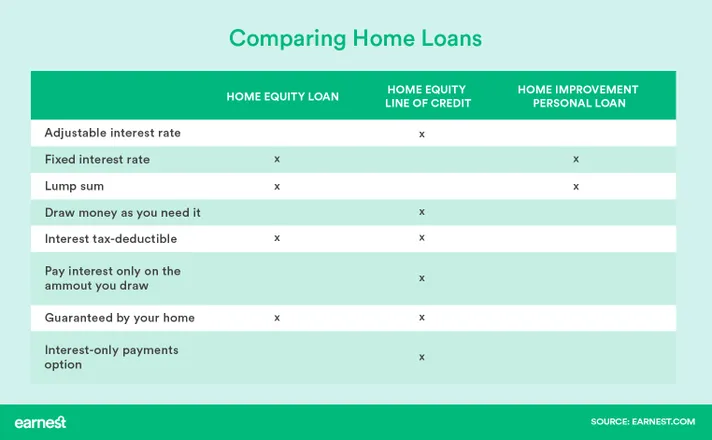
Credit: www.earnest.com
Home Improvement Loan Basics
Understanding home improvement loan basics helps you choose the right option. These loans provide funds specifically for renovating or repairing your house. They differ from other financing options like HELOCs in terms of structure and security.
Home improvement loans are usually unsecured, which means no collateral is needed. This can make them easier to get if you lack enough home equity. Still, they may have higher interest rates because lenders take on more risk.
What Is A Home Improvement Loan
A home improvement loan is money borrowed to fix or upgrade your home. It usually comes as a personal loan. You receive a set amount of money upfront and repay it with interest over time. Unlike HELOCs, these loans are not tied to your home’s value.
Types Of Home Improvement Loans
There are several types of home improvement loans. Personal loans are common and unsecured. They have fixed rates and terms. Another type is a secured loan, which uses your home or other assets as collateral. Some lenders offer specialized loans for energy-efficient upgrades or specific projects.
Loan Pros And Cons
Home improvement loans have clear advantages. You get a fixed amount with predictable payments. No risk of losing your home if you default. Approval can be faster than mortgage-based loans.
On the downside, interest rates can be higher than HELOCs or home equity loans. Loan amounts may be smaller. Also, if you have poor credit, rates can increase significantly.
Secured Vs Unsecured Loans
Understanding the difference between secured and unsecured loans helps in choosing the right borrowing option. Secured loans require collateral, often your home, to back the loan. Unsecured loans do not need collateral but usually have higher interest rates. The level of risk and borrowing terms vary greatly between these two types.
Heloc As Secured Loan
A HELOC is a secured loan. It uses your home equity as collateral. This means the lender can claim your home if you fail to repay. HELOCs usually have lower interest rates due to this security. The loan amount depends on the value of your home and your equity.
Home Improvement Loan As Unsecured Loan
Home improvement loans are often unsecured. They do not require collateral like your house. Because of this, lenders charge higher interest rates. Approval depends more on your credit score and income. Borrowers can use the loan for various projects without risking their home.
Impact On Borrower Risk
Secured loans like HELOCs put your home at risk if you cannot pay. Borrowers must be sure they can manage payments. Unsecured loans carry no risk of losing your home. But they can have stricter approval rules and higher costs. Understanding these risks helps you choose wisely.
Interest Rates And Payments
Understanding interest rates and payment structures helps you choose between a HELOC and a home improvement loan. These factors affect your monthly budget and total loan cost. Each loan type has distinct features that suit different financial needs.
Heloc Variable Rates
A HELOC usually has a variable interest rate. The rate changes based on market conditions. This means your monthly payments can go up or down. Initially, rates may be low, but they can increase over time. You only pay interest on the amount you borrow, not the total credit limit. This flexibility suits ongoing or phased home projects.
Home Improvement Loan Fixed Rates
Home improvement loans often come with fixed interest rates. Your rate stays the same throughout the loan term. This makes monthly payments predictable and stable. Fixed rates protect you from rising interest costs. These loans usually provide a lump sum upfront. They work well for projects with a clear budget and timeline.
Payment Structure Comparison
HELOC payments vary since the interest rate changes and borrowing is flexible. You may pay interest only during the draw period, then repay principal later. This can lower initial payments but may increase later. Home improvement loans have fixed monthly payments combining principal and interest. This helps with budgeting and debt planning. Choosing between them depends on your project type and financial comfort.
Best Uses For Heloc
A Home Equity Line of Credit (HELOC) is a flexible borrowing tool for homeowners. It taps into your home’s equity, letting you borrow as much or as little as needed. This flexibility suits different types of home projects and spending patterns. Knowing the best uses for a HELOC can help you make smart borrowing decisions.
Ongoing And Phased Projects
HELOCs are ideal for projects spread over time. You can withdraw funds in phases as each part of the project begins. This means you only borrow what you need at each stage. It helps avoid borrowing too much upfront and paying interest on unused money.
Flexible Borrowing Needs
With a HELOC, you borrow money like a credit card. You can take out funds multiple times during the loan period. This suits homeowners who face changing costs or uncertain project timelines. It also allows for quick access to cash for unexpected repairs or upgrades.
Diy And Multiple Projects
HELOCs work well for do-it-yourself projects and several small tasks around the house. You can use the credit line for new paint, fixing leaks, or upgrading appliances. This way, you manage many projects without separate loans for each. It keeps the process simple and cost-effective.
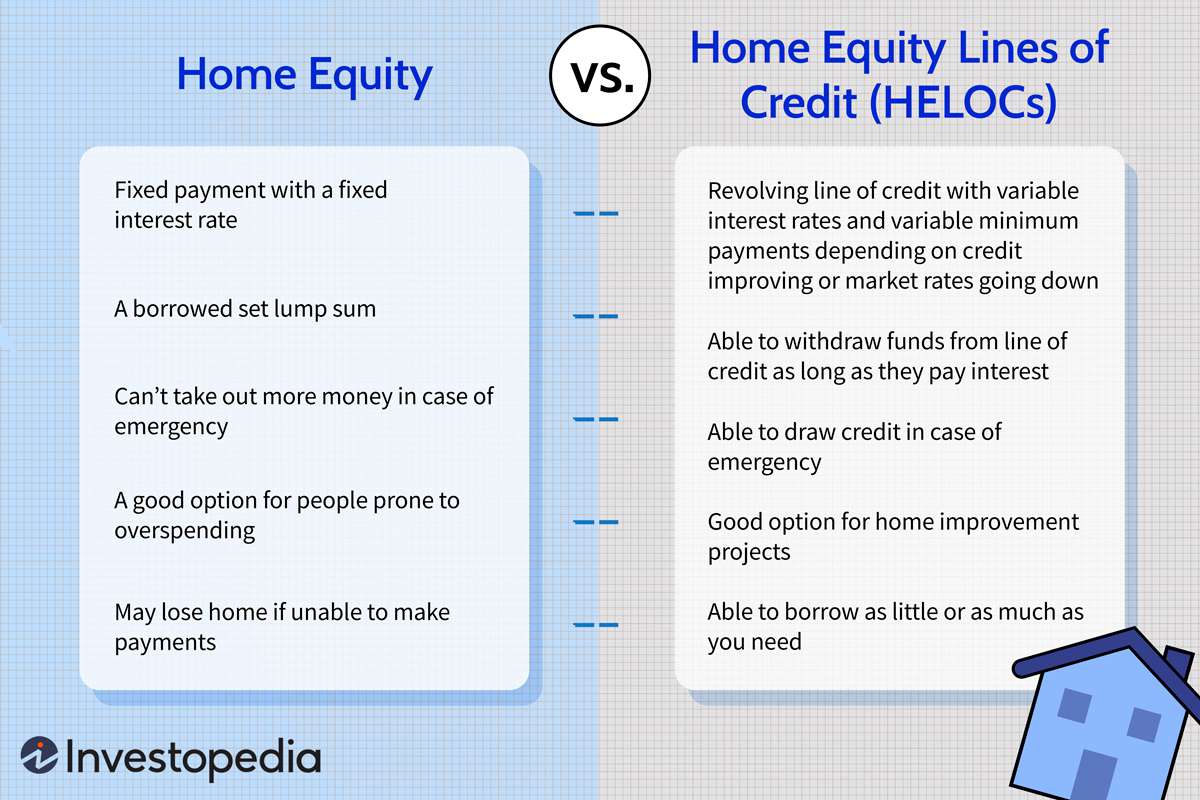
Credit: www.investopedia.com
Best Uses For Home Improvement Loan
Home improvement loans serve specific purposes that suit many homeowners. They provide a fixed amount of money to cover costs related to upgrading or repairing a home. These loans fit well with projects that have clear goals and budgets. Understanding their best uses can help you choose the right financing option for your needs.
Single Large Projects
Home improvement loans work well for one big project. Examples include roof replacement or kitchen remodeling. These loans give a lump sum upfront. This makes paying contractors easier. The loan covers the entire cost without needing multiple draws.
Predictable Costs
These loans have fixed interest rates. Your monthly payment stays the same over time. This predictability helps plan your finances. No surprises or rising payments. It’s easier to manage your budget with steady costs.
Simplified Budgeting
Since payments are fixed, budgeting is simple. You know exactly how much to pay each month. This helps avoid overspending. It also prevents needing extra funds later. Home improvement loans offer clear financial planning.
Alternatives To Heloc And Home Improvement Loans
Exploring alternatives to a HELOC and home improvement loans helps you find the best option. Different choices suit different financial situations and project types. Understanding these options can save money and reduce debt risks.
Cash Savings
Using cash savings avoids borrowing and interest charges. It gives full control over the spending. This option works well if you have enough saved for your project. It prevents increasing monthly payments or debt.
Cash-out Refinance
This replaces your current mortgage with a bigger one. The extra amount comes as cash for home improvements. It often offers lower interest rates than other loans. Keep in mind, it resets your mortgage terms and may extend payment years.
Personal Loans And Lines Of Credit
Personal loans do not require home equity as collateral. They offer fixed amounts and fixed interest rates. Lines of credit provide flexible borrowing up to a limit. These options suit those without enough home equity or who want faster approvals.
Risks And Considerations
Choosing between a HELOC and a home improvement loan requires careful thought. Both options have risks and factors to consider before borrowing. Understanding these risks helps protect your finances and home.
Using Home As Collateral
A HELOC uses your home as collateral. This means your house is at risk if you fail to repay. Missing payments can lead to foreclosure, losing your home. Home improvement loans usually do not require collateral, reducing this risk.
Interest Rate Fluctuations
HELOCs often have variable interest rates. Rates can rise, increasing your monthly payments. This makes budgeting harder and can strain your finances. Home improvement loans typically have fixed rates. Your payments stay the same, making it easier to plan your budget.
Budget And Risk Assessment
Assess your budget carefully before borrowing. Consider how much you can afford to repay each month. Think about unexpected expenses or income changes. Borrowing more than you can afford increases financial stress. Choose a loan option that fits your financial situation and risk tolerance.
Frequently Asked Questions
Is A Home Improvement Loan The Same As A Heloc?
A home improvement loan is an unsecured personal loan, while a HELOC uses your home equity as collateral. HELOCs offer revolving credit; home improvement loans provide a fixed amount.
Is A Heloc Better Than Cash For Home Improvements?
A HELOC offers flexible, revolving credit ideal for multiple or phased home projects. Cash avoids debt and interest but reduces savings. Choose HELOC for ongoing work; use cash if you want immediate, debt-free payment and have sufficient funds.
What Kind Of Loan Is Best For Home Improvements?
A HELOC suits ongoing or multiple projects with flexible borrowing. A home equity loan fits one large project with fixed payments. Personal loans work without home equity but usually have higher rates. Choose based on project size, cost predictability, and your equity.
What Is The Monthly Payment On A $50,000 Heloc?
The monthly payment on a $50,000 HELOC depends on the interest rate and repayment terms. Payments usually cover interest only initially. For example, at a 6% variable rate, interest payments start around $250 monthly. Principal payments increase total monthly costs during the repayment phase.
Conclusion
Choosing between a HELOC and a home improvement loan depends on your needs. HELOCs offer flexible borrowing for ongoing projects. Home improvement loans provide a fixed amount for one-time expenses. Consider interest rates, payment plans, and how much control you want.
Always weigh the risks, especially if your home secures the loan. Understanding these differences helps you pick the best option for your home repairs or upgrades. Make sure to match your choice with your budget and project scope. This way, you avoid surprises and manage costs better.