

Are you planning to update your living space but feel confused by terms like home improvement and remodeling? You’re not alone.
Many homeowners use these words interchangeably, yet they mean very different things—and understanding the difference can save you time, money, and stress. Whether you want to fix small issues or completely transform a room, knowing what each process involves helps you make smarter choices.
Read on to discover the key differences between home improvement and remodeling, so you can confidently plan your next project and get the results you truly want.
Home Improvement Basics
Home improvement covers simple tasks that keep your house in good shape. These tasks help maintain and update your living space without major changes. Understanding the basics of home improvement helps you decide what projects to take on first.
Small projects can make a big difference in how your home looks and feels. These efforts often save money by preventing bigger problems later. Home improvement is a great way to keep your home comfortable and attractive.
Minor Repairs And Updates
Minor repairs include fixing leaks, replacing broken tiles, or repainting walls. Updates might involve changing light fixtures or adding new cabinet handles. These jobs improve your home’s appearance and function without major construction.
Boosting Home Value
Simple improvements can increase your home’s market value. Fresh paint, clean landscaping, and updated kitchens attract buyers. These changes show that the house is well cared for and move-in ready.
Cost Considerations
Home improvement projects usually cost less than full remodels. Materials and labor for small repairs are affordable. Planning your budget carefully helps you avoid overspending on minor upgrades.
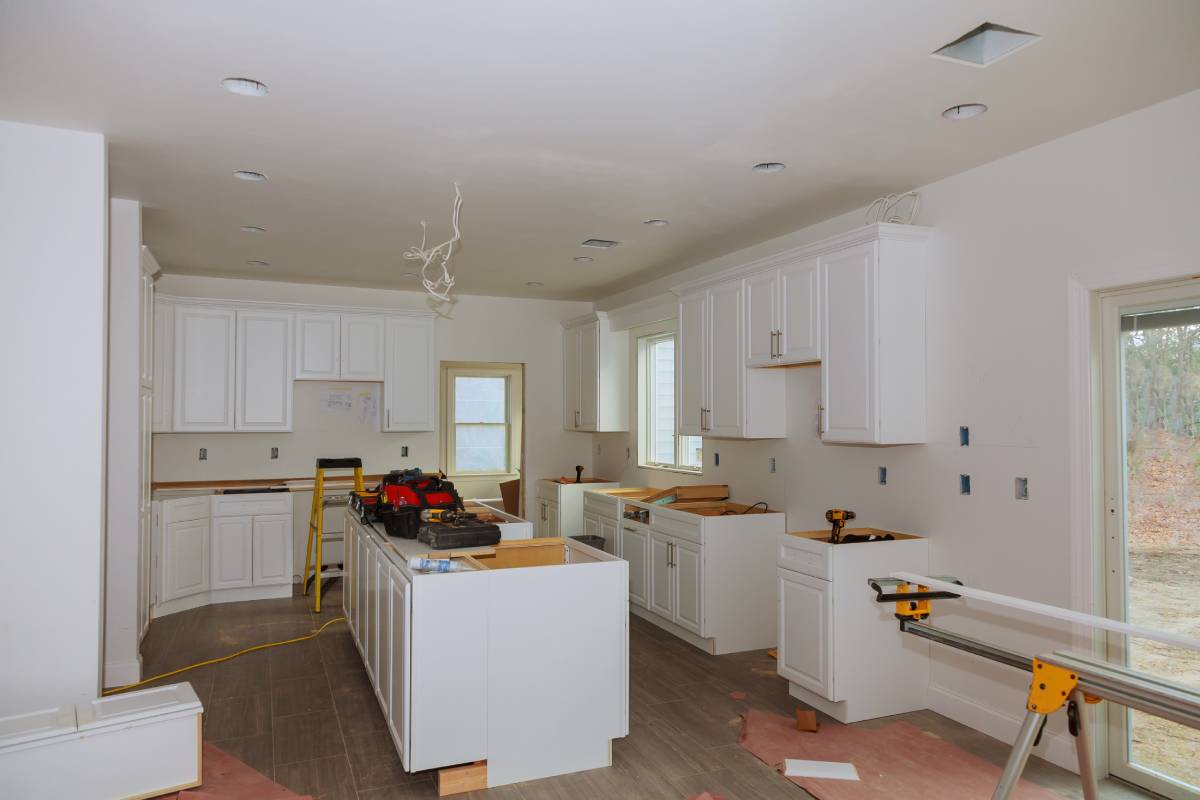
Credit: www.rndbuildersinc.com
Remodeling Essentials
Remodeling transforms your home by making significant changes. It involves more than just fixing or updating. Remodeling often changes the structure and layout of your space. This process can improve the function and appearance of your home in big ways.
Understanding the essentials helps you prepare for the challenges and costs. It also helps you set realistic expectations for the project timeline and results.
Structural Changes
Remodeling usually includes altering the home’s structure. You might remove or add walls to change room sizes. Sometimes, you change the roofline or add new windows. These changes improve the flow and usability of your home. Structural work often requires permits and professional help.
Demolition And Construction
Demolition is a key part of remodeling. It involves tearing down old walls, floors, or fixtures. After demolition, new construction begins to build the updated space. This process can be noisy and messy. It takes time and skill to complete these steps safely and correctly.
Impact On Living Spaces
Remodeling affects how you live during the project. Some areas may be unusable for days or weeks. Planning temporary living arrangements can reduce stress. The final result often brings more comfort and better use of space. Remodeling can make your home feel fresh and modern.
Budgeting For Large Projects
Remodeling costs more than simple repairs or updates. You must budget for materials, labor, and permits. Unexpected issues can raise costs, so add a buffer to your budget. Getting multiple quotes helps find a fair price. Smart budgeting ensures the project finishes on time and within cost.
Renovation Vs Remodeling
Understanding the difference between renovation and remodeling helps plan your home projects better. Both improve your living space but in distinct ways. Renovation refreshes and repairs existing features. Remodeling changes the structure or layout of a room or home.
Cosmetic Updates Vs Structural Alterations
Renovation focuses on cosmetic updates. This includes painting walls, replacing flooring, or fixing cabinets. These changes improve appearance without changing the home’s layout.
Remodeling involves structural alterations. It may include removing walls, adding new rooms, or changing plumbing and electrical systems. Remodeling changes how the space functions.
Time And Labor Differences
Renovations usually take less time and require less labor. Simple fixes and updates can be done in days or weeks. Remodeling projects often take longer. They need skilled workers for construction and design changes.
Diy Friendliness
Renovations are more DIY-friendly. Homeowners can paint, refinish floors, or install new fixtures themselves. Remodeling is less suitable for DIY. It involves complex tasks like structural work and permits. Professionals are often necessary for safety and code compliance.
Credit: www.dfwimproved.com
Planning Your Project
Planning your project is the first step before starting any work on your home. Clear planning helps avoid surprises and controls your budget. It guides you through making the right choices, whether improving or remodeling. Proper planning saves time and stress.
Every project needs careful thought about what you want and how much you can spend. This section will help you understand the key parts of planning.
Assessing Your Needs
Start by listing the issues or features you want to change. Think about what is broken or outdated. Decide if you want to fix, update, or completely change the space. Knowing your needs helps set clear goals for the project.
Choosing Between Improvement And Remodeling
Home improvement usually means small repairs or updates. Remodeling often involves bigger changes that alter the structure or design. Choose improvement for quick fixes or fresh looks. Pick remodeling for major changes like adding rooms or changing layouts.
Estimating Costs And Timeline
Calculate how much money you can spend on your project. Improvement projects tend to cost less and finish faster. Remodeling projects usually need a bigger budget and more time. Plan a timeline that fits your schedule and budget to avoid delays.
Regional Insights: Austin, Texas
Austin, Texas, offers a unique setting for home improvement and remodeling projects. The city’s vibrant culture and growing population influence design choices and project scopes. Understanding local trends helps homeowners make better decisions about upgrading their homes.
Homeowners in Austin balance tradition with modern styles. The climate and lifestyle also shape project priorities. These regional insights highlight how Austin differs from other areas in home updates.
Local Home Improvement Trends
Austin residents focus on energy efficiency and outdoor living spaces. Solar panels and smart home devices grow in popularity. Backyard patios and gardens become common home improvement projects. These upgrades add comfort without major structural changes.
Paint colors often reflect Austin’s earthy and vibrant palette. Small repairs like window replacements and landscaping updates also lead local trends. Most improvements aim to boost home value and curb appeal.
Remodeling Preferences In Austin
Austin homeowners favor open floor plans and modern kitchens. Large remodeling projects often include adding rooms or changing layouts. Many remodels blend rustic elements with sleek, contemporary designs. Natural light and eco-friendly materials rank high in priorities.
Historic homes in Austin see remodeling that preserves character while updating functionality. Bathrooms and kitchens get the most attention during remodeling. These projects usually involve permits and professional design help.
Working With Local Contractors
Austin contractors understand local building codes and climate needs well. Homeowners prefer firms with strong community ties and good reviews. Clear communication and transparency in costs matter most to clients.
Many local contractors offer both home improvement and remodeling services. Choosing a contractor familiar with Austin styles ensures smoother project completion. Scheduling and permits require careful planning in this busy market.

Credit: www.jchs.harvard.edu
Frequently Asked Questions
Is Home Improvement The Same As Remodeling?
Home improvement involves minor repairs or updates. Remodeling changes a room’s structure or layout significantly. Both impact home value differently.
What Qualifies As A Remodel?
A remodel involves structural changes like altering layouts or demolishing walls. It transforms a space’s form, not just its appearance.
What Is The 30% Rule In Remodeling?
The 30% rule in remodeling limits renovation costs to 30% of a home’s value. It helps prevent over-improving and ensures budget balance.
What Does A Full Remodel Include?
A full remodel includes structural changes, layout redesign, new fixtures, updated plumbing and electrical systems, and fresh finishes throughout.
Conclusion
Home improvement and remodeling serve different purposes for your home. Home improvement includes small repairs and updates to keep your home fresh. Remodeling involves bigger changes that alter the structure or layout. Understanding these differences helps you plan better and set the right budget.
Choose the option that fits your needs and goals best. Both can increase your home’s value and comfort. Think about the scope before starting any project. Clear goals lead to better results and less stress.