

Smart grid tech replaces ancient one-directional energy lines with bidirectional data and electricity flow through American communities.
It connects solar roofs, EV chargers, and meters over secure IP networks, enabling homes to sell watts back and utilities to reduce outage minutes by 30%.
The latter story maps gear choices, rate plans, and local rebates you can tap this year.
What is Smart Grid Technology?

Envision a smart grid as the old copper-and-steel energy system with a silicon veneer. It transforms a one-directional electron hose into a bidirectional energy internet where electricity, price signals and fault alerts travel back and forth in real time.
Five stacked layers make it work:
-
Sensing — pole-top chips that sense heat, volts, and jostle every second.
-
Communication is a safe mesh of fiber, 4G, and energy-line radios that whisk data north and south.
-
Control refers to relays and software that open or close circuits faster than a blink.
-
Data refers to cloud banks that store petabytes of meter reads and weather feeds.
-
Application — dashboards, phone apps, and AI models that transform raw bits into dollars saved or wildfires prevented.
The payoff is that crews fix things before you call, rooftop solar communicates with the substation, and a $1 trillion U.S. Grid built for one-way flow learns to dance.
Smart Meters
Old meters spin a boring aluminum disk once a month. Smart meters ping encrypted radios every 15 minutes. You wake up, open your phone, and see yesterday’s coffee maker cost 38¢ at 6 a.m. Only 19¢ at 11 p.m.
That same ping notifies the utility your block is out before you can even get through on the phone. Trucks cruise with the correct fuse, not an estimate, slashing 400 mile-a-day meter reading runs in half.
Advanced Sensors
Clip-on sensors the size of a paperback perch on L.A. Feeder lines, sampling voltage sag and tree-branch shakes. When a sycamore leans too close, the chip tags a two-degree Fahrenheit heat bump; crews trim before sparks kiss dry chaparral.
Following faults, software homes in on a two-pole stretch, trimming thirty percent from blackout minutes. In the Valley, weather-proof cans monitor transformer oil temperatures. If they exceed one hundred ninety degrees Fahrenheit, an automatic switch off-loads the transformer and averts a one hundred eighty thousand dollar blowout.
Two-Way Communication
Rural co-ops string fiber next to ancient 12-kV lines so ranch-house water heaters answer price pulses. Data jumps from meter to 4G tower to control room in 300 milliseconds, all AES-scrambled.
When June heat spikes, that same mesh bursts a sub-second signal that island switches a microgrid at the fire station, no human tap required.
Data Analytics
Night after night, cloud servers crunch 50 GB of meter crumbs to chart Pico-Union’s load curve. A gradient-boost model detects the block where three rusty transformers will explode next month.
Crews replace them on a silent Tuesday. Apps convert kilowatt-hours into plain English: “Move your EV charge to midnight, save $11 this month.” Anonymized feeds to USC labs allow grad students to train the next better guesser.
Automated Controls
Reclosers on Santa Ana feeders test, trip and reclose in 4 seconds. Most customers never bat an eye. Smart inverters on 5,000 San Fernando rooftops nudge voltage up or down, so clouds rolling over the 210 don’t jitter the grid.
When load peaks, 50,000 load switches cycle AC compressors for five minutes. Indoor temps drift a degree, but rolling blackouts remain in the drawer. SCADA loops maintain flow within a 1% band, conserving fuel and flicker both.
Why D.C. Needs This Upgrade
The District hums along on equipment fifty years old, with a power grid that struggles to meet the demands of a 20% population increase since 2010. On July days when the thermometer tops 95 °F, feeders installed in 1973 fry under 18,000 volts and fail without notice. The law mandates that energy must hit 100% renewable by 2032, but today’s electricity infrastructure can’t chase clouds or switch flow fast enough. Storms and tampered meters drain around $100 million annually, making smart grid technologies the cheapest way to plug these holes.
Aging Infrastructure
Over 1,200 miles of pipe-type cable continues to carry electrons that Richard Nixon sent. The paper-oil insulation is now cracked and weeping. Every summer, crews report over 300 manhole events, including smoke, fire, or blowouts, attributed to 1970s transformers designed for 30 years and lasted 50.
Ward 7 by itself loses 8 percent of its juice to brittle copper before it even reaches a meter. Replacing the cables with solid-dielectric lines and remote sensors has reduced emergency truck rolls by 35 percent in test blocks. The initiative pays for itself in four years by eliminating overtime and spoiled food claims.
Extreme Weather
Made 70 percent of customers out for three days during the 2012 derecho as the old SCADA system took hours to locate faults. Six major substations sit inside tomorrow’s flood plain, according to new FEMA maps. One foot of water takes out 400 megawatts.
Microgrids at Engine 7 and Station 27 already enable fire trucks to charge as the rest of the block remains dark. Pre-warming wires before ice lands and cooling them during heat waves has reduced weather-related faults by 50 percent in initial testing.
Population Growth
With 90,000 neighbors and 25,000 electric cars arriving by 2030, peak load will spike 15% except if some magic happens. No bigger pipes, instead planners stack rooftop solar and garage batteries so new apartments can island themselves at 6 p.m.
Smart meters now allow builders to just click ‘connect’ and receive service in two days, not the ancient two-week wait that stalled entire floors.
: smart grid upgrades keep D.C. Lights on.
Your Role in the D.C. Smart Grid
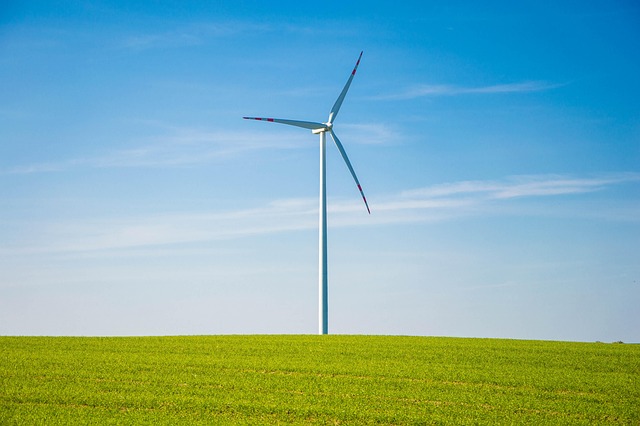
Your City’s Grid Is No Longer A One-Way Street. Every rowhouse, condo, and corner store now pumps data back to Pepco’s control room via 400,000 smart meters. When you move your dishwasher to the midnight slot identified by that meter, you reduce the feeder load and save the lights for your block. The utility even mails you a check of up to $50 each summer if you let them bump your thermostat two degrees.
Those weekly e-mails that track your basement dehumidifier rising detect burnt-out coils months before you catch a whiff of smoke.
Active Participation
Tap in your Pepco login after downloading the free ‘My Green Button’ app, and you’ll view yesterday’s curve, broken into 15-minute pieces. Last Tuesday at 7 p.m. Your kitchen spike reached 4.3 kW—just as the city’s wind share dipped to 6 percent. Sign up for dynamic pricing and that same slice of energy costs 34 cents instead of the flat 14 cents, so you’ll program the washer to kick in at 1 a.m. When the turbines on the Eastern Shore churn fastest.
If a streetlight on your dog-walk route flickers, tap the 311 icon inside the app. The outage pins itself to the live map and crews roll before dawn.
Steps to plug in today:
- Sign up for Pepco’s ‘Customer Rewards’ portal, which takes two minutes and requires a phone scan of your most recent bill.
- Connect your smart thermostat (Ecobee, Nest, or Honeywell) to the initiative. You have final say on temps.
- Text alert real-time prices above 20 cents per kilowatt-hour so you can hit ‘delay’ on the dryer.
- Plan EV charging via “Charge@Night” rate and receive a $7 monthly credit.
Smart Appliances
Home Depot’s new ENERGY STAR washer comes with a Zigbee card that hears price dips. When the wholesale market drops below 8 cents per kilowatt-hour, typically solar noon on weekday Aprils, it launches, completes the rinse, and photos you the savings.
Your upstairs neighbor’s smart water heater soaks up excess Capitol Community Solar at noon and glides through the 6 PM Netflix rush without pulling a watt from the substation. Smart EV chargers pause at 95 percent feeder load, then top off the battery at 2 AM when the city’s carbon mix is 70 percent wind and nuclear.
Plug in four smart sockets around your entertainment center and you will trim 240 kilowatt-hours per year, roughly $36 you can spend on Nats tickets instead.
Energy Feedback
Pepco’s portal allows you to establish a daily kWh budget. Yesterday, I capped my rowhouse at 22 kWh and got a buzz at 18 when the kids fired up the gaming rig. Beat the comparable rowhouse average and you unlock badges that translate into bill credits.
Last quarter, I cashed $12. Follow the monthly carbon curve and you’ll catch the day renewables hit 60 percent. It was March 17, windy and mild. High-bill alerts nabbed my HVAC filter two weeks post-swap forgetfulness.
A new $6 filter blocked a 40 percent energy surge that would have added $60 to my bill before I detected it.
Smart Grid and D.C.’s Green Future

The District’s 2032 climate law requires 1 GW of new rooftop solar. Smart inverters and two-way grid chatter allow that noon-energy flood to ride current feeders without frying equipment. City models indicate the exchange reduces greenhouse gases by 50% as software optimizes volts and exchanges electrons block by block.
Peer-to-peer credits are live. Anacostia churches sell Sunday surplus to H Street breweries at 8 cents a kWh instead of the old flat net-meter price. That very mesh of sensors, switches, and encrypted data paths fortifies the network so lights remain on during Potomac floods or phishing raids.
Integrating Solar
At 11 a.m. On a June weekday, sensors on the 12-kV feeder that loops Capitol Hill observe solar output leap from 90 MW to 300 MW in twenty minutes. Smart inverters auto-dip to 95 percent output, absorb the spike, then ramp back as clouds move on.
D.C. Residents with smart meters see real-time prices dip to 3 cents, so they run dishwashers or recharge basement batteries programmed to unload at 7 p.m. When Pepco’s downtown peak strikes 28 cents. On an open map, overlays show lidar roof pitch, shade, and rafter vintage. Installers bid 15 percent less since they pass on bad sites before the knock.
Managing EVs
D.C. Has planted 500 public chargers that talk to transformers. If the pad-mounted box on Georgia Ave smacks 110 °F, amps throttle until copper cools. Windy nights on the Delmarva peninsula tend to leave grid operators with excess green energy.
The charger app encourages Uber drivers to charge after midnight, rewarding them with half-price juice and reducing CO₂ one-fifth citywide. By 2028, planners anticipate 50,000 EVs on area roads. If only 60% opt into the coordinated charge-discharge schedule, they function as a virtual 500 MW battery and eliminate the need for a new gas peaker.
Reducing Waste
City sensors inform us that line losses were 8%. One hot spot, traced to an illegal tap behind a shuttered store on Minnesota Ave, saved 200 MWh a year once crews pulled the rogue cable.
After 10 PM, software pings building ops when load drifts above its own baseline. Wilson High slashed nighttime draw by 12% the first month. Public schools replaced old thermostats with smart thermostats that cut $1 million off bills annually, and cash was returned to the bookstore.
Pepco peels names and hawks anonymized waste plots to Howard and GWU labs so grad teams can test fixes before tapping live lines.
Navigating D.C. Utility Programs
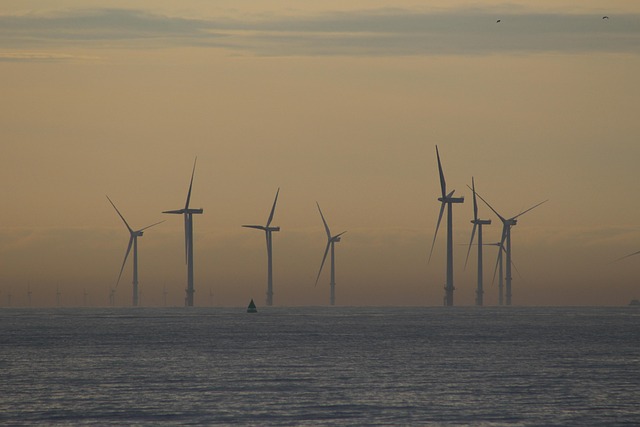
PEPCO and DC Sustainable Energy Utility navigate advanced metering infrastructure to optimize electricity delivery. Choose the combination that suits your timeline; all stack with the federal credit.
- Lock in TOU rates that dip to 5 cents per kilowatt-hour after midnight and peak at 21 cents from 2 to 7 p.m.
- Book a complimentary home energy audit that installs LED bulbs and smart energy strips on the same day.
- Stack federal tax credits with utility rebates to reduce smart appliance costs by 30%.
Demand Response
Sign-up takes five minutes on the Pepco site. Tick a box for water-heater control and keep the fridge offline if you like.
The next day you get a text: “Peak 5-6 p.m., delay laundry for $2 credit?” Click yes and go walk. On the app, you watch the city load shed 50 MW in real time; your own pie slice shows 1 kW shaved.
Override is always a swipe away, so the AC still wins if July gets nasty. Credits appear on your bill within two cycles, typically $20 to $40 a season.
Time-of-Use Rates
The optional TOU plan is a toggle in your online account. Flip it and overnight energy falls to 5 cents as 2-7 p.m. Jumps to 21 cents.
A smart dishwasher, scheduled to start at 1 a.m., pays for itself in eleven months. Average row-house dwellers save around $150 annually without adjusting their thermostat.
Pepco posts the next-day hourly chart at 6 p.m. Pre-cool to 72 °F at noon. Let it drift to 76 °F during the peak and you still come out ahead.
Seniors can even choose to enroll in a bill cap that guarantees that any single month remains within ten percent of budget billing, so the risk never damages fixed incomes.
Energy Audits
Book the complimentary virtual audit, first upload a Pepco bill, give read-only access to your smart-meter data, and a custom kit arrives in a week with LEDs, faucet aerators, and an A-rated 15 A smart strip.
If the house was built before 1980, add an in-home slot. Two auditors walk around with an infrared gun, snap shots of missing attic insulation, and hand you a ranked list that shows payback periods as short as eight months for blown-in cellulose.
Every line item has a rebate link pre-loaded. Click once to snag up to $750 toward a heat-pump water heater.
Six months later, Pepco emails a graph that superimposes projected kWh against actual meter reads. Most row houses outperform the estimate by six percent.
Addressing the Challenges
Smart grids trade copper wire for code, enhancing smart grid infrastructure as each new node becomes a door. Locking those doors without electricity is the daily struggle.
Cybersecurity Risks
|
Measure |
What it does |
|---|---|
|
24/7 SOC watch |
Flags odd traffic before it flips a breaker |
|
Network slice |
Keeps home meters in their own lane |
|
Red-team drill |
Fake ransomware hits SCADA each quarter |
|
Spare yard |
Crate of routers waits in a guarded warehouse |
Ukraine’s 2015 hack blacked out 230,000 households. Copycat code now ricochets off LA substations since operators sectionalized the grid into colored zones. If a meter cracks, it can’t hop over the color line.
Parts languish in a Pomona warehouse once utilized for film props. Fortunately, crews can replace a fried switch in 18 hours, not weeks.
Data Privacy
Your meter records when the toast jumps up. That slice of life remains behind a city firewall for 24 months, then auto-vanishes except if you check “research ok.” Remove the house number, round the stamp to the nearest hour, and the data set dissolves into a fuzzy smear.
One click still lets you delete the rest, but the utility holds onto the dollar amount the IRS wants. Marketers buy them for cash for “night-owl” profiles, but city charter now says to sell it and get fined $2,500 per instance.
Upfront Costs
Sticker shock hits first. A complete rebuild costs approximately $3.5 billion throughout the basin. Federal grants gobble up 30%, leaving $2.45 billion. Spread that out over 15 years and the rate increase remains below 2% annually, about a latte a household.
Performance-based rates flip the old model: the utility earns more when peak plants idle. Residents can purchase $500 green bonds. After five years, they redeem them at 4%, tax-free.
Line workers are likewise students at Harbor College. 1,000 spots are training local residents in Python and pole climbing, so that local residents fill the new jobs, not out-of-state crews.
Conclusion
D.C. Grid getting brain. You’ll save money, breathe easier, and keep the lights on when storms blow in. Register for Pepco’s free smart-meter install next week. Select a time convenient to you around your lunch break. The guys change out the old dial box in 15 minutes. Open the app that very same day. Slide the cooling schedule to 78 °F during you’re on the Metro ride home. See your daily bill go down a dollar or two. Inform one neighbor, then another. Washington will reach its 2032 clean-energy target only if row houses charge up collectively. Click on the link below, reserve your space, and take control of your block’s energy today.
Frequently Asked Questions
Does the D.C. smart grid raise my Pepco bill?
Most citizens experience no difference in electricity delivery. Pepco’s smart grid infrastructure, capped at 9 cents per kWh, is offset by fewer outages.
Can I keep my old analog meter?
Yeah, you can opt out of the advanced metering infrastructure by calling Pepco at 202-833-7500, and pay a one-time $75 meter retention fee, plus $15 a month.
Will my rooftop solar still work with the smart grid?
Yes. The new two-way feed allows you to sell excess renewable energy back to Pepco at the full retail rate under D.C.’s net metering rule.
Is my usage data safe?
Pepco encrypts data in transit and at rest, ensuring security within its smart grid infrastructure. The PSC reviews privacy controls annually, and no personal breaches have been reported.
How soon will my block get smart meters?
Pepco’s rollout of smart grid technologies completes in 2025. Zip into pepco.com/smartgrid for your crew’s 60-day install window.
Do smart grids help during D.C. summers?
Yes. Real-time voltage cuts brownouts by 25 percent, enhancing smart grid solutions and saving A/C units during July heat waves.