

Best hardware for white cabinets in matte black, brushed brass, or polished nickel. These fan favorites add contrast and complement just about any style we’ve seen in LA, from sleek downtown designs to beachy coastal aesthetics.
The perfect knobs and pulls can make your kitchen’s personality, giving it a certain vibe. This guide explores various hardware to help you pair your white cabinets with something that feels just right for your home.
Choosing Your Hardware Finish
Your cabinet hardware finish plays a huge role in your kitchen’s design, especially when considering options like gold hardware or nickel hardware. Various metals and materials bring to mind different styles, some modern and sleek, while others are warm and traditional, making it essential to determine how each finish complements the white kitchen cabinets.
The Warm Glow
Gold-toned hardware adds warmth and a luxe touch to sharp white cabinets. This is a flexible pairing. It works in everything from modern to traditional farmhouse kitchens.
Brass is a classic selection and is available in a few different sheens. Brushed brass lends a soft, matte finish for minimalist or Scandinavian designs, whereas polished brass offers a bright, reflective surface for a more luxurious vibe.
Of course, depending on your taste and style, bronze hardware brings a deep, aged character for a more rustic or antique appearance. Its darker hues provide a quiet contrast that is both earthy and elegant.
Rose gold offers a distinctive, contemporary option that bathes the area in a warm, pinkish glow that is stylish yet welcoming.
The Cool Classic
Silver-toned hardware offers a crisp, timeless appeal that amplifies the whiteness of white cabinets. Nickel is another great option, providing a slight warmth and soft sheen so your finish doesn’t feel too chilly.
If you want something a bit more hardy, stainless steel is a workhorse in contemporary kitchens. It goes great with appliances and gives off a sleek, professional vibe.
If you wish for a more glimmering, high-shine style, chrome provides a mirror-like finish that adds a chic, modern edge to the room.
The Bold Statement
Black hardware provides a striking, almost graphic juxtaposition to white cabinetry. This statement selection has the ability to ground the design and inject either a modern, industrial, or farmhouse vibe depending on the style of hardware.
To help inspire you, consider this example of how choosing your hardware finish carefully can help update your kitchen. If you have black countertops in the kitchen, black hardware really pulls the designer look together.
It is dramatic and very ‘now’. For a slightly more muted yet still striking impact, oil-rubbed bronze provides a combination of rich dark tones with subtle copper undertones, giving the cabinets a rustic, weighty presence.
The Earthy Touch
For a softer, more natural look, wood knobs and pulls add an organic texture and warmth. They can improve everything from rustic farmhouse to sleek Scandinavian designs.
Natural wood hardware perfectly complements the minimalism and neutral tones of white cabinets in a Japandi-style kitchen. We love bamboo pulls, especially when combined with brass accents, which is a sustainable and chic choice.
Brown hardware in general, whether wood or a dark metal finish, can inject a white kitchen with more coziness and grounding.
The Unseen Detail
Sometimes the best hardware is invisible. Go handleless with integrated pulls or push-to-open systems for the most minimalist look, especially paired with flat-front slab cabinets.
This way, the pristine white cupboards’ unblemished surface is center stage. When hardware is employed, opting for minimal, subtle pieces can complement the crisp lines of contemporary cabinets without overwhelming them.
We want to pick hardware that improves the design, like a delicate accent rather than a focal point. Specialty materials like leather can be incorporated to introduce a tactile dimension that is subtle and refined.
Beyond Color: Shape and Style
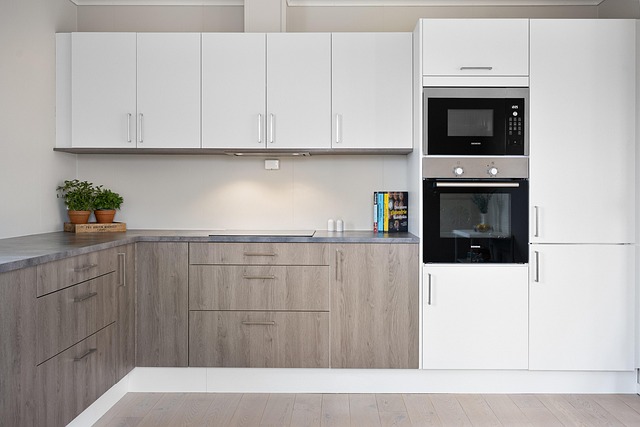
The shape and style of your cabinet hardware largely defines a kitchen’s final look. Beyond finish, the shape and style of knobs and pulls need to match the particular style of your cabinet doors. Knobs are single-point handles. Pulls have two attachment points. Mixing them up, knobs on doors and pulls on drawers for example, adds visual interest.
The trick is finding a shape that works with the cabinet’s build and your kitchen style and look as well.
For Shaker Cabinets
Honed in on this classic, bare frame of Shaker cabinets, I knew the hardware had to have straight edges. Basic bar pulls or minimalist knobs are a good fit as they reflect the style’s clean and utilitarian roots.
Hardware with a clean profile keeps it from being too busy. The objective is to accentuate the cabinet’s shape, not fight it.
For a timeless look, metal knobs in classic round or square shapes are a safe bet. They retain the Shaker style’s universal appeal and blend effortlessly into contemporary and classic kitchens.
For Slab Cabinets
The smooth, uninterrupted facade of slab cabinets allows you to complement this crisp look with streamlined, minimalist hardware. Slim handles continue to be the dominant choice as they introduce a defined line that emphasizes the modern vibe.
These pulls can be vertical or horizontal lines, highlighting the cabinet’s sleek lines without introducing clutter. Many homeowners opt for hardware that covers nearly the entire drawer or door width, making a quiet design statement that comes across as custom and deliberate.
For the most streamlined minimalist kitchen, try handleless designs. Integrated handles, such as a J-pull or a C-pull, are incorporated into the cabinet door itself, resulting in a clean aesthetic. This keeps to the pure, flat-panel design philosophy, providing utility with no visible hardware.
For Raised-Panel Cabinets
Since raised-panel cabinets are detailed and have a traditional feel, they best complement hardware with some personality. Ornate or antique-style pieces, such as drop pulls or knobs with decorative backplates, are a perfect match to the dimensional nature of the cabinet doors.
They lend a bit of textural sophistication that matches the vintage vibe of the design. Cup pulls or bin pulls are ideal for drawers and bring a vintage feel that seems just heavy enough to be chic.
The key is to select hardware with sufficient detail and presence to compete with the cabinet’s detailed profile without overwhelming it.
The Practical Side of Pretty
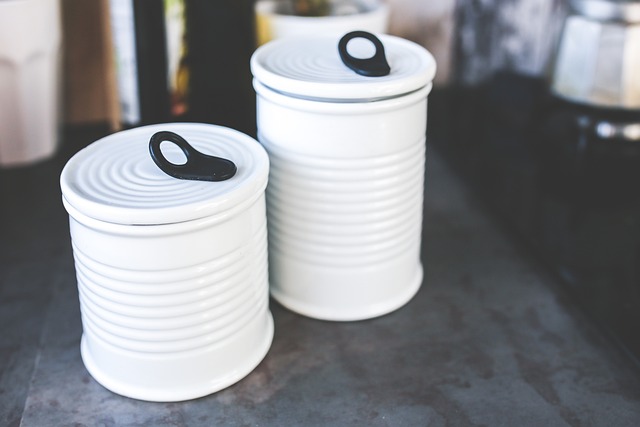
Style is oh-so-very important, but the right hardware, whether it be classic metal knobs or gold hardware, has to work day in and day out. Practical concerns such as how the hardware feels, its longevity, and how it fits into your budget are just as valuable. This attention to practical details, like choosing the perfect hardware color, makes your kitchen not merely pretty but darn useful as well.
Feel and Function
Hardware is such a touchpoint in your kitchen. It should feel good to use. Consider how a knob or pull feels in your hand. Does the grip feel organic? Do they have sharp edges?
Think about the dimensions and heaviness of each item. A big, bulky pull may be gorgeous on a huge pantry door but feel clunky on a tiny drawer. The trick is in finding a balance where the hardware complements the scale of the cabinetry.
Functionality bleeds into clearance. Make sure your hardware is selected so that you can open doors and drawers without knocking into neighboring cabinets or appliances. Cup pulls, for instance, are a traditional favorite for drawers, but you need sufficient space for your fingers to slide underneath.
After all, good external hardware plays best with fine internal innards. Matching your pulls with full-extension drawer glides, for example, grants you convenient access to all and renders your kitchen much more practical.
Durability and Cleaning
A kitchen is a high-traffic zone, which means your hardware has to hold up to daily abuse. Choose scratch, fingerprint, and tarnish resistant finishes. Certain materials such as unlacquered brass are selected deliberately for their propensity to develop a one-of-a-kind, weathered patina with age whereas others such as satin nickel or chrome provide a more uniform appearance with minimal maintenance.
The trick is to pick something with the maintenance that you want. For instance, textured finish hardware, such as oil-rubbed bronze, is incredibly charming but more work to keep free of gunk. At the end of the day, a hard-wearing, high-end finish will still look good for longer, so it’s worth the investment in a high traffic space.
Budgeting Your Bling
First, put down a solid hardware budget. It can get expensive, especially in a large kitchen, so knowing your budget lets you quickly eliminate many choices.
Look at cost differences. Similar styles are available at big-box home improvement stores, online retailers, and specialty hardware shops, frequently at drastically different price points.
Think bulk purchasing. Since most suppliers provide bulk discounts, you can save a lot if you’re equipping a whole kitchen.
Be sure to include potential installation costs and shipping fees. These additional costs can affect your overall budget, so plan for them early!
Coordinating Your Kitchen’s Look
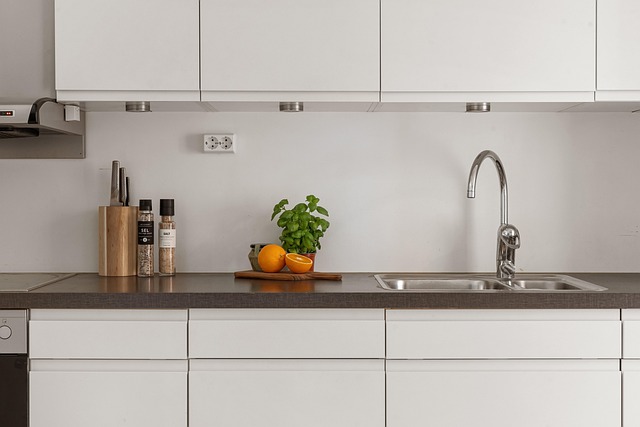
Choosing the perfect hardware is about styling a design that unifies components in your kitchen. White kitchen cabinets offer versatility and a clean look, serving as a blank slate. The trick is to have your hardware color coordinate with elements like white marble countertops and the backsplash for a cohesive finished appearance.
With Black Countertops
Hardware selection can be what brings together your white cabinets and black countertops. Black hardware is a confident choice for monochromatic style. White shaker cabinets with black hardware provide a visually balanced look, pairing simplicity with a strong accent.
It feels fresh and contemporary versus the look of years gone by designs. To tone down the high contrast, think gold or brass hardware. These warmer metals add a dash of sophistication and stop the space from being too cold.
Adding wooden accents can warm up the black and white palette, making it more earthy. Silver or nickel hardware creates a sleek, contemporary feeling. These cool-toned metals align with a minimalist style and keep the look clean and crisp.
Accessories aside from the usual rectangular hardware, alternatives like semi-circle geometric pulls or tiny dainty black knobs can provide a more unique personalized look to your cabinets.
With Stainless Appliances
If you have stainless steel appliances in your kitchen, your hardware can either disappear or steal the show. To achieve a cohesive design, coordinating your hardware finish with your appliances is a foolproof option. Silver, brushed nickel, or stainless steel pulls and knobs provide a clean line and cohesive feel and make the hardware an integrated part of the kitchen’s overall look.
This is especially effective in modern or transitional kitchens where uniformity is appreciated. You can make a conscious contrast. Black hardware offers a compelling counterpoint to the gleaming finish of stainless steel, creating depth and visual appeal without competing.
It’s particularly great when you want the hardware to stand out as a design feature. The hardware style should complement your appliances. For instance, modern, sleek appliances work well with long and narrow pulls, like the recently popular D-shaped or T-shaped handles that have a clean look.
With Your Backsplash
Your backsplash is an excellent opportunity to coordinate your hardware into your kitchen’s color and texture scheme. Let your hardware be the accent to its style. If your backsplash features subtle veining or metallic flecks, finding hardware that complements these accent colors helps your whole look feel curated.
For instance, a slab marble backsplash with gray veining looks amazing when paired with brushed nickel or chrome hardware. It accentuates the stone’s natural beauty. Hardware can give a basic, clean juxtaposition to a wild or colorful backsplash, so that the tile remains the eye-catcher.
The Art of Mixing Metals
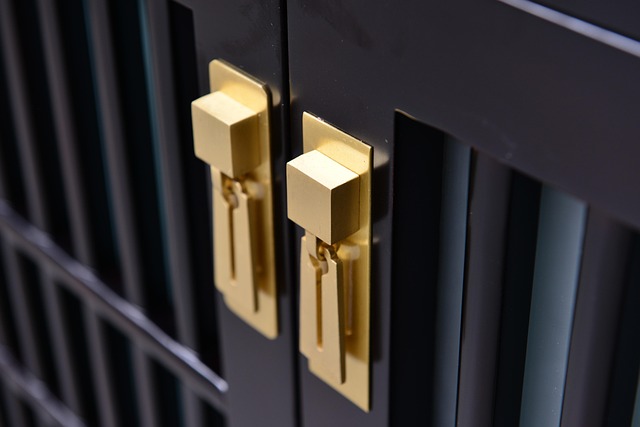
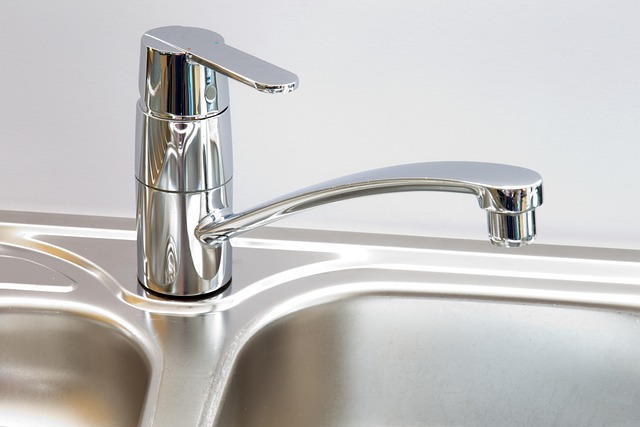
Mixing metals in a kitchen is no longer a design faux pas. It’s a means of adding dimension and a bespoke vibe. The trick is to be deliberate. A good rule of thumb is to never mix more than two or three metals. Otherwise, the space may begin to look messy.
By mixing finishes strategically, you can craft a look that feels cohesive yet visually engaging against the crisp white backdrop of the cabinetry.
The 80/20 Rule
This rule of thumb gives you an easy way to mix metals without overpowering your space! It all begins with picking a primary metal to comprise roughly 80% of your hardware and fixtures. This will be your dominant finish used on the majority of cabinet pulls and knobs and maybe your main faucet.
The other 20% is for a secondary accent metal. You can even use this accent on a statement piece, like a pendant light over an island or the handles on your fridge. This guarantees a balanced look that seems curated, not cluttered.
For example, choose a trendy satin nickel for your cabinet hardware and then mix in matte black for your light fixtures and barstool legs.
Tone on Tone
Mixing like-toned metals makes for a nice, understated layering. It is less about clash and more about texture and depth. Consider combining various tints of the same hue, such as warm brass alongside a richer antique brass.
The subtle difference grabs the eye without being overly contrasty. This method is effective for a chic, subtle pattern. It lets you mix finishes but keep a unified color story.
You might combine polished chrome faucets with satin nickel cabinet pulls, all still in the cool, silver clan, but with differing lusters. This mashup of polished and matte surfaces creates understated visual intrigue.
Finish Families
Going within one finish family is another way to create a cohesive design. That means choosing metals with the same base, although their textures are different. For instance, you can mix polished nickel and brushed nickel.
They are each silver-toned, though the different textures keep the design from becoming flat. Just being loyal to one type of metal for a specific purpose generates harmony.
You may opt for brushed gold on all your plumbing fixtures, such as the main faucet and pot filler. Then, select a contrasting but coordinating metal like matte black for all the cabinet hardware.
This strategy clusters like items together, creating order. Top of mind combinations often mix satin or matte finishes, such as brushed gold with matte black appliances for a crisp, sophisticated vibe that feels very now.
Why Scale and Placement Matter
It’s why scale and placement matter in kitchen design. Choosing the right scale and placing it in the right location is key, particularly on a blank slate such as white kitchen cabinets. Scale and location are important. For example, big chunky pulls can quickly dwarf little drawers, making the two visually unbalanced. A miniature knob, by contrast, can get lost on a towering pantry door.
A common rule of thumb is the ‘rule of thirds’ which involves selecting pulls around one-third the length of the drawer front for a balanced appearance. Scale and placement are equally important, both from a functional and aesthetic perspective. For cabinet doors, hardware is typically located on the stile opposite the hinge, with the center of the knob or bottom of the pull somewhere between 1 inch and 4 inches from the top or bottom of the door, ensuring a stylish kitchen.
This just makes it convenient to access. In the case of drawers, pulls are typically centered horizontally. If you’re opting for dual pulls on a wider drawer, the rule of thirds is your friend here; position them to split the drawer front into three equal parts. It gives you a nice, clean layout that complements the overall aesthetic of your kitchen.
Your cabinet style comes into play as well. Classic Shaker doors love to team up with uncomplicated knobs or cup pulls, whereas contemporary, flat-panel cabinets can support striking, oversized bar pulls for a little drama. Don’t be afraid to go big with hardware if it suits the design of your white kitchen.
Oversized pulls can become an intriguing, unexpected detail in a more traditional kitchen. Mixing hardware styles can add a unique feel, but it needs to be paired with smart thinking about scale; otherwise, it will look cluttered. In the end, the right hardware should just feel good in your hand, enhancing both functionality and style.
Thin or dainty items may be pretty, but they are not as practical to wear every day. For instance, bigger handles usually offer a more classic experience and are more functional, particularly for users requiring simplified hold.
Conclusion
Choosing cabinet hardware for white cabinets is an opportunity to demonstrate your flair. Your options are endless from sleek black pulls to warm brass knobs. They each create a completely different vibe in your kitchen. Consider the style you desire. A contemporary kitchen could use sleek bar pulls. A warm nook would love cup pulls. It is the little things that count. Your hardware selection pulls the entire room together.
Need some kitchen cabinet pulls for your white cabinets. Check out our cabinet hardware ideas for your home.
Frequently Asked Questions
What’s the most popular hardware finish for white cabinets right now?
Here in Los Angeles, we’re seeing a lot of brushed brass and matte black hardware options. Brass hardware adds warmth and a little glam that’s perfect for our sunshine-y mood, whereas matte black provides a chic, contemporary edge, both of which look amazing with stylish white kitchen cabinets.
Should my cabinet hardware match my faucet?
Not any more! Although matching white kitchen cabinets with a single metal finish makes for a clean look, mixing metals like gold hardware and nickel hardware is super hot right now. For that curated feel, I recommend limiting yourself to two or three different hardware colors throughout your kitchen to keep it looking deliberate and stylish.
How do I choose between knobs and pulls?
My favorite easy rule is to use stylish kitchen cabinet hardware like knobs on cabinet doors and pulls on drawers. Pulls are typically easier to grip, particularly on heftier drawers, while knobs offer a classic look on doors.
What size hardware should I get for my cabinets?
Regarding pulls for kitchen cabinets, a handy rule of thumb is to find one that is approximately one-third the length of your drawer or cabinet door. This makes the hardware choice feel just right, not too small or overpoweringly huge.
Can I mix knobs and pulls on my kitchen cabinets?
Definitely! I suggest this to spice things up in your kitchen design! One of the most common pairings is classic metal knobs on all the upper cabinets and pulls for the lower cabinet drawers, creating a stylish look that is highly functional.