

Los Angeles tile roof restoration costs usually fall somewhere between $5 and $15 per square foot. This price varies based on the kind of tile, such as clay or concrete, and the severity of damage.
Other considerations like roof pitch, access and underlayment repairs can impact the final cost as well. Being informed of these specifics assists local homeowners in budgeting for a project that shields their home from the sun and seasonal rains.
This guide provides a more granular cost breakdown.
Tile Roof Restoration Costs
The average tile roof repair cost varies significantly depending on several factors. Homeowners nationally might pay between $900 and $2,300 on average for tile roof repair, but the range is from $300 to more than $5,000 for bigger jobs. Comprehending what contributes to these repair costs lets you establish a practical budget for your endeavor.
1. Material Type
Tile type is a big determinant in final cost. Concrete tiles tend to be the most affordable for repairs, with clay and slate usually more expensive. Terracotta tiles, a clay variety, can range from $11 to $23 per square foot to restore, with typical clay tiles slightly less expensive at $9 to $20.50 per square foot.
If your roof contains rare, custom, or discontinued tiles, tracking down matching replacements can be hard and costly, which will drive those material costs higher.
2. Roof Complexity
Your roof’s shape and pitch are a big factor in labor costs. If you have a steep pitched roof, multiple levels, or lots of angles, these factors require additional labor time, craftsmanship, and specialist safety equipment to work on and will consequently increase the cost.
Things like skylights, chimneys, and vents add to the job complexity. Roofers have to painstakingly work around these things, which is more labor intensive than working on a clean, flat surface.
3. Damage Extent
Extent of damage is a direct driver of your restoration cost. A minor job, such as replacing several cracked tiles or cleaning gutters, could run as little as $300 to $600. Extensive problems like many broken tiles, major leaks, or loose areas are going to run a lot higher.
Water damage can sneak up on you. What seems to be a small leak on the surface could indicate rotted decking or compromised underlayment beneath, increasing the repair cost. If over 30% of your roof’s tiles are broken or missing, a complete restoration may be a more cost effective option than spot repairs.
It is, in part, due to the man-hours to repair so many small spots can really add up.
4. Labor Rates
Labor prices vary considerably depending on your location. A roofer in a large city will charge more than one in a small town. Seasoned shingle roofers could charge you a higher price, but their skills could be justified.
Recommended: Get quotes from a couple of different roofing companies. Remember, certain tile types, such as slate or custom clay, require specialized skills to install and repair properly. This could require you to hire a specialist, which can impact labor cost.
5. Underlayment Condition
The state of the protective layer underneath your tiles, or the underlayment, is key to your roof’s wellness and restoration price. If this layer is aged, ripped, or water damaged, it needs to be replaced to avoid leaks down the line.
They strip the existing tiles off for roughly $0.50 to $1.50 per square foot before laying the new underlayment. Replacing synthetic underlayment, alternatively, typically costs $0.75 to $2 per square foot for materials and labor, which adds considerably to the overall project cost.
Restoration or Replacement
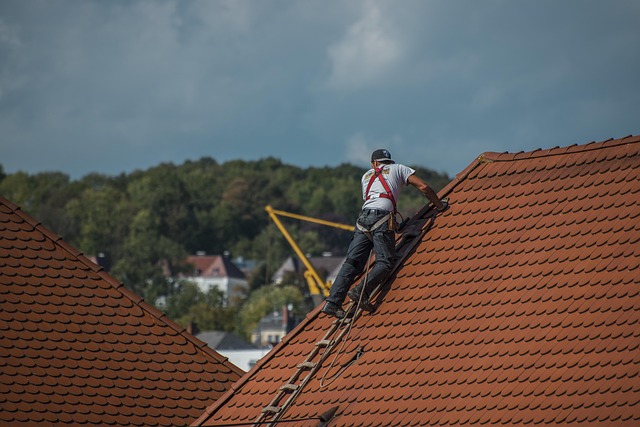
Restoration or replacement – that’s the question regarding a tile roof. Restoration is repairing and renewing your existing roof, which can make it last years longer and usually cost 30 to 50 percent less than a replacement.
Whether you should restore or replace will guide you on the essential things to ponder, like cost, lifespan, and ROI, so you can make an informed decision for your home.
The Break-Even Point
It’s important to figure out when restoration is no longer the most financially responsible choice. This is the break-even point where the cost of consistent repairs and full-on restoration gets close to the price of a new roof.
Considerations such as the roof’s age and the pervasiveness of the damage are important markers. If your tile roof is broadly in bad shape, with cracks or missing tiles everywhere, the underlayment rotted, or some structural issues, the $8 to $25 per square foot price for individual repairs can really add up.
A roof approaching the end of its expected lifetime, although damages appear contained, is typically a superior candidate for replacement. If you’re regularly calling a roofer for patch jobs, you’re just throwing money at a sinking ship.
Although a full replacement costs more up front, ranging from $4,000 to $20,000 per 1,000 square feet, it’s a more cost-effective long-term solution since it resets the roof’s clock.
Lifespan Considerations
For instance, a full tile roof replacement may have a lifespan of over 50 years, depending on the material. Good restoration, conversely, can often stretch the life of your existing roof by a decade or more, which is 10 to 15 years.
This makes it a great mid-life solution for a structurally sound but aging roof. The lifespan of a restored roof depends directly on the quality of the materials and the workmanship of the guys who do it.
Use premium sealants and swap out broken sleepers for matching, long-lasting ones. Routine upkeep following restoration, such as maintaining clear gutters for $300 to $600, helps greatly in squeezing the most years possible from its extended lifespan.
Return on Investment
Restoration offers a rock solid ROI. It keeps your property’s value intact without the expense of a complete replacement.
It immediately improves your home’s curb appeal. A clean, well-kept tile roof is appealing to buyers and can be a big plus in resale value.
That’s an instant savings. A complete restoration may run approximately $2,500, which is a mere fraction of the cost of a new roof, which can range between $2.08 per square foot for shingles to more than $20.00 for solar tiles.
Most crucially, a restored roof shields your home from water intrusions and subsequent structural issues, preventing potential bigger, more costly disasters down the line.
The Restoration Process
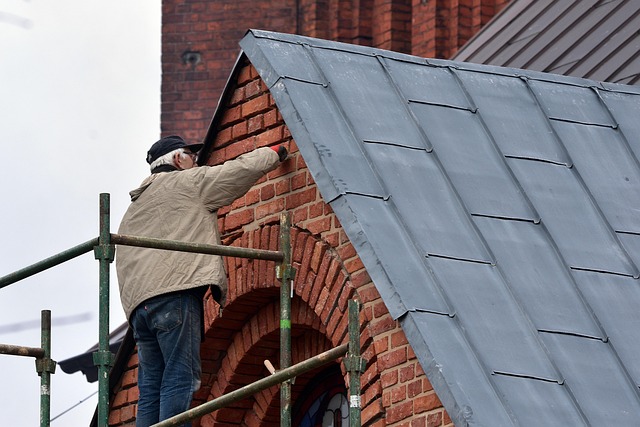
Understanding the tile roof restoration process helps clarify the average tile roof replacement cost you might encounter. This step-by-step method focuses on restoring your roof’s health and beauty, addressing issues from surface cracks to foundational damage. The actual steps may differ based on your roof’s condition and the specific tile type, such as clay or concrete, ensuring a thorough restoration.
Professional Inspection
A thorough inspection by a qualified roofing professional is the vital first step. This evaluation determines the full extent of the damage and is essential for an accurate cost estimate.
The inspector will search for particular wear and tear. This encompasses tiles that have cracked, chipped, or broken in half, along with any that may have slipped.
They look for signs of leaking, damage to the underlayment beneath the tiles, and flashing issues around vents and chimneys. This thorough evaluation determines the whole restoration plan, making sure that issues are uncovered prior to work starting.
Thorough Cleaning
Once we got a handle on the roof’s condition, the next step was full on cleaning. This is a crucial step as it eliminates years of built-up muck, moss, algae, and other debris that can hold moisture and cause tile deterioration.
Experts usually employ either soft washing, which uses low-pressure water and special cleaning solutions to safeguard fragile tiles, or pressure washing with regulation for sturdier materials. A clean surface is critical for the next steps, guaranteeing that any repairs, sealants, and coatings will properly stick to the tile, so you have a good base for a durable restoration.
This not merely aids in prepping the roof for repairs, but it furthermore provides immediate aesthetic enhancements and prevents future organic growth.
Necessary Repairs
Now with a clean slate, the crew can start focused repairing. This phase remedies all of the construction related and material defects identified in the inspection to forestall further degradation and halt current issues, such as leaks.
The repairs can be time-consuming and costly. Even a minor repair can take a few hours and the cost varies from eight to twenty-five dollars per square foot for slipped or sagging tiles.
Common repairs include:
- Replacing broken tiles: Damaged tiles are carefully removed and replaced. The secret to this uniform look is matching tiles, which come from a very specific source.
- Re-bedding and pointing: Loose ridge caps are secured with fresh mortar to prevent water entry.
- Sealing leaks: Cracks and gaps around flashings and vents are sealed to create a watertight barrier.
Quite often, a roof has more than one problem and you have to take care of everything for the restoration to be successful.
Final Coating
The final stage is sealing. It’s not merely aesthetic either. It has an important purpose.
This last layer serves as protection. It shields the tiles from blistering sun, rain, and other elements prevalent throughout much of the U.S.
There are different coatings available, from clear sealants that protect the natural color of the tile to colored acrylic coatings that can freshen up or transform the look of the roof.
Finally, this coating forms a waterproof barrier, boosts the roof’s overall durability and life span, and seals in the advantages of the restoration work.
Regional Price Influences
Tile roof restoration pricing is not universal and can significantly vary based on your geographical region. Regional price drivers, such as local weather, labor rates, and tile roofing material costs, create big variations between states or even cities side by side. Understanding these local factors helps you establish a realistic budget for your tile roof repair costs.
Climate Impact
Climate has a massive impact on the wear and tear a tile roof experiences, which in turn impacts restoration costs. In regions with strong sun and heat, such as Arizona or Florida, tiles can lose their color or crack and underlayment can deteriorate quicker, requiring more robust, heat-resistant or reflective options or special coatings that increase the cost.
In freeze-thaw regions, water penetrates small cracks in the surface, freezes and expands, and breaks the tiles, resulting in costly, frequent repairs. Certain areas, including coastal locations with humidity and salt spray, can cause metal flashings to rust and encourage algae or moss to grow on the tiles, necessitating special cleaning treatments and possibly harder materials.
If your area is particularly prone to hurricanes in the southeast or hailstorms in the Midwest, you will see a greater demand for secure roofing systems and more expensive restoration owing to the increased risk and the necessity for impact-resistant tiles.
Local Regulations
Local building codes and permit rules add another layer that can alter the price of your project. These laws exist to guarantee that all roofing is secure and of a fixed standard. They commonly control what type of materials you are allowed to use and how they need to be installed.
For instance, in a high-wind zone such as coastal Florida areas, codes may dictate different fastening techniques or stronger underlayments to keep tiles from flying off during a storm. These needs contribute to both materials and labor expenses.
Permitting is typically required for big restoration work and the costs differ from city to county. Working with a contractor who knows the local rules is key to avoid fines and make sure your restored roof is compliant.
Market Demand
I’m sure the basic law of supply and demand comes into play on roofing prices as well. In hot roofing markets, prices naturally go up. It’s typical in areas just after a big storm, when everyone’s home needs fixing.
It can put a strain on material and skilled labor availability, driving prices up. Price of region of living factors in. Labor rates tend to be much higher in big cities than in the countryside.
You may get better pricing if you’re able to plan your restoration during the off-season, which is late fall or winter in much of the country when roofers have downtime.
Beyond The Surface Quote
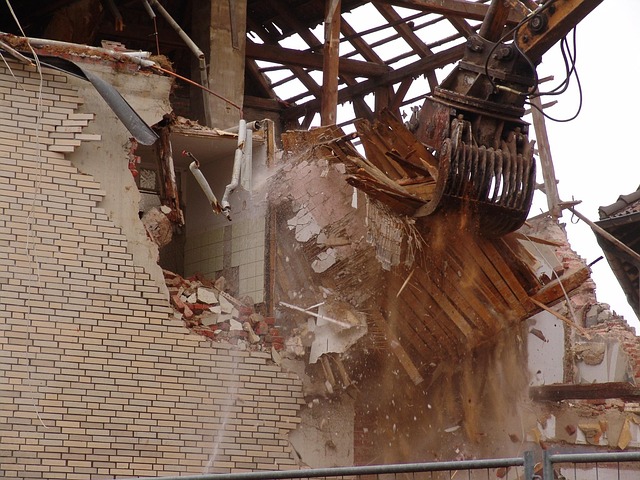
A quote for a tile roof restoration will often account just for what they see. However, hidden issues can easily add up, significantly increasing the tile roof repair costs. Tackling these underlying problems is crucial for the longevity of your roof. An actual roof inspection is the only way to expose these possible costs prior to breaking ground, assisting you in crafting a more realistic budget.
Underlayment Failure
The underlayment, a water-resistant layer between your tiles and roof deck, is the MVP of your roofing system. When it does not function properly, water can leak in, leading to rot, mold, and damage to your roof deck and even the interior structure of your home. This sort of failure can quickly destroy the integrity of the entire roof.
Swapping out this layer is frequently required in a complete restoration. Underlayment replacement can add a couple of dollars per square foot, depending on the type selected and how bad the sub repair really was.
Structural Weakness
A tile roof weighs a lot, and the frame has to be solid. Eventually, water, bugs, or just age can eat away at the roof deck or the underlying framing. If inspection uncovers sagging, rot, or other structural weaknesses, repairs are not optional; they are imperative.
These fixes can be anything from swapping out pieces of plywood decking to strengthening roof trusses. The difficulty of the work, particularly on homes with steep pitches or multiple stories, can significantly impact the final invoice for these repairs.
Mismatched Materials
It’s difficult to track down exact matches of older or discontinued tiles. They think it solves the problem by using materials that don’t match, but it makes their home look bad and causes their roof to not perform as well.
Incorrectly fitting tiles can cause gaps, which can result in leaks and allow pests to enter. Tracking down salvaged tiles or having new ones custom made to match extends the schedule and budget for the whole project.
This additional cost guarantees a uniform aesthetic and optimal performance, safeguarding the roof’s durability and your home’s worth.
Unforeseen Damage
When you’re restoring, peeling away the surface exposes issues that were previously undetectable. Seeping leaks might have led to slow, progressive wood rot, or termites may have compromised structural supports.
These late-stage finds demand urgency and introduce surprise expenses. It pays to establish a contingency fund, usually 10 to 15 percent of the project quote, for such surprises. Anticipating these unexpected costs keeps you from blowing your budget and guarantees the renovation gets done right, not cheap.
Smart Savings Strategies

Smart saving tips for your tile roof restoration can significantly lower tile roof repair costs. If you are aggressive, you can reduce the total price without skimping on quality.
- Compare Quotes: Get several detailed estimates to understand the market rate.
- Schedule Off-Season: Booking during slower months can unlock lower prices.
- Discuss Materials: Inquire for other tile options to balance cost and quality.
Compare Quotes Wisely
Getting quotes from three to five different roofing contractors is a vital first step. This provides you a frame of reference for what something should cost around your location for the extent of your project. Make sure every quote is itemized, separating costs for labor, materials, permits, and other fees.
This lets you compare apples to apples instead of just looking at the bottom line. Keep in mind that the least expensive option is seldom the best bargain. A rock bottom bid may indicate the use of inferior materials or subpar labor, something that can get much more costly down the road.
Verify each contractor’s credentials, reviews, and insurance. A good quote will be supported by a good company with a good warranty and local references. Comparing quotes smartly means getting the most value, not just the lowest price.
Schedule Off-Season
When you schedule your roof restoration project can make a big difference in price. Roofing contractors are busiest in late spring, summer, and early fall — immediately after storm seasons or when the weather is just right for outdoor work. In these busy periods, high demand can lead to higher prices and waiting lists.
Provided your roof’s state of disrepair isn’t critical, opt for the off-season — late fall or winter — to have the work done. Contractors typically have more availability during these slow periods and may provide discounts to keep their crews occupied.
By planning ahead and booking your project during these off months, you can see significant savings on the overall price.
Ask About Materials
Reviewing your material options with your contractor is essential to keeping you on budget, especially when considering tile roof repair costs. If you’re going to go with tile roofing, you don’t want to cheap out either; not all tiles are equal in price or performance. Inquire about the distinctions between concrete, clay, and composite tiles, as they can significantly impact your tile roof replacement cost.
Concrete tiles tend to be cheaper and very durable, but clay provides the timeless aesthetic and typically comes at a higher average price. Your contractor can walk you through the benefits and drawbacks of each type in terms of lifespan, maintenance, and energy efficiency.
Opt for materials that save you money in the long run owing to their durability and low maintenance. For instance, a few new roof tiles offer improved reflectivity, allowing you to control your home’s temperature and reduce your energy bills each month.
A wise selection here guarantees you the finest content for your investment and future utilization, which is crucial for any home improvement project.
Understand The Warranty
A good warranty is your protection and peace of mind, so make sure you know what you’re walking into before you sign on the dotted line. It is your protection from defective products or shoddy work, saving you surprise repair bills in the future.
Be sure to clarify a few key points with your contractor:
- What does it warrant? Is that materials and labor?
- How long does the coverage last for each component?
- Are there any warranty-voiding conditions like unauthorized repairs or failure to maintain service?
- Or if you sell your home, is the warranty transferable to the new owner?
Conclusion
Calculating tile roof restoration costs is a huge step. The ultimate cost depends on your roof’s condition, materials, and local labor rates. A full restoration typically is less expensive than a complete replacement. It extends your roof’s lifespan as well.
Your best bet is to get a few detailed quotes. This is how you discover a reasonable price and a quality contractor. Be wise and safeguard your home for a lifetime.
LEK’s tile roof restoration costs in Houston, TX Price – Best Deal. Get quotes from trusted roofers near you today.
Frequently Asked Questions
How much does tile roof restoration cost in Los Angeles?
In the greater Los Angeles area, I’ve noticed that tile roof repair costs typically range from $5 to $15 per square foot. The overall cost is influenced by factors such as your roof’s condition, tile type, and the specific roof repair work required.
Is restoring my tile roof cheaper than a full replacement?
Yes, for the most part. Roof restoration services are much more affordable, typically less than half the average tile roof replacement cost. It’s a fantastic method to give your tile roofing its life extended without the steep tile roof repair bill.
What does a tile roof restoration include?
A typical restoration for us here in LA includes a deep clean to remove grime, fixing or replacing broken tiles, and applying a protective sealant, which enhances the appearance and protection of your tile roofing.
Does the type of tile affect the restoration cost?
No, definitely. Classic clay tile or Spanish tile restoration can, at times, be more expensive than concrete tiles due to higher tile roof repair costs, as they may need more specialized care, materials, or repair methods to restore them to prime condition.
How can I save money on my roof restoration?
To be safe and save money on tile roof repair costs, I’d get a few estimates from licensed LA-area roofers. Having the work done in the off-season — late fall or winter — may net you more attractive pricing from local contractors.
Why do I need a sealant for my tile roof in Southern California?
Oh, that So Cal sun is brutal. A quality sealant is important since it safeguards your tile roofing against aggressive UV damage, which can cause roof tiles to become brittle and fade. It helps prevent roof leaks during our rain seasons.