

Soil microbial fertility enhancement is all about giving a shot in the arm to the minuscule living things in your soil so they can assist plants. For Los Angeles gardeners, that translates into soil that retains more moisture in our parched climate and requires less synthetic fertilizer.
Actions as simple as applying compost or growing cover crops nourish the beneficial bacteria and fungi on which your plants rely. This post will teach you how to construct this healthy base for your garden.
How Microbes Increase Soil Fertility
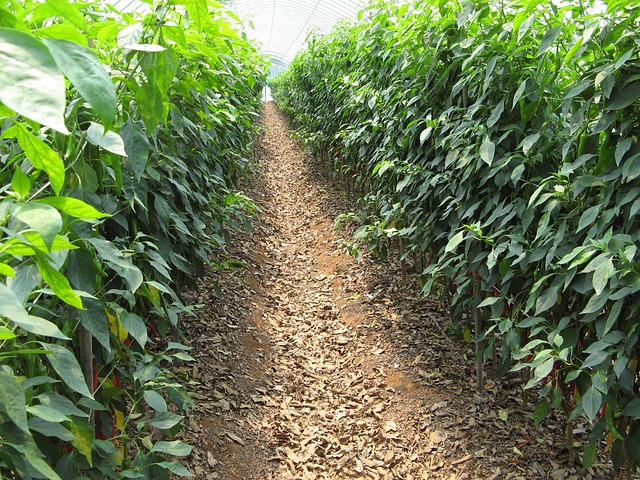
Soil microbes are the energy plants of soil fertility. This complex community of bacteria, fungi, and other tiny life promotes nutrient cycling, boosts soil structure, supports plants, and guards against disease and toxins. A lively, thriving microbiome is the key to healthy, fertile soil.
Nutrient Cycling
Soil microbes are nature’s recyclers. They consume dead plants and animal waste, digesting them so that essential nutrients are released. This is the process known as mineralization, which renders nitrogen, phosphorus, and potassium available for plant uptake.
Some bacteria, like nitrogen-fixers, do well-known things like converting nitrogen gas from the atmosphere into ammonia and other forms that plants can use. These bacteria commonly live in symbiotic relationships with legumes, creating nodules on their roots.
Fungi, particularly mycorrhizal fungi, are important for phosphorus accessibility. They create massive expanses of hyphae, tiny filaments that creep a good distance from the roots of the plant. This network efficiently mines the soil for phosphorus and other immobile nutrients, providing them to the plant in exchange for carbon.
Soil Structure
A robust community of microbes makes for more fertile soil. Fungal hyphae weave through the soil, binding small clay, silt, and sand particles into larger, more stable clumps known as aggregates.
Bacteria produce sticky substances to serve as a biological glue. This supramolecular aggregation improves soil structure and increases pore space, leading to better water infiltration, drainage, and aeration.
This enables plant roots to enter the soil freely and tap into water and oxygen. A soil with good tilth won’t erode easily, won’t easily be compacted, and is much easier to work with and more productive.
Plant Growth
Helpful microbes can directly promote plant growth by producing phytohormones like auxins and gibberellins. These phytohormones stimulate root and shoot growth, resulting in more robust plants.
Microbes not just improve soil fertility by boosting the availability and absorption of nutrients, they make sure plants get the nourishment they need. Other microbes serve as elicitors, activating the plant’s innate defense mechanisms.
This arms the plant to fight off stress from pests, diseases, or environmental challenges like drought, which translates into more robust plants and greater yields.
Disease Suppression
A healthy diversity of microbes helps plant diseases stay at bay. Good microbes vie with pathogens for room and resources, reducing the opportunity for disease-causing organisms to colonize.
Some microbes are more aggressive and synthesize natural antibiotic compounds that suppress or kill pathogens in the soil. This innate immunity is the basis of suppressive soils.
These are soils in which particular diseases fail to take hold, although the pathogen is present, since the indigenous microbial population suppresses it. This principle is used on farms in the form of microbial biocontrols, where particular beneficial microbes are added to target diseases in a sustainable way.
Toxin Breakdown
Soil microbes are important in environmental cleanup, too. This process is known as bioremediation. They can decompose and detoxify a variety of pollutants.
Several microbes utilize harmful substances such as pesticides and herbicides as nourishment. They generate enzymes that break these processes down into simpler, non-toxic compounds like water and carbon dioxide.
Frequently, a community or consortium of various species collaborates in the complete degradation of a recalcitrant pollutant. Each species carries out a different step.
The American Soil Microbiome
The soil microbiomes under our feet are not the same across the US. Climate, native geology and land use all create unique soil microbiomes in various areas. By grasping these local variations, we can better handle soil vitality and fecundity since what’s good in one place may not be good in another.
Soil-microbe relationships are complicated yet consistent in the aggregate.
|
Soil Attribute |
Bacterial Diversity |
General Soil Health |
|---|---|---|
|
High Organic Matter |
Tends to be higher |
Often indicates better structure and fertility |
|
Neutral pH (6.5-7.5) |
Overall optimal |
Supports a wide range of microbial activity |
| High salinity | Is usually at the minimum | Puts strain on most microbes and plants | | Compacted Soil | Bottom reduces and prefers anaerobes | Poor aeration and water infiltration |
Midwest Prairies
Our deep, black Midwest soils were constructed by thousands of years of prairie grasses, creating an organic-meal microbiome. These Mollisols support a rich and varied microbial population, dominated by bacteria and especially arbuscular mycorrhizal fungi, which partner closely with plant roots to improve nutrient absorption.
This innate fertility is vulnerable to industrial agriculture. Traditional plowing breaks up fungal webs and aerates organic material to hasten decay, and the heavy use of nitrogen fertilizer can flip microbes to less-desirable strains.
When we restore these soils, it’s often by an approach that imitates the original prairie, for instance, planting deep rooted cover crops or using no till farming to rebuild structure and allow the microbial communities to rebound.
California Valleys
The soils of California’s great agricultural valleys have evolved to battle a special climate regimen of blistering, dry summers and mild, wet winters. The native microbiome is adapted to these extended dry spells, with many microbes able to go dormant.
landscape Persistent moisture through irrigation shifts the microbiome to favor microbes adapted to wetter conditions.
The high-value specialty crops we grow here, from almonds to grapes, frequently need targeted nutrient inputs, which can impact which microbes thrive. Therefore, farmers are increasingly turning to microbial inoculants—products with particular strains of helpful bacteria or fungi—to assist with making water use more efficient and nutrients more available to plants, cutting down the need for chemical inputs.
Southeastern Coastal Plains
Sandy soils that are low in organics are common throughout the Southeastern Coastal Plains. High rainfall in this area could cause problems such as nutrient leaching and loss of nutrients below the root zone.
Soil acidification is another typical problem that can restrict the activity of many beneficial microbes. Our endemic microbiome is essential for swiftly breaking down organic matter and cycling nutrients in such a harsh terrain.
To enrich these soils, farmers plant cover crops such as crimson clover or winter rye to protect against erosion, introduce organic matter, and encourage a more varied microbe. Organic amendments, like compost, aid water retention and provide a slow-release nutrient source, buffering soil from heavy rains and acidity.
Assessing Your Soil’s Life
Get to know your soil’s life! A mixture of approaches, ranging from microscopic lab work to arm’s-length field checks, leaves you with the most comprehensive grasp of your soil’s vitality. These simple indicators allow you to monitor changes over time and make wiser management decisions.
Key evaluation methods include:
- Laboratory Analysis: Tests like DNA sequencing and PLFA provide a detailed look at microbial populations.
- On-Farm Observations: Simple visual cues, such as soil structure and earthworm counts, offer practical immediate feedback.
- Simple Field Tests: Procedures like the aggregate stability test measure how well your soil holds together.
Modern Lab Tests
More sophisticated lab tests can offer a snapshot of your soil’s microbial community. Phospholipid fatty acid (PLFA) analysis and DNA sequencing can detect what kinds of microorganisms are present in what numbers, including bacteria, fungi, and protozoa. This provides you with an idea of who’s living in your soil.
Grasping your fungal to bacterial ratio can guide tillage and cover crop decisions. Enzyme activity assays take it a step further by measuring the rate of microbial processes, such as nutrient cycling. If an assay reveals low phosphatase activity, it indicates a phosphorus availability bottleneck and an amendment targeting specific microbes can be helpful.
They diagnose what’s really happening so you can get surgical about interventions instead of just guessing.
On-Farm Observations
You can discover a tremendous amount simply by observing and handling your soil. Good soil is crumbly and cottage cheese-like in structure and is dark and rich in color from organic material. The existence of earthworms is another traditional indicator of healthy soil life since they help aerate the soil and facilitate nutrient cycling.
Digging a small pit and tallying the worms in a square foot of soil is a handy, continually available gauge of the biological pulse. These hands-on observations offer quick, actionable intelligence to supplement lab results.
A lovely little field test is the soil aggregate stability test. Simply put a pinch of dry soil in a glass of water and see how well it maintains its structure. Soil with good structure, held together by microbial glues, will stick together.
Biologically dead soil will quickly disintegrate or slake. The test provides an easy way to monitor the improvements in soil structure caused by management changes such as reduced tillage or cover cropping.
Cultivating Microbial Allies
Boosting soil fertility begins with fostering the microbial multitude inside it. There are a number of agricultural practices that can promote these microbial allies. Practices such as cover cropping, no-till farming, and the addition of organic matter directly nourish and shield soil organisms.
These methods develop strong soil structure, increase nutrient bioavailability, and support a diverse microbiome, setting the stage for more robust plants and sustainable farming.
Cover Cropping
Cover crops are plants grown for soil protection and enrichment, not for harvest. They are living mulch, protecting against wind and water erosion. Their roots cultivate microbial allies.
They create channels in the soil, aerating it and allowing water to infiltrate more easily. As these crops rot, they exude precious organic matter and nutrients, nourishing soil microbes and freeing that nutrition again for the next cash crop. They help control weeds since they out-compete them for light and nutrients, which means less herbicides.
Which cover crop to choose depends largely on your goal, your climate, and soil conditions.
- Legumes: For nitrogen fixation, crops like hairy vetch or crimson clover are excellent choices, especially in nitrogen-deficient soils. They do well in rotation with heavy feeders such as corn.
- Grasses: Cereal rye or oats are effective for scavenging excess nutrients like nitrogen, preventing it from leaching away. Their dense root systems are awesome for building soil structure in hard-compacted clay soils.
- Brassicas: Plants such as tillage radishes have deep taproots that break up compacted soil layers. These guys emit natural pesticides that can control some soil borne pests.
No-Till Farming
No-till is planting into the residue of the previous crop with neither plowing nor tilling. This absence of disruption maintains the soil’s innate structure, such as fungal hyphae networks and earthworm tunnels.
A stable soil environment lets microbial communities take hold and thrive in the absence of mechanical tillage disruption. This leaves a protective layer of crop residue on the surface that insulates the soil from extreme temperatures and curtails water loss.
It makes a big difference in water infiltration, letting rainfall soak into the ground rather than run off. Carbon is stored for a longer period of time in the undisturbed soil.
Organic Amendments
Amending soil with organic materials such as compost, animal manure, or biochar directly nourishes the soil microbiome. These amendments provide a carbon buffet, which is the main energy source for most soil organisms.
As microbes digest this organic matter, they deliver key plant nutrients slowly and steadily. Aside from making nutrients more accessible, it makes soils better behaved.
These microbial glues assist in binding soil particles into stable aggregates, generating a crumbly, well-aerated structure. This more robust structure retains water in sandy soils and improves drainage in heavy clay soils, making the whole system more resistant to drought and flooding rains.
Biofertilizers Versus Chemical Inputs
The biofertilizers versus the chemical inputs is a huge divide. Chemical fertilizers deliver soluble, immediately available nutrients such as nitrogen, phosphorus, and potassium to plants. They cause the plants to grow fast, and that’s why they became ubiquitous in modern agriculture.
Nevertheless, their extended use can break down the soil structure, result in the salinification of the earth, and cause agrochemical runoff into rivers and groundwater. This runoff can cause dead zones in water such as in portions of the Gulf of Mexico, killing aquatic life. Eventually, the soil becomes addicted to these chemical inputs.
Biofertilizers operate by enhancing microbial activity. Rather than feeding the plant, they feed the biology that improves the soil’s natural fertility cycles. These microbes do a variety of important tasks.
Some, like Rhizobium, team up with legume plants, such as soybeans and alfalfa, to pull nitrogen from the air and convert it into a form the plant can utilize in a process known as nitrogen fixation. Others, like mycorrhizal fungi, expand the plant’s root system, assisting it in pulling phosphorus and other nutrients from a wider earthbound reach.
This microbe activity not just delivers a slow, consistent nutrient supply but improves soil structure so that it retains water and resists erosion better. These biofertilizers are a long-term investment in soil health.
Nourishing a diverse underground ecosystem, they contribute to building organic matter, the lifeblood of fertile soil. It cuts down on synthetic inputs, which saves on operating costs for farmers and environmental costs for agriculture.
For instance, a farmer may inoculate seeds with nitrogen-fixing bacteria rather than adding tons of synthetic nitrogen fertilizer. This transition promotes a regenerative system that revitalizes the land for years into the future, in line with more nutritious food systems and purer water.
The Next Frontier: Microbial Tech
Modern agriculture is going underground, turning its attention to the life ecosystem beneath the soil surface. Microbial tech is all about moving from feeding the plant to feeding the soil life around it. It leverages good bugs to inoculate soils and improve fertility in a more precise manner than conventional approaches. The intent is to build a regenerative system where plants flourish and feed off a nutrient-dense, microbially rich soil.
What distinguishes these novel technologies from ancient practices is what they do. Conventional amendments like compost and manure both add nutrients and organic matter directly to the soil. They are the ‘new wood’. Microbial inoculants, conversely, bring particular live bacteria and fungi. These creatures function as miniature machines, decomposing organic material, rendering plant-accessible nutrients such as nitrogen and phosphorus, and defending roots against infections.
It’s like introducing cooks into the kitchen instead of merely stocking the pantry. Both methods enrich the soil, yet microbial tech really hones in on the biology of the soil and supercharges it for sustained vitality.
Microbial inoculants are perhaps the most straightforward way to improve the soil’s labor force. Strain-specific products with rhizobia bacteria, for instance, assist legumes in fixing atmospheric nitrogen and cutting back on synthetic fertilizers. Mycorrhizal fungi colonize plant roots and spread further into soil, giving plants access to additional water and nutrients.
These additions can inhibit pathogens, forming a guard around the root zone and reducing the likelihood of crop disease. The trick is to replenish microbes that are missing or in short supply, restoring the soil’s natural balance.
It energizes the creation of more intelligent soil amendments. Rather than simply providing bulk organic material, these new products are actually designed to nourish the existing microbial population. Biochar, for example, has a porous structure that creates a safe haven for microbes, whereas targeted prebiotic formulas provide nutrition that prompts helpful bacteria and fungi to flourish.
By cultivating a strong microbial community, such amendments assist in enhancing soil structure, moisture retention, and overall drought resilience. This generates a virtuous cycle where good soil leads to an active microbiome, which leads to even better soil.
Conclusion
Enhancing soil microbial fertility is a true transformative factor. You don’t need some high-priced lab to know it works. Healthy microbes lead to better plants, period. We’ve examined how to test your soil life and methods to support it. With living allies like biofertilizers, you can achieve robust growth without heavy-duty chemicals. The science keeps getting better, but the main idea is as old as dirt: feed the soil, and the soil will feed your plants.
Prepared to deliciously give your soil a boost! Begin with an uncomplicated soil analysis to gauge your soil status.
Frequently Asked Questions
What do soil microbes do for my garden?
Microbes convert organic matter into nutrients your plants can consume. They enrich the soil and boost microbial fertility. They help it retain water, which is important for flourishing gardens here in LA.
How can I easily boost the microbes in my soil?
The best way to do this is to add organic matter. By routinely stirring in good compost or covering the soil with mulch, you’re offering the sustenance and refuge these helpful microbes crave.
Are biofertilizers safer than chemical fertilizers?
Yes, biofertilizers take advantage of nature’s ability to create healthy, living soil for the long term. They sidestep the risk of chemical runoff and salt accumulation that can ruin your garden and our local L.A. Ecosystem.
How do I know if my soil is microbially active?
Active, healthy soil smells rich and earthy and feels dark and crumbly. You might notice a lot of earthworms, which are the perfect sign of a healthy subterranean community.
Why is microbial health important for soil in Southern California?
Ours is a clay or sandy soil and dry climate and can be a real bear. A robust microbial community enables soil to retain precious water, prevents compaction, and opens locked nutrients to your plants, making gardening less difficult.