

Dog-friendly yard fencing employs 4 ft vinyl-coated wire buried 6 in beneath Los Angeles soil to prevent dig-outs and includes UV reinforcement against 320 sunny days.
Burbank code caps fence height at 42 in front and 72 in back, with a self-closing latch keeping pups in coyote zones from Griffith Park to Long Beach.
Choose plant-safe steel, not wood, to avoid termite treatment.
Below, we’ve detailed local brands, pricing, and install tips.
Choosing Your Dog-Friendly Fence
Begin by listing your dog’s breed, weight, shoulder height and daily zoom quota. Include comments on digging, climbing, or chewing. Walk the yard edge with a tape and record gates, the AC pad, and pool corners that bump the line. Set a hard price cap that includes posts, panels, screws, and a 10% waste buffer so that you never stall mid-job.
Drive the block once and select a fence color that matches the house trim and the rest of the street.
Your Dog’s Profile
A six-foot leap is a breeze for an athletic Husky or German Shepherd, so measure your dog’s shoulder height and then add a foot to secure the lowest rail. If you’ve got a digger like a terrier, drop a 12-inch strip of 1/2-inch hardware cloth at the base and back it with inexpensive pea gravel. This prevents tunneling without breaking the bank.
Chewers chow through wood and painted wire quickly. Slick vinyl or thick aluminum provides them with zero purchase and endures much longer.
Your Yard’s Layout
Draw a rough map of where every dip, oak root, and gas line flag are so you don’t drill into trouble. Gates every twenty-five feet allow you to cart a mower or wagon without walking the entire circuit. Leave a 3-foot buffer between pickets and raised beds. Dogs use planters as launch pads.
Follow the sun one afternoon and situate a shade panel or tarp in the southeast corner so your pal has a cool place at 3 PM. Low spots hold rain and become mud. Either grade them out now or design a little board stretch that sits two inches off the ground.
Your Lifestyle
Travel-heavy owners love vinyl or powder-coated aluminum. They bypass annual paint and just hose off dust. A white vinyl panel with a 54-inch-high self-closing latch keeps toddlers and Labs from busting out.
Campers go buy a freestanding DIY kennel kit that folds flat in the trunk and pops up at the lake cabin in ten minutes. Barking loners chill out when you cut a small square peephole at nose level in a wood fence so they can people watch without leash jumping.
Pick matte black aluminum if you loathe weekend chores. It hides dirt and never needs sealant.
Local Regulations
Call city hall before you swipe the card. Most LA tracts limit front-yard fences to forty-two inches with ten-foot side setbacks. Invisible collars don’t count as a “visible barrier” in a lot of zones, so you still need real pickets.
Walk the next door’s sketch, mark where post holes will sit and get a quick nod to avoid future squabbles. Submit the permit online. Some towns take two weeks and cost $45, so factor that lag into install day.
Safety First
Space pickets no more than 2 inches apart so even a 5 lb. Chihuahua can’t squeeze or wedge their head. Cap metal posts with plastic tops and run a file over iron gate edges to cut paw scrapes.
Use low-VOC pet-safe stain on both sides of cedar boards to block splinters and rot. Install the gate latch fifty-four inches high since smart Retrievers pick lower handles with their paws.
Essential Fence Materials
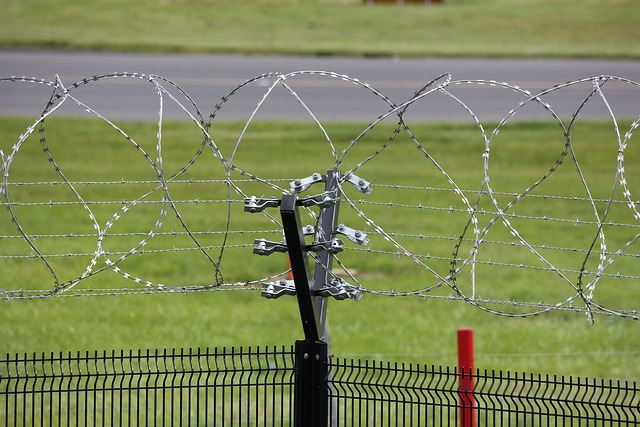
Price, longevity and breed compatibility determine which fence is right. Here’s a nimble-footed chart costing out 2023 dollars at L.A. Big-box stores. Add 10 percent for rural zip codes or rush delivery.
|
Fence Type |
$ / ft (material only) |
Years before major fix |
Upkeep cadence |
|---|---|---|---|
|
Pressure-treated pine |
18 |
12 |
Stain + termite check every 3 yrs |
|
Clear cedar |
32 |
20 |
Stain every 2 yrs, replace warped boards |
|
UV vinyl panel |
28 |
25 |
Hose yearly, swap cracked post cap |
|
Hollow aluminum |
36 |
30 |
Wipe, touch-up paint yearly |
|
9-gauge galv chain link |
11 |
15 |
Re-tension mesh every 5 yrs, cut ivy |
Pair the fence to the dog. A 36-inch beagle requires really tight pickets. A 42-inch Malinois scoffs at that and just sails over. Chewers like Labs will chomp cedar rail edges. Give them vinyl or metal.
Diggers like terriers require mesh that goes eight inches below ground or a buried bull-wire apron. Get the complete set: cordless driver, level and star-drive screws, along with an extra box of fasteners. Weekend projects languish when you try to make a special trip to Anaheim for a single bag of screws.
Buy one extra panel and two extra posts. Nothing kills a Saturday like a mis-cut line or a prospective pup-sized hole.
Wood Fences
Wood looks warm and screens street noise. Every species behaves differently under claws and sun.
|
Species |
Pro |
Con |
|---|---|---|
|
Pressure-treated pine |
Cheap, takes paint well |
Can warp, splinters when chewed |
|
Cedar |
Natural bug fight, flat grain |
Pricey, fades to gray |
|
Redwood |
L.A. local, cool touch |
Soft, big dogs scratch surface |
Paint street side light bone color with non-toxic latex. Dark boards reach 140 °F in July and burn noses. Nail a rot-board rail inside the yard so eager shoulders shove against lumber instead of pickets.
Stain on a dry Santa Ana weekend every three years and tap a screwdriver into concealed knots to ferret out termite dust.
Vinyl Fences
Vinyl never requires paint but can get brittle if the sun bakes it.
Choose ½-inch-thick UV-protected panels rated for 130 °F. Tongue-and-groove boards click like Lego. There are no brushes and no fumes, just a rubber mallet.
An annual hose-off washes off smog film. Forget sealers. For raucous Labs or shepherds, slip aluminum I-beams into the post shell prior to dropping it in concrete. The additional stiffness halts 80 pounds running at top speed.
Metal Fences
Iron, aluminum, and steel each trade weight for price.
|
Type |
$ / ft |
Rust speed |
Dog note |
|---|---|---|---|
|
Wrought iron |
55 |
Medium |
Heavy, stops jumpers |
|
Aluminum picket |
36 |
Near zero |
Light, good for DIY |
|
Steel tube rail |
40 |
Fast at coast |
Add zinc spray |
Space pickets 1.75 inches apart. That stymies Pomeranians and inquisitive cats. Sink 4 by 4 steel posts 30 inches deep in 3,000 psi concrete so gates never sag.
Wipe once a year with a rag and spray nicks with spray enamel before rust creeps.
Chain-Link Fences
Galvanized nine-gauge mesh is the workhorse kennel builders rely on. Athletic dogs can’t bend it when you stretch it drum-tight with a come-along.
Slide green or tan privacy slats through the weave to cut sidewalk triggers. A dwarf myrtle hedge planted outside creates a soft screen that hides the yard from passing dogs and keeps the industrial look at bay.
Designing for Dog Behavior

Dogs test fences like kids test rules—quick, inventive, and incessantly. A good plan starts by watching the actual dog: does she spring straight up, gnaw a rail, or vanish under the maple at 3 p.m. every day? By using effective dog fence ideas and pairing the fix to that move, you can reduce escapes by 50 percent the first month.
For Diggers
Bury 2×4 wire mesh 1 foot down, bent out like an L so the pup hits the mesh before open dirt. Gates wear out quickest, so cast a narrow concrete footer 12 inches wide so no new hole begins. Big river rocks, fist-size and inexpensive at any LA mulch yard, border the edge like a dry creek, decorative and obstructive.
If you can afford four square feet, place a kiddie pool of sand behind the rose bed. Bury a bone and most diggers exchange the fence for their own beach.
For Jumpers
Six foot is the ground to huskies, malamutes and any mix mutt with lanky limbs and ennui. Attach a 45 degree inward top rail fabricated from scrap drip-irrigation pipe, which is affordable at Home Depot and provides no toehold.
Shift the trash can, patio chair and wood stack back 4 feet. Anything closer is a launchpad. Inside the yard, clumping bamboo planted two feet off the fence blocks the runway and grows ten feet in a season.
Coyote rollers made from 3-inch PVC cut lengthwise and rotated on cable allow paws to catch but slip. You can purchase kits online or do it yourself for a $12 parts list.
For Chewers
Finish off the bottom two feet of cedar with vinyl lattice screwed right to the rails. Teeth bang on plastic instead of splinters. A quick spritz of bitter apple or white vinegar each Sunday maintains the flavor nasty until that habit fades.
Place a weighted Kong or antler in a shady corner so the dog has an approved chew spot nearby. If the rail still looks like beaver damage after two weeks, replace wood with vinyl or aluminum pickets, which are costly up front but less than annual board replacement.
For Climbers
Horizontal rails, ladder rungs switch to vertical 1×1 pickets spaced 3½ inches apart so paws encounter zilch. Dump a one-foot strip of pea gravel inside the fence line; soft dirt is gone and landing is hard.
Staple plastic garden mesh eighteen inches high on the inside so it flops when grabbed. Climbers loathe unstable footing. Train “off” by drawing a line two feet from the fence. Reward if all four paws remain behind it.
Daily five-minute drills for seven days stick faster than an hour on Saturday.
Beyond the Physical Barrier

A six-foot cedar plank halts the majority of dogs, and within 10 minutes, a bored terrier can still dig underneath. The fence is just the top layer. What is inside the yard determines if your dog stays. Solid wood and two feet of buried wire, a laurel hedge, and a sprinkler that hisses at raccoons transform one wall into three.
Home Depot kits clip together so a future second rescue can have its own run without ripping out posts. Stash a drawer with spare 9-volts for the collar receiver. When the electricity goes out, the dog recalls the gap before you do.
Invisible Fences
Run your boundary wire a good three feet back from the sidewalk so the mail carrier’s ankle never enters the buzz zone. Stick tiny orange training flags into the ground every ten feet. The dotted line provides the dog a cheat sheet as it’s learning that the beep means stop.
Start at level one on the static dial. Most Labs cease at the beep and increase only if the pooch breaks through. Pop the collar off once a month. Hold it at knee height and walk past the wire. If you don’t hear the beep, swap the 9-volt. A calendar alert every ninety days prevents escapes from turning into neighborhood chase scenes.
Smart Technology
Sync a GPS collar to your phone. The app buzzes when your pup steps over the boundary as you’re gridlocked on the 405. Attach a $40 motion camera on the gate hinge. Night vision clips reveal if the escape artist is your pup or the open-latch leaving neighbor kid.
Replace the traditional padlock with a Bluetooth version. It snaps open when your phone approaches, leaving your hands full of grocery bags. Set a lawn sprinkler near the fence line to go off at dawn and dusk. Cats despise the unexpected shower and it keeps raccoons from coaxing the dog to ‘sing’ to the moon.
Landscaping Buffers
Plant a living wall of skip laurel three feet inside the chain link. By year three, the shrubs knit into a soft tunnel that blocks both view and wind. Cora, pick flowers the vet okays—marigolds, sunflowers, native dogwood—and skip azaleas whose leaves can stop a heart.
Cedar mulch keeps paws cooler than river rock and repels fleas without chemicals. Cut the hedge semiannually. Bare patches conceal loose boards and provide squirrels with a springboard. A neat, gapless green buffer directs even smart jumpers back onto the grass.
DIY Installation Guide
Begin by dumping the entire tool kit: post-hole digger, level, drill, driver bit box, and that dusty roll of string next to the permit printout on the garage bench. Remember to call 811 to mark electricity and gas lines, as one crew in L.A. once sliced a 220 V line that took three blocks with it. Rent the one-man auger for more than 20 holes and consider sharing the $80 per day rate with the neighbor who’s always dropping hints about a rose border. Select a dry weekend for your dog fence installation, as wet dirt slumps and tilts every post out of plumb.
Planning
Sketch a cut list. Count posts at eight-foot centers, add two gate posts, tally panels, hinges, lag screws, and a spare roll of two-by-four welded wire for the dachshund who tries to squeeze his skull through anything. Spray a neon pink dotted line so you and the dog can pace the route at heel.
Note where the lemon tree drips sap and roll the line back six inches. Measure your littlest pup’s head, which is three and a half inches, then subtract a half. That space dictates picket spacing for the entire length. Order ten percent extra: cedar splits, a bent mesh section, or a math slip always shows up when stores are closed.
Installation
Dig 30 inches for 6 foot posts, 36 near the beach where sand drifts like sugar. Shovel six inches of pea gravel first so winter rain has somewhere to drain. Posts rot faster in a puddle than in the open air. Brace the initial corner post with two scrap 2x4s.
Every subsequent post follows that plumb stick’s lead. Unroll chain link, attach fence puller to come-along, pull until the mesh hums like a bass guitar string. Slack mesh bows when the retriever leaps off it.
Finishing Touches
Countersink screw heads so collar tags don’t catch. Pop plastic caps on post tops to stop leash snags. Brush cut ends of rails with copper-napthenate stain before the wood takes its first sip of sprinkler water.
Screw solar cap lights and brushed-steel house numbers to the gate posts. Delivery drivers and late-night walkers alike will thank you. Walk the line pulling at every rail. One loose picket by the trash cans set us back a frantic hour last year when the beagle slipped through.
Long-Term Fence Care
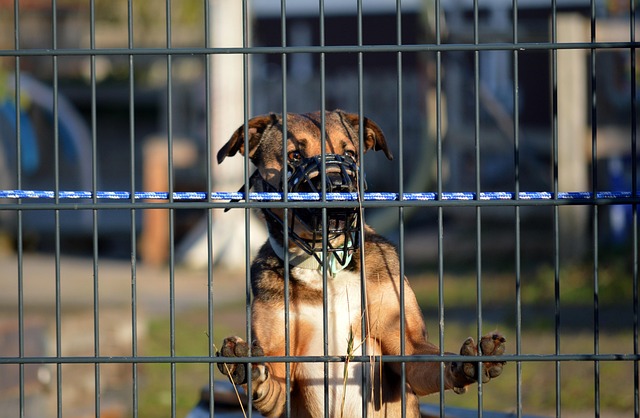
About: Long-Term Fence Care A brisk round of maintenance keeps the fence dog and wallet safe.
Start a checklist: walk the line each month, jot loose nails, gate sag, new dig spots. Snap one picture post-install that frame captures how gaps and rust sneak in. Store leftover paint and extra screws in a tub marked with date and color code. Five minutes of color matching trumps a full repaint. Track each repair in a pocket notebook. Three loose latch reports in six months indicate it’s time to replace hardware, not just tighten.
Inspection
Go around the yard the initial dry Saturday. Run your hand down the base to check for soil that may have been washed out by the last storm. Tamp in fresh dirt and pack a 4-inch gravel strip to stop diggers.
Flex chain-link mesh with both hands. If rust dust appears, cut a 2-foot patch before the break shoots skyward. Inspect gate latches at dog-shoulder height. A crack wider than a quarter means a savvy pup can push his way through.
Observe chew marks on wire ties. Some pups gnaw until the tie breaks, so replace with steel hog rings.
Cleaning
Long-Term Fence Care Power-wash vinyl or coated metal on low, 1,200 psi, aiming down so mud doesn’t blow back into the yard. Scrub wood with a bucket of warm water and a tablespoon of dish soap.
Harsh cleaners remove sealant and encourage splinters. Spray chain link from top to bottom. Gravity pulls grit away instead of redepositing.
Finish colored vinyl with a UV block spray every spring. The LA sun fades red to pink in one season.
Repairs
Replace a warped cedar panel by backing out rail screws, sliding in the new board and checking level with a phone app. Patch chain-link holes with a 1-ft overlap patch and two tension bands.
Pull the fabric bar tight so noses can’t poke a bigger hole. Cracked vinyl pickets pop out of the groove on most kits; no saw, just lift and snap the replacement in.
Touch up nicks on iron with rust-inhibitor spray; spritz the spot prior to orange bloom spreading. If mulch butts up against wood panels, rake it back. Wet mulch festers pickets and attracts termites.
Conclusion
You chose the fence, you installed the posts, you latched the gate. Your pup runs the yard worry-free and you sip coffee without eyeballing every squirrel. Inspect the latch every month, replace any warped board, and spray off mud after beach days. If a gap pops up, patch it quick. A loose picket invites a pursuit. Need more tips or local handy fix-it crews? Leave your email below. We will deliver fast checklists and sale alerts so your fence stays solid and your dog stays happy!
Frequently Asked Questions
What height fence keeps most LA dogs from jumping out?
A 5 to 6-foot solid panel or vinyl dog fence halts 90 percent of jumpers, and incorporating a 45-degree inward top rail is ideal for determined dog escape artists.
Will my HOA let me put up dog-proof fencing?
Check in CC&Rs first. Most LA-area HOAs will allow 4 to 5 feet of open aluminum fences but need color approval. Send plans for your new dog fence in before purchasing materials.
Does chain-link work for SoCal’s sandy soil?
Yes – set posts 30 inches deep in concrete for a strong dog fence. Install 11-gauge galvanized mesh so pups cannot wiggle through the 2-inch diamonds.
How do I stop a digger in our dry L.A. yard?
Burying 12 to 18 inches of welded wire apron or pouring a narrow concrete footer is a great option for creating a secure dog fence, topped with 4 inches of pea gravel to blunt claws.
Is redwood safe for dogs in hot Valley sun?
Untreated redwood is a great option for dog owners looking for non-toxic and stable materials for their dog fencing projects, but seal it annually.
Can I install a dog fence on a sloped Silver Lake lot?
Rackable aluminum panels or stepped vinyl both track the grade without gaps, making them great options for dog fence ideas to keep little terriers safe.