

Low-maintenance landscaping replaces weekly mowing and daily watering with clusters of native sage, crushed granite paths and drip lines running five minutes every third day.
Across L.A.’s clay hills and beach-drenched lots, these yards slash water bills by 38% on average and unlock about 18 weekend hours per month.
These low-maintenance landscaping configurations detail specific plant choices, mulch thickness and irrigation schedules that keep a yard tidy without having a crew on speed dial.
Core Low-Maintenance Principles
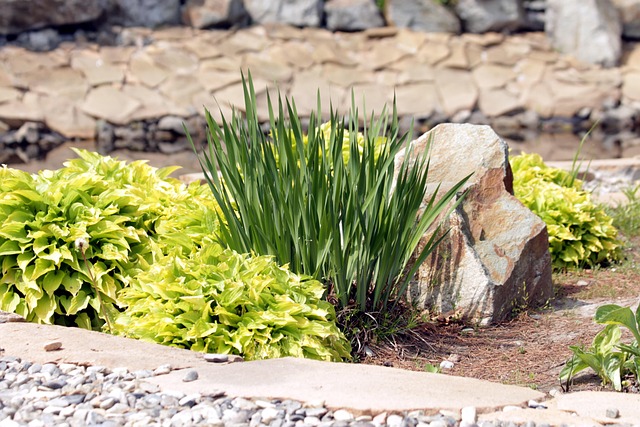
Slash the housework and enjoy beautiful yard landscaping with low maintenance landscaping ideas.
-
Reduce the lawn to 30 percent or less of the total yard.
-
Swap living ground for gravel, pavers, or decking.
-
Top beds with 3 in. of organic mulch yearly.
-
Run drip on a timer to skip the daily hose round.
1. Right Plant, Right Place
Five-dollar plants in the wrong location can lead to fifty-dollar issues, especially when considering low maintenance landscaping. Start by testing soil drainage; dig a 12-inch hole, fill it with water, and time the drop. If it drains slower than an inch an hour, opt for maintenance varieties like sedges or toyon that can tolerate heavy clay. Conversely, if it drains faster, select plants such as sage or manzanita that prefer lean soil.
When planning your front yard landscaping, match your zip code zone with the exact sun hours. A ‘Cleveland Sage’ that requires 6 to 8 hours of sun will struggle in four and spread excessively in ten. Cluster hydrangeas around a downspout to utilize roof runoff effectively, while positioning rosemary and lamb’s ear upslope where water can bypass them.
To ensure a successful landscape design, turn the mature height tag outward for easy checking later. Place a five-foot Ceanothus in the back and one-foot yerba buena in front, allowing for proper spacing between specimens. A three-foot toyon will need three feet of space, or you risk having to hedge every spring.
2. Reduce Your Lawn
Grass is the hungriest tenant on the block. Swap it out for plants that can hack a 90 °F August. Creeping thyme or white clover withstand foot traffic, bloom with bees, and never see a mower.
Core low-maintenance principles include running a 3-ft strip of mulch along fences and dropping the mowing loop by 20 passes. Just a 12-ft diameter gravel fire-pit patio where there used to be a dead patch of fescue provides some great Saturday-night seating.
For enormous dramatic sweeps, nothing beats blue fescue ornamental grass. It maxes out at 18 inches, stays green, and requires no fertilizing.
3. Embrace Hardscaping
Stone and steel don’t fade. Core low-maintenance principles: Lay 2 inches of crusher-run gravel under flagstones to lock them tight; weeds can’t seed in sand that’s not there. Choose permeable concrete pavers for drive strips.
Rain drains through, so you avoid the sloped edge that always requires string trimming. Our 16-inch-high stone wall, constructed from native San Gabriel granite, serves as a raised bed. There are no edging boards to replace down the line.
Place steel garden strips even with sod so mower wheels whiz by. There’s no whip work every week!
4. Mulch Everything
Mulch is the least expensive crew member you’ll ever employ. Shred fir bark to three inches in March before summer weeds stir; one top-up lasts two years. For slopes over fifteen degrees, transition to pine straw.
The needles knit together and hang on tight through a Santa Ana storm. For your veggie beds, rake leaf mold from the curb, heap on two inches, and keep those lettuce leaves dirt-free. Avoid plastic fabric.
Water beads off it and weeds simply root on top. Go deeper instead. An extra inch of mulch trumps any barrier.
5. Automate Watering
Hoses consume mornings. Run a 1/2-inch drip line through beds, insert 1 GPH emitters at every plant’s root zone, and halve water consumption. Clip a $30 timer to the spigot and couple it with a $15 rain sensor, so the system naps post-storm.
In perennial beds, bury a soaker hose under mulch, set the timer for 20 minutes twice a week and forget July. Trade in those old pop-up sprays for pressure-regulating rotators. They shed mist and reduce sidewalk runoff.
Choosing Your Plants

Begin with natives for your front yard landscaping. They co-evolved with local bugs, drought, and dirt and don’t need supplemental food or spray. Opt for perennials versus annuals so you plant once and reap years of flowers. Choose silver-leaf or waxy-coat plants that reflect sun and require less water. Combine evergreen backbone plants with seasonal color for low maintenance landscaping, ensuring beds appear full 365 days without any replanting.
Native Species
For example, buffalo grass from the Plains states survives on 20 inches of rain a year, doesn’t need mowing after it shoots up to 4 inches, and remains green when temps hit 100 °F for weeks.
Out here in the Midwest, Eastern bluestem maxes out at 3 feet, doesn’t pester for fertilizer, and its deep roots halt erosion on sloped lots.
On West Coast hillsides, Californian lilac grabs loose earth, blooms electric blue in March, and nourishes early bees.
Trade those boxy foundation hedges for yaupon holly. It maintains a neat rounded form all on its own and demands just a light trimming every three years or so if you want it shorter.
Hardy Perennials
Plant daylilies along that sun-baked sidewalk strip. Dump them in, forget them, and they will churn out orange flower after orange flower every July for 20 years.
Hostas transform a shady side yard into a dense weed-squelching carpet. One fist-sized clump turns to six in two seasons.
Sedum ‘Autumn Joy’ nestles into gravel edges, hoards water in its fleshy leaves and provides rusty-pink flowers that remain upright amidst January snow.
Ring your tomato beds with chives. You snip them for dinner, they repel aphids and they shrug off zone 3 winters without cover.
Drought-Tolerant Picks
Feather reed grass reaches 18 inches tall, is upright in wind and remains green on half the water Kentucky bluegrass drains.
Clusters of lavender by the patio keep mosquitoes away and the plant thrives on 100 °F days.
Yucca fits into tight parking strips; its spear-like foliage provides contemporary contours and its tap root absorbs winter rainfall all summer.
Agave sits in gravel like a living sculpture. Water it twice the first summer, then forget it ever happened.
Evergreen Structure
Dwarf boxwoods form a low formal edge. One quick shear in April keeps them square until next year.
Four-foot upright junipers camouflage gas meters and block cold north winds without monopolizing space.
Dwarf mondo grass edges paths six inches high. There is no mowing, no raking, just walking.
‘Little Gem’ magnolia maxes out at 12 feet, provides thick evergreen seclusion, and sheds fewer leaves than any hedge you ever raked.
Smart Yard Technology
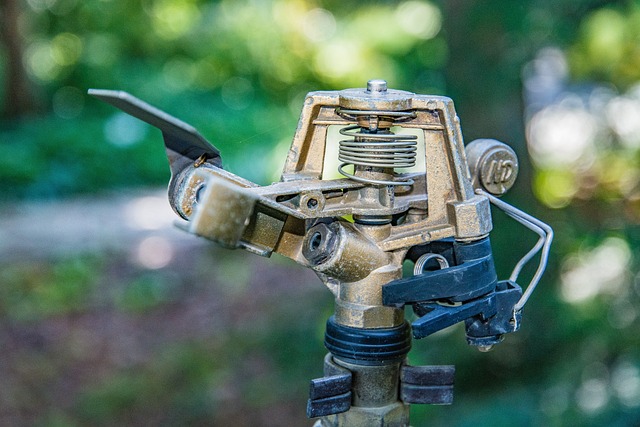
Drop a soil probe in a pot and your phone beeps when the root zone reaches 20 percent moisture. No guesswork, no daily finger test. Run a quarter-inch micro-tubing to each container, add a 0-10 gallons per hour click-dripper and pots water themselves as you sit on the porch.
Wrap it up 2 inches under shredded cedar; UV and squirrels cannot touch it. Snap a flush valve on the far end. Twice a year, open it for ten seconds and dirt shoots out, so emitters never clog. Trade those old shrub sprays for inline emitter tubing. Water hits soil, not leaves, and fungus bounces.
Drip Irrigation
To enhance your outdoor living space, consider using micro-tubing for efficient watering in your garden beds. By adding adjustable drippers at the end, you can eliminate the need for hand-watering pots, making your front yard landscaping more manageable. Burying drip lines 2 inches under mulch not only prevents UV cracking but also minimizes maintenance by protecting against pests.
Bare tubing becomes brittle within 3 months out here. Put in a flush valve on line ends. We open ours two times a year and blow out the dirt so it doesn’t clog, which takes less time than it takes you to find the channel remote! Transform shrub beds to inline emitter tubing—no whirling sprinklers, no leaf fungus.
For a beautiful yard with minimal upkeep, implementing an automatic irrigation system can save you time and effort in maintaining your garden, allowing you to enjoy your outdoor space without constant yard work.
Smart Controllers
Choose an EPA WaterSense-labeled box such as Rachio or HydroPoint. It pulls NOAA data for your ZIP and bypasses watering if rain is predicted, conserving about 8,000 gallons on an average 6,000 square foot L.A. Lot annually.
Set zone-specific plant factors so succulents use 20 percent of what fescue consumes, dial it in once and forget it. Stick a $45 flow sensor downstream, and the phone pings the second a pipe breaks instead of letting 200 dollars swirl away down the toilet.
App override allows new plants to receive additional watering for 30 days, then immediately reverts to saved schedule, no more trek to the garage.
Robotic Mowers
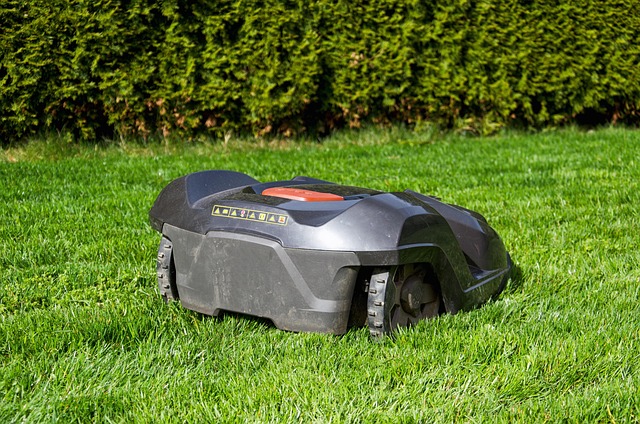
Lay boundary wire 4 inches from driveway. Steel pegs hammer in quickly and you razor’s edge the driveway edge so you can chuck the string trimmer. Daily trims at 5 a.m. Dew weighs clippings down so they disappear instead of browning the walk.
Opt for a rain-sensored model. L.A.’s winter dumps are short but they’ll rut St. Augustine quick if wheels spin in wet grass. Tuck the mower into a $99 plastic garage in December. The battery remains 50% charged and blades remain sharp until spring growth kicks back in.
The “Set It and Forget It” Myth
A yard marketed as “zero-maintenance” still demands fifteen minutes a season. Without that look-around, drip lines sag, heads tilt, and a single cracked emitter can dump 20 gallons overnight. Most L.A. DWP bills increase by $40 before anyone detects the backwash outside the hedges.
Smart timers and succulents cut labor, but they don’t cancel physics: mulch drifts, roots grow, and plastic ages. Embrace the fast ritual and you dodge the slow repair.
Plan a 15-minute walk-through each season to catch early pests or broken heads. Maintain a straightforward garden journal to record what flourished so you shop wiser next season.
Seasonal Check-ins
Spring is the perfect time for low maintenance landscaping tasks such as topping off mulch, tightening drip fittings, and fertilizing evergreens. In the summer, raise the mower height half an inch and check your irrigation system for any midday leaks to ensure efficient watering. Come fall, blowing out drip lines and adding two inches of leaf mulch will insulate roots effectively. Winter is a good time to mark hedge lines to prevent snowplows from scraping dormant shrubs.
One April walk can set you ahead in your front yard landscaping efforts! Last year in Culver City, a client found three mini-sprayers hidden under blown-in leaves that, if activated, could have caused serious issues. By July, simply lifting the mower deck one notch allows taller fescue to shade its crowns, giving you extra days between irrigations.
By Thanksgiving, running a quick air blast through drip tubes can clear any grit that sneaked past the filter, preventing issues when the January freeze hits. Keeping up with these maintenance landscaping ideas ensures a beautiful yard with minimal upkeep throughout the seasons.
Proactive Problem-Solving
Spot-treat 10 weeds with vinegar spray before they seed thousands more. Flush drip emitters the day you notice one dry plant. Don’t wait for a row to wilt!
A neighbor neglected one sago palm that appeared “a little off.” Two months later, scale was all over every frond, removal cost $350 and replanting.
Ten seconds of vinegar on the driveway crack this week prevents next month’s dandelion parachutes from landing in the lawn. The same applies to sprinklers: if you notice dark streaks on the sidewalk, twist that rotor screw now. City water costs $9 per 1,000 gallons and a mis-aimed arc can dump 500 gallons in a single billing cycle.
Evolving Your Garden
- Grow a stone patio by one row of stones annually to reduce the remaining turf consistently.
- Convert the sunny corner to a raised veggie bed when the trees mature and shade develops.
- Trade the old battery timer for the Wi-Fi variety. Rebates cover 50 percent of the cost.
- Swap high-water perennials for native plants as beds empty.
Hardscape cracks in your outdoor living space begin as hairline fractures, then lift edging after the first quake swell. A $12 tube of polymeric sand this weekend is better than relaying pavers later.
Understanding the Costs
Low-maintenance landscaping swaps weekly yard work for one-time design, making it an ideal choice for those seeking low maintenance front yard landscaping upgrades. The check still requires budgeting, as prices run on three tracks: removal of old lawn, installation of new materials, and the gear that keeps plants alive.
Upfront Investment
-
Think ‘drip-irrigation’ first as it reduces future plant loss and replacement costs by 50%.
-
Purchase larger 3-gallon perennials instead of little quarts. They fill space quicker and require less weeding.
-
Rent a sod cutter for half a day to remove the lawn yourself. Save $300 on labor.
-
Opt for concrete pavers instead of natural stone. They have an identical appearance and cost 30% less on the material invoice.
A 200-square-foot paver patio goes for $8 to $12 per square foot installed by pros, so the total is $1,600 to $2,400. Swap in concrete pavers and the cost drops to roughly $5.50 per square foot, or $1,100. Put in drip lines before pavers go down; tubing is 40 cents a foot plus a $15 timer. One hard rain can sink new gravel walks, so add 10 percent more—around $25 extra per cubic yard.
Mulch by the yard goes for $32 in L.A., bags are $3.50, and it takes 13 bags to equal one yard, so buying in bulk saves 40 percent. If the city requires a permit for hardscape, allocate $50 to $200.
Long-Term Savings
|
Expense |
Typical Lawn |
Low-Maint Design |
Yearly Save |
|---|---|---|---|
|
Water |
$350 |
$150 |
$200 |
|
Annual flowers |
$150 |
$0 |
$150 |
|
Mowing service |
$1,000 |
$30 blades |
$970 |
|
Fertilizer/weed |
$180 |
$40 |
$140 |
|
Total |
$1,680 |
$220 |
$1,460 |
Trade in turf for gravel and drip heads and you miss the weekly gang. A robotic mower on turf needs a $30 blade set once a year, not $250 a month for a service. Perennial beds are free to replant and change. Annual flower swaps cost $150 every spring. That’s $750 in your pocket over five years.
Tree trimming still erupts every few years, but low-maintenance yards employ dwarfs. A full-size oak takes between $500 and $2,000 to prune, whereas a 15-ft crape myrtle costs up to $200. Choose the little tree and you reduce the future bill by 75%. In other words, spend more today and write fewer checks in the future.
Common Landscaping Mistakes
Grounds fabric under rock sounds neat, but it often leads to challenges in low maintenance landscaping. In two summers, the flimsy sheet rises, bunches, and snags blown seed. By year three, you have dandelions bedded in the creases and a rippled moonscape that requires hand-weeding every week. Instead of cloth, spread 3 to 4 inches of ¾-inch angular gravel on bare soil, and blast the area with a flame weeder two times a season for a more effective approach.
The Terfly bush flaunts purple plumes at every big-box nursery. However, most western strains shed thousands of viable seeds, leading to unwanted growth. Pasadena neighbors say they’ve been ripping sprouts out of driveway cracks for years. Consider swapping it out for narrow-leaf milkweed or ‘Danaus’ native. Monarchs will still come back, and seedlings won’t spread, making it a great choice for front yard landscaping. One 1-gallon milkweed covers the same footprint without the volunteer headache.
The old-fashioned 12-inch mulch ring looks pristine on planting day, but it poses issues as it leaves trunk bark rubbing against mower decks. In two seasons, the string trimmer nicks the cambium and beckons borers. Instead, extend the ring to a 3-foot radius. This adjustment provides a clear mowing lane, locks in soil moisture, and allows you to skip a weekly watering cycle, making it ideal for maintenance front yard landscaping.
Rock gardens often end up as patchwork: gray pea gravel by the porch, tan decomposed granite along the path, and white marble chips near the curb. The eye halts at each color shift and the yard seems cluttered. Choose a local material, such as ½-inch California gold gravel, and put it everywhere. This single tone camouflages fallen leaves and ties beds together so you see plants, not ground cover.
People pick up shrubs since the tag has a beautiful bloom on it, then stick it in clay or full salt wind. Consult Sunset zone and soil type first. A ‘Blue Mist’ spirea that requires loam and afternoon shade will turn brown and brittle on a west-facing slope in Phoenix sun and will require constant replacement. Get it right the first time to save years of baby-sitting.
Blossom timing beats color. A bed of dense April azaleas stays green all summer. Mix early ceanothus, late galvezia, and ‘Pete’s Comet’ manzanita, so something is flowering every month. No margin means no compulsion to dig it up and put in something new for excitement.
Lastly, crowding can lead to high maintenance. A 5-gallon rosemary marked “3 ft” will hit 6 ft across in sandy LA soil. By giving it the full spread at the beginning, you can sidestep annual hack-backs that ruin your Saturday mornings, allowing you to enjoy your outdoor living space with minimal effort.
Conclusion
You now have the nuts and bolts: pick tough plants, group by thirst, add a smart timer, skip the 24/7 sales pitch, budget once for good stuff, and quit mowing wet clay. The yard will still demand an hour here and there, but that’s better than a whole Saturday disappearing in the weeds.
Begin with a single 4-foot patch this weekend. Replace lawn with a handful of dwarf yarrow plugs, install the discount drip line you picked up at Home Depot, set the timer app for every other day, and take a before photo. Tag us on IG with #LazyLALawn so we can root for you.
Frequently Asked Questions
What is the least thirsty ground cover for a Los Angeles yard?
Dymondia, creeping rosemary, or native yarrow can withstand 15 inches of rain a year and require no mowing.
How soon can I drop the mower after planting low-maintenance grass?
Plant UC-verified buffalograss or native bent. Mow every 3 to 4 weeks at 3 inches.
Are smart irrigation rebates worth it in L.A. County?
Yes. SoCal Water$mart offers a rebate of up to $80 per smart controller. Most users save water and cut water bills by 20 percent within a season.
What kills easy-care yards the fastest?
Summer overwatering and rock mulch crammed against trunks both rot roots in our clay soil.
Does low-maintenance mean zero cost?
Up-front costs range from $3 to $6 per square foot for natives, and drip irrigation afterward. Annual maintenance is less than $150 for a 2,500 square foot lot.