

A backyard fire pit is a constructed or purchased bowl, ring, or pit that burns wood or gas on your grass or patio. L.A. County allows a 3-foot-wide pit if flames remain below 2 feet and a hose is nearby. Choosing the right location and fuel reduces smoke and keeps neighbors pleased. Down below, we stroll through the fundamentals of size, expense, and setup so you can light blazes free of penalties.
First, Check Local Rules

A fire pit can become an expensive citation if you bypass the paperwork. Cities across LA County consider backyard flames either a warm comfort or a mini-risk, and zip code defines the boundary. One call to your city or county clerk clears it up: ask for “backyard fire pit ordinances” and whether a permit tag is needed. Certain towns will fax you the rules, whereas other folks email a pdf. Bring your lot size—they will talk setback numbers in feet, not ‘safe distance’ mumbo jumbo, especially relevant for those considering smokeless fire pits.
Permits
Before purchasing a smokeless fire pit, make sure to fill out the one-page fire pit permit, which is essential for compliance. Nearly all L.A.-area cities provide this form online, and if unavailable, City Hall can assist you. Create a simple bird’s-eye view sketch to indicate the pit’s diameter, north-south alignment, and exact inches from the fence, house, and wooden shed. Taping a ruler on the paper helps them estimate the scale. The permit costs between $25 and $60, significantly less than the $200 fine for non-compliance. Once approved, staple the yellow copy to a stake by the fire pit for easy visibility to inspectors and neighbors.
Burn Bans
Look at the county fire site every Friday at 5 p.m. Bans go up before the weekend. Press here to sign up for Alert LA texts; they get there faster than the news. When the county nixes open flames, pivot:
-
Propane patio heater with 40,000 BTU for $140 at big-box outlets.
-
Electric infrared tower (1,500 watts, plugs into 110-volt outlet)
-
Tabletop gel cans (3-hour burn, smoke-free),
-
Thick fleece blankets and a thermos of hot cider requires no permits.
Teach the household the difference: “advisory” means think twice. Compulsory” implies fires get you a knock from LAFD.
Placement
Place the smokeless fire pit ring a minimum of 10 feet from your house, 10 feet from the property line, and 10 feet from any overhanging camphor tree, as most local codes begin here. Opt for the west side of the yard if your block receives the typical sea breeze, ensuring that smoke wafts away from the patio couch. Set the fire pit on 4 inches or so of paver base or a concrete pad, as wood decks burn in minutes. Finally, spray-paint a 3-foot dotted circle around the rim and dump in smooth river rocks for a visual curb.
Choose Your Fire Pit Fuel
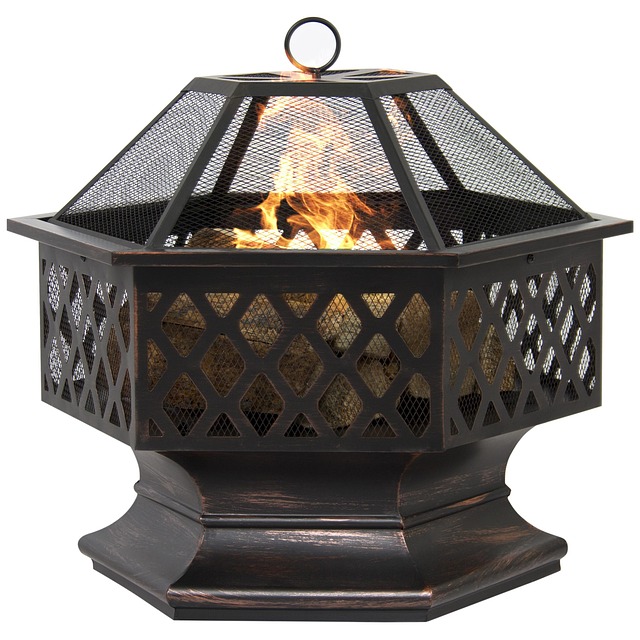
Pick your fire pit fuel. Wood provides the most radiant heat. Propane blazes quick for s’mores and natural gas burns steady for chill patio ambiance. Check local prices: a cord of seasoned oak runs $320 in LA County, a 20-lb propane swap is $24.99 at the Vons on Venice, and SoCalGas quotes $14 per foot to trench a new line. Keep fuels stored correctly or lose cash. Check out the fast chart below.
|
Fuel Type |
Storage Spot |
Space Needed |
Shelf Life |
|---|---|---|---|
|
Seasoned hardwood |
Elevated metal rack, 6 ft from house |
4 ft x 8 ft x 4 ft high |
2 yrs if kept dry |
|
Propane tank |
Ventilated yard box or shed corner |
18 in x 18 in floor print |
12 yrs tank life |
|
Natural gas |
No tank, line stays pressurized |
Zero extra yard space |
Indefinite |
|
Ethanol cans |
Cool pantry shelf, tight cap |
1 ft x 1 ft |
3 yrs unopened |
Portable pits go well with wood or propane, whereas fixed stone rings demand gas lines. Make that decision before you shop.
1. Classic Wood
Select your fire pit fuel, such as split oak or hickory, which should be gray on the tips and ring hard when pieces rattle together. It’s a good idea to pile it up two inches off the dirt on a bargain $45 rack from Home Depot, ensuring that termites pass the buffet. Additionally, store a shoebox of fatwood sticks and a kitchen jar of lint dipped in wax nearby for easy access. With just one match, you’ll enjoy your smokeless fire pit experience, and you’ll scoop ash the following morning.
2. Convenient Propane
Twist the 20-lb. tank clockwise until the seal hugs, crack the valve a quarter turn, then slam the igniter button on your propane fire pit. Models like the Outland Living 863 conceal the unsightly bottle inside a faux-wicker side table, ensuring your mother-in-law never spots it. When the flame falls at 9pm, trade the empty at any Kroger kiosk for fresh steel in less than 2 minutes, no axe or tarp required. Keep another in reserve behind the garage, so taco night never dies mid-salsa, making it a great time for outdoor cooking.
3. Permanent Gas
Fire it up! Call in a licensed plumber for your new smokeless fire pit installation. DIY trenching is illegal within five feet of a gas meter in L.A. Opt for a 60,000 BTU stainless burner pan to ensure your outdoor space stays warm. That little rating keeps six pals toasty on a 55 °F February night. Drape the burner with sky-blue fire glass from an Orange County yard store that costs $6 a pound. It retains the heat and disguises the pipes. Turn on that wall switch by the patio door and blue jets conjure themselves in a nanosecond, no refills, no spider log.
4. My Take
I love hickory crackle when I’m telling ghost stories around a smokeless fire pit. I go propane when we tailgate in San Diego since wood bans sprout like mushrooms on beach lots. My sister ran a gas line last year, paying $380 all told, and now toasts marshmallows every night without lifting a finger. If smoke chases your eyes, snatch a Solo Bonfire; its double wall gobbles up most sparks before they swirl.
Select Fire Pit Materials
When choosing your smokeless fire pit material, consider your climate and desired shape. For example, a steel bowl that withstands LA’s mild winters won’t survive three freeze-thaw cycles in Denver. Similarly, a stone ring that looks perfect in foggy Portland can crack apart in Phoenix when temperatures reach 115 °F. Match the material to your climate: steel for cold nights, concrete for dry heat, and stone for wet air. Additionally, check the weight; a 400-lb concrete bowl stays put against Santa Ana winds, while a nimble 40-lb steel bowl allows for easy movement to the patio edge for s’mores. Lastly, choose fire pit materials with drainage holes or slide-out ash pans to prevent winter rain from turning ashes into sludge.
Steel
Using a 1/4-inch mild carbon steel for your smokeless fire pit is the sweet spot. This thickness is robust enough to withstand a dropped log while allowing for a rust coat to develop over time. Opt for a double-wall bowl equipped with vent holes around the rim, as this design promotes a secondary burn that significantly reduces smoke. After extinguishing the fire, applying a layer of cooking oil inside can extend the life of your fire pit. To protect your investment from rain, always keep a fitted cover on the unit; a $25 lid is far more economical than replacing a $299 bowl every few years.
Stone
A stone ring kit from any big-box store can be transformed into a unique fire pit by placing it atop a 4-inch paver base that you can easily level in an afternoon. To enhance its durability, line the inside with actual fire brick. Regular scenery stone spalls at 1,800 °F and spits sharp shards, which is why using high-heat mortar rated for 2,000 °F is essential. This is the same material used for indoor fireplaces, ensuring that joints don’t turn to sand after ten burns. Once or twice a year, hook up the hose and spray down the outside, as built-up dirt retains moisture that can slip into hairline cracks and freeze them wider.
Concrete
Precast concrete bowls, such as those used for a smokeless fire pit, feature glass-fiber reinforcement to prevent heat cracks, so choose one with a minimum of 2-inch walls. Place it on 2 inches of pea gravel, not directly on the lawn, as trapped steam underneath will pop the bottom off in a season. Every spring, we roll on a thin coat of high-temp masonry sealer, the same clear coat used for brick chimneys, to keep water out. Clean wine, grease, or fire-glass dust immediately, as concrete is porous and those stains absorb quickly, becoming difficult to remove.
- Steel warranty: 1–3 years against burn-through
- Stone kit warranty: lifetime on block, none on mortar
- Concrete bowl warranty is 5 years on structure and 1 year on finish.
Design Your Fire Pit Space
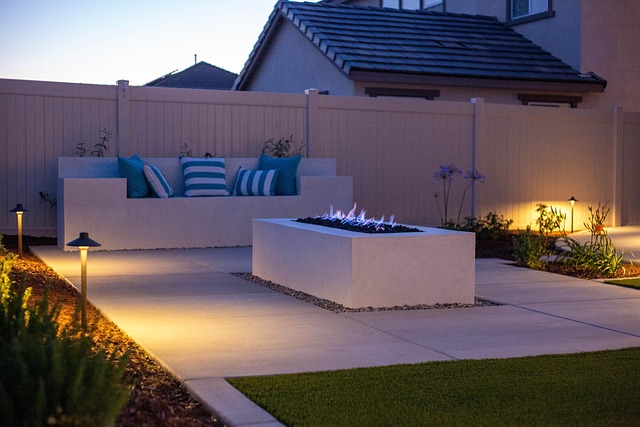
Begin on paper with a soft pencil. We took a few steps back and eyeballed it, using vision and experience rather than scientific measurements. Design your smokeless fire pit area, mark out where chairs go, and note an arrow for the wind that typically drifts in from the west side of the yard. When designing your fire pit space, consider that a 3 ft pit accommodates two seats around it, while a 5 ft ring allows six friends to toast s’mores without elbows knocking.
Location
To enhance your outdoor space, try to position the smokeless fire pit so smoke blows away from open windows. In L.A., that usually means on the east end of a patio. Avoid depressions where winter rain puddles, as damp ash stinks like stale charcoal and stains concrete with dark streaks. Keep 20 feet away from any tree that drops leaves, as those branches can become fire starters when dry. Arrange seating toward city lights or your own rose bed, not just the flames, for a more inviting atmosphere.
Seating
Curved wooden benches, 18 inches high, are perfectly positioned for warmth without roasted jeans, creating a cozy seating area around the smokeless fire pit. Leave 30 inches between chair backs so a guest can slip by with a drink tray. Opt for fade-proof Sunbrella cushions in sand or charcoal, as they rinse clean and dry quickly after the ocean mist blows in. Hang a couple of folding chairs on the block wall for those evenings when your friends bring friends, freeing up floor space when the party shrinks.
Landscaping
To enhance your outdoor space, spread a 2-inch blanket of pea gravel inside the fire pit ring. This not only keeps the weeds down but also helps maintain clean boots. When designing your fire pit space, surround the exterior with low plants like echeveria or blue fescue, which thrive in dry soil and won’t combust in sparks. Additionally, consider placing solar path lights every 4 feet along the stepping stones to ensure safety after dark, preventing anyone from eating dirt.
Essential Fire Pit Safety
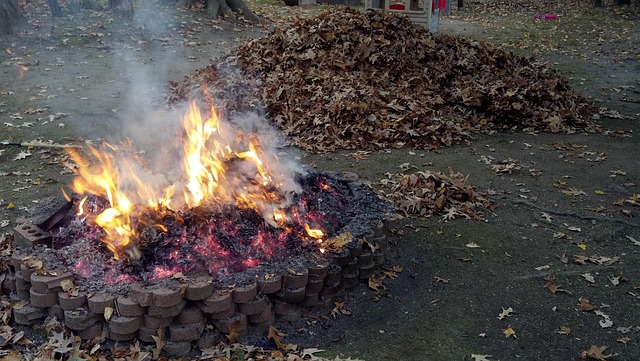
In most LA County towns, a smokeless fire pit should have a 10-foot ring of bare dirt or stone around it, which is the absolute legal minimum. If your yard has eucalyptus or pine that drop oily litter, it’s wise to double that distance. Additionally, place a metal or fiberglass mat two feet wider than the bowl on each side to ensure that any rolling ember lands on something that won’t burn. Night drills reveal firefighters shave response time two minutes when figures are illuminated.
Before Lighting
Rake out dead bougainvillea bracts and palm fronds, as they flash fast. Before lighting your smokeless fire pit, check the South Coast AQMD burn-ban page—red-flag can pop up at dusk even after a calm afternoon. Prop the mesh screen open on a sturdy rock so it won’t tip and fling sparks toward the pergola when flames leap. Ensure you have long-handled tongs, a flat shovel, and a 5-gallon bucket of pool water or sand laid out. Keep a 2½-pound ABC extinguisher inside the back door, hung hook-high for easy access.
During The Burn
Don’t stack the pile wider than three feet and taller than two. Anything bigger and heat ricochets off stucco walls and desiccates neighbor’s ivy. For your backyard fire pit ideas, remember that one log at a time is best—two together make that sudden pop that shoots coals over the screen. A quick-spray bottle on mist knocks down floaters before they hit the redwood deck.
|
Risk Item |
Quick Fix |
Tool Closest to You |
|---|---|---|
|
Floating ember |
Mist with pump sprayer |
Spray bottle |
|
Log rolls out |
Hook back with tongs |
20-in fire tongs |
|
Flame jumps |
Snuff with screen |
Mesh lid |
|
Child steps in |
Mark 3-ft chalk circle |
Sidewalk chalk |
After Extinguishing
Scatter the coals evenly with the shovel and immerse them until the hissing ceases. Stir the ash soup and douse again. Gray slurry conceals orange eyes that can smolder till dawn, especially around a smokeless fire pit. Scoop cooled mash into an old paint can and park it by the air-conditioner pad, miles from the house. Lock down the spark screen and snap on the vinyl cover so Santa Ana’s can’t stir slumbering embers. Walk the perimeter at first light, checking for warm spots that may require attention.
Beyond The Basics

A smokeless fire pit that just glows is a wasted opportunity. Replace the stock ring with a 24-inch grill grate or swing-arm hub and you’ve got a live-fire station for burgers, rib-eyes, and late-night hot dogs. Throw in a sky lid—envision a shallow steel umbrella on three legs—and the warmth reflects back to chairs as smoke drifts through the air, great for blustery Santa Ana evenings. Keep kindling in a small deck box close to the pit. A compact pyramid of pine starts means no search for dry wood next Friday. Note burn hours in a pocket notebook. After four three-hour evenings, you will know that a half cord lasts six weeks or that a 20-pound propane fire pit tank taps out at hour eleven.
Cooking
Season a new cast-iron grate while it is still warm from the first fire in your smokeless fire pit: wipe on a thin coat of canola, let it smoke for ten minutes, and repeat twice. The surface will throw clean grill marks on tri-tip and release fish without a fight. We skewer shrimp, zucchini coins, and cherry tomatoes in a mesh grill basket so that nothing falls into the coals. Shake once and dinner is done in six minutes. Slide a carbon-steel skillet onto the grate at sunrise. Eggs fry evenly and the edges absorb a hint of wood you cannot counterfeit indoors. Toss two softball-sized oak or hickory chunks onto red coals. That smoke envelops burgers in an aroma no kitchen hood will ever duplicate, making it a great option for outdoor cooking.
Accessories
Consider purchasing a 30-inch poker with a folding leg that extends for easy handling. When set down, the handle stays cool while the tip remains hot, making it convenient for your smokeless fire pit. A fitted steel cover with side handles effectively protects your fire pit from L.A. dust, Jacaranda blooms, and winter sprinkles, eliminating the need for a pre-party wipe-down. Instead of traditional lava rock, swap it out for cobalt-blue fire glass, which not only enhances the aesthetic but also keeps your fire pit looking sharp. Keep a checklist of essentials like poker, lid, glass, gloves, and brush taped inside your propane storage box to avoid multiple trips to the store.
Maintenance
Once every 5th burn, when the bowl is still just warm, give the walls of your smokeless fire pit a good scrub with a stiff nylon brush. Flakes fall off like dry skin and airflow remains robust. Beyond The Basics, slap a paper-thin coat of veggie oil on raw steel rims before the first July marine layer rolls in. This gives you an extra year before rust spots bloom. On gas fire pits, pop the burner out once a season and run a paper-clip wire through each tiny port. One blocked hole is enough to yellow the flame and kill heat. Store spare 20-lb tanks standing upright in a vented wood box on the north side of your house. Sun off the stucco can bake valve seals past 120° and reduce their lifespan.
Conclusion
So you now know the local rules, you’ve picked your fuel, chose tough stuff, mapped a smart spot, locked in safety habits, and sprinkled on the fun bits. Secure the permit, stack the stone, light the initial log and call the gang. A little ember and your yard becomes the story’s origin.
Frequently Asked Questions
Do I need a permit for a backyard fire pit in Los Angeles?
Most smokeless fire pits under 3 ft wide don’t require a permit; however, verify with L.A. Fire Department’s regulations and your HOA first.
What fuel burns best on smog-alert days?
Use propane or natural gas for your fire pit; they are clean burning and legal during No-Burn alerts that sweep L.A. Counties every winter.
Can I set the pit on my wood L.A. deck?
Only with a non-combustible heat shield and 10 ft side clearance, a smokeless fire pit ensures compliance with the majority of Californian homeowners policies.
How close can seating be to the flames?
Keep chair edges 3 ft back from the smokeless fire pit; radiant heat can warp plastic and scorch skin faster in our dry SoCal air.
What local stone lasts through L.A. heat?
Go with either Arizona sandstone or local decomposed granite for your smokeless fire pit, as both withstand 100 °F summers without cracking like cheap concrete!
Is it safe to burn fallen palm fronds?
No—palm fibers spew sparks and oily residue; instead, opt for seasoned hardwood for your smokeless fire pit.