

VOCs in paints are gases emitted as paint dries.
In LA, smog rules limit these fumes to 250 grams per liter for flat paint and 380 grams per liter for non-flat.
Heat and sun hasten the release, so low-VOC cans now adorn Home Depot shelves.
What Are VOCs in Paints?
VOCs, aka volatile organic compounds, are carbon-based chemicals that emit at room temperature. Regular paints contain a cocktail of them, such as formaldehyde, benzene, toluene, xylene, and methylene chloride. The can even prints the VOC load in grams per liter right on the label.
Pick up a gallon at Home Depot and you might see 250 grams per liter for a mid-sheen wall paint. Once the wall feels dry, the gases continue leaking out. Some paints off-gas for months.
1. The Chemistry
VOCs are organic molecules with high vapor pressure. Inside the can, they surf in the solvent. Once you brush, they escape as microscopic airborne dots that swirl into room air.
Aromatic hydrocarbons like benzene lend that classic “new room” paint odor, whereas oxygenated cousins such as glycol ethers assist the film knit together so the coat feels sleek instead of gummy.
2. The Function
Solvents keep color particles wet and loose so the paint pours and brushes with no drag. As the solvent exits, VOCs allow the surface to level before skin forms.
In winter-grade latex paints, small doses of glycols are like antifreeze so the bucket won’t morph into slush in a cold truck. Quick drying promotes rapid curing too. A bedroom can receive a second coat in 4 hours instead of waiting overnight.
3. The Types
Paints fall into three bins: standard, low-VOC, and zero-VOC. Spray bombs race to the top. A single 12-oz can might name 550 grams per liter.
Oil-based enamels come next as they too rely on mineral spirits. Water-borne latex lines bring that number down. Many interior flats now hover around 50 grams per liter and still scrub clean.
To get the “zero-VOC” badge in the U.S., the formula has to measure below 5 grams per liter, though trace amounts can lurk under counter-added colorants.
4. The Release
Off-gassing is at its worst the first day. A newly painted kitchen, for example, registers ten times normal indoor VOC content on a handheld meter.
By day three, most of the burst is gone, but tests indicate that low traces may stick around for weeks. Heat and humidity accelerate the release, so painting a bathroom in July with no fan blowing drives emissions up higher for longer.
Closed-up rooms retain this haze longer. Open two windows and use a box fan to flush more quickly.
Health Risks of VOCs
Paint fumes from traditional paints are full of VOCs that can severely impact indoor air quality, leading to health problems within minutes. These harmful compounds irritate the eyes, nose, and throat, causing headaches and nausea. Long-term exposure to VOC paint products can damage the liver, kidneys, and central nervous system.
Immediate Effects
New paint smell comes on quickly. Within a couple of hours, they’re complaining of pounding headaches, spinning rooms, and stomach upturning nausea. You get asthma sufferers whose chests tighten and breathing becomes rough. One painting session can ignite a complete attack that requires an inhaler.
Tears racing down cheeks, eyes stinging as if on fire! My throat turned raw and scratchy. We see these symptoms showing up even in well-ventilated L.A. Homes during summer heat when the windows remain closed for the AC. When the chemical stench gets to be too much, get out, immediately – no exceptions.
Long-Term Dangers
Benzene from paint is a huge one. That’s how it can cause leukemia. Painter’s studies demonstrate 20 percent higher rates than office workers. They gradually degrade the kidneys as they filter these toxins daily.
Liver damage accumulates quietly over years. Testing frequently doesn’t find issues until significant harm has already been done. Formaldehyde concentrations are directly associated with respiratory cancers. Even tiny amounts inhaled daily increase risks over time.
Memory fades and thought slows. Researchers discover painters perform worse on cognitive tests after decades of work. The brain actually shrinks from long-term exposure.
Vulnerable Groups
Kids breathe faster per pound, sucking in way more crap than adults. Their growing lungs soak up chemicals like sponges. A 3-year-old playing in a freshly painted room is exposed to three times the amount of an adult.
Expectant mothers transfer these VOCs directly to their babies via the placenta. Birth defects rise when moms paint nurseries unprotected. Older people with COPD or heart disease experience effects at levels that others barely notice. Their weakened systems can’t manage the additional burden.
Don’t forget pets – dogs pant more, cats groom more, both methods drag toxins into their tiny little bodies quicker than we generate them.
Protect your lungs by choosing low-VOC paints today.
VOCs and Your Home’s Air
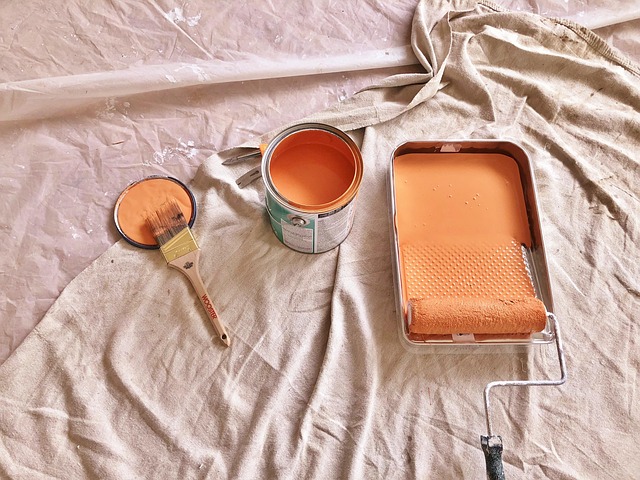
Following cleaning sprays, paint ranks as the next largest indoor polluter. Just one coat on one wall can push total VOCs past the level in a busy parking garage. New homes designed to conserve energy allow practically no air to escape, so the odors linger and accumulate.
Once released, those vapors combine with stove fumes and candle soot to create a light smog that fogs the family room. A $30 home air sample kit—available at most hardware stores—can let you know where you stand before you smell anything funky.
Off-Gassing Explained
Off-gassing is the solvent leak still trapped inside the drying paint skin. Thicker rolls and additional touch-up coats pour more liquid, so the film wanders longer before it locks. In a shadowy hall closet, the same action can stall for years.
Peek behind the door and you still catch that ‘fresh paint’ scent long after the hue appears parched. Labs track this with a gas chromatograph. The chart spikes high in the first two days, flattens a bit by day seven, then keeps a low tail that can stretch past thirty-six months.
Indoor Accumulation
Incidentally, city building codes typically state a minimum of 0.35 air changes per hour for a house. Fall beneath that and VOCs puddle like water in a clogged sink. New carpet backing, plug-in scent warmers, and that new IKEA dresser all add their own vapors to the mix.
A boxed fan in the window is helpful, but an activated-carbon purifier on high pulls more weight. One test strip recorded a 40 percent decrease in total VOCs after six hours.
Air Quality Impact
Once it hits around 500 µg/m³, your eyes and throat begin to protest. Ozone sneaks up as well since a portion of VOCs fragment under LED light and reform into lung irritants. Bad air shows up in small ways: you re-read the same email three times or wake up feeling like you napped in a tire shop.
Wipe-down cleaners don’t address the gas phase. Dilution remains the solution. Open two opposite facing windows, run the hood vent and leave it open until the kit reads below the line.
Decoding Paint Can Labels
Decode Paint Can Labels
About READ THE g/L LINE FIRST. EPA caps it at 250 g/L for most interior water-based paints, but shelves in L.A. Stores hold far leaner cans. Flat matte labeled “low-VOC” has to stay under 50 g/L. Satin or semi-gloss caps at 100 g/L. Zero-VOC equals less than 5 g/L prior to the tint machine squirting color in. A phone light comes in handy — print is minute.
| Type | VOC cap (g/L) | Example on shelf |
|---|---|---|
| Flat interior | ≤50 | Behr Premium Plus Flat |
| Satin interior | ≤100 | Benjamin Moore Regal Satin |
| Semi-gloss interior | ≤100 | Sherwin-Williams ProClassic |
| Zero-VOC untinted | <5 | ECOS Lullaby or Clare Wall |
Colorants undo the math. A deep charcoal can contain 10 to 20 grams per liter in a ‘zero’ can. Have the clerk scan the lid’s QR code. Full ingredient sheets lurk there, and some stores will email them upon request.
“Low-VOC”
EPA says wall paint must remain below 50 g/L to get the badge. You still smell it, but eyes sting less and room clears faster. Although big brands post lab sheets online, third-party chambers run the sniff test for 14 days and provide numbers, not ad copy.
Match a low-VOC primer with that same-grade topcoat and you shave about half the total load off the project.
“Zero-VOC”
The can starts at less than 5 grams per liter, then tinting pulls it back toward 25 grams per liter if you’re after navy or brick red. Ventilate anyhow since trace off-gassing can linger for a day during the film cures.
Green Seal 11 or Greenguard Gold stamps on the lid indicate additional testing as both standards set stricter limits than the government.
Third-Party Seals
Be on the lookout for Green Seal, Greenguard Gold, and Master Painters Institute (MPI) Extender icons. These logos indicate that the product underwent testing for VOC emissions, ensuring better indoor air quality by minimizing harmful compounds.
| Seal | VOC limit | Extra checks |
|---|---|---|
| Green Seal 11 | ≤50 g/L flat, ≤100 g/L nonflat | Phthalates, heavy metals |
| Greenguard Gold | ≤220 μg/m³ emitted | Formaldehyde, aldehydes |
| MPI Extender | varies by gloss | Scrub test plus VOC |
The Fine Print
Safety stripes still sell respirators and open windows. California’s Prop 65 warning may lurk if coalescing aids conceal glycol ethers.
Freeze-thaw additives, like the ones on trucks crossing the Grapevine, can bloat VOC without disturbing the front label. Scan that tint base SKU so base and color both remain under your target cap.
Choosing Safer Paint
Low-VOC latex paints outperform oil-based options in almost every aspect, ensuring better indoor air quality and reduced VOC emissions.
Water-Based
Pick up acrylic latex off the shelf and you’re already below 50 g/L VOC. Vinyl-acrylic blends run even lower, often near zero, and they still conceal old color in two coats.
Pre-purchase, scan the can. Turn it over. The VOC box should say “<5 g/L” or “0 g/L.” If the number is absent, scan the QR code. Many brands upload the sheet online.
Be certain both the base and the tint say low VOC. Dark bases can sneak in extra solvent.
Prime first. A low-VOC latex primer seals dust in drywall and provides something for the top coat to hang on. One coat of primer today means fewer finish coats tomorrow, so the less you breathe in overall.
Clean-up is only warm water and a touch of dish soap. There are no turpentine jars sitting open on the porch and no fume drifting next door.
Oil-Based
Alkyd paint still has a place on baseboards and cabinet faces that receive kicks and sponge baths daily. It ships with petroleum solvents, so VOC scores zoom past 350 g/L, which is seven times the latex limit.
If you have to, choose a weekend with open breezes. Box fan, box fan, box fan, charcoal respirator with an organic vapor rating. About: opting for safer paint.
Keep kids and dogs out for two entire days. Oil cures slow and burps solvent for weeks. Expect eight-hour dry-to-touch and 24 hours before a recoat.
A little quart often does all the trim in a typical LA apartment. Buy only that quart so you don’t have to keep a half-full can sitting around your hot garage.
Natural Paints
Plant-based paint trades out plastic resin for linseed, cashew, or soy. Pigments originate from clay, chalk, or spinach-green chlorophyll. VOCs register under 2 g/L and smell of linseed, not chemicals.
Milk paint blends from powder: stir warm water, toss in pigment pouch, brush on. Wonderful on nursery walls or old pieces of furniture. Try a patch; it dries flat and can almost feel like suede.
Clay paint is the same. Both like surfaces that breathe, so omit them in steamy baths. Shelf life is short. Once opened, milk paint lasts a day.
Clay buckets last around six months. Colors remain earthy—rust, ochre, sage—so order samples ahead if you’re hoping to get a perfect match to your couch.
The Hidden VOC Lifecycle
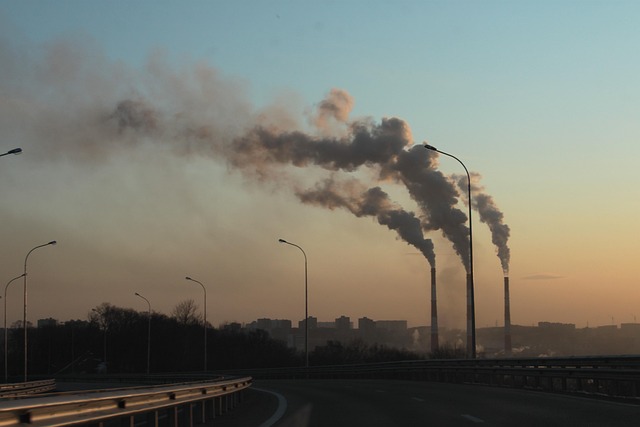
VOCs don’t punch out after the wall appears dry; they continue to affect indoor air quality. Emissions from resin plants in Vernon, idling rigs on the 710, and even from low VOC paint products contribute to indoor air pollution, persisting for years after the paint loses its vibrancy.
Before The Can
Tanker trucks rumble into South Gate plants at dawn. Every load of toluene, xylene and MEK vents a bit of vapor when the hose hooks up. Inside, resin kettles boil at 400 °F, belching perchloroethylene and trichloroethylene out of roof stacks. Local air-quality monitors register spikes that linger above normal for days.
Even the steel can is lined with a thin epoxy lining that off-gasses until it’s sealed. A handful of Calif. Companies, nevertheless, now funnel kettle vapors through activated-carbon beds and send the sequestered solvent back to the resin manufacturer. Purchasing from them nudges the cycle toward closed-loop reclamation.
During Curing
Peak emissions occurred during the first two days. A bedroom painted on Saturday still exhales solvents on Tuesday. Humidity over 60 percent traps vapors under the film. The wall is tacky and the smell lingers.
Warm air accelerates dry time but it sends even more VOCs into the room. Run a box fan in the window until the smell goes away, which typically means levels have dropped below 0.3 mg/m3, the state’s indoor guideline for fresh paint.
After Disposal
Half-used gallons stashed in garages continue to leak for years. SVOC plasticizers inch their way through plastic lids at room temperature. Bring leftovers to L.A. County’s free household-hazardous-waste site on Gaffey Street.
Empty cans end up in PaintCare bins at Dunn-Edwards or Sherwin-Williams, and the steel gets smelted and recycled. About 10 percent of oil-based stock should be swapped for zero-VOC acrylic next time, as it slashes long-tail emissions by 90 percent.
Furniture and books coated with old finishes enter the slow discharge, so test before you thrift.
Conclusion
You can ditch the fumes, bypass the headaches, and still make a wall pop! Go for a zero-VOC can, throw open the window and slap on two thin coats. The room smells like fresh air by dinner. Roller, chuck it in the trash, secure that lid tight and bring the rest to your city’s paint swap. Your lungs, your kids, your paint crew all come out winners. VOCs in paints, what do you say, ready to begin? Punch in the store locator on the label, choose a color that makes you grin and paint this weekend!
Frequently Asked Questions
Do I have to wait for L.A.’s “no-burn” season to paint inside?
No. South Coast AQMD’s 50 g/L rule is year-round, ensuring that low VOC paint products stay under that limit, allowing you to paint any day without contributing to indoor air pollution.
How long will VOCs linger in my Valley home?
In the San Fernando Valley’s summer heat, regular latex paints can off-gas for three to five days, impacting indoor air quality. To improve air quality, crack two opposite windows and run a ceiling fan, as VOC levels drop by sixty percent in twenty-four hours.
Is “Low-VOC” the same as “EPA Safe” in California?
California’s CARB limit of 50 grams per liter for flat paints and 150 grams per liter for non-flat paints is stricter than the federal EPA mark, particularly for low VOC paint products. Always check the grams per liter number on the can.
Can I toss half-empty VOC paint in my L.A. alley bin?
No.L.A. Sanitation includes traditional paints in its list of household hazardous waste, urging residents to bring them to a FREE S.A.F.E. Center in Sun Valley or Playa del Rey for recycling or energy recovery.
Will zero-VOC paint still smell in my beachfront condo?
Yeah, it’s really the ammonia-free soap and tint base, not VOC paint products. The odor goes away within hours, helping maintain indoor air quality and won’t set off Santa Monica’s ocean-front asthma warnings.
Does primer matter for VOC exposure?
Using a zero-VOC topcoat over a high-VOC primer can negate efforts to improve indoor air quality. A matching low VOC primer maintains the overall VOC content below 5 g/L, preventing bleed-through!